
Best Bluetooth Keyboards 2026: Buying Guide
Disclosure: We may earn a commission when you buy through links on this page, at no extra cost to you. As an Amazon Associate I earn from qualifying purchases. Learn more

How to choose a bluetooth keyboard for Mac, iPad, travel or gaming, covering layout, battery life, pairing, ergonomics and typing comfort at work.
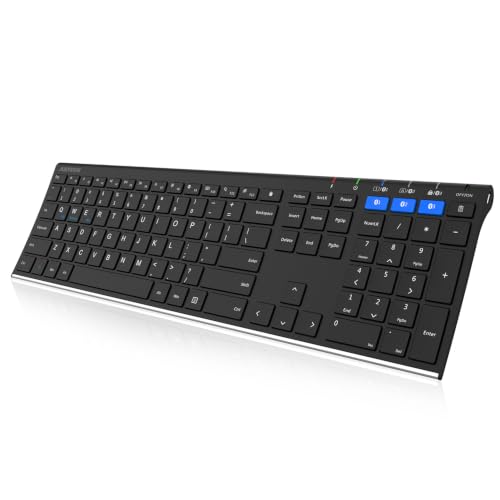
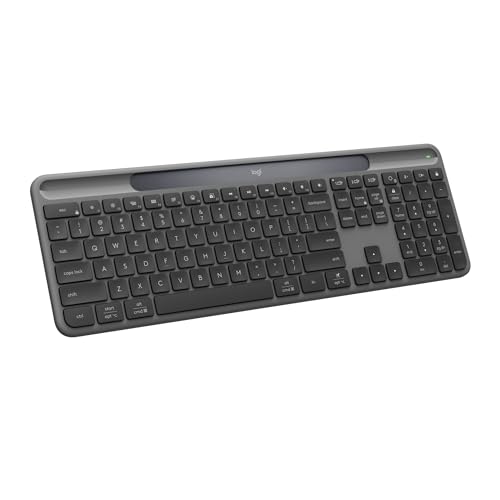
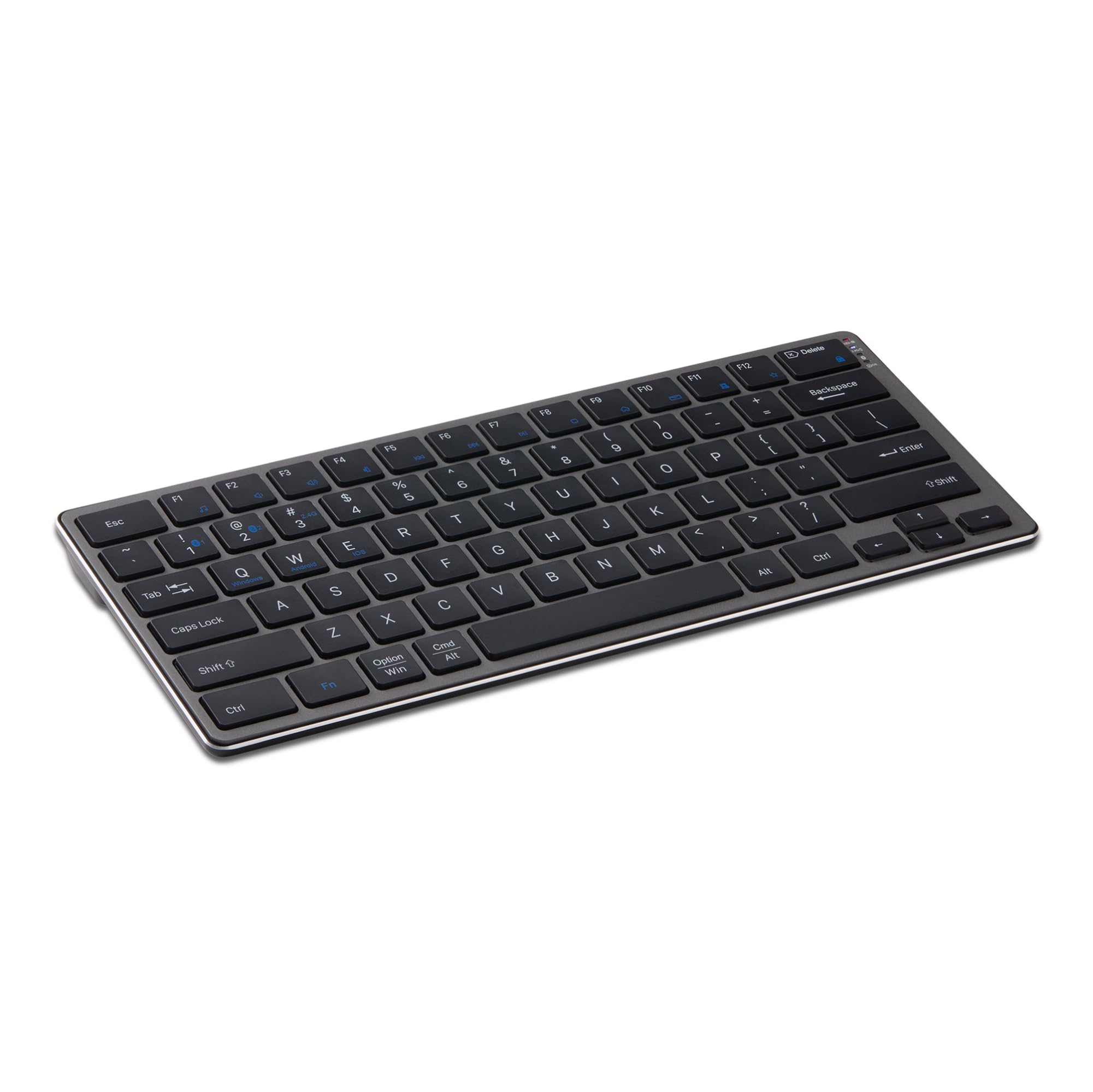
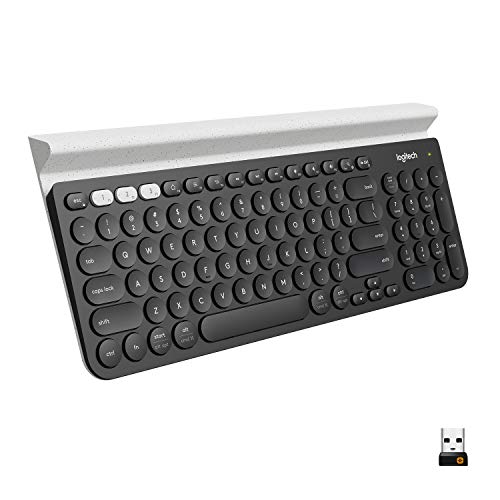
A bluetooth keyboard can free your desk from cables, but connection drops and cramped layouts quickly ruin the benefit. The right best bluetooth keyboards match your devices, your typing style, and where you work. The comparison table below gives a quick overview, and this guide explains layout, pairing, and battery life in practical terms.
Keyboards differ greatly for writers, travellers, gamers, and tablet users, so a single best choice does not exist. Some people need a full number pad, others need a compact board that fits a bag. This guide helps you match layout and features to your daily work.





Who Should Buy Best Bluetooth Keyboards
These keyboards suit remote workers, students, tablet users, and travellers who want wireless typing across devices. They also suit multi device users who switch between a computer, tablet, and phone. If you type for many hours daily, prioritise key feel and ergonomics over compactness alone.
Types Compared
Bluetooth keyboards divide by size and intended use.
Full Size Keyboards
Full size keyboards include a number pad and full function row, suiting desk work, spreadsheets, and data entry. They take more desk space but offer the most comfortable layout for long typing. Check device compatibility, since some layouts favour Mac or Windows keys.
Compact and Tenkeyless Keyboards
Compact keyboards drop the number pad to save space while keeping most keys. They suit smaller desks and travellers who still want a comfortable layout. They pair well with a separate number pad if you need one occasionally.
Portable and Foldable Keyboards
Portable keyboards fold or slim down for bags and travel, suiting tablet and phone users on the move. They trade some key travel for size, so typing feel varies. Test key spacing before buying, since very compact layouts slow touch typists.
Key Features to Compare
Layout and Key Feel
Key feel decides comfort over long sessions, so check key travel, spacing, and feedback. Scissor keys feel quiet and low, while mechanical keys feel tactile and louder. Try the layout if possible, since cramped arrow keys and small enter keys frustrate daily use.
Multi Device Pairing
Multi device pairing lets you switch between computer, tablet, and phone with a key press, which suits flexible work. Check how many devices pair at once and how fast switching feels. Some keyboards reconnect slowly after sleep, which annoys frequent switchers.
Battery Life and Charging
Battery life ranges from weeks for low power keyboards to months for efficient models, depending on backlight use. Rechargeable batteries suit regular use, while replaceable batteries suit travel without charging access. Backlit keys drain batteries faster, so check life with backlight on and off.
Compatibility With Mac, iPad, and Windows
Check operating system support, since key labels and shortcuts differ between Mac and Windows layouts. iPad users should check shortcut support and whether the keyboard works with tablet stands. Gaming users should check latency and whether bluetooth suits fast games, since wired connections remain faster.
Portability and Build Quality
Portable keyboards need sturdy hinges or cases that survive bags, while desk keyboards benefit from solid weight that prevents sliding. Check build materials and whether the keyboard includes a protective cover. A flimsy travel keyboard that flexes while typing quickly becomes frustrating.
Common Mistakes to Avoid
Avoid these bluetooth keyboard mistakes for smoother wireless typing.
- Choosing the smallest keyboard without testing key spacing for your hands.
- Ignoring multi device pairing if you switch between computer and tablet.
- Forgetting battery life with backlight on, which differs greatly from claimed life.
- Buying a gaming keyboard on bluetooth alone, where latency matters more.
Everyday Use and Care
Keep the keyboard clean with compressed air and a soft cloth, charge before it dies fully, and update firmware when offered. Store portable keyboards in a case to protect keys. If keys stick, check for debris before assuming a fault, and test pairing after software updates.
The product table above gives a quick side by side view, so use it to shortlist two or three options before you read the details again.
A Final Check Before You Buy
Before you buy, list your devices, your typing hours, and your travel needs. Check layout, pairing count, battery life, and compatibility, and test typing feel if possible. Keep the receipt until you have typed for a full work week, since pairing and comfort issues appear with daily use.
Getting the Most From Your Choice
Ergonomics matter more the longer you type, since a keyboard that feels fine for an hour can cause wrist strain over a full workday. Position the keyboard so wrists stay straight and elbows rest near a right angle, and use a wrist rest only if it keeps wrists neutral rather than bent upward. Take short breaks every hour, stretch hands and shoulders, and vary tasks to avoid continuous typing strain. Keyboards with a slight tilt or split layout suit some typists, but the best layout is the one that keeps your wrists comfortable over weeks, not just minutes. If you develop persistent wrist pain, numbness, or tingling, seek professional advice rather than simply buying a different keyboard, since those symptoms need assessment.
Workflows across devices also shape keyboard value, since shortcuts and layout differ between systems. Mac users benefit from Command and Option key placement that matches Apple layouts, while Windows users need a proper Windows key and Alt arrangement. Tablet users should check whether function keys control brightness, volume, and media on their device, since support varies. Gamers who use bluetooth keyboards casually should test latency with their games, since fast paced titles expose delay that office work hides. Finally, keep firmware updated and carry a charging cable for travel, since a dead keyboard mid trip is more disruptive than a slightly heavier board with longer battery life.
Related Buying Guides
For bluetooth keyboards for Mac, read our guide to best bluetooth keyboards for mac.
For bluetooth keyboards for iPad, see our guide to best bluetooth keyboards for ipad.
For portable bluetooth keyboards, read our guide to best portable bluetooth keyboards.
For bluetooth gaming keyboards, see our guide to best bluetooth gaming keyboards.
For bluetooth mechanical keyboards, read our guide to best bluetooth mechanical keyboards.
If Your First Choice Does Not Work
If a bluetooth keyboard frustrates you, check pairing, settings, and layout fit before replacing it. Slow reconnection after sleep often improves with firmware updates or by removing and re pairing the device, while missed keystrokes may come from low battery or interference rather than faulty keys. If key spacing feels cramped, a compact board may simply be wrong for your hands, and a tenkeyless model types better despite taking more desk space. Test the keyboard for a full work week, since comfort and pairing habits only emerge with daily use. Persistent wrist pain or numbness deserves professional advice, not just a new keyboard, since ergonomics and health both matter. Finally, test the keyboard with each device you own, since pairing behaviour and shortcut support can differ between a computer, a tablet, and a phone. Keep the receipt until daily use confirms comfort.
Frequently Asked Questions
Is bluetooth good for typing?
Bluetooth suits most typing, writing, and office work well, with no noticeable lag for normal speeds. Fast gaming and competitive use may prefer wired connections for lower latency. For everyday work across devices, bluetooth convenience outweighs tiny latency differences.
How do I pair a bluetooth keyboard with multiple devices?
Put the keyboard in pairing mode, select it in each device bluetooth settings, and assign it to a device slot if offered. Switch devices with the dedicated keys, and check that the keyboard reconnects after sleep. If switching feels slow, update firmware and check device bluetooth settings.
How long does a bluetooth keyboard battery last?
Battery life varies from weeks to months depending on backlight use and typing volume. Backlit keyboards drain faster, especially on bright settings. Rechargeable models suit daily desk use, while replaceable battery models suit travel without charging access.
Can I use a bluetooth keyboard with an iPad?
Yes, most bluetooth keyboards work with iPads, though shortcut support varies by model. Check that the keyboard offers iPad friendly shortcuts and a layout that suits tablet use. A stand or case that holds the iPad at a good angle improves the setup greatly.
What keyboard size is best for travel?
Compact and foldable keyboards suit travel best, but key spacing matters more than size alone. A slightly larger compact board often types better than an ultra small one. Test typing speed and comfort before a trip, since a cramped layout slows work on the road.
Final Thoughts
Match layout to your hands, pairing to your devices, and battery life to your routine, and wireless typing becomes genuinely convenient. Test key feel over a full work week, not just a few minutes, since comfort issues grow with use. Chosen this way, best bluetooth keyboards can tidy your desk and travel well across all your devices.


