Best Blueair Air Purifiers (2026): Model Types, Coverage and Filter Costs
Disclosure: We may earn a commission when you buy through links on this page, at no extra cost to you. As an Amazon Associate I earn from qualifying purchases. Learn more

Compact, midsize or large: how to match the best Blueair air purifier to your room, noise tolerance and yearly filter budget.
Blueair sells a wide range of air purifiers, and the model names alone do not tell you which one fits your room, your noise tolerance, or your filter budget. Shoppers hunting for the best blueair air purifier usually face the same puzzle: the lineup spans compact bedroom units, tall tower models for open living spaces, and design led units with extra smart controls, all with different coverage ratings and filter systems.
This guide compares the lineup by type rather than by hype. You will see how the model families differ on coverage, clean air delivery rate, noise level, and running cost, so you can match a unit to your space with confidence. Start with the comparison table below, then read the buying criteria that matter most for your home.
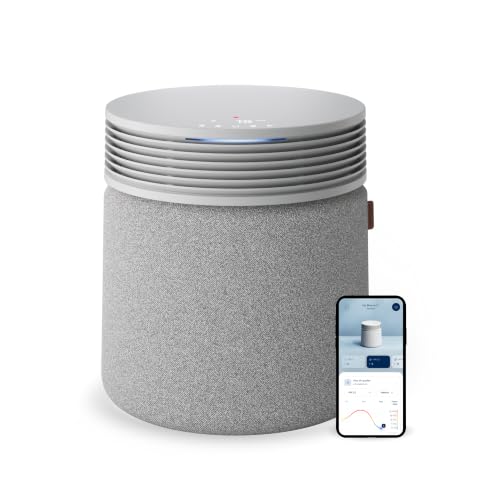


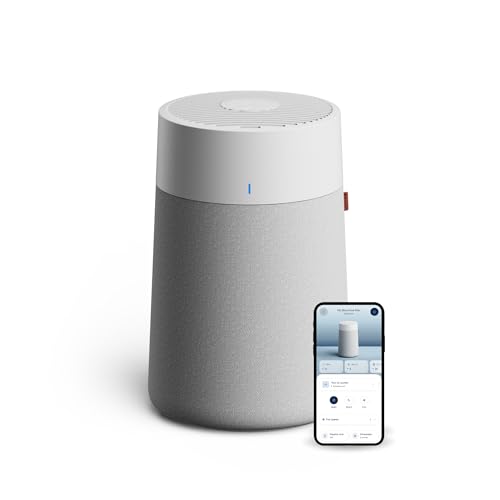

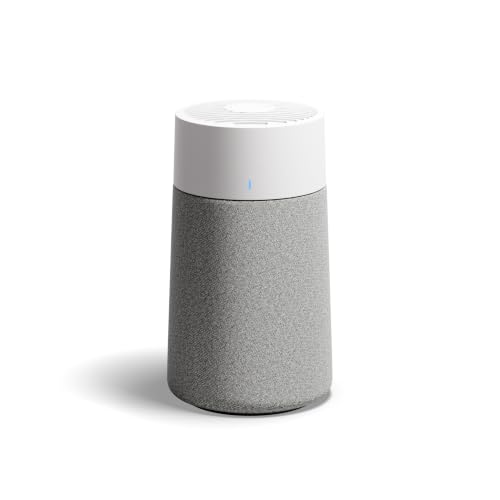

Blueair Model Types at a Glance
The lineup falls into three broad types. Compact units serve bedrooms, nurseries, and small home offices, and they trade raw power for a small footprint and quiet operation. Midsize room models handle living rooms and larger bedrooms, balancing coverage with moderate size. The largest units target open plan spaces and whole floor cleaning, with bigger filters, stronger fans, and higher prices to match.
Across all three types, Blueair relies on its signature filtration approach, which pairs mechanical filtration with electrostatic charging of particles to capture fine dust, pollen, and smoke at lower noise than many rival designs. What changes from type to type is scale: filter size, airflow, sensor packages, and how much automation you get. The product table above lists the current options in each group with their headline specs.
How to Compare Blueair Air Purifiers
We compare Blueair models on six criteria that decide real world satisfaction. Coverage and clean air delivery rate tell you whether a unit can keep up with your room. Noise level matters because a purifier only helps when you actually run it, and loud units get switched off. Energy use and filter replacement cost shape the true price over several years of ownership.
The last two criteria are filtration design and smart features. Filtration design covers what the filter media captures, from coarse dust and pet hair to fine particles and odors. Smart features include air quality sensors, automatic fan adjustment, and app control. We base these comparisons on manufacturer specifications and verified buyer feedback, and we flag where a higher price buys convenience rather than cleaner air.
How to Choose the Right Air Purifier
Size and Form Factor
Blueair units come in several shapes, and the right one depends on where the purifier will live. Compact box shaped models sit on a floor or a sturdy shelf and suit bedrooms and offices of modest size. Tower models stand taller with a slimmer footprint, which helps in living rooms where floor space near seating is tight. The largest models are freestanding floor units built for open plan areas, and they need clear space around the intake so air can circulate freely. Measure your spot before ordering, and leave a few inches of clearance on the sides that draw air in. If you plan to move the unit between rooms, check the weight and look for a handle or casters, since the biggest models are heavy enough that you will not want to carry them often.
Filtration Type
Most Blueair models use a combination filter that pairs a particle stage with activated carbon, and some offer upgraded filters aimed at smoke or at household odors and gases. The particle stage captures dust, pollen, mold spores, and pet dander, while the carbon stage reduces cooking smells, paint fumes, and other volatile compounds. A few designs use washable pre filters that catch lint and hair before they reach the main filter, which extends the main filter life. If allergies drive your purchase, prioritize strong particle filtration, and see our guide to the best air purifier for allergies for a wider comparison across brands. If odor control matters most, choose a model whose filter carries a generous carbon load rather than a thin carbon sheet.
Features Worth Paying For
An air quality sensor with an automatic mode is the feature most owners end up valuing, because the fan speeds up when cooking or cleaning stirs up particles and slows down when the air clears. App control and WiFi connectivity help if the purifier sits in another room or you want filter life alerts on your phone. A clear filter replacement indicator removes the guesswork from maintenance. Features that add cost without much benefit for most homes include decorative fabric covers in extra colors and elaborate light displays. A simple numeric or color coded air quality readout tells you what you need at a glance. Match the feature list to your habits rather than paying for the longest spec sheet.
Room Size and Coverage Ratings
Coverage ratings assume a certain number of air changes per hour, so compare them carefully. A rating based on two air changes per hour suits general dust control, while allergy and asthma guidance often points to four or five changes per hour, which shrinks the effective room size a lot. Check the clean air delivery rate, often shortened to CADR, and pick a unit whose rating covers your room at the higher change rate if anyone at home has breathing sensitivities. For a broader look at sizing across brands, our guide to the best air purifier explains how these ratings work. Oversizing slightly is sensible: a larger unit can run on a lower, quieter speed and still clean the room well.
Running Cost and Energy Use
A purifier runs many hours a day, so energy use adds up. Efficient models draw roughly as much power as a small LED bulb on low speed and far more on turbo, so the speed you actually use drives your bill. Filter replacement is the bigger cost: main filters typically last about six to nine months depending on air conditions and daily run time, and larger models use larger, pricier filters. Before you buy, price the replacement filter for the exact model and multiply by the years you plan to keep the unit. Homes with pets or nearby traffic may clog filters faster, a point covered in our guide to the best air purifier for pets.
Noise Levels for Bedrooms
Manufacturers quote noise in decibels, usually at the lowest and highest fan speeds. For sleep, look for a low speed rating in the low to mid 20 decibel range, which most people perceive as a faint hush. Higher speeds on large models can reach the mid 50 decibel range, similar to moderate rainfall, and few people sleep well next to that. The practical test is whether the unit cleans your bedroom adequately on its quiet settings overnight. If it does, daytime turbo bursts can handle cooking smoke or a dusty afternoon. Light sleepers should also check whether the display can dim or switch off, since a bright air quality light bothers some people more than fan noise.
Filters and Maintenance
Upkeep is simple but not optional. Vacuum or wash the pre filter if your model has one, following the manual, and replace the main combination filter when the indicator lights or at the interval the maker states, since a loaded filter cleans less air and can strain the fan. Wipe the sensor lens and the air inlet area with a dry cloth every month or so, because dust on the sensor can trigger needless fan speed changes. Keep receipts or a phone reminder for filter dates. If damp rooms and musty smells are your main concern, note that a purifier traps airborne spores but does not fix the moisture source, as explained in our guide to the best air purifier for mold.
How Much Should You Spend?
Blueair pricing spreads across clear bands. Entry models at about $100 to $200 cover single small rooms with basic controls and no sensor driven automatic mode. The middle band, about $200 to $400, adds larger coverage, air quality sensors, and app control on many models, and it is where most households find the right balance. Above about $400 to $700 and beyond, you pay for whole floor coverage, premium finishes, and the strongest airflow in the range. None of these bands changes the basic filtration idea; spending more buys size, quietness at high output, and convenience. Set your budget by room size first, then decide which conveniences deserve extra money.
The Blueair Air Purifier Lineup Explained
Think of the lineup as a ladder. The smallest rung serves dorms, nurseries, and deskside use, with simple dial or touch controls and modest coverage. The middle rungs are the workhorses: room sized units with sensor based automatic modes, combination filters with real carbon content, and coverage suited to bedrooms and family rooms. The top rung adds the largest filters, the highest airflow, and design touches such as hidden displays and furniture like finishes for visible living spaces.
Blueair also separates its range by filter platform, so replacement filters are not interchangeable across every family. When you narrow your choice to two models, confirm which filter each one takes and what that filter costs, because two units with similar prices can differ a lot in yearly filter spend. Shoppers comparing brands sometimes ask whether a purifier can replace other appliances; our explainer on air purifier vs humidifier covers why the two solve different problems and often work side by side.
FAQ
What is the best blueair air purifier?
There is no single answer, because the right model depends on room size and noise tolerance. For most households, a midsize sensor equipped model offers the best balance of coverage, quiet running, and filter cost. Very small rooms do fine with a compact unit, while open plan homes need the largest class. Match the coverage rating to your room at four or more air changes per hour and you will land on the right tier.
Is Blueair a good air purifier brand?
Blueair has a long track record in home air cleaning and is known for quiet operation relative to airflow, a result of its hybrid filtration design. Owners generally praise the automatic modes and low sleep speed noise. The trade offs are premium pricing and filter costs above budget brands. Treat brand reputation as a starting point, then judge each model on its coverage rating, noise figures, and replacement filter price.
Do air purifiers work?
Yes, a properly sized purifier measurably reduces airborne particles such as dust, pollen, and smoke while it runs in a closed room. It does not remove gases as completely as particles unless the filter carries substantial activated carbon, and it cannot clean air in rooms it does not reach. For the evidence and the limits in plain language, read do air purifiers work. Placement near the room center, with doors mostly closed, gives the strongest results.
How long does an air purifier take to clean a room?
On a high setting, a correctly sized unit can pass the full volume of room air through its filter several times within an hour, and particle counts usually drop fastest in the first 20 to 30 minutes. Dust keeps entering from bedding, clothing, and open doors, so levels rebound once the unit stops. Continuous low speed running holds the gains better than occasional short bursts, and it uses less energy than repeated turbo cycles.
What size air purifier do I need?
Measure your room in square feet, then choose a model whose clean air delivery rate supports at least four air changes per hour in that space if allergies are a concern, or two changes for general dust control. Ceiling height above the standard eight feet means you should size up one class. When a model sits between two of your candidate rooms, buy for the larger room and move the unit as needed.
Final Thoughts
The best blueair air purifier for your home is the one sized honestly for your room, quiet enough to run all night, and cheap enough to feed with fresh filters on schedule. Use the product table above to shortlist models in the right size class, weigh sensor driven automatic mode against simple controls, and check the replacement filter price before you commit. Readers still deciding whether they need a purifier at all, or comparing other brands, can start with our overall air purifier buying guide for the full category picture.