Best Air Purifier Under $100 (2026): Size, Features and Buying Tips
Disclosure: We may earn a commission when you buy through links on this page, at no extra cost to you. As an Amazon Associate I earn from qualifying purchases. Learn more

What matters when choosing the best air purifier under 100: size, features, budget and the mistakes to avoid.
A tight budget does not force you to accept weak cleaning, but it does force clear trade offs. The best air purifier under 100 dollars for your home is the one sized correctly for your room, built around a true HEPA filter, and quiet enough that you will leave it running. Small print matters more than extras at this price, so this guide focuses on coverage, filtration, noise, and filter cost.
Below, we compare the main types under this budget and explain the ratings that matter. The comparison table below sums up the key specs. If your budget can stretch further, our guide to the best air purifier covers larger models as well.


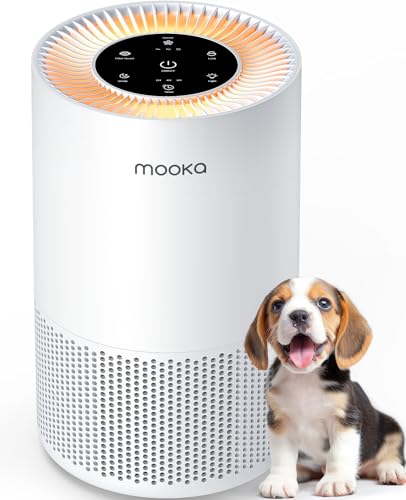


Types Compared Under $100
Models under $100 fall into three broad types. The right choice depends less on features and more on how much air the unit moves through its filter each hour.
Compact Tower Models
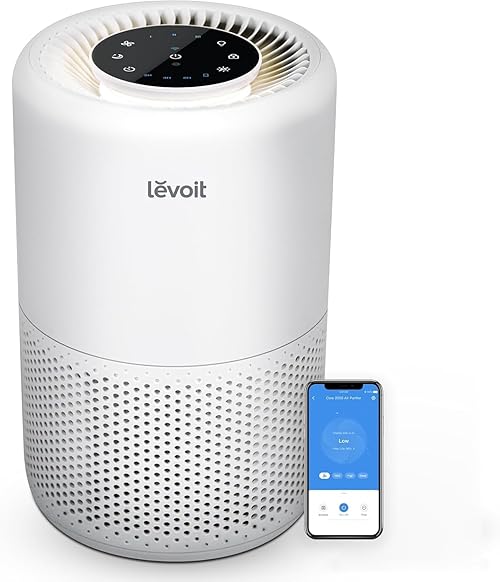
Tower models stand upright and take little floor space, which suits bedrooms and living rooms where a wide box would block a walkway. Air usually enters through the front or sides and exits at the top, so placement against a wall works well as long as the intake stays clear. Their filters are tall and narrow, with decent surface area for the footprint. The limit is airflow: most towers at this price suit one modest room rather than a large open plan space.
Desktop and Small Room Models
Desktop units are the smallest and cheapest type, built for a nightstand, a desk, or a nursery shelf. They are light, easy to move, and simple to operate, often with one dial or a few buttons. That small size comes with a small filter and a small fan, so cleaning power is limited to very small spaces or the air close to where you sit or sleep. A desktop unit can freshen the air near your bed, but it cannot clean a whole bedroom like a larger floor model can.
Larger Room Models Near the Top of the Budget
Close to $100, you can find box shaped models with bigger filters and stronger fans that handle a full bedroom or a small living room. These give you the most cleaning power per dollar because more of the price goes into the filter and motor rather than styling. The trade offs are size, noise on the highest speed, and pricier replacement filters. If you buy one purifier for your main room, this type is usually the sensible place to spend the full budget.
How We Chose the Criteria for This Guide
We ranked the buying factors by how much each one changes results in daily use. Coverage and CADR come first, since a purifier that moves too little air cannot keep up no matter how good its filter is. Filtration type comes next, then noise level, because a loud unit gets switched off and cleans nothing. Energy use, filter cost, and features follow. We base these criteria on manufacturer specifications and standard rating methods. Our explainer on do air purifiers work walks through the evidence in plain language.
How to Choose the Right Air Purifier
Size and Form Factor
Start with where the unit will live. Measure the floor or shelf space you can give up, and check the height if it will sit under a low shelf. Floor models need open space around the intake so air can reach the filter freely. Desktop models save space but clean far less air, while towers fit narrow gaps. Favor the largest filter your space allows, since filter size drives cleaning power at this price.
Filtration Type
True HEPA is the standard to look for. It captures at least 99.97 percent of particles as small as 0.3 microns, including dust, pollen, and pet dander. Filters labeled HEPA type or HEPA style may capture larger particles well but let more of the smallest particles pass. An activated carbon layer helps reduce cooking smells and pet odors, though thin carbon sheets do little for strong smells. If pollen is your main concern, our guide to the best air purifier for allergies goes deeper on filter choices. Avoid ionic models that can release ozone, and treat UV light as a minor extra.
Features Worth Paying For
A few features earn their cost under $100. Multiple fan speeds including a quiet sleep setting help you run the unit overnight. A filter change indicator removes the guesswork from maintenance, and a timer suits rooms you only use part of the day. Air quality sensors and auto mode can help, since the fan rises when cooking stirs up particles and settles down afterward. WiFi control is nice but rarely worth giving up filter size to get. For homes with animals, our guide to the best air purifier for pets covers the extra hair and odor load pets create.
Room Size and Coverage Ratings
Match the purifier to the room using CADR, the clean air delivery rate, rather than the coverage number printed largest on the box. A common guideline from AHAM is to choose a CADR of at least two thirds of the room area in square feet. For a bedroom of about 150 square feet, that means a CADR near 100 or higher. Makers often rate coverage at the loudest speed, so a model claimed for 300 square feet may only suit about half that area for steady, quieter cleaning.
Running Cost and Energy Use
Most models under $100 draw about 30 to 50 watts on high and far less on low, so running one all day and night usually costs a few dollars a month. The bigger cost is filters, not power. Before you buy, price the replacement filter and note how often it needs changing. A cheap unit with a filter that costs about $40 and lasts only a few months can cost more over two years than a pricier unit with a longer lasting filter.
Noise Levels for Bedrooms
Noise ratings are given in decibels, and the number on the box is almost always for the lowest speed. Expect about 25 to 35 decibels on low, which most sleepers find unobtrusive, and about 50 to 60 decibels on high, closer to a household fan. If the purifier will run beside your bed, check the noise figure for the middle speed, since that is the setting you will likely use overnight. Place the unit a few feet from the bed so the airflow sound stays in the background.
Filters and Maintenance
Most budget models use a single combined filter cartridge, sometimes with a washable pre filter in front of it to catch lint and pet hair. Vacuum or rinse that pre filter as the manual directs, since a clogged layer starves the main filter of air. The main HEPA cartridge cannot be washed and loses strength as it loads with particles, so replace it on the schedule the maker gives, often every 6 to 12 months. Wipe the intake and the sensor lens with a dry cloth so dust does not distort readings.
How Much Should You Spend?
Under about $50, expect desktop units for very small rooms, with small filters and few settings. Between about $50 and $100, you get true HEPA filtration, coverage for a bedroom, and quieter low speeds, which is the value zone for most buyers. Spending about $100 to $250 usually buys higher CADR for living rooms and thicker carbon for odors. The best air purifier under 100 dollars for most homes sits near the top of that middle band, where filter size and airflow peak before the price jumps.
What You Get and Give Up Under $100
Under $100 you can get genuine particle removal for one room: dust, pollen, dander, and some smoke particles, with basic odor control from a thin carbon layer. You give up the airflow needed for large open plan areas and the thick carbon beds that handle strong smells. A purifier also traps mold spores but does not fix the moisture that lets mold grow, so solve leaks and damp first; our guide to the best air purifier for mold explains that pairing. A purifier also does not add or remove moisture, the point covered in air purifier vs humidifier.
Common Mistakes to Avoid
- Buying by coverage claims alone, which leaves you with a unit too weak for the room.
- Choosing a filter labeled HEPA style and expecting true HEPA results on the smallest particles.
- Pushing the unit into a corner or against curtains, which blocks the intake and cuts airflow.
- Running the purifier only for an hour a day, when steady use keeps particle levels down.
- Ignoring replacement filter prices at purchase time, which turns a bargain unit into the costly option within a year.
- Expecting a purifier to fix damp or dry air, since it only cleans particles and some odors.
How to Make Your Air Purifier Last Longer
Keep the pre filter clean and the main cartridge will do its job for its full rated life. Run the unit on a middle speed most of the time rather than at maximum for hours, which is easier on the motor. Keep it away from humid corners. If airflow drops or odors return soon after cleaning the pre filter, the main cartridge is likely loaded and due for replacement. Store spare filters sealed in their bags in a dry place.
FAQ
What is the best air purifier under $100?
For most buyers it is a floor model with true HEPA filtration, a CADR matched to the room, and a quiet low speed for overnight use. Spend near the top of the budget if one unit must serve your main bedroom, since filter size and airflow improve across this range. If you split time between two small rooms, a lighter model you will actually move beats a heavy one.
Can you get a good air purifier for under $100?
Yes, for a single room of modest size, provided you judge by CADR and filter type rather than by the feature list. Budget models use the same HEPA media as pricier units; the savings come from smaller coverage, simpler controls, and thinner carbon layers. Where they fall short is large spaces and strong odors, not basic particle removal in a bedroom.
Do air purifiers work?
Yes, for particles. A HEPA filter physically traps dust, pollen, dander, and smoke particles as air passes through it, and particle counts in a closed room fall with steady use. Purifiers do not remove gases the way ventilation does, and they cannot clean surfaces where dust has settled. Vacuuming with the purifier running helps it clear what cleaning stirs up.
How long does an air purifier take to clean a room?
It depends on how many times per hour the unit can process the full volume of room air. A correctly sized model changes the air in a bedroom roughly two to four times an hour on a middle or high speed, so a noticeable drop in particles usually comes within the first hour. Smoke or heavy dust can take longer, and running the highest speed for that first stretch clears the room faster.
What size air purifier do I need?
Measure the room length and width, multiply them for the area in square feet, and note the ceiling height, since tall ceilings hold more air. Then choose a CADR of at least two thirds of that area figure. For open plan spaces, size for the zone you use most rather than the whole floor, because walls and doors limit how far cleaned air travels.
How often should you change an air purifier filter?
Follow the interval in the manual, and watch for signs rather than the calendar alone. A gray, matted surface, weaker airflow, or smells lingering longer than before all point to a loaded filter. Homes with pets or smokers load filters faster than the rated schedule assumes. Mark the install date on the cartridge edge when you fit a new one, so you can judge its age at a glance.
Final Thoughts
Under $100, value comes from sizing and filtration, not from feature lists. Pick the largest true HEPA model your room and budget allow, match its CADR to the space, and budget for the replacement filter. Judged that way, the best air purifier under 100 dollars is a practical single room tool. Use the product table above to compare the key specs before you decide.