
Best Budget Air Purifier Guide for 2026: Choose Well Without Overspending
Disclosure: We may earn a commission when you buy through links on this page, at no extra cost to you. As an Amazon Associate I earn from qualifying purchases. Learn more
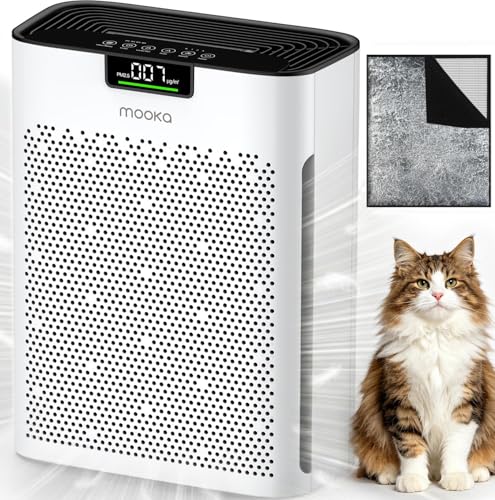
Compare the best budget air purifier options by room size, CADR, filter cost and noise, with clear guidance on features that matter and costs to skip.
A low price means very little if the unit is too small for your room or its filters cost more than you saved. Choosing a best budget air purifier is really about matching clean air delivery to one room, keeping noise low enough for daily use, and knowing the yearly filter cost before you buy. The comparison table below lines up the key specs side by side so you can spot weak coverage and high running costs at a glance.
This guide focuses on types, specs, and tradeoffs instead of brand names and model picks. You will learn which features protect performance, which extras you can skip, and when a budget model is enough. If your needs go beyond one room, our guide to the best air purifier covers larger coverage options.

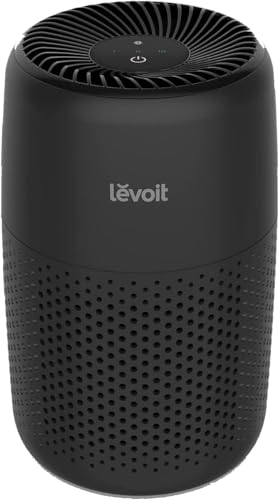

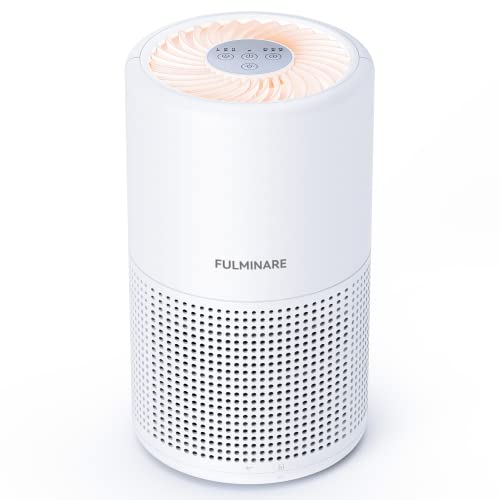


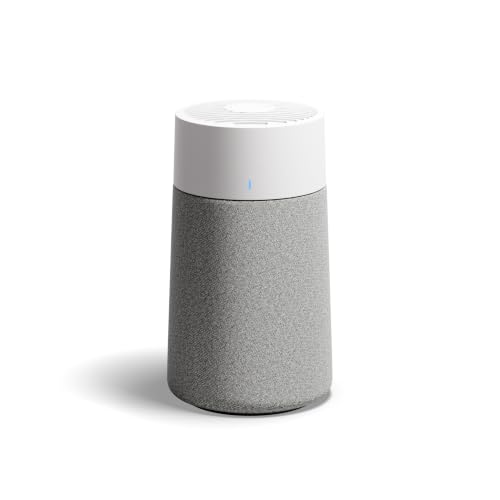
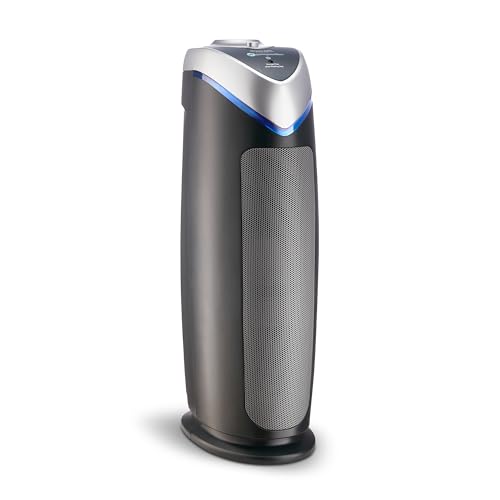
Budget Buying at a Glance
Start with room size, not with price. Measure the room where the purifier will run most hours, then look for coverage and CADR ratings that suit that space with some margin. A unit that must run on its highest and loudest setting all day is rarely a bargain, even if the purchase price looked low.
Next, add up the full cost of ownership. A unit with a filter that lasts a full year can cost less over two years than a cheaper unit that needs a new filter every few months. Note filter price, filter life, and electricity use before you compare purchase prices, because those numbers decide whether a low price stays low.
- Match CADR and stated coverage to one room, with margin for open doors and high ceilings.
- Choose true HEPA filtration for fine particles such as pollen, dust, and pet dander.
- Add activated carbon if cooking smells, pet odor, or traffic fumes are part of the problem.
- Check noise on the lowest setting, since that is the setting you will use overnight.
- Confirm filter price and availability before buying, not after the change light comes on.
Three Buying Profiles and What to Prioritise
Small Bedrooms, Dorms, and Apartments
Your priority is quiet, steady cleaning in a compact space. A small tower or desktop unit with coverage sized for about 150 to 300 square feet is usually enough, as long as the low speed is genuinely quiet and the footprint fits beside a bed or desk. Skip large coverage claims you will never use and put the savings toward a true HEPA filter. A simple timer and a display light you can turn off matter more here than app control.
Allergy Relief in One Main Room
Your priority is particle capture where you spend the most time, often the bedroom. Look for true HEPA filtration, a sealed filter path so air cannot bypass the filter, and CADR high enough to cycle the room air several times per hour on a medium setting. If pollen and dust drive your symptoms, our guide to the best air purifier for allergies goes deeper on allergen focused choices. A purifier supports cleaner indoor air, but it does not replace medical care, so talk with your doctor if symptoms are severe, new, or getting worse.
Pet Hair and Odor Control on a Budget
Your priority is capturing hair and dander before they settle, plus carbon for odor. Choose a unit with a prefilter you can vacuum or rinse, because that layer catches hair and extends the life of the main HEPA filter. Place the unit near the main pet area but leave clear space around the intake so airflow is not blocked by furniture or bedding. For homes where pets are the main concern, see our guide to the best air purifier for pets for more detail on hair and litter dust.
How to Evaluate a Budget Air Purifier
Judge every model on the same short list of criteria. Those criteria are clean air delivery for your room size, filter type and filter life, noise at low and medium speeds, energy use, and the cost and availability of replacement filters. Manufacturer coverage claims vary, so give more weight to CADR figures and to ratings from recognised programs such as AHAM Verifide where they are listed.
Be honest about what a budget price can buy. Lower priced units often clean one room well but lack strong carbon for heavy smoke, advanced sensors, or very quiet high speed operation. If you are unsure whether the technology delivers real results, our explainer on do air purifiers work sets out what purifiers can capture and what they cannot do.
How to Choose the Right Air Purifier for Your Room
Size and Form Factor
Form factor decides where the unit can live and how well it can draw in air. Tower units fit narrow floor spaces and suit living rooms, while compact box and desktop designs suit bedrooms, nurseries, and home offices. Whole house cleaning is not a realistic job for one budget unit, so plan on one purifier for the room that matters most. Keep at least a few inches of clearance on all sides, and avoid pushing any design into a corner where the intake is starved of air.
Filter Type and Cleaning Method
Filtration type decides what the unit removes from the air. True HEPA filters capture very fine particles, including most pollen, dust, mold spores, and pet dander, and they are the core feature worth paying for. Activated carbon adsorbs many odors and some gases, so a thicker carbon layer helps with cooking smells and pet odor. Ionic and ultraviolet add ons are not a substitute for HEPA filtration, and you should confirm any budget model is ozone free, since ozone can irritate airways.
Features Worth Paying For and Features to Skip
A few features earn their cost on a budget model. An air quality sensor with an auto mode can raise the fan speed when cooking or cleaning stirs up particles, then settle back down to save energy and reduce noise. A filter change indicator, a timer, and a lock for the controls are simple, useful touches in homes with children. WiFi and phone apps are nice but rarely worth cutting filter quality to afford, and decorative lights add cost without cleaning any air.
Room Size and Coverage Ratings
Coverage ratings only help if you read them with care. CADR, short for clean air delivery rate, tells you how much filtered air the unit delivers, and higher numbers suit larger rooms. As a plain rule, choose a CADR that is at least two thirds of your room area in square feet, which supports about two air changes per hour. For allergy concerns, aim higher so the unit can do that work on a quieter medium setting rather than on its loudest speed.
Running Cost and Energy Use
Electricity is usually the smaller part of running cost, but it still adds up when a unit runs all day. Many compact purifiers draw about 30 to 60 watts on medium settings, which is similar to a single light bulb. Models with an Energy Star label use less power for the same clean air delivery, so that label is worth checking. Your bigger cost is filters, covered below, so weigh wattage second and filter price first when two units clean at a similar rate.
Noise Levels for Bedrooms
Noise decides whether you will actually run the unit at night. Look for a low speed rating around 25 to 35 decibels if the purifier will sit near a bed, since that range is close to a quiet whisper. Medium speeds suit living rooms and playrooms where some fan sound blends into daily activity. If the listing only gives one noise figure, assume it is the lowest setting and expect the higher speeds to be much louder than that number suggests.
Filters and Maintenance
Maintenance on a budget model is simple but not optional. Vacuum or rinse the prefilter about once a month, following the maker instructions, and replace the main HEPA and carbon filter on the stated schedule, often every 6 to 12 months. A clogged filter cuts airflow and raises noise, so delayed changes erase the savings that made the unit attractive. Write the change date on the new filter when you fit it.
How Much Should You Spend?
Price bands map roughly to room size and filter quality. Under $50, expect a personal desktop unit for a very small space, with limited CADR and short filter life. About $50 to $100 covers many solid single room options with true HEPA filtration, and about $100 to $200 adds higher CADR, better carbon, quieter motors, and useful sensors. Above that range you leave budget territory behind.
Budget Models Compared With Higher Priced Models
Budget models win on purchase price, simple controls, and low commitment, which suits renters and first purchases. They clean one modest room well when sized correctly, and their smaller filters usually cost less per change. The tradeoff is headroom. A budget unit has less spare capacity for open plan spaces, heavy smoke, or strong chemical smells, and it may need to run faster and louder to keep up.
Higher priced models mainly buy capacity and convenience. You get higher CADR, thicker carbon, quieter operation at high output, and sensors that adjust speed without your input. Keep device roles clear too. A purifier removes particles from air, while a humidifier adds moisture, and our comparison of air purifier vs humidifier explains when dry air is the real problem.
- Budget strength: low up front cost, simple setup, and affordable filters on the right models.
- Budget limit: one room coverage, modest carbon for smoke and strong odors, fewer sensors.
- Higher price strength: more CADR headroom, quieter high speed cleaning, thicker carbon layers.
- Higher price limit: larger filters cost more, and extra features may go unused.
Frequently Asked Questions
What is the best budget air purifier?
The right answer is the unit that fits your room, uses true HEPA filtration, and has a filter you can afford to replace on time. No single type suits every home, because a quiet bedroom unit and a pet focused living room unit solve different problems. Use the product table above to compare CADR, noise, and filter life for your room size first. Then choose the lowest total cost over two years, not the lowest price on the box.
Are budget air purifiers worth the money?
Yes, budget air purifiers are worth the money when they are sized correctly and use true HEPA filtration. A modest unit that runs daily in a bedroom can meaningfully cut dust and pollen in that room. Value drops fast when a small unit is asked to clean a large open space, because it will run on high and still fall short. One extra check is resale and returns. A clear return window protects you if the noise level turns out to be more than you expected at night.
Do air purifiers work for dust in a small apartment?
Yes, air purifiers do work for airborne dust, and the effect is strongest in a closed room where the unit runs for several hours. You should still see dust settle on surfaces, because purifiers only capture particles that reach the intake, not dust already sitting on shelves. Regular vacuuming with the purifier running helps lift settled dust into the air where it can be captured. Wiping surfaces with a damp cloth also stops dust from becoming airborne again right away.
How long does an air purifier take to clean a room?
An air purifier starts lowering particle levels within about 30 minutes in a correctly sized room. A fuller clean, meaning several complete air changes, usually takes about 1 to 2 hours after a dusty activity such as vacuuming or sanding. Cooking smoke and open windows slow that progress because new particles keep entering the room. For ongoing dust and pollen, steady low speed use through the day works better than short bursts on the highest setting.
What size air purifier does a bedroom need?
A bedroom needs a purifier with CADR at least two thirds of the room area in square feet. A room of 150 square feet therefore calls for CADR of about 100 or more, while a 300 square foot primary bedroom calls for about 200 or more. High ceilings and doors left open both increase the air volume, so size up when either applies. Choosing one size up also lets the unit clean on a quieter setting, which helps you keep it running overnight.
How often should an air purifier filter be changed?
An air purifier filter should be changed on the schedule in the manual, which for most budget HEPA filters is every 6 to 12 months. Homes with pets, smokers nearby, or heavy dust may need changes at the early end of that range. A musty smell from the unit or a drop in airflow are practical signs the filter is loaded, even before the indicator light turns on. Never wash a standard HEPA filter unless the maker states it is washable, since washing can damage the fibres that trap fine particles.
Final Thoughts
A good budget purchase is a sizing and filter decision first and a price decision second. Match CADR to your room, insist on true HEPA filtration, add carbon only if odor is a real problem, and confirm the yearly filter cost fits your budget. Use the product table above to check those points in order, and the best budget air purifier for your home will be the one you can run quietly, all day, without dreading the next filter change.


