Best Air Purifier Under $200 (2026): Size, Features and Buying Tips
Disclosure: We may earn a commission when you buy through links on this page, at no extra cost to you. As an Amazon Associate I earn from qualifying purchases. Learn more

What matters when choosing the best air purifier under 200: size, features, budget and the mistakes to avoid.
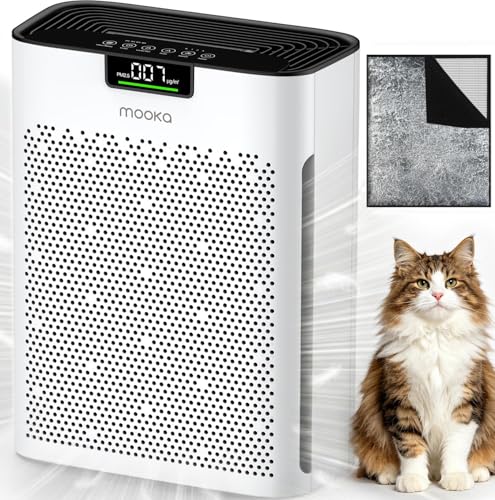
A price cap changes how you shop for an air purifier. Below $200 you can still get strong particle removal for a bedroom, a nursery, or a modest living room, but you have to spend the money on the right things: enough air flow for your room, a proper HEPA filter, and running costs you can live with. The best air purifier under 200 dollars for you depends mostly on room size and what you want it to remove.
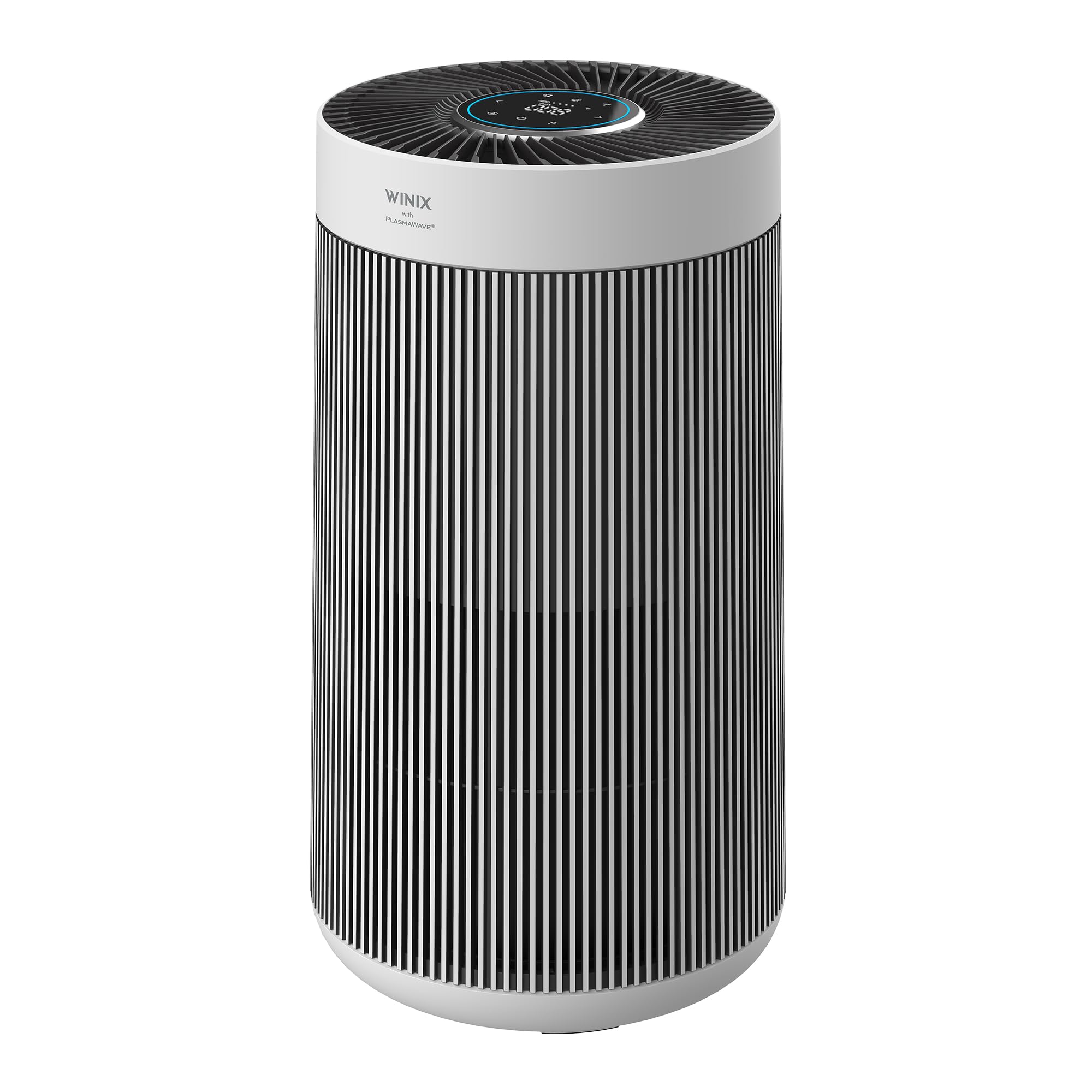
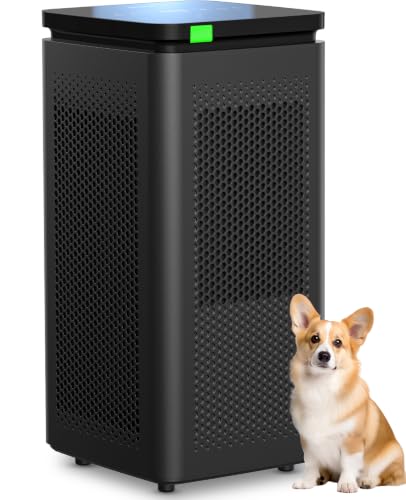
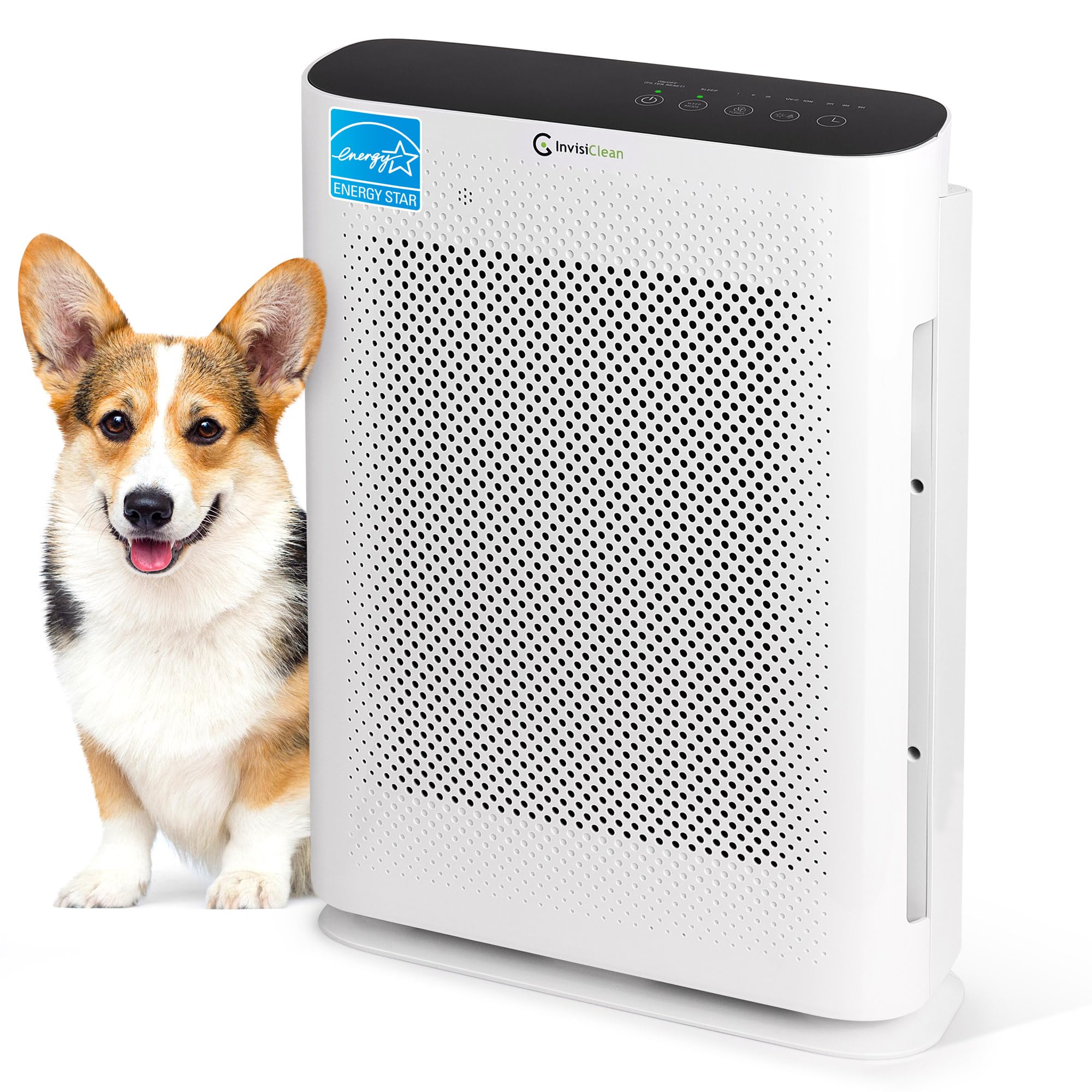
This guide walks through the types at this price, the specs that predict performance, and the trade offs a budget cap brings. Use the comparison table below to see how the main options differ, then read on for the sizing math and the filter costs that matter more than the sticker price.






Who Should Buy an Air Purifier Under $200?
Allergy and asthma households cleaning one main room
If pollen, dust, and dander collect in the room where you sleep or spend your evenings, a unit in this price band can usually cover that one space well. You do not need a whole house machine; you need a purifier rated for your room with a true HEPA filter and enough air flow to cycle the air several times an hour. If symptoms are severe or getting worse, treat the purifier as support only and talk with your clinician about your personal needs.
Pet owners in apartments and smaller homes
Pets add a steady load of hair, dander, and odor that a washable prefilter and a carbon stage handle well. At this price you can find models with a decent amount of carbon rather than a thin carbon sheet, which helps with litter box and dog smells. For more detail, see our guide to the best air purifier for pets.
Renters and anyone who cannot modify their space
A portable purifier needs no installation, no duct work, and no landlord approval, and it moves with you when you move. Under $200 you can cover the rooms you use most rather than the whole home. If you are weighing whether a purifier is the right appliance for your problem, our overview of the best air purifier options explains where this category helps most.
Types Compared at This Price
Compact tabletop and small tower units
The smallest models are built for desks, nightstands, and rooms of about 100 to 200 square feet. They are light, quiet, and cheap to run, and many cost well under $100. The trade off is air flow: their clean air delivery rate is low, so they suit a single small room and will not keep up in an open plan space.
Mid size tower and console units for bedrooms and living rooms
This is the sweet spot under $200. These floor standing units pull air through a larger filter and carry CADR ratings that handle rooms of roughly 250 to 450 square feet. You get multiple fan speeds, a sleep mode, and usually a filter change indicator. For most buyers, this is the type to start with.
Large room units near the top of the budget
A few models priced just under $200 push coverage toward 500 square feet or a bit more, with bigger filters and higher top fan speeds. The catch is noise at full power and pricier replacement filters. They suit a main living area, but check the filter cost before you buy, because a big filter replaced twice a year can erase the saving on the machine.
Key Features to Compare
CADR and what it tells you
CADR, the clean air delivery rate, measures how much filtered air a purifier delivers, and it is the single best predictor of real performance. Ratings are given separately for tobacco smoke, pollen, and dust, and higher numbers mean faster cleaning. AHAM, the Association of Home Appliance Manufacturers, verifies many of these ratings through its Verifide program, so a verified CADR is more trustworthy than a maker claim of rooms cleaned per hour. Compare CADR first, and treat vague coverage claims with caution.
True HEPA filtration and the carbon stage
A true HEPA filter captures 99.97 percent of particles down to 0.3 microns, which covers pollen, dust mite debris, mold spores, and pet dander. Terms such as HEPA type or HEPA style describe lesser filters that miss more of the smallest particles, so look for the words true HEPA. HEPA does nothing for gases and smells, which is where activated carbon comes in: a thick carbon bed adsorbs odors and many volatile organic compounds, while a thin carbon sheet gives up within weeks.
Noise levels for bedrooms
Makers list noise in decibels, as a range from the lowest to the highest fan speed. A sleep setting around 25 to 35 decibels is close to a quiet room and suits most sleepers, while top speeds can pass 55 decibels, roughly conversation level. A purifier only cleans at the speed you can tolerate, so a model that stays quiet on its middle setting may clean more overnight than a stronger unit you keep turning down.
Air quality sensors and auto mode
Many units under $200 include a particle sensor that estimates how dirty the air is and adjusts fan speed in auto mode. This saves energy and noise when the air is already clean, and it ramps the fan up when cooking, cleaning, or a pet stirs up dust. Sensor quality varies, and most sensors at this price read particles only, not gases, so treat the air quality light as a rough guide rather than a measurement.
Energy use and filter replacement cost
Most purifiers in this range draw about 30 to 60 watts on high and far less on low, so running one around the clock typically costs a modest amount each month. The bigger expense is filters: replacements commonly run about $30 to $70, and makers suggest changing them every 6 to 12 months. Add the filter price to the purchase price when you compare two models, because the cheaper machine is not always the cheaper machine to own.
Room Size and Coverage Ratings
Sizing is where most buyers go wrong, so use the AHAM guideline: the smoke CADR should be at least two thirds of the room area in square feet. A 300 square foot room therefore needs a smoke CADR of at least 200. That rating assumes the purifier cleans the room air about 4.8 times per hour, which suits smoke and fine particles.
Makers often advertise a much larger maximum room size based on only one or two air changes per hour. That number is fine for light dust control but too slow for allergy relief. Buy for the two thirds rule, and if your main concern is seasonal pollen, sizing one step up gives you headroom to run a lower, quieter speed. If mold is part of the problem, remember that a purifier only handles spores in the air; our guide to the best air purifier for mold explains the moisture fixes that have to come first.
What You Get and Give Up Under $200
At under $50 you get a small desktop unit for a tiny room, usually with a basic filter and little carbon. At under $100, coverage grows to a small bedroom with a true HEPA filter on many models. The step to under $200 buys the things that matter most: higher verified CADR, a real carbon stage, a particle sensor with auto mode, and quieter sleep settings. Above this budget you mostly pay for very large room coverage, sleeker controls, and app features.
What you give up at this price is whole house coverage, washable main filters on most models, and sensors that detect gases as well as particles. None of those gaps affects basic particle removal, which is why this budget works well for most homes. If your real problem is damp air rather than particles, compare the roles first in our air purifier vs humidifier breakdown, since the two appliances solve opposite issues.
Common Mistakes to Avoid
- Buying by advertised room size alone, which leaves the purifier too weak to cycle the air often enough for allergy relief.
- Choosing an ionic or ozone generating model, which can release ozone that irritates lungs; look for units that state they produce no ozone.
- Ignoring filter cost, so a bargain machine ends up costing more over two years than a pricier model with cheaper filters.
- Placing the unit in a corner or behind furniture, which blocks intake and outlet air and cuts real performance sharply.
- Running the purifier only when symptoms flare, which lets particles build back up between sessions and wastes the benefit.
- Expecting a HEPA purifier to fix odors, humidity, or a mold source, none of which a particle filter can solve on its own.
How to Make Your Air Purifier Last Longer
Vacuum or rinse the prefilter every few weeks, following the maker directions, because a clogged prefilter starves the main filter and makes the fan work harder. Keep the HEPA filter dry, since washing a standard HEPA filter ruins the fiber structure; only wash a filter the maker labels washable. Wipe the sensor lens gently every couple of months so auto mode keeps reading the air correctly.
Leave several inches of clear space around the intake and outlet, and run the unit on auto or a steady low speed rather than in short bursts. Note the date you install each filter, and replace it when the indicator lights or odor control clearly fades. If you are still unsure whether these machines deliver, the evidence summary at do air purifiers work is a useful read.
FAQ
Can you get a good air purifier for under $200?
Yes, for a single room of up to roughly 400 square feet, this budget covers a true HEPA filter, verified CADR, and a useful carbon stage. What you cannot get is whole house coverage or gas sensing. Buyers asking for the best air purifier under 200 get the same advice: size the CADR to the room and check filter prices first.
How long does an air purifier take to clean a room?
With a correctly sized unit, most airborne particles in a closed room drop sharply within the first 30 to 60 minutes, and the air cycles several times per hour after that. Opening doors, cooking, or vacuuming adds new particles, so the clock restarts each time the room is disturbed. Continuous running matters more than a fast first pass.
What size air purifier do I need for an open plan space?
Measure the full connected area, not just the part where you sit, because the purifier treats the whole air volume. High ceilings add volume too, so a room with 10 foot ceilings needs more capacity than the floor area suggests. If the two thirds rule points past what this budget offers, run two smaller units at opposite ends rather than one unit straining at full speed.
How often should you change an air purifier filter if you have allergies?
Follow the maker interval of about 6 to 12 months as a ceiling, and change sooner during heavy pollen season if symptoms return or the filter looks gray and loaded. Allergy focused buyers can find symptom specific guidance in our guide to the best air purifier for allergies. Never stretch a filter far past its interval to save money, because a loaded filter passes more particles and strains the motor.
Does an air purifier help with cooking smells?
Only the carbon stage helps, and only partly. A thick carbon bed can adsorb a share of cooking odors as air passes through, but it saturates faster when exposed to grease laden kitchen air. Keep the purifier out of the direct path of cooking steam, and use the range hood as your first defense; the purifier handles what lingers afterward.
Final Thoughts
Under $200 is a genuinely workable budget when you spend it on verified CADR, a true HEPA filter, and a carbon stage thick enough to matter. Size the unit with the two thirds rule, check the yearly filter cost before you commit, and run it steadily in the room where you spend the most time. The best air purifier under 200 dollars is the one matched to your room and your main concern, so compare the options in the product table above against those three checks and choose with confidence.