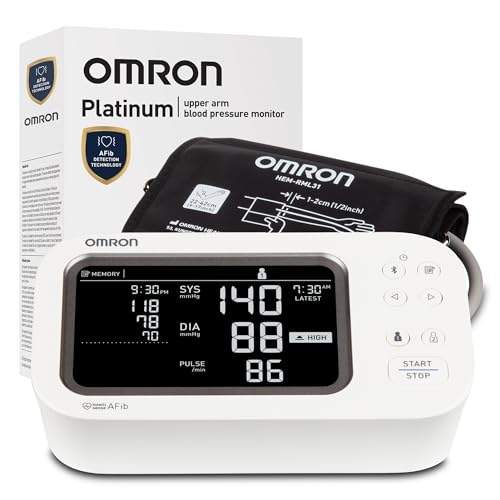
Best Blood Pressure Monitors for Small Arms: A First Time Guide for 2026
Disclosure: We may earn a commission when you buy through links on this page, at no extra cost to you. As an Amazon Associate I earn from qualifying purchases. Learn more

First time buyer? The best blood pressure monitors for small arms start with the right cuff range, validation, and a calm routine.
Buying your first home monitor is mostly a fitting exercise, and that is doubly true when your arm sits below the standard size range. The best blood pressure monitors for small arms are not a separate species of device. They are ordinary upper arm monitors paired with a cuff that actually matches a slimmer arm, sold by makers who state the cuff range in plain numbers.
This guide walks a first time buyer through the basics in order: what the device does, why cuff size decides accuracy, how to check validation, and how to set up a calm measuring routine. The product table collects the options in one place so you can match each one against your measured arm size.

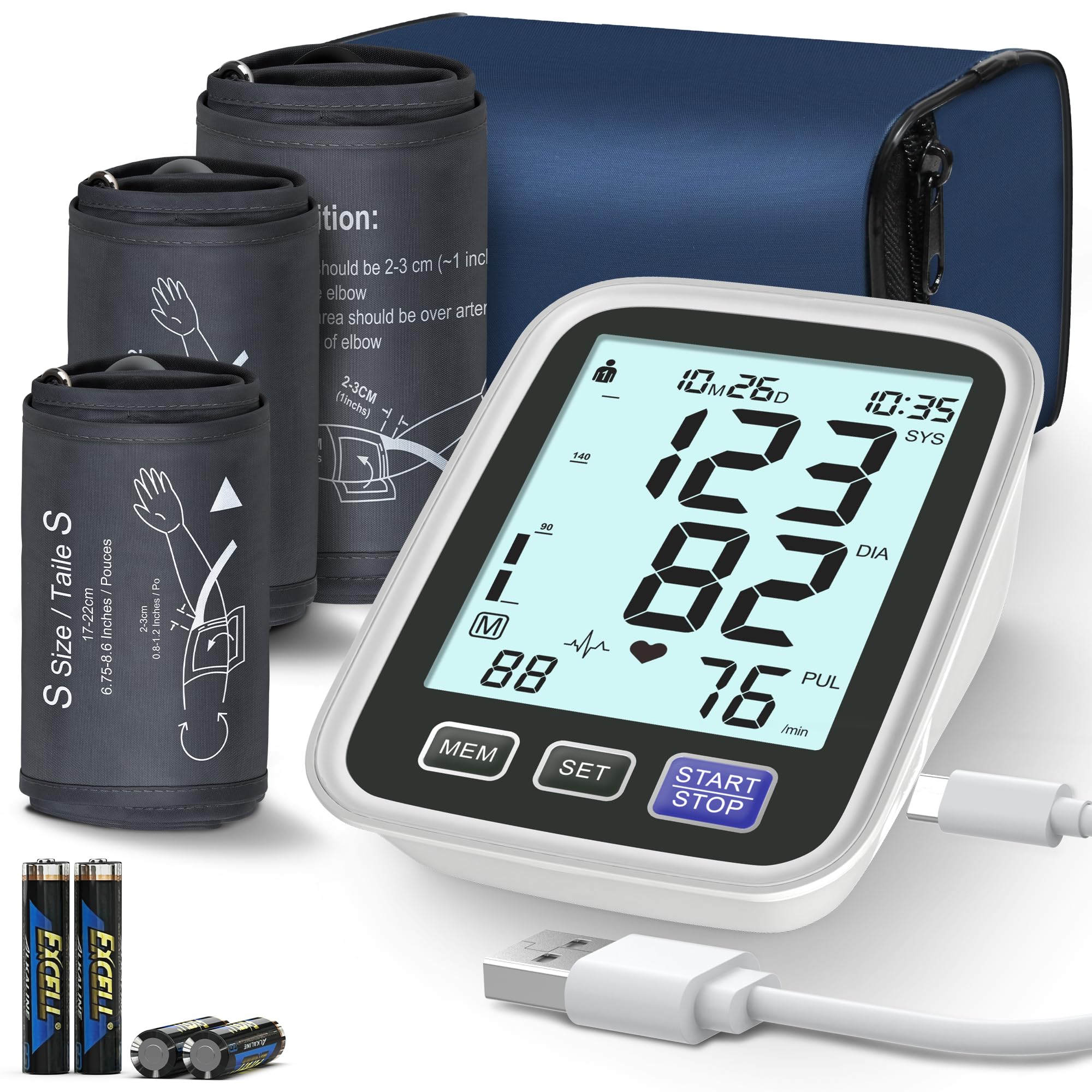

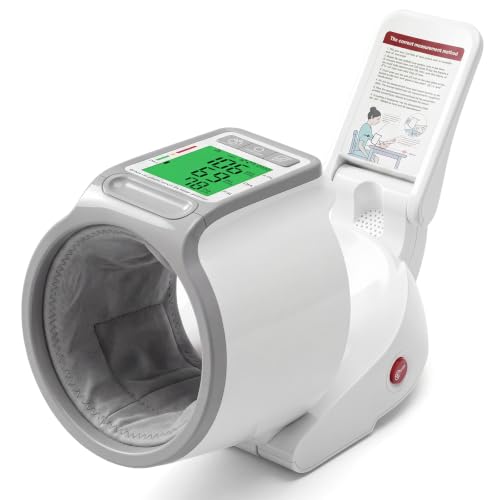
Blood Pressure Monitors 101: The Basics
A home blood pressure monitor is a measurement device, nothing more and nothing less. An inflatable cuff squeezes the upper arm gently, a sensor reads the pressure changes as the cuff deflates, and the unit reports two numbers plus your pulse. It does not diagnose anything, and a single reading is a snapshot, not a verdict about your health.
Before going further, one point belongs ahead of every price and feature in this guide. If a clinician has asked you to track your readings, bring the monitor or its exact cuff size to an appointment so the fit and the readings can be checked against office equipment. Sudden symptoms such as chest pain, severe breathlessness, or weakness are an emergency, not a reason to measure at home first.
Most home units fall into two families. Upper arm models wrap the cuff around the bare upper arm and are the style validation studies are built around, which is why guides to best arm blood pressure monitors start there. Wrist models are smaller and travel well, but their readings depend heavily on holding the wrist exactly at heart level.
Key Specs for the Best Blood Pressure Monitors for Small Arms
Features That Matter for Small Arms
A small arm changes the shopping list in one specific way: the cuff becomes the headline feature and everything else moves down a rank. Look for a stated cuff range that starts low, ideally around 17 cm, rather than a vague small to large label. A clear display, one button measuring, and an irregular heartbeat flag are worth having. Treat the flag as a note to mention at your next appointment, never as a finding on its own.
Measuring Your Arm and Picking the Cuff Range
Measure before you shop, because this single number decides which monitors can read you accurately at all. Wrap a soft tape around the midpoint of your upper arm, over bare skin, with the arm relaxed, and note the circumference. Small adult cuffs commonly cover about 17 to 22 cm, while many standard cuffs begin around 22 cm, so an arm under that line needs the smaller cuff class. Shoppers at the opposite end face the mirror image problem, covered in our guide to best blood pressure monitors for large arms.
Accuracy and Clinical Validation
Validation is the first filter, and it is a pass or fail one. A validated model has been evaluated against a published protocol on real arms, and independent registries list the models that passed. Start your shortlist there, and treat any model with no validation listing as unproven, however long its feature list runs. Star ratings are a weaker signal: lists of best recommended blood pressure monitors compress fit, comfort, and reliability into one score, so read them for patterns rather than verdicts.
Cuff Fit and Sensor Placement in Daily Use
Even the correct cuff size fails when it is wrapped badly. The cuff goes on bare skin, with its lower edge a short distance above the elbow crease and the marker line sitting over the inner arm. It should feel snug enough to stay put without sliding, and the tube should run down the inside of the arm. The full fitting case for this style is laid out in our guide to best upper arm blood pressure monitors.
Memory, Multi User Memory, and App Sync
Memory matters because clinicians read patterns, not single numbers. Many units store sixty or more readings per user, and two user memory lets two people share one device without mixing records. App sync moves the record to a phone, which makes showing a few weeks of readings at an appointment simple. Fully automatic inflation is now the norm in guides to best automatic blood pressure monitors, so the real choice is how the records are stored and shared.
What the Price Bands Change
Prices for validated upper arm monitors with a small cuff option generally run about $35 to $90. The lower band covers the measurement basics with a smaller display and single user memory. Higher prices buy a larger backlit screen, two user memory, app sync, and a cuff range printed in wider bands. None of that extra spending changes the core rule: a validated device with the right cuff outranks a costly device with the wrong one.
Rookie Mistakes to Avoid
- Buying by the word small on the box instead of the printed cuff range, then wrapping a standard cuff that overlaps itself and reads poorly.
- Measuring over a sleeve or with the cuff low on the arm, which shifts every reading in the same wrong direction.
- Talking, crossing the legs, or resting the arm below heart level during a reading, then treating the result as settled fact.
- Chasing one surprising number with repeated back to back measurements instead of resting and noting the circumstances.
- Skipping validation entirely and choosing by star ratings, bundle extras, or the lowest price on the page.
Getting Started: Setup and First Use
Setup takes minutes. Fit the batteries or adapter, connect the cuff tube until it seats firmly, and sit at a table where the arm can rest at heart level. For the first week, measure at the same times each day, morning and evening, after five quiet minutes seated. Write down anything unusual alongside the numbers, such as poor sleep or a rushed start, since context helps a clinician read the pattern.
Keep the manual routine as your routine. Feet flat, back supported, no talking, and no caffeine or exercise in the half hour before measuring all matter more than any app feature. If the same reading surprises you twice, that is a conversation for your clinician, not a reason to buy a second device.
Frequently Asked Questions
What features matter most in blood pressure monitors for small arms?
The cuff range matters most, because a monitor for a small arm is a fitting purchase before it is an electronics purchase. Confirm the printed range starts low enough for your measured arm, ideally near 17 cm. Next comes validation status, then a readable display and enough memory to hold a few weeks of readings. App sync and extra detection flags are pleasant additions, but none of them rescue a cuff that does not fit.
Wrist or upper arm: which is better for a small arm?
Upper arm models are the safer first purchase for a small arm. Validation studies are built around the upper arm, and slim upper arm cuffs are widely available in small ranges. Wrist units are compact and easy to travel with, yet their accuracy depends on holding the wrist steady at heart level every single time. If portability wins, choose a wrist model that appears on a validation registry and practice the position carefully.
How accurate are home blood pressure monitors?
Validated home monitors are accurate enough for tracking patterns when the cuff fits and the routine is calm and consistent. Accuracy is a chain: the right cuff size, bare skin, a supported arm at heart level, and a few quiet minutes before measuring. Break one link and the number drifts. That is why bringing your unit to an appointment once, to compare against office equipment, is worth the small effort.
Do I need a prescription to buy a blood pressure monitor?
No prescription is needed to buy a home blood pressure monitor. Anyone can order one, and the purchase itself is simple. What does need professional input is the interpretation: a clinician can confirm your cuff fit, compare your device with office readings, and tell you how often to measure and which patterns deserve a call. Think of the monitor as a notebook that collects numbers, and the clinician as the reader of that notebook.
How often should I check my blood pressure at home?
How often you check is a schedule your clinician should set, because it depends on why you are tracking. A common pattern is morning and evening sessions for a week before an appointment, with two readings a minute apart in each session. Measuring many times a day out of worry usually adds stress rather than information. If your clinician gives you a different rhythm, follow that one and record the readings with their dates and times.
Final Thoughts
For a first time buyer, the order of decisions is short: measure your arm, filter for validated models whose cuff range covers that measurement, then choose memory and display features inside that shortlist. The best blood pressure monitors for small arms are simply the validated ones that fit a slimmer arm honestly. Use the product table to compare cuff ranges side by side, and take your shortlist to your clinician before you settle into a routine.