Best Arm Blood Pressure Monitors for 2026: A Practical Checklist
Disclosure: We may earn a commission when you buy through links on this page, at no extra cost to you. As an Amazon Associate I earn from qualifying purchases. Learn more

Best arm blood pressure monitors start with cuff fit. Compare accuracy checks, memory, display, and power to choose an upper arm model for your routine.
If you are shopping for best arm blood pressure monitors, the most useful approach is a checklist, not a search for one perfect device. Upper arm models can look alike, yet they differ in cuff size, validation, memory, display clarity, and power options. A model that fits well and is easy to use correctly will give you more useful readings than a feature packed model that is hard to position. This guide walks through each factor in plain language.
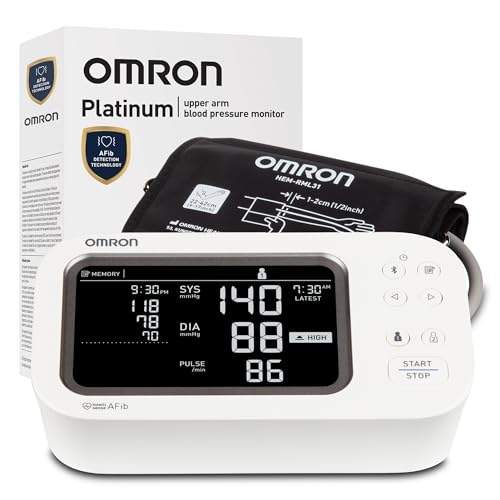
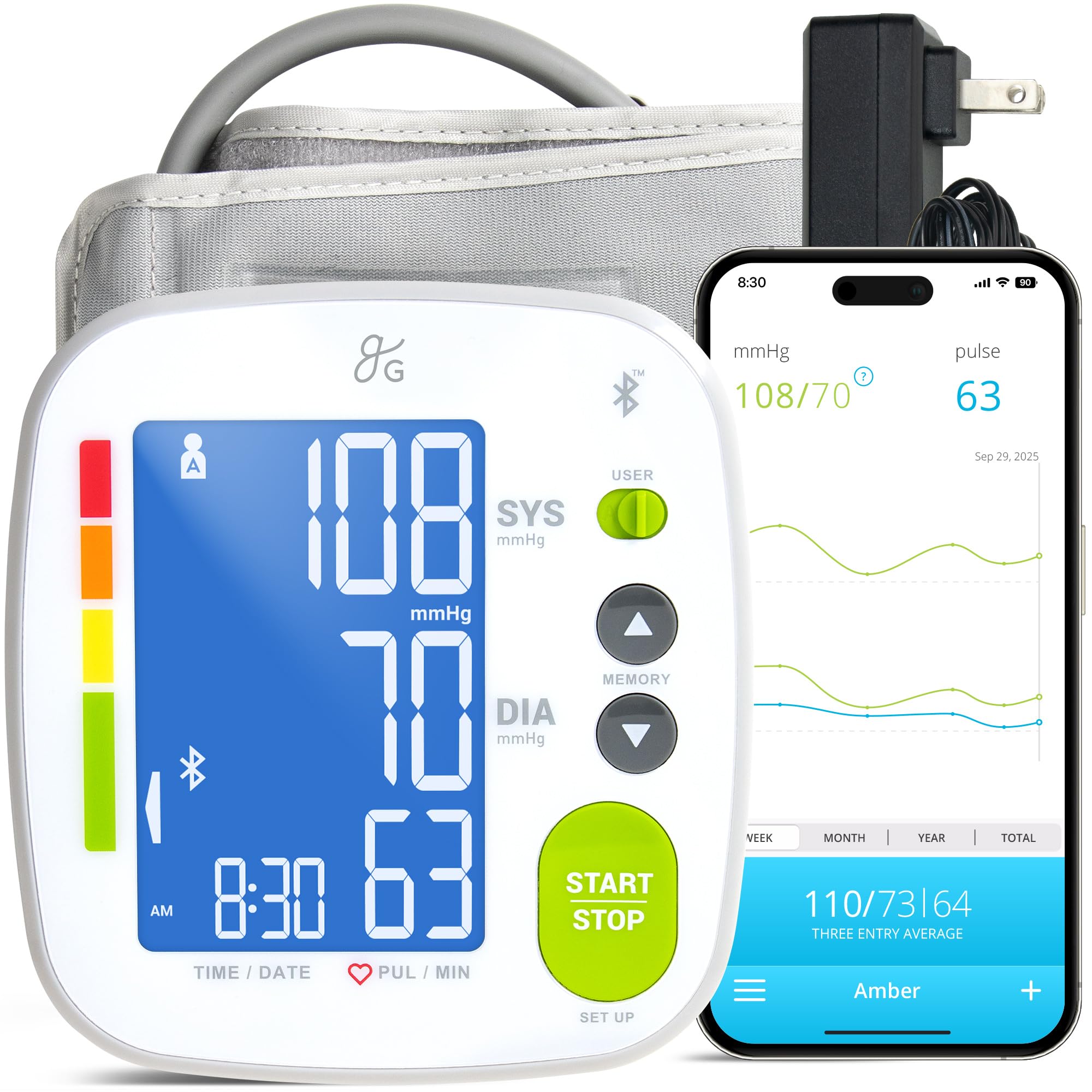
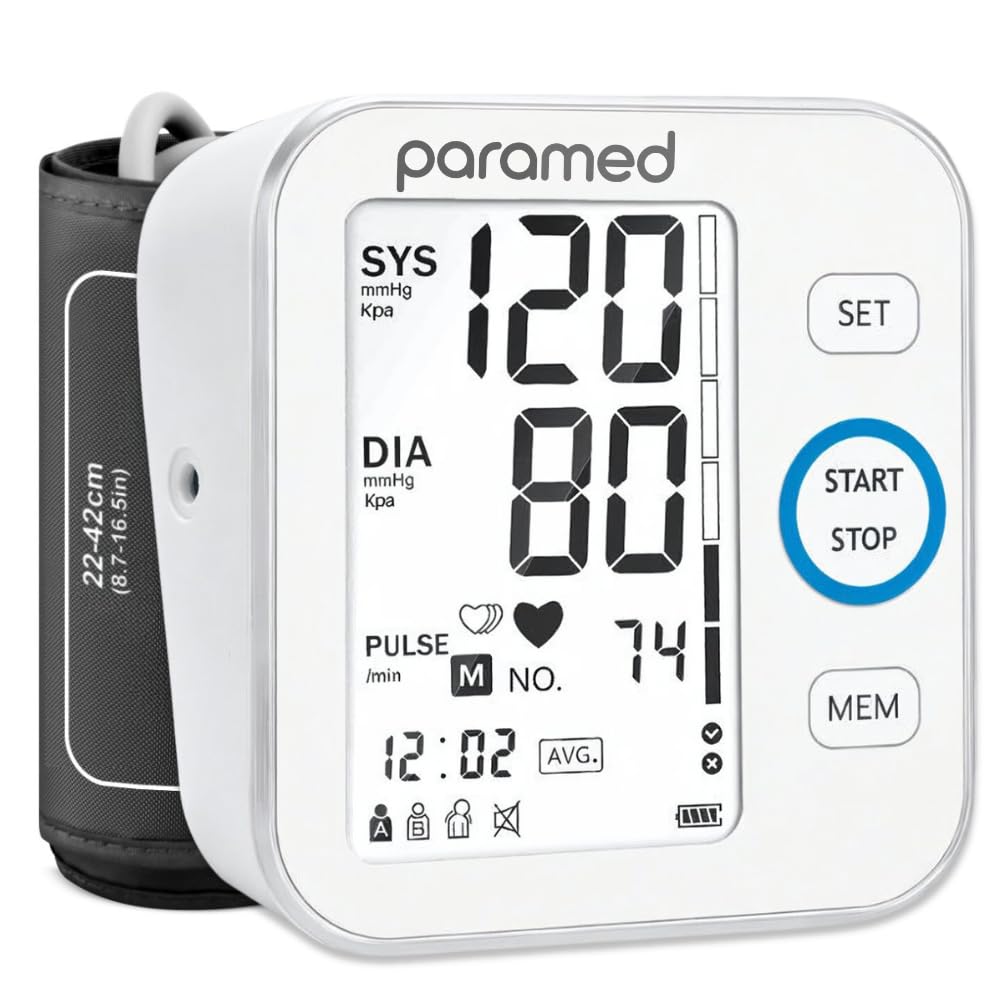
The product table gives a quick overview of the picks, and the sections that follow explain how to judge accuracy, fit, and daily use. Keep in mind that home readings are estimates, not medical measurements. If you have persistent concerns, unusual readings, or a heart condition, talk with your doctor about what your results mean for you.



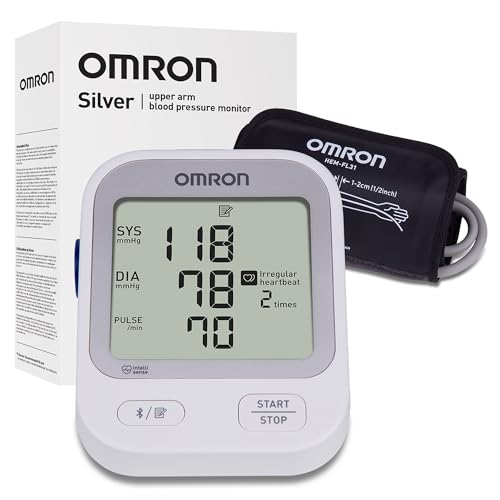


Who Should Buy Which Arm Monitor?
Different buyers need different strengths, so start with your routine rather than with a long feature list. The groups below cover most home users, and each one points to the factors that matter most for that situation.
People Tracking Readings for Doctor Visits
If you take readings to share at appointments, memory and app sync matter more than extras. Look for a model that stores dated readings for at least one user, shows an average over several days, and lets you export or show results easily. A clear display and a simple start button also help you keep a steady routine, which matters more than a large number of stored readings you never review.
People With Larger or Smaller Arms
Arm size shapes accuracy more than most buyers expect, because a cuff that is too tight or too loose can skew results. Measure around the middle of your upper arm and compare that number with the cuff range listed by the maker, rather than guessing from clothing size. For a wider view of upper arm options, see our guide to best upper arm blood pressure monitors and check whether the included cuff covers your measurement. If your arm falls near the edge of a range, a model with a wider cuff option is usually the safer choice.
Shared Households and Travelers
Shared use calls for separate memory slots or separate user profiles, so one person's readings do not mix with another person's results. Travelers, by contrast, benefit from a compact cuff, battery power, and a case that protects the cuff from creasing. In both cases, keep the routine simple. A monitor that is easy to pack, set up, and read is more likely to be used regularly than a larger model with features you rarely touch.
Key Features to Compare
Use the factors below as a scoring sheet. A strong model does not need to win every category, but it should do well on accuracy, fit, and ease of use, since those three affect every reading you take.
Accuracy and Clinical Validation
Validation means an independent protocol checked the device against a reference standard, and it is a stronger signal than marketing language about precision. Look for wording about clinical validation and clearance from a recognized regulator, and be wary of vague claims that give no protocol or source. Validation does not guarantee a correct reading on every attempt, because cuff position, posture, and movement still matter. It does mean the design has met a defined protocol, which is a useful starting point.
Cuff Fit and Size
Cuff fit is often the deciding factor, and it deserves a careful measurement before you buy. Wrap a soft tape around your upper arm at its midpoint, midway between shoulder and elbow, and note the number in inches or centimeters. Compare that number with the maker's stated range, and favor a cuff that places your measurement near the middle of its range. For a closer look at size options, see our guide to best blood pressure monitors for large arms or our guide to best blood pressure monitors for small arms, depending on your measurement.
Memory, Multi User Support, and App Sync
Memory turns isolated readings into a trend, which is what most doctors want to see. A basic model may store 30 to 60 readings, while larger models store several hundred and split them by user. App sync can add charts, averages, and easy sharing, but it also adds setup steps and privacy settings to review. Choose the simplest memory system you will actually use, since a clear on device average beats a long list of connected features if you never open an app.
Ease of Use and Display
Display clarity matters most for older adults, people with low vision, and anyone taking a reading in dim morning light. Large digits, a backlit screen, and a small number of buttons reduce errors and make the routine easier to repeat. Some models add voice prompts or color indicators that flag high readings, but those aids should never replace a conversation with your doctor. Check the button layout before buying, since a model whose steps you cannot picture clearly may be too complex for daily use.
Power and Portability
Most upper arm models run on batteries, a plug in adapter, or both, and each option suits a different routine. Batteries keep the monitor portable for travel and for use away from an outlet, while an adapter avoids the cost and hassle of replacements at home. Check whether an adapter is included or sold separately, since that detail affects the true cost. A compact cuff that folds flat also helps for travel, but avoid creasing the cuff sharply, since damage can affect fit over time.
Comfort and Safety Features
Comfort affects whether you sit still long enough for a steady reading. A cuff that inflates smoothly and releases without a sudden squeeze is easier to tolerate, especially if you take readings twice a day. Useful features include automatic shut off, which saves battery power, and an irregular heartbeat indicator, which flags a pattern worth mentioning to your doctor rather than diagnosing a condition. If you notice chest pain, severe shortness of breath, or other urgent symptoms, seek urgent care right away instead of relying on a home device.
Warranty and Customer Support
Warranty length and support access matter because cuffs wear out and screens can fail with daily use. A warranty of about one to two years is common, and longer coverage can be worth a modest price increase if you plan daily use. Check whether the cuff is covered separately, since it is the part most likely to need replacement. Also confirm how to reach support, whether by phone, email, or chat, and whether replacement cuffs are easy to order for your exact model.
Quick Buyer Checklist
Run through these questions before you order, and answer each one with a yes or a no. A model that earns mostly yes answers is likely a good fit for your arm and routine.
- Does the included cuff range cover your measured arm size with room to spare?
- Is the device clinically validated, with a clear protocol or regulator clearance stated by the maker?
- Can you read the display easily in the light where you will take readings?
- Does the memory system match how you track results, on the device, in an app, or both?
- Is the power source practical for your home and for travel, with an adapter included if you need one?
- Are replacement cuffs available for your exact model at a reasonable cost?
- Does the warranty cover the cuff and the main unit for a period you are comfortable with?
- Can you picture each step of a reading, from cuff placement to result, without confusion?
Red Flags to Watch For
Be cautious with listings that promise exact accuracy, use vague validation language, or hide the cuff size range. A missing cuff range is a serious gap, since fit is central to accuracy. Very short warranties, no clear maker contact, and replacement cuffs that are hard to find are also warning signs. Treat listings with unusual review patterns with extra care, and avoid any device that suggests it can diagnose, treat, or replace medical care.
How to Make Your Arm Monitor Last Longer
Care starts with the cuff, so store it flat or loosely rolled and keep it away from sharp folds, heat, and moisture. Wipe the cuff and unit with a dry or lightly damp cloth as the maker directs, and never soak the cuff unless the manual clearly allows it.
Follow the manual routine, measure at the same time each day when possible, and share readings with your healthcare provider, replacing the cuff when it no longer fits snugly or gives inconsistent results. For a broader look at hands free operation, see our guide to best automatic blood pressure monitors and compare its inflation and memory options with the model you are considering.
Best Arm Blood Pressure Monitors: Your Questions Answered
Is a Wrist Model or an Upper Arm Model Better?
Upper arm models are generally preferred for home tracking because the cuff sits at heart level more naturally and is less sensitive to small wrist movements. Wrist models can be useful for travel or for people who cannot fit an upper arm cuff, but they need careful positioning at heart height to be reliable. If you are curious, see our guide to best wrist blood pressure monitors, and follow the positioning guide closely if you choose one. For most buyers, an upper arm model is the simpler and more consistent starting point.
How Accurate Are Home Devices?
A validated home device can give useful trend information when used correctly, but no home device is exact on every reading. Accuracy depends on cuff fit, arm position, rest before measuring, and whether you talk or move during the reading. Rest for a few minutes, sit with your back supported and feet flat, and keep your arm supported at heart level. If readings vary widely or concern you, bring the device to an appointment and ask your doctor to check your technique and compare results.
How Often Should You Check Readings?
Frequency depends on your health situation, so follow your doctor's advice rather than a fixed rule from a product page. Many people take two readings in the morning and two in the evening for a week before an appointment, then less often once a pattern is clear. Taking readings too often can create anxiety without adding useful information, especially if single results bounce around. A short, consistent log with dates and times is more helpful to a doctor than a long list of random measurements.
Do You Need a Prescription for a Home Monitor?
Most home arm monitors are sold without a prescription, and you can buy one directly for personal tracking. A prescription is not usually required, but a doctor's guidance is still valuable, especially if you have a heart condition, an irregular heartbeat, or readings that stay high. Your doctor can advise on cuff size, target ranges for you personally, and how often to check. If cost is a barrier, ask about community programs or coverage options before settling for a model with an unclear cuff range.
What Should You Do About an Irregular Heartbeat Alert?
An irregular heartbeat indicator is a prompt to talk with your doctor, not a diagnosis on its own. Note the date, time, and any symptoms you felt, such as dizziness or palpitations, and share that log at your next visit. Do not adjust medication based on a home alert, and seek urgent care if you have chest pain, severe breathlessness, fainting, or other serious symptoms. A doctor can decide whether further testing is needed and whether your monitor is the right tool for your situation.
Final Thoughts
The best choice balances validation, cuff fit, and a routine you can repeat without frustration. Start with your arm measurement, then favor a validated model with a clear display and a memory system you will actually use. Compare the product table above once more, check replacement cuff availability, and confirm the warranty before ordering. With that checklist in hand, best arm blood pressure monitors become easier to compare, and you can choose a model that supports steady tracking and useful conversations with your doctor.