Best Affordable Blood Pressure Monitors in 2026: What Your Money Really Gets You at Every Price
Disclosure: We may earn a commission when you buy through links on this page, at no extra cost to you. As an Amazon Associate I earn from qualifying purchases. Learn more

Compare the best affordable blood pressure monitors by price tier, cuff fit, validation, memory, and app sync so your home log stays useful to your clinician.
Home monitors range from under twenty dollars to well past one hundred, and the gap is not about the reading. The best affordable blood pressure monitors share the same core job: a cuff, a sensor, and a screen. What extra money buys is fit range, memory, and convenience, not a different kind of truth.
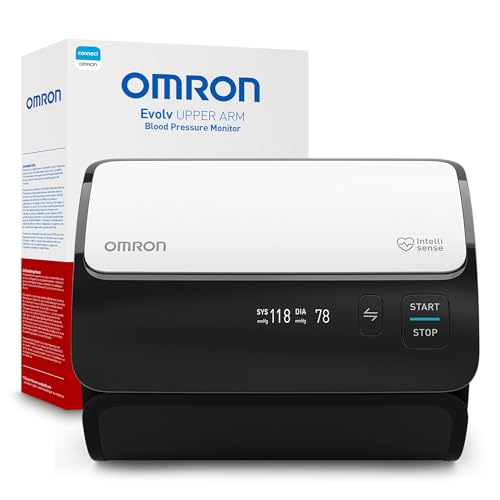
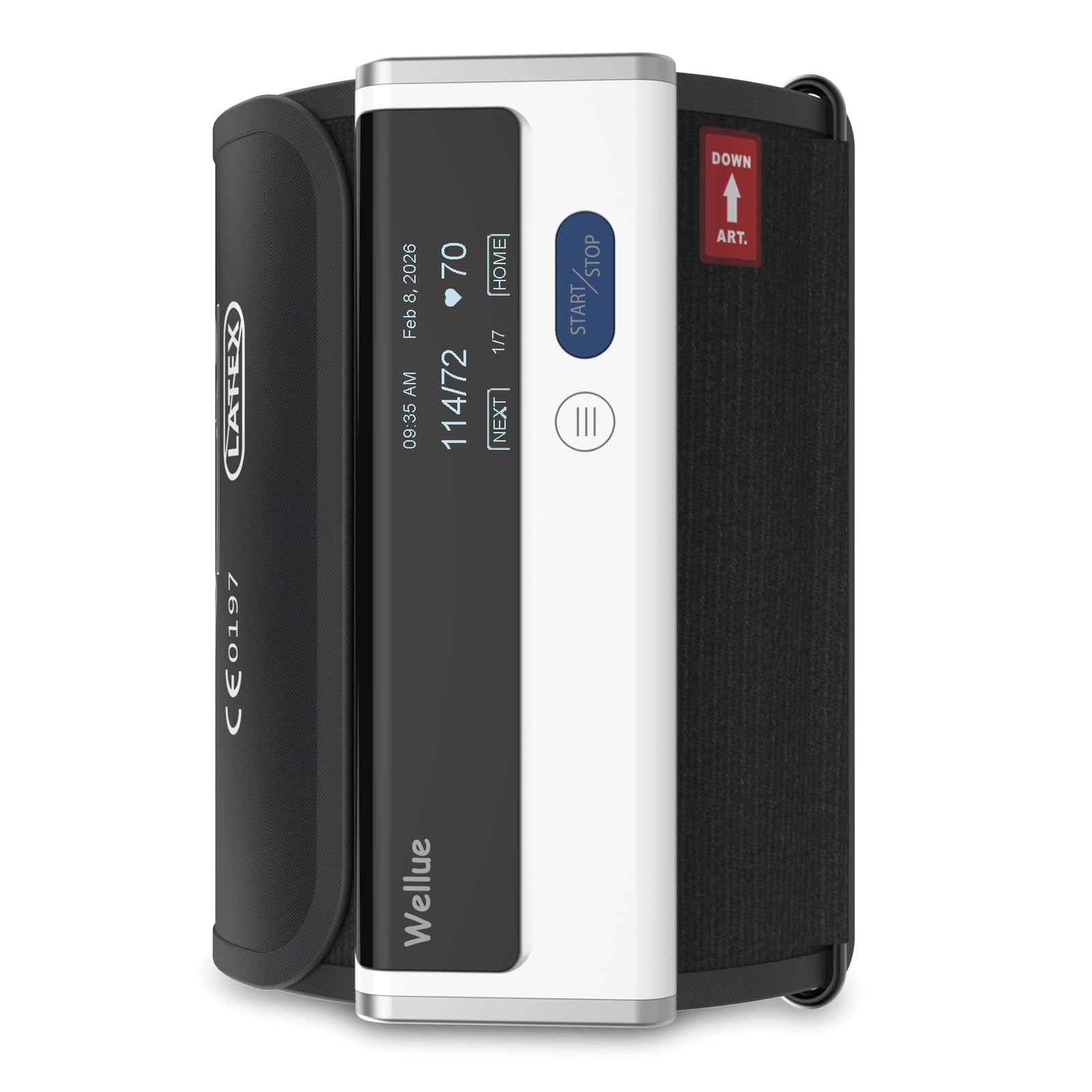
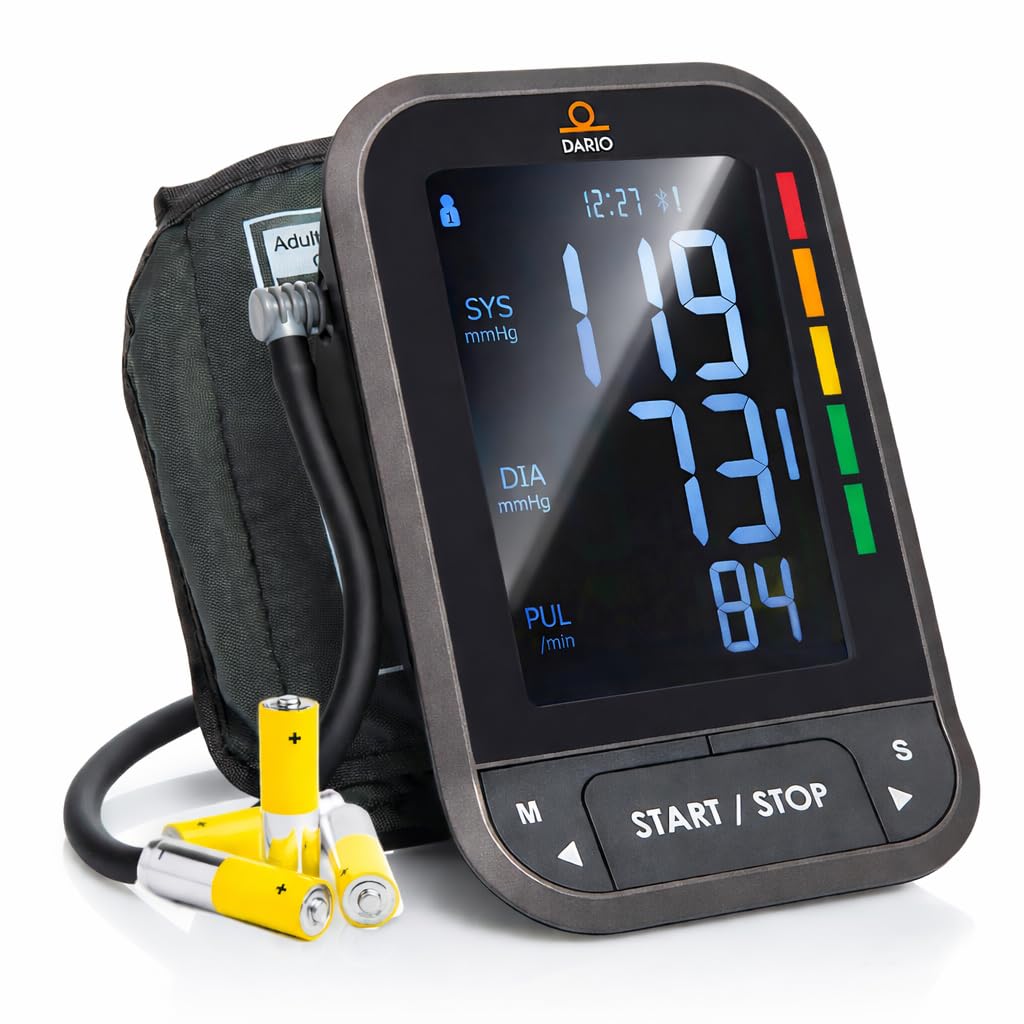
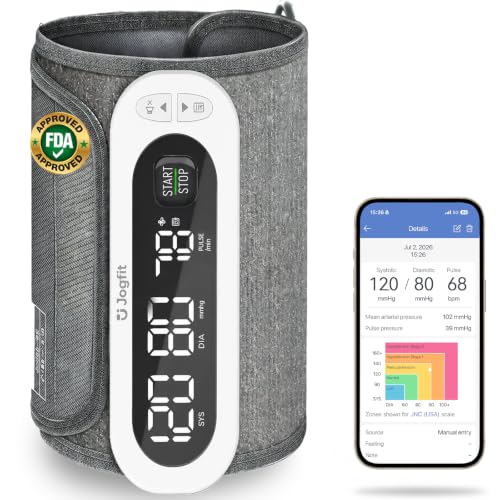
This guide explains what each price tier actually delivers, which features protect accuracy, and which ones you can skip without losing anything that matters. The product table lines up current picks so you can compare them side by side.



Read This Before You Look at Any Price
Three facts matter more than any feature list, and they cost nothing. Settling them first keeps the picks in the table in the right order.
A Monitor Reports Numbers, It Does Not Diagnose
A home monitor is a measurement device. It reports the pressure in your arm at one moment, and it cannot say what those numbers mean for your health. Diagnosis belongs to a clinician who sees repeated readings over time and your history. Treat every home reading as one line in a log, not as a verdict, and never change medication or treatment because of a single result on a home screen.
Validation Is the First Filter, Not an Extra
Validated device classes have passed independent accuracy checks, and medical associations publish registries of the models that qualify. Regulatory clearance is a separate check that a device may be sold for home use. An affordable model from a validated class is a sound purchase, while an unvalidated class is a guess with a screen, whatever its feature list says. Check validation status before comparing memory or app features, because no extra feature repairs a reading you cannot trust.
Cuff Size Decides Accuracy More Than Electronics Do
The cuff is the part that actually measures, and its size class decides whether the number can be right. A cuff that is too small for your arm reads falsely in one direction, and one that is too large reads falsely in the other. Measure around the middle of your upper arm and match that figure to the cuff class range. Most affordable models ship with a wide range cuff, but arms at either end of the scale need a specific size.
Bring the Log to Your Clinician
Home readings earn their keep as a log you hand to a clinician, who can spot patterns that single readings hide and decide what your personal targets should be. Keep the log honest: same arm, similar times, no editing out results you dislike. Seek care promptly if you have symptoms such as chest pain, breathlessness, vision changes, or severe headache, or a reading far above your usual range.
What the Best Affordable Blood Pressure Monitors Offer at Each Price Tier
Budget Tier: Sound Basics With Fewer Extras
At about $20 to $40, expect a validated upper arm device class with a standard wide range cuff, a clear screen, and a small memory holding the last few dozen readings for one user. Inflation is automatic, and most run on batteries alone with no adapter in the box. This tier suits one person building a simple log on a clinician request. What you give up is storage depth, a second profile, and app sync, none of which change the reading.
Midrange Tier: Where Most Home Users Land
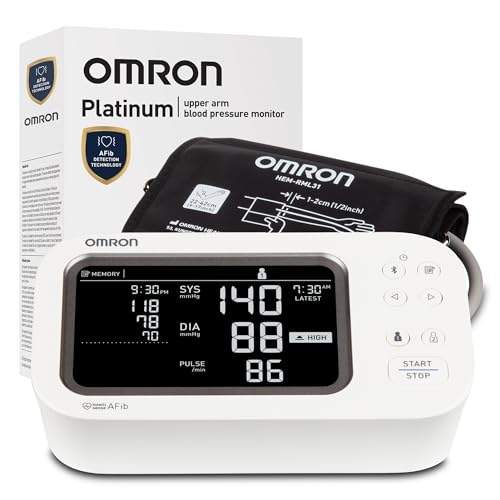
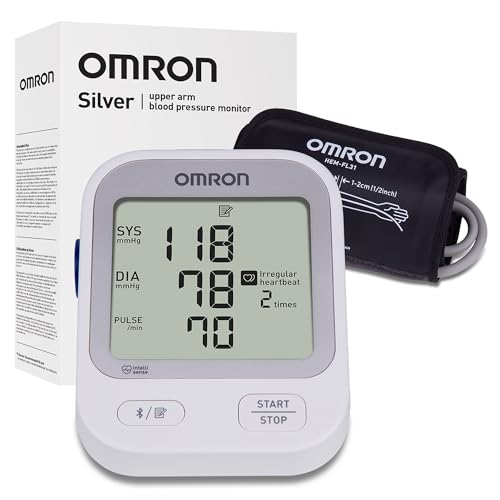
At about $40 to $70, memory grows to hold months of readings, two user profiles keep partners apart, and screens get larger with backlighting. Many models add an irregular heartbeat flag during measurement, morning and evening averaging, and an adapter alongside batteries. For most households this is the sensible ceiling, because the extras all serve the log: more stored readings and averages a clinician can scan quickly.
Premium Tier: Convenience for Frequent Logging
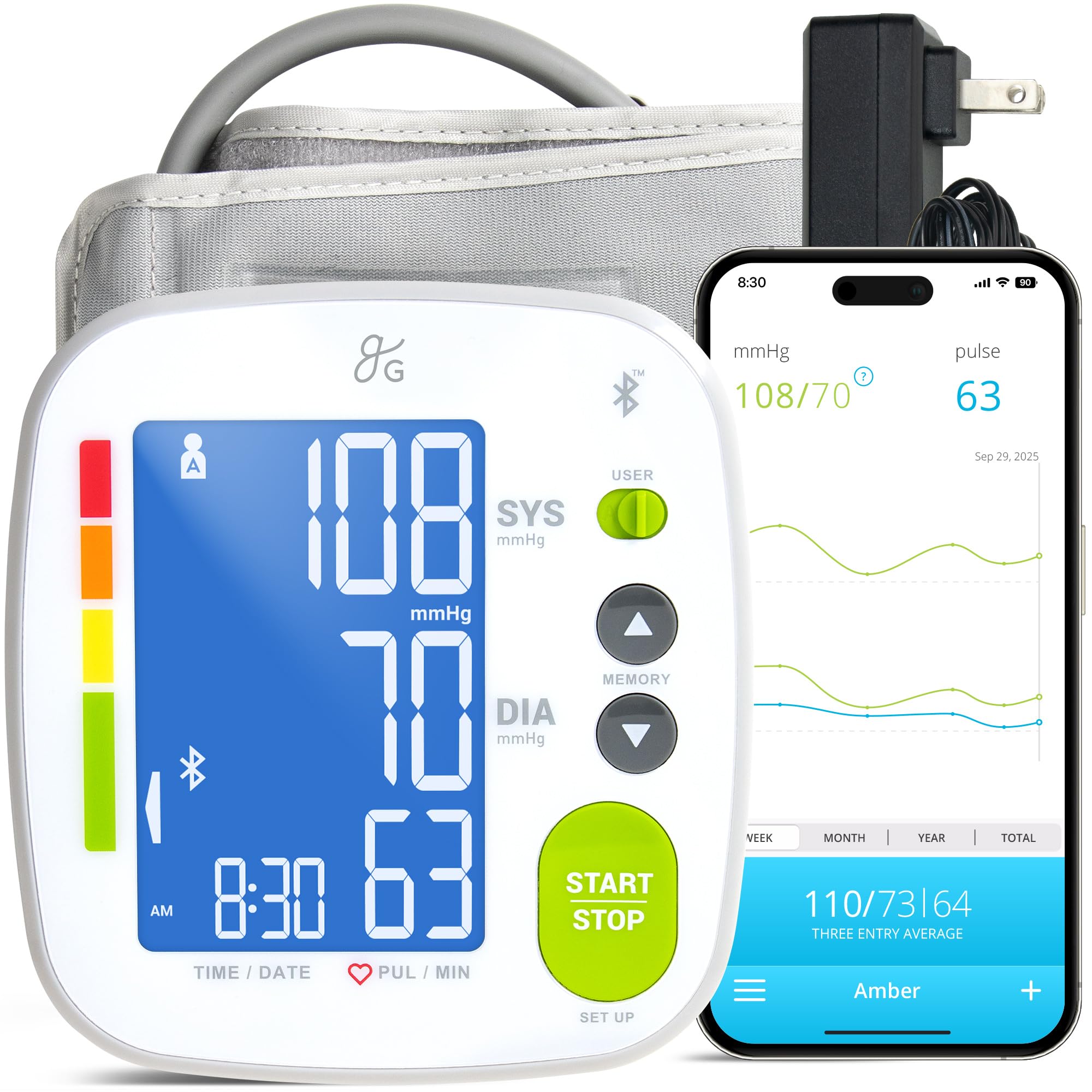
At about $70 to $120, the additions are about friction, not accuracy. App sync moves readings to a phone automatically, some classes recharge instead of using replaceable batteries, and cuff designs get easier to wrap one handed. Pay this much only if you measure often and manual logging is where you fall behind, because a validated budget device used consistently beats a premium one left in a drawer.
Features Worth Paying For (and Ones to Skip)
Ease of Use and Display
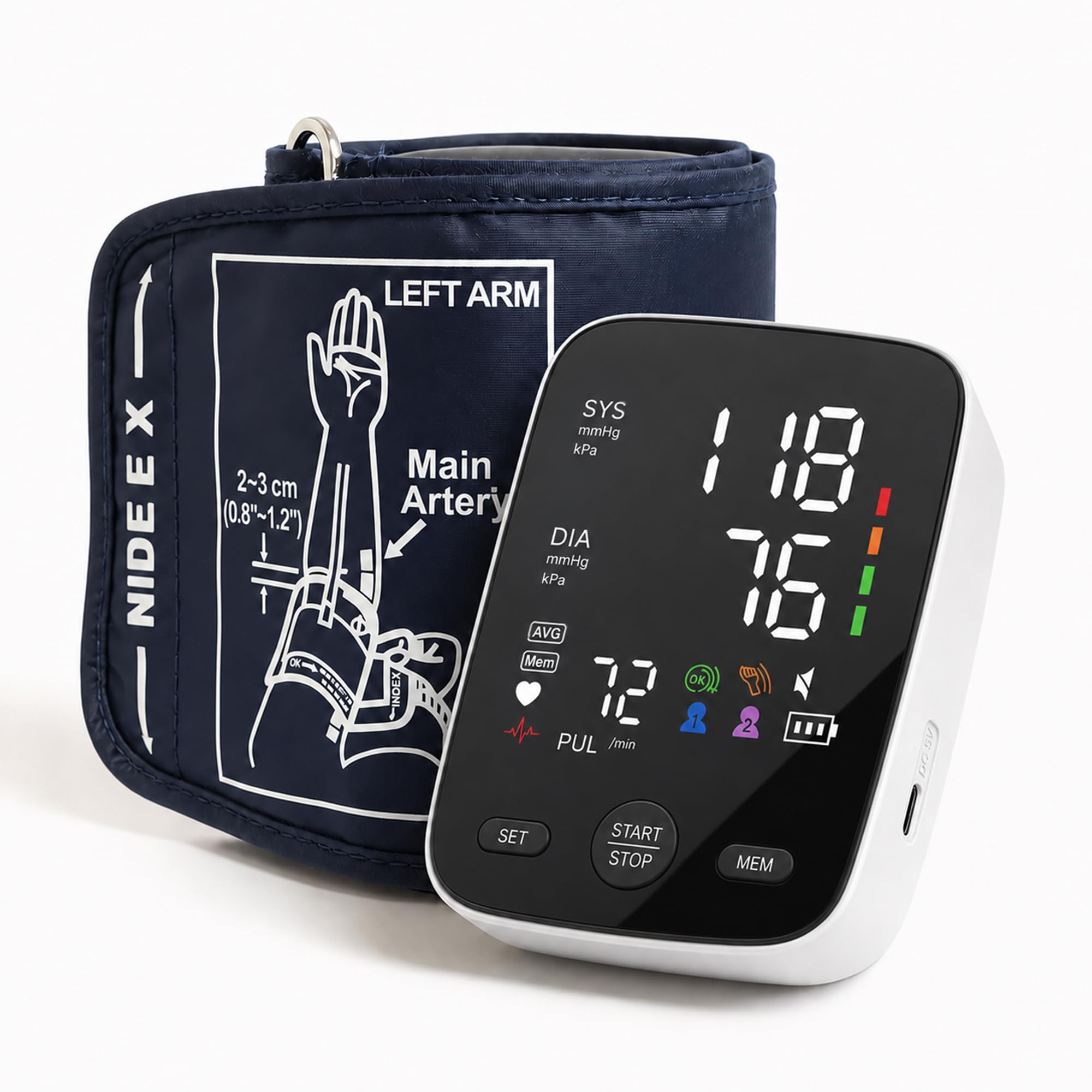
A large screen with tall digits, one button start, and a cuff that is easy to wrap matter every session. Nearly every current home model belongs to the class covered in our guide to the best automatic blood pressure monitors, where the cuff inflates and deflates on its own, so your effort goes into sitting correctly instead of pumping. Voice readout and color coded displays are pleasant extras, but they add cost without accuracy and are the first things to skip on a tight budget.
Accuracy and Clinical Validation in Practice
Beyond the registry check, look for an irregular heartbeat indicator that flags a disturbed rhythm during measurement as a note for your clinician, not as a finding. Buyer ratings and roundups of the best recommended blood pressure monitors reflect buyer satisfaction, not clinical validation, so treat them as a starting point rather than proof of accuracy. Averaging modes that combine consecutive readings are genuinely useful, because single readings bounce around and an average is a steadier line in the log.
Memory, Multiple Users, and App Sync
Memory is what turns scattered checks into a log, so buy enough of it. A single user who measures twice a day fills a small memory in weeks, while sixty to one hundred stored readings per user covers the stretch between appointments. App sync removes the copying step and makes sharing easy, but a paper notebook kept faithfully does the same job for free. Skip cloud accounts and subscription extras entirely, since your readings should stay readable without a monthly fee.
Power and Portability
Most affordable models run on four AA batteries, and a set typically lasts through months of daily use. An included wall adapter is worth a few dollars if the monitor will live on one table, since it removes battery worries before a session. If readings need to happen at work or while travelling, the compact classes in our guide to the best portable blood pressure monitors pack into a case with room for the cuff, though the cuff must still match your arm.
Upper Arm, Wrist, and Watch Methods
Upper arm measurement is the class clinicians ask for in home logs, and the range covered by the best arm blood pressure monitors is where affordable validated choices concentrate. Wrist models, such as those in our guide to the best wrist blood pressure monitors, are smaller, but their readings depend heavily on holding the wrist exactly at heart level, which is hard to repeat. The best blood pressure monitor watches estimate pressure at the wrist without a cuff at all, which is an estimation method rather than a cuff measurement and cannot stand in for one in a clinical log.
Long Term Costs to Factor In
The purchase price is most of the story, but not all of it. A replacement cuff in the correct size costs about $10 to $25 when the original wears or your arm changes size, and using the wrong size to save that money quietly damages every reading. Batteries add a few dollars a year, and bladders wear out after a few years of daily use. Warranty classes on affordable models usually run one to five years, so weigh a longer warranty against a lower price when two models otherwise match.
Frequently Asked Questions
How often should blood pressure be checked at home?
How often depends on what your clinician asks for, so follow that instruction first. A common pattern is pairs of readings, one minute apart, morning and evening over several days before an appointment, with the first day set aside. Whatever the schedule, consistency is what makes the log useful: same arm, similar times, and every result written down, including the ones you expected to be better.
Is a prescription needed to buy a home blood pressure monitor?
No prescription is needed, because home monitors are sold over the counter like thermometers. Buying one is the easy part, and using it on a schedule your clinician sets is where the value sits. One cost point worth knowing: some insurance plans and health savings accounts treat a monitor as an eligible expense when a clinician recommends it, and rules vary widely, so ask your plan before assuming a receipt can be claimed back.
Can a home blood pressure monitor tell me whether my blood pressure is healthy?
No, and any article or device that claims otherwise is overstepping. A monitor reports numbers only, and what those numbers mean depends on your age, history, medicines, and overall health, which is a judgement only your clinician can make after seeing repeated readings. Population guidelines exist, but personal targets differ from them for many people. The right response to a worrying number is to bring your log to a clinician, not to search for a threshold online.
How accurate are affordable home blood pressure monitors?
A validated affordable model, used correctly, is accurate enough for the home logs clinicians rely on, and price alone does not separate accurate devices from poor ones. Technique decides more than tier: sit quietly for five minutes first, back supported, feet flat on the floor, arm resting so the cuff sits at heart level, and no talking during the reading. Take cuff size seriously too, since a mismatched cuff can shift a result either way no matter how careful the rest of your routine is.
Should a home blood pressure monitor be brought to a medical appointment?
Yes, bringing the device itself is a useful habit. Many clinics will take a reading with your monitor and one with the office device on the same arm, minutes apart, showing whether your unit tracks the office device closely enough to trust. Bring the log as well, on paper or on your phone. If the two devices disagree by a wide margin more than once, that is a reason to replace the home unit, not to average the two numbers together.
Final Thoughts
Affordable and trustworthy are not opposites in this category, as long as validation and cuff fit lead the decision. Choose a validated upper arm class, match the cuff to your arm, and buy only the memory and convenience extras your routine will use. Every tier among the picks in the table can serve a home log well when those two filters come first. For most households, the best affordable blood pressure monitors are simply the validated ones that get used on schedule.