Best Blood Pressure Monitors for Large Arms: Complete Buying Guide
Disclosure: We may earn a commission when you buy through links on this page, at no extra cost to you. As an Amazon Associate I earn from qualifying purchases. Learn more

Best blood pressure monitors for large arms: how to size your cuff, check accuracy and choose display, memory and app features for home use.
Finding the best blood pressure monitors for large arms starts with one detail that matters more than any other feature: cuff fit. A cuff that is too small can squeeze the arm unevenly and give readings that do not reflect your usual level, while a cuff that is too large can sit loosely and shift during a measurement. The product table gives you a quick way to compare the picks side by side before you read the detail that follows.
This guide explains how to measure your arm, what size range to look for, how to judge accuracy claims, and which everyday features make regular checks easier. It does not diagnose any condition or replace advice from your doctor. Home readings are estimates that help you and your doctor see a pattern over time, and any reading that worries you is worth discussing promptly with your doctor.


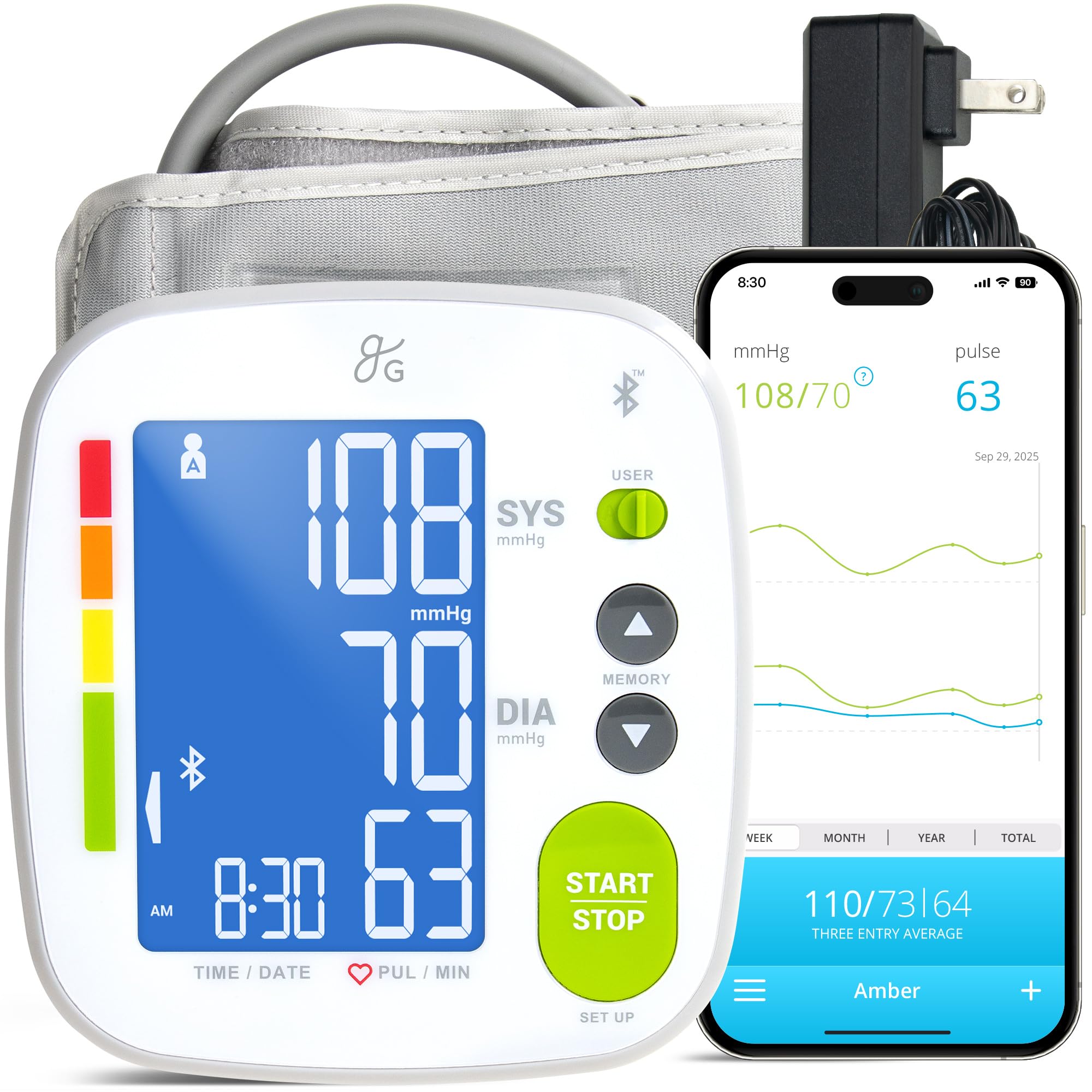

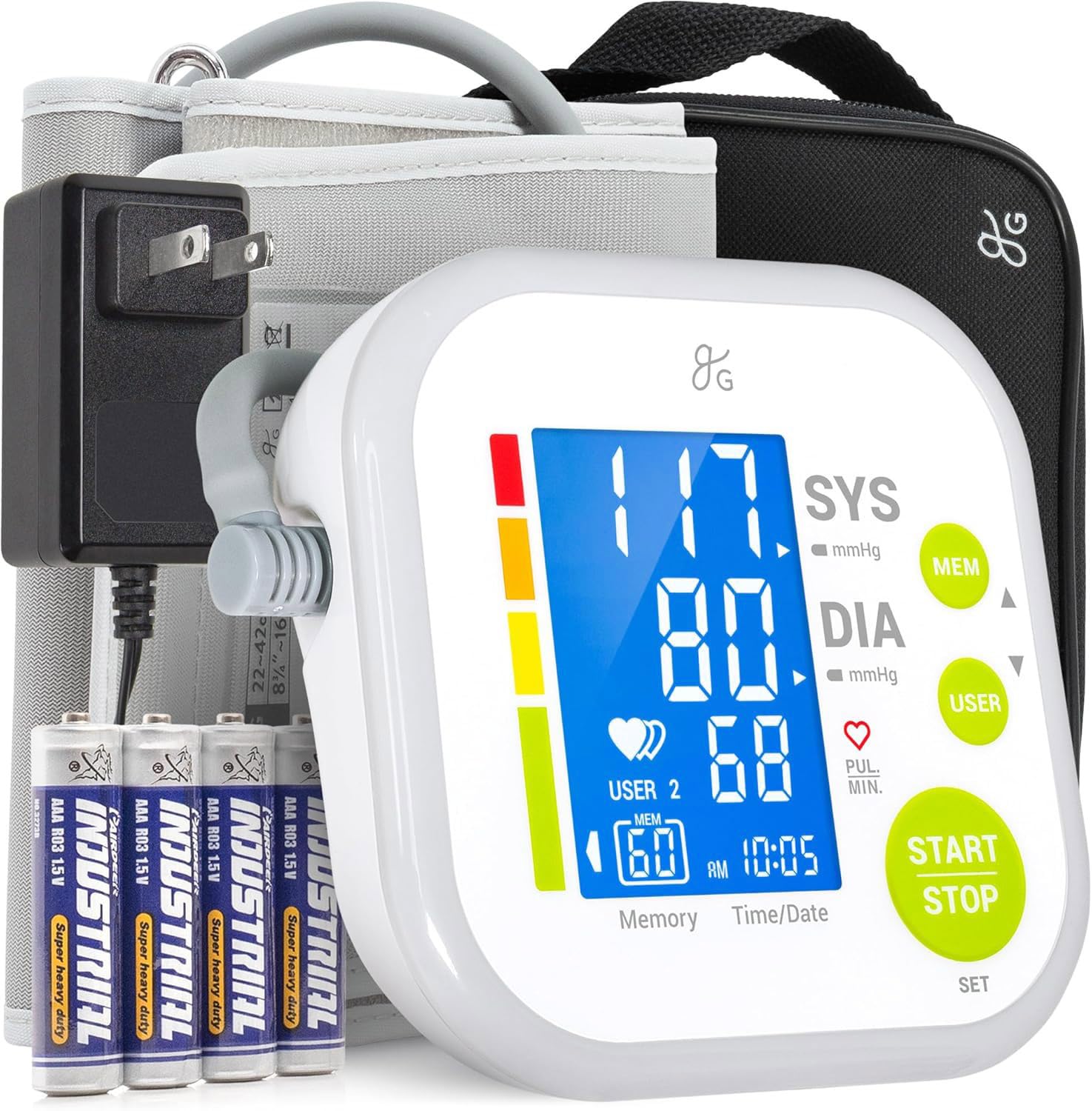
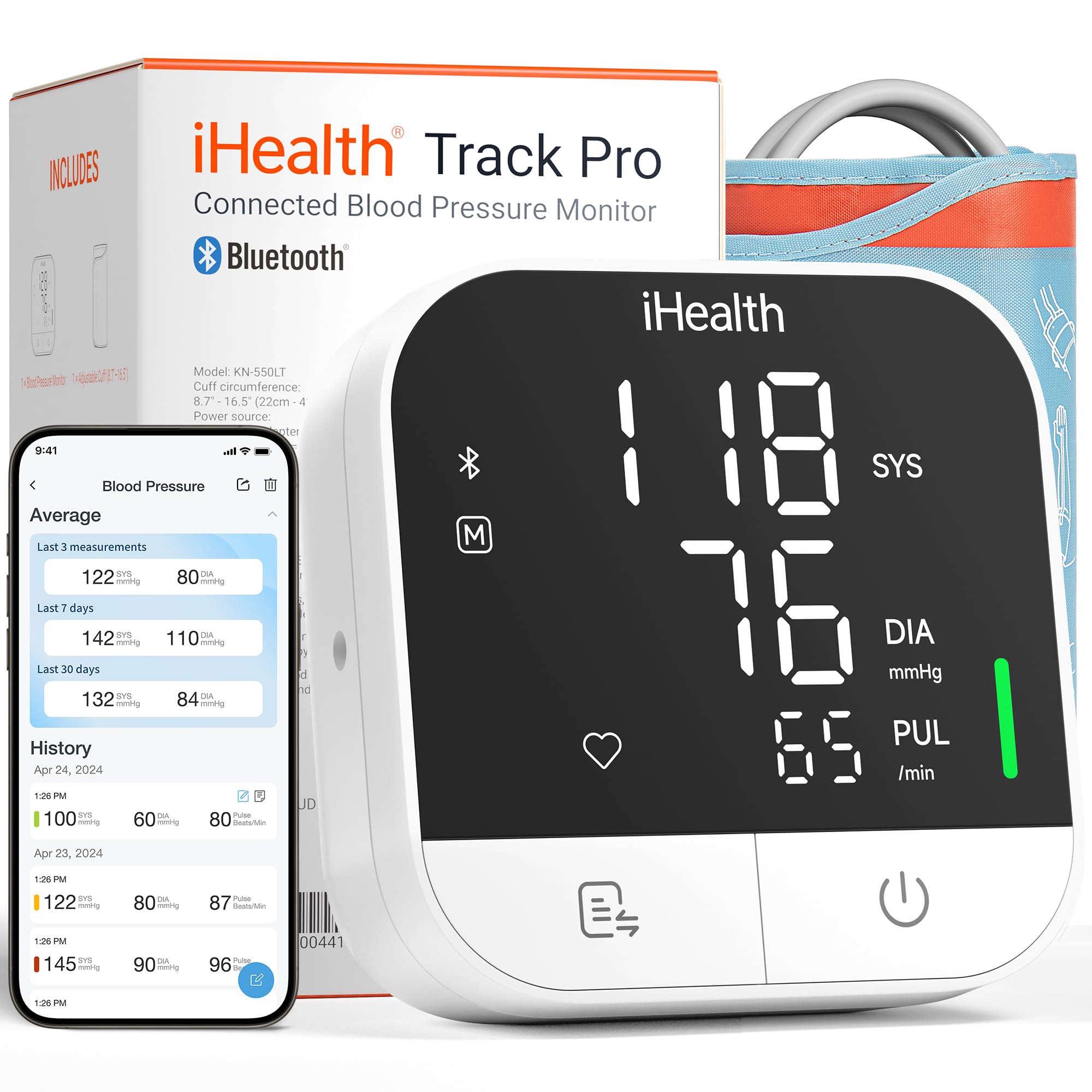
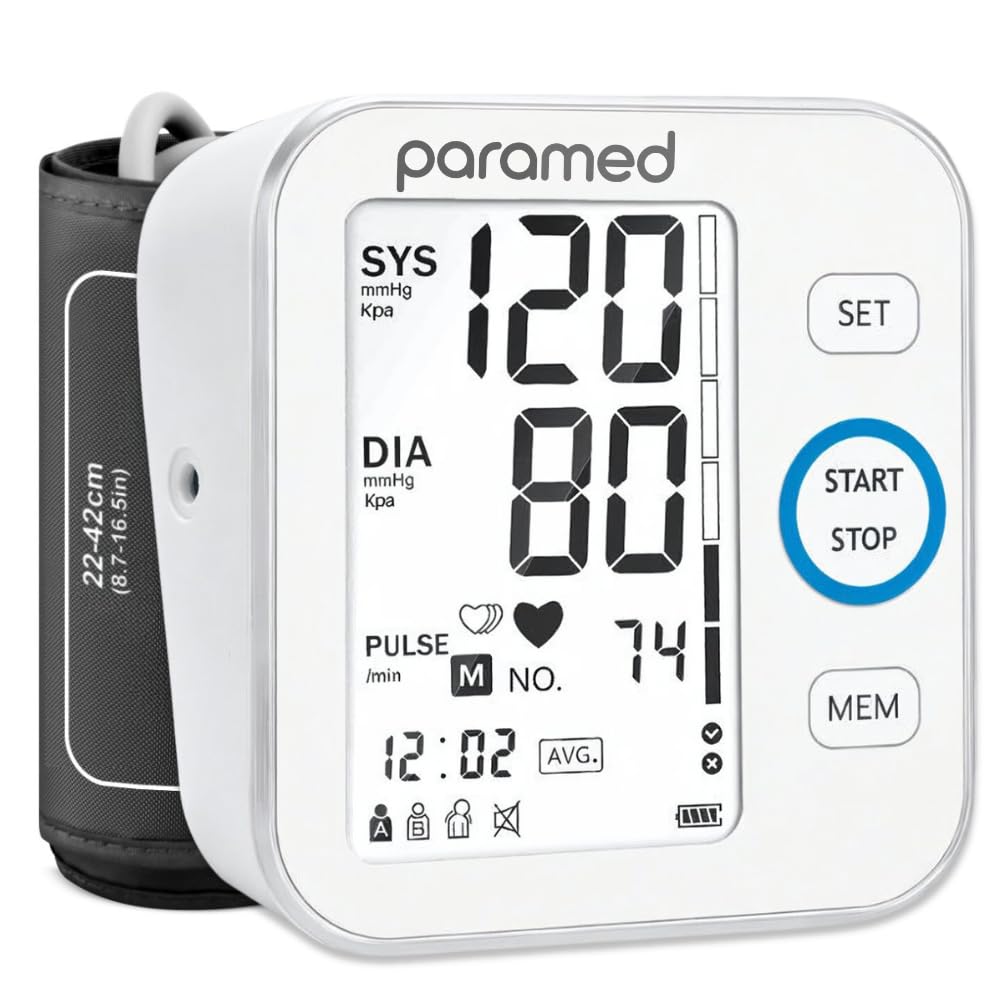
Who Should Buy a Monitor Made for Larger Arms
People with a larger upper arm circumference are the clearest match for this category. If a standard cuff leaves a mark, feels tight before inflation, or cannot close comfortably around the arm, a wider cuff range is not a luxury. It is the part that makes the reading usable, so look for a stated arm range that covers your measurement with room to spare.
Readers Who Have Had Inconsistent Readings
If your readings jump around from day to day, cuff size is one of the first things to check. A poor fit, a cuff over thick clothing, or an unsupported arm can all change a result. A larger cuff option and a steady routine help you repeat the same conditions each time, which makes the pattern easier to read.
Older Adults and People Who Check Often
People who check daily, or who share results with a doctor, benefit from a large display, few buttons, and memory that stores readings with dates and times. A simple start button, a clear message when the cuff slips, and a cuff that can be put on with one hand all reduce frustration when checks become part of a routine.
People Tracking Readings for a Doctor Visit
If you bring a log to an appointment, look for storage for more than one user, an average of recent readings, and a way to show the log on a phone. Keep the log simple, note the time of day, and ask your doctor how often checks are useful for you.
Key Features to Compare
Work through the features below in order, starting with cuff size, because no other feature can make up for a cuff that does not fit.
Cuff Size and Fit
Measure around the middle of your upper arm with a soft tape, with your arm relaxed at your side. Compare that number with the cuff range in the product details, and choose a range that includes your measurement comfortably in the middle, not at its edge. A contoured cuff that wraps smoothly and a firm closure that stays in place both help during inflation.
Accuracy and Clinical Validation
Look for a monitor described as clinically validated, and check whether validation information names the cuff sizes covered. A validated device has been checked against a reference method under controlled conditions, but that does not mean every home reading will match a clinic reading exactly. Body position, recent activity, caffeine, and talking during a measurement can all shift a result, so use the same routine each time.
Ease of Use and Display
A large, high contrast display helps you read results without straining, especially in low light. Simple controls matter too: one button to start, a clear symbol for an irregular heartbeat flag, and a plain message when the cuff needs adjusting. People with limited hand strength may prefer a cuff that closes with a wide, easy grip tab rather than a narrow strap.
Memory, Multi User Storage, and App Sync
Memory storage turns single readings into a useful pattern. A device that stores dated readings for two users keeps household records separate, and an average of recent readings can smooth out normal day to day variation. App sync can make sharing easier, but check that it works with your phone and that the monitor still works fully without the app if you prefer a paper log.
Power and Warranty
Most upper arm monitors run on batteries or a mains adapter, and some offer both. Batteries suit a monitor that moves between rooms or travels, while an adapter suits one that stays on a table. A clear warranty, a reachable support contact, and easy access to replacement cuffs are also practical signs of a maker that supports its products over time, since cuffs wear with use.
Types of Blood Pressure Monitors
Three broad types appear in this category, and they differ mainly in where the cuff sits and how much room they leave for a larger arm. The detail below helps you match a type to your arm size and routine.
Upper Arm Models
Upper arm models are the usual recommendation for home use, because the cuff sits at heart level when you are seated with your arm supported. For larger arms, this type offers the widest choice of cuff sizes, including wide range and extra large options. The cuff may feel bulkier than a wrist model, but the larger cuff choice is the main reason this type suits this keyword best.
Portable Models
Portable models are compact upper arm monitors designed for travel. They use the same arm position as a standard upper arm model, but with a smaller main unit and a cuff that folds for packing. Check the cuff range carefully, because a compact kit may ship with a standard cuff and offer a larger cuff only as a separate purchase.
Wrist Models
Wrist models measure at the wrist and can appeal to people who find an arm cuff uncomfortable. For larger arms, however, wrist position is harder to hold steady at heart level, and small movements can affect a reading. If your main need is a larger arm cuff, an upper arm model is usually the better starting point. You can also read our guide to best wrist blood pressure monitors to see how that type compares.
What Different Spending Levels Usually Buy You
Spending levels tend to change convenience and storage rather than the basic measurement idea. A lower cost monitor often covers the essentials: a suitable cuff, a clear display, and basic memory. A middle level monitor often adds a larger cuff range, multi user memory, and app sync, while a higher cost monitor often adds a more flexible cuff shape and longer storage. Judge each level by cuff range first, then by features you will use every week.
How to Measure Your Arm and Set Up a Good Routine
Measure your mid upper arm once, write the number down, and use it every time you compare cuff ranges. Sit with back support, feet flat on the floor, and your arm on a table so the cuff sits at heart level. Avoid measuring just after exercise, a large meal, or caffeine, and sit quietly for a few minutes first.
Place the cuff on bare skin, not over a sleeve, with the bottom edge above the elbow as the maker guide shows, and keep your arm still and quiet during the reading. A guide to best arm blood pressure monitors can help you compare arm models in general, while a guide to best upper arm blood pressure monitors covers the upper arm type in more detail.
If you also want to compare sizes for other people in the household, a guide to best blood pressure monitors for small arms shows how cuff ranges differ at the smaller end. For a broader view of well regarded options, see our guide to best recommended blood pressure monitors, and use its general advice alongside the size specific checks in this article.
Common Mistakes to Avoid
- Choosing a cuff by guesswork instead of measuring the mid upper arm first, which can leave the cuff too tight or too loose.
- Measuring over a thick sleeve, which adds bulk under the cuff and can distort the reading.
- Measuring with the arm unsupported or below heart level, which changes the result from one check to the next.
- Talking, moving, or crossing your legs during a measurement, which can raise a reading for reasons unrelated to your usual level.
- Taking one reading after rushing in from outside and treating it as your usual level, instead of resting first and repeating the check.
- Ignoring a cuff that slips or inflates unevenly, instead of refitting it and checking the closure before you start again.
How to Make Your Blood Pressure Monitor Last Longer
Keep the cuff clean and dry, and store it loosely rolled rather than folded sharply, so the bladder inside keeps its shape. Wipe the main unit with a dry cloth, keep it away from water and direct heat, and remove batteries if you will not use it for a long stretch. Follow the manufacturer's instructions, measure at a similar time each day when checking a pattern, and replace cuffs or batteries as recommended by the maker.
Your Questions Answered
What features matter most in blood pressure monitors for large arms?
Cuff size matters most, followed by a clear display and reliable memory. A cuff range that covers your mid arm measurement with room to spare gives you a stable starting point, and a large display helps you read results without error. Memory with dates lets you and your doctor see a pattern instead of one isolated number, and easy access to a replacement cuff in your size is also worth checking.
How often should I check readings at home?
How often you check depends on your own situation, so ask your doctor what schedule fits you. Some people check a few times a week at a similar time of day, while others check more often for a short period before an appointment. A regular time, a quiet rest before measuring, and a simple log make the pattern easier to interpret, and a reading that worries you is worth discussing promptly.
Wrist or upper arm: which is better for large arms?
An upper arm model is usually the better choice for larger arms, because it offers wider cuff ranges and a position that is easier to hold steady. A wrist model can work for someone who cannot use an arm cuff, but wrist position is more sensitive to movement and height relative to the heart. If you choose a wrist model, follow the maker positioning guide closely and compare early readings with clinic readings where possible.
How accurate are home blood pressure devices?
Home devices give estimates that are useful for tracking patterns, but they are not medical measurements in themselves. Accuracy depends on cuff fit, body position, rest before measuring, and whether the device has been validated. A validated upper arm monitor used with the correct cuff size and a steady routine usually tracks clinic readings more closely than a poorly fitted device used casually.
Do I need a prescription for a home blood pressure monitor?
You do not usually need a prescription to buy a home blood pressure monitor for personal use. These devices are widely sold for home tracking, and the choice is mainly about cuff size, features, and ease of use. Your doctor may still be worth asking if you have a specific condition or take medicines, so ask your doctor first if you are unsure.
Final Thoughts
Start with your arm measurement, choose a cuff range that covers it comfortably, and then weigh display, memory, and support. A monitor that fits well and is easy to use every day will give you a clearer pattern than a feature rich model with the wrong cuff. Keep your routine steady, log readings simply, and discuss any concerning pattern with your doctor. With those habits in place, the best blood pressure monitors for large arms become a practical choice, and the product table is worth revisiting once you know your size.