Best Blood Sugar Monitors for Every Need in 2026: How to Pick the Right One
Disclosure: We may earn a commission when you buy through links on this page, at no extra cost to you. As an Amazon Associate I earn from qualifying purchases. Learn more

Compare the best blood sugar monitors by use case, from fingerstick meters to continuous monitors, with accuracy, strip costs, and ease of use explained.
There is no single monitor that fits everyone who checks blood sugar. A person newly diagnosed and testing twice a day needs something different from an insulin user who checks around meals and overnight, and both need something different from a daughter buying a simple meter for her father. The best blood sugar monitors are the ones that match how often you test, what your care team does with the numbers, and what the supplies will cost you month after month. If your shopping is specifically about diabetes management, our guide to the best diabetes blood sugar monitors narrows the field to covered, pharmacy stocked options.
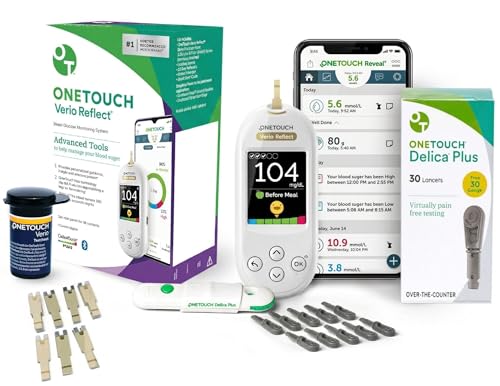
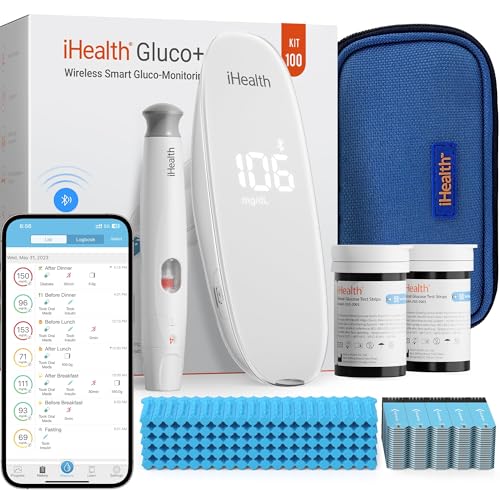
This guide is organized by use case first, then by the features that actually separate one monitor from another: accuracy, testing class, data handling, ease of use, and running costs. The product table shows the picks side by side, and the sections below explain how to choose among them. One scope note: the umbrella term best blood monitors also covers blood pressure devices, while this guide stays strictly on glucose.




Safety First: What a Home Monitor Can and Cannot Do
A home monitor supports day to day management; it does not diagnose diabetes or any other condition. Diagnosis relies on laboratory blood tests ordered and interpreted by a clinician, so treat any surprising home result as a prompt to contact your care team, not as a verdict. Your target ranges are individual, set with your clinician based on your health, your medicines, and your risk of low blood sugar, and the ranges printed in a manual are only general examples.
Never change a medication or insulin dose because of a single reading unless your clinician has given you a written plan that says exactly when and how to adjust. If a number does not match how you feel, wash and dry your hands and check again, because food residue on a fingertip can push a result far above the true value. Readings far outside the range your care team set, especially repeated ones you cannot explain, are a reason to call the clinic or an advice line the same day.
Know the signs of very low blood sugar: shakiness, sweating, confusion, irritability, and a fast heartbeat. If you have symptoms, follow the low blood sugar plan your clinician gave you right away, and do not drive when you feel low. If someone has a seizure or passes out, call 911 at once.
Who Should Buy Which Blood Sugar Monitor?
Start from your testing routine, because the routine decides which features matter and which are decoration. The four groups below cover most buyers; if you fall between two groups, weight the one that matches your most frequent testing day. Readers who already know they want a diabetes focused shortlist can also start with our guide to the best blood monitors for diabetes.
For First Time Buyers
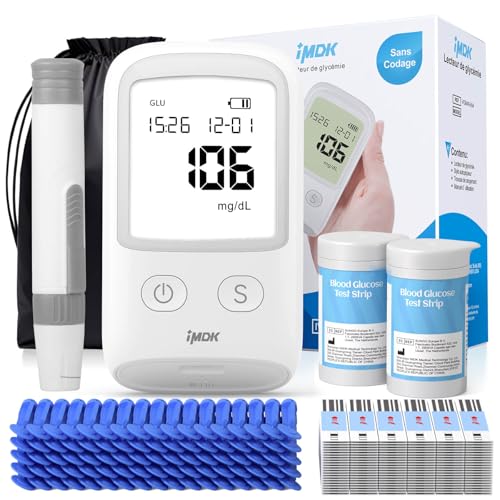
If you were recently diagnosed, your clinician has likely set a simple schedule, often a fasting check and occasional checks after meals, plus target ranges to aim for. A basic fingerstick meter with a clear display, a small blood sample, and affordable strips covers that routine without overwhelming you. Choose a kit that includes the lancing device and a starter supply of lancets and strips so you can begin the same day. Skip advanced app features for now; a paper logbook is fine until your care team asks for more.
For Value Seekers Watching Strip Costs
The meter itself is the cheap part of testing; strips decide what you spend each year. A person testing three times a day uses over a thousand strips a year, so a difference of even 30 cents per strip becomes hundreds of dollars. Store brand and value focused meters often pair with strips at the low end of the price range while still meeting accuracy standards. Before choosing, check what your insurance or pharmacy benefit covers, because a covered strip at a copay can beat a cheap retail strip, and coverage rules change.
For Caregivers Buying for a Parent
When you buy for someone else, ease of use outranks everything else: the largest, highest contrast display you can find, one button operation, and strips that are easy to handle with stiff fingers. Some meters speak results aloud, which helps a parent with low vision confirm a reading without glasses. App connected meters add a quiet benefit for you: readings sync to a phone, so you can see patterns and flag problems between visits. Confirm the lancing device depth adjusts gently, because fragile skin bruises and tears more easily.
For Frequent Checkers and Insulin Users
People who dose insulin around meals check many times a day, and small frictions multiply: sample size, strip handling, and result speed all matter. This group gains the most from a continuous glucose monitor, which reads glucose around the clock and can alarm before a low becomes dangerous overnight. If you stay with fingersticks, prioritize a meter that needs only a tiny sample and gives results in a few seconds, plus generous memory for pattern review. Bring your data to every appointment, because dose decisions depend on patterns, not single numbers.
Picking the Right Monitor for Different Uses
Best New Blood Sugar Monitors: What to Prioritize
With new blood sugar monitors, the priorities are proof and ecosystem, not novelty. Confirm the new model actually carries regulatory clearance for sale in the United States, and be cautious with imports sold without it. Check that its strips or sensors are stocked by major pharmacies, because a brilliant meter with scarce supplies becomes a paperweight within a month. Finally, give new companion apps a skeptical look: syncing should be automatic and reports easy to export, and early software bugs are common enough that a mature model sometimes serves you better.
Best Accurate Blood Sugar Monitors: What to Prioritize
Accurate blood sugar monitors share three traits: published accuracy results against the recognized standard, clearance from regulators, and ready availability of control solution for verification checks. Accuracy is a system, not just a meter; fresh strips stored correctly, clean dry hands, and enough blood on the strip matter as much as the brand tier. Treat any meter that will not publish how it performed in accuracy studies as a warning sign. If two monitors both meet the standard, choose the one whose supplies you can afford to use exactly as directed.
Key Features to Compare in the Best Blood Sugar Monitors
With safety and use case settled, compare the best blood sugar monitors on the six factors below. Together they decide accuracy in real hands, daily comfort, and what testing will cost you over a year.
Accuracy and Clinical Validation
Look first for regulatory clearance and accuracy data measured against the widely used international standard, which expects the large majority of results to fall within about 15 percent of a laboratory reference value. That margin explains why two good meters, or a meter and a clinic blood draw, rarely match to the digit; small differences are normal and expected. Independent validation programs and diabetes care standards published by professional associations are the sources clinicians trust, so favor brands that publish their results openly. A meter that hides its accuracy data is asking you to trust marketing instead.
Fingerstick Meters Versus Continuous Monitors
Fingerstick meters measure blood from a fingertip drop at the moment you check, cost little to start, and suit scheduled checks a few times a day. Continuous monitors read fluid just under the skin through a small sensor you wear, typically for about 10 to 14 days per maker figures, and report a value every few minutes with trend arrows showing direction and speed. That stream of data, plus alarms for predicted lows, is why continuous monitors suit insulin users and anyone with overnight lows. Their costs are higher, supplies are ongoing, and some models still ask for an occasional fingerstick to confirm a reading that feels wrong.
One difference matters in daily life: a sensor reads fluid between the cells, so its value trails a fingerstick by several minutes when glucose is moving fast, such as after meals or during exercise. That lag is normal and expected, and it is why manuals tell you to confirm with a fingerstick whenever your symptoms and the sensor value disagree.
Memory, App Sync, and Sharing With Your Care Team
Memory holds your results with dates and times, and better meters tag readings as before or after a meal, which turns raw numbers into patterns a clinician can act on. App sync moves results to a phone automatically and builds averages and charts for appointments, saving you from copying numbers into a notebook. If a caregiver helps you, check whether the app allows shared access with your permission. What matters most is that the data reaches your care team in a form they will actually read, whether that is an app report or a printed summary.
Ease of Use and Display
Daily checking succeeds or fails on small details: digits large enough to read without glasses, a backlit screen for nighttime checks, and a strip port you can find by touch. Few buttons and automatic coding, where the meter recognizes the strip batch on its own, remove steps where errors creep in. For hands with arthritis or reduced feeling, check how the lancing device loads and whether strips come in vials or individually wrapped foils; foils protect strips but can be hard to open. A meter you dread using is a meter you will quietly stop using.
Lancing Comfort and Sample Size
Most discomfort comes from the lancet, not the meter, so choose a lancing device with several depth settings and start at the shallowest depth that yields a drop. Modern strips often need only a fraction of a microliter of blood, which allows that shallow setting and faster healing. Warm hands and hanging your arm down briefly improve blood flow, so you can press less and squeeze less, both of which also protect accuracy. Some meters allow checks on the forearm or palm, but follow the manual closely: alternate sites lag behind fingertip values when glucose is changing quickly, and never use them when you suspect a low.
Strips, Sensors, and Running Costs
Price the supplies before the device: fingerstick strips commonly run about 30 cents to over a dollar each at retail, they expire, and an opened vial often carries a shorter use window printed on the label. Store strips in their original container with the lid closed, away from bathroom humidity and car heat, because moisture and temperature quietly damage them. Continuous monitor sensors are replaced every wear period, so compare cost per day rather than cost per box. Add lancets, control solution, and batteries, and remember that the cheapest system is the one whose supplies you will never be tempted to ration.
Common Mistakes to Avoid When Buying a Blood Sugar Monitor
- Choosing by the meter price while ignoring strip or sensor costs, which reverses the real math within the first few months of daily checking.
- Using expired strips or strips stored in a steamy bathroom, then trusting the numbers for medication decisions your clinician based on accurate data.
- Sharing a lancing device with a family member, which can spread blood borne infections even when each person uses a fresh lancet.
- Skipping hand washing before a check, so sugar from fruit or food on your fingers produces a falsely high reading and a needless scare.
- Reacting to one surprising number by changing a dose, instead of rechecking with clean hands and following the plan your care team wrote for you.
Care and Maintenance Tips
Wash your hands with soap and warm water and dry them fully before every check; alcohol wipes are a backup for when no sink exists, and the first drop should be wiped away if your manual advises it. Keep the meter clean with a soft, slightly damp cloth and never spray cleaner directly on it, and respect the temperature range in the manual, since a meter left in a freezing or hot car can read poorly or refuse to run. Run a control solution check when you open a new vial of strips, drop the meter, or get a result that does not fit how you feel.
Dispose of every used lancet in a rigid sharps container, never in household trash loose, and check local rules for filled container drop off. Rotate fingertip sites and, for continuous monitors, sensor sites, and watch for redness or irritation that does not settle. Log your readings with notes about meals, activity, and illness, and bring the log or app report to each appointment. Review your technique with your clinician or diabetes educator once in a while, because small habits drift over the years and a short refresher restores accuracy.
When you travel, carry supplies in your hand luggage rather than checked bags, because cargo holds can freeze or overheat strips and sensors. Pack roughly double the strips, lancets, or sensors you expect to use, and keep a copy of your prescriptions in case supplies are lost or damaged on the road.
Frequently Asked Questions
Do I need a prescription to buy a blood sugar monitor?
No prescription is needed for fingerstick meters, strips, and lancets, which are sold over the counter in pharmacies and online. Continuous monitors are different: many models require a prescription, although a few over the counter options now exist for adults who do not use insulin. Insurance and Medicare coverage is the practical catch, because plans usually require a prescription and documentation of medical need before they pay. If cost matters, ask your clinician about a prescription even for supplies you could buy yourself, since coverage can cut your yearly cost sharply.
How often should I check my blood sugar?
Your clinician sets your schedule, because the right frequency depends on your medicines, your risk of lows, and what decisions the readings will drive. People on insulin often check before meals and at bedtime, while someone managed on oral medicines might check fasting readings plus rotating after meal readings. Structured patterns teach the most: pairing a before meal and after meal check on some days shows how food and medicine interact. Checking without a plan for using the result mostly wastes strips, so revisit the schedule whenever your treatment changes.
How do I know if my blood sugar monitor is reading accurately?
Use control solution, a liquid with a known glucose value sold for your strip brand. Run it like a blood sample and confirm the result falls inside the range printed on the strip vial; a result outside that range points to damaged strips, an expired solution, or a faulty meter. Do this when opening a new vial, after a drop, and whenever a reading clashes with your symptoms. You can also bring your meter to a clinic visit and compare it with the venous result drawn at the same time, allowing for the accepted margin between devices.
Does fingerstick testing hurt, and how can I make it easier?
Most people feel a brief sting, and technique shrinks it. Use the shallowest lancing depth that produces a drop, prick the side of the fingertip where there are fewer nerve endings, and let the hand hang down and warm up first so you squeeze less. Rotate fingers and sides to prevent sore spots, and replace the lancet every time, because a reused lancet dulls and hurts more while raising infection risk. If pain is stopping you from checking as prescribed, tell your clinician; a continuous monitor may be an option.
Can I share my blood sugar monitor with a family member?
The meter itself can be shared with care, but the lancing device must never be shared, even between close family members, because microscopic blood residue can transmit infections. Each person needs their own lancing device and their own lancets, used once and disposed of properly. Sharing also scrambles the memory, mixing two people's readings into one record your clinicians cannot interpret. Households with two people checking usually do better with two inexpensive meters, clearly labeled, than with one shared premium model.
Final Thoughts
The right choice comes from your routine: how often you check, who reads the data, and which supplies you can afford without rationing. Put accuracy credentials first, match the monitor type to your medication plan, and let ease of use break ties, because the monitor you use consistently beats the impressive one in a drawer. Compare the best blood sugar monitors in the product table above against your clinician's targets, and raise any uncertainty with your care team before you buy, especially if insulin dosing will depend on the results.