
Best Blood Pressure Monitors for Seniors: Types Compared and How to Choose for 2026
Disclosure: We may earn a commission when you buy through links on this page, at no extra cost to you. As an Amazon Associate I earn from qualifying purchases. Learn more

Compare the best blood pressure monitors for seniors by type, cuff fit, display size, and validation status, with clear guidance on reading results safely.
Upper arm cuffs, wrist units, connected models, and travel sized devices all promise easy readings, which leaves many buyers unsure which type to trust. The best blood pressure monitors for seniors share a few traits: a cuff that fits properly, a screen you can read without squinting, and clinical validation behind the numbers.
This guide compares each type side by side, then covers the senior specific details that decide whether a monitor gets used every day or sits in a drawer. The comparison table below gives the short version before the detail that follows.


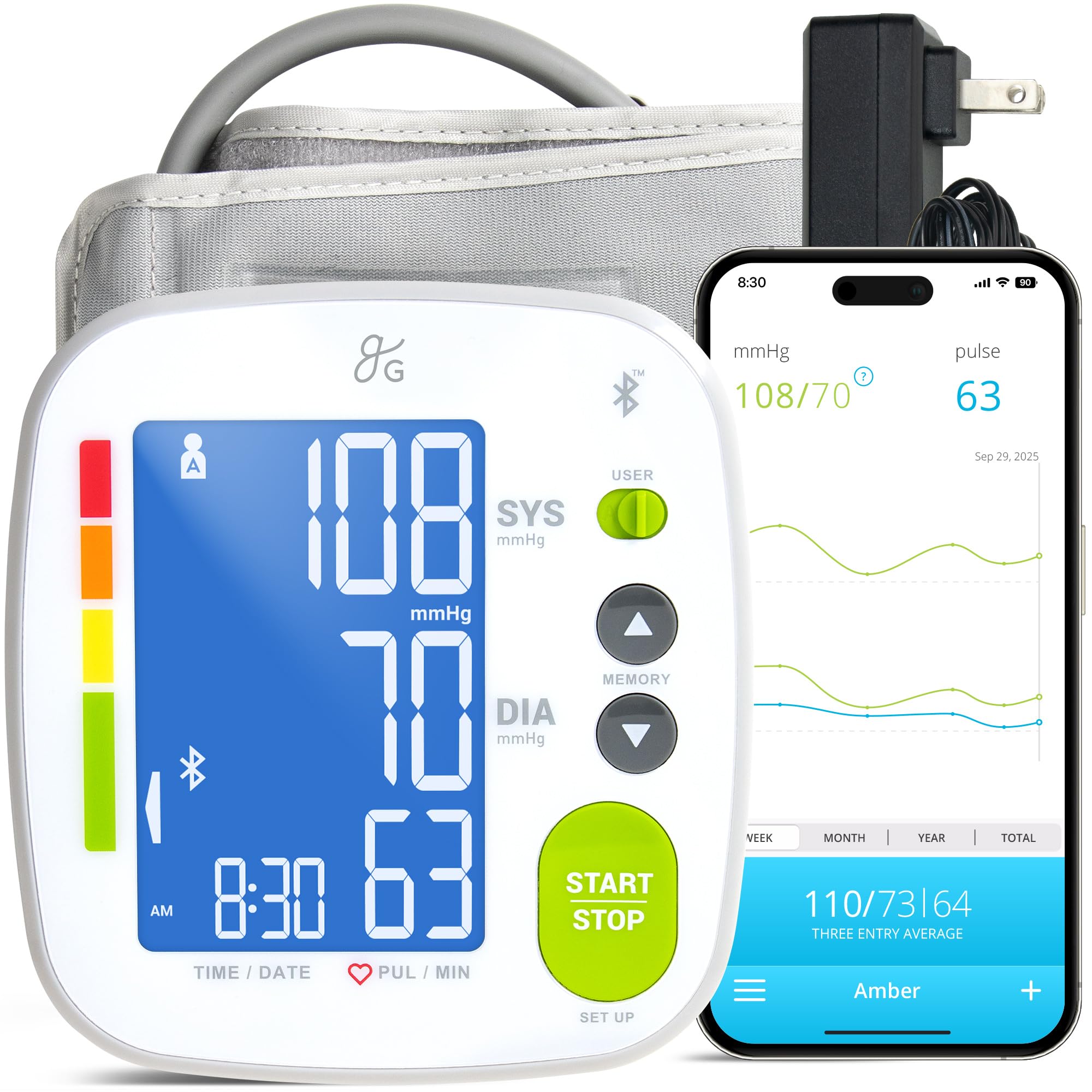
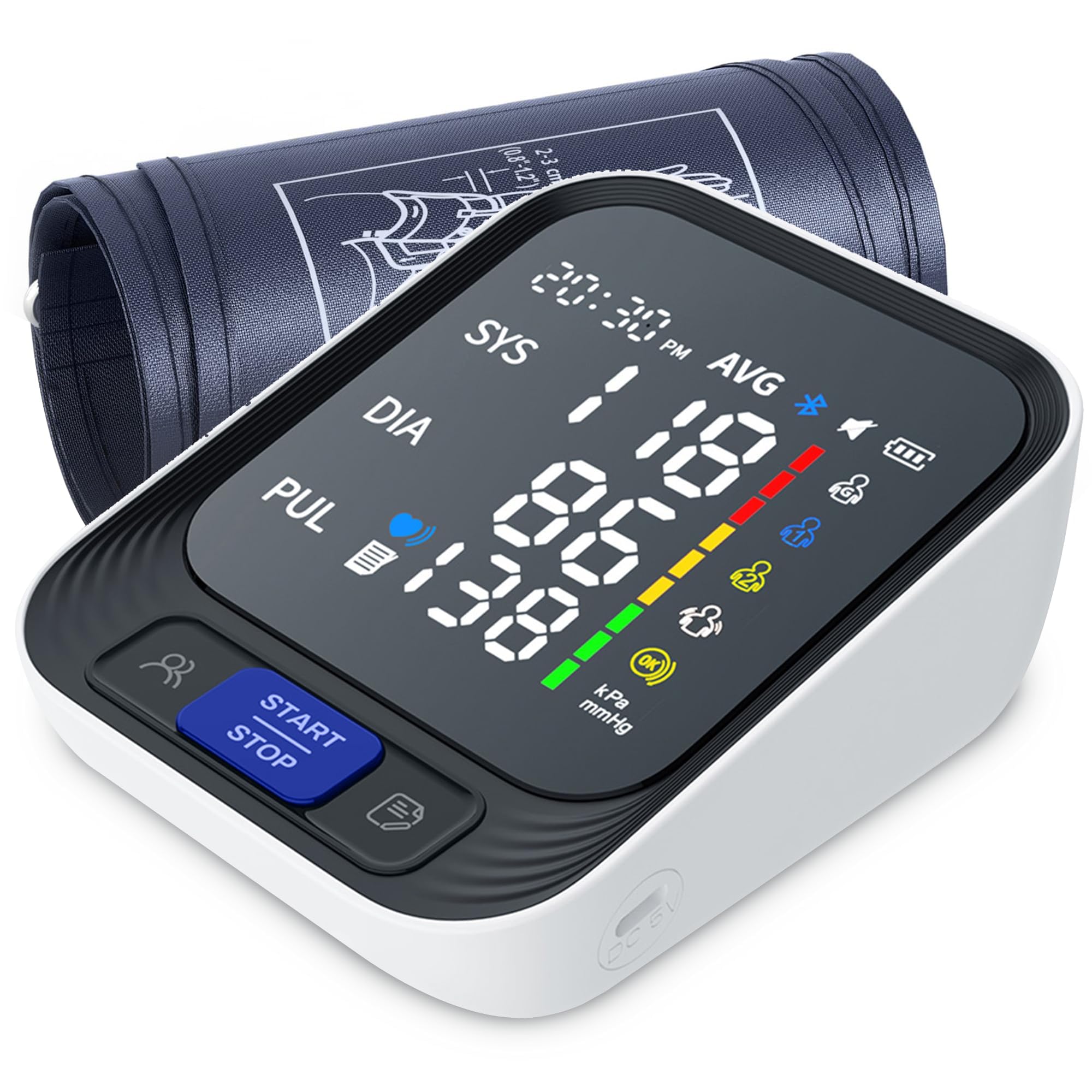
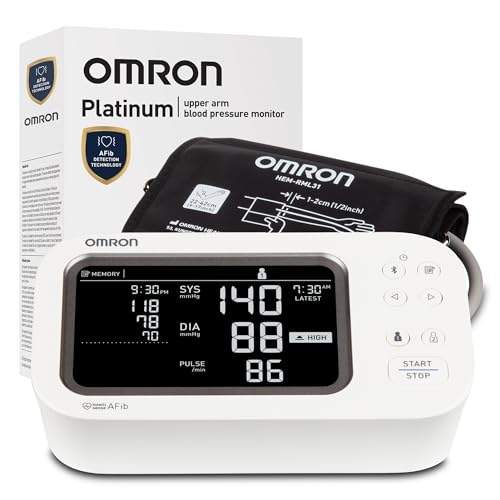
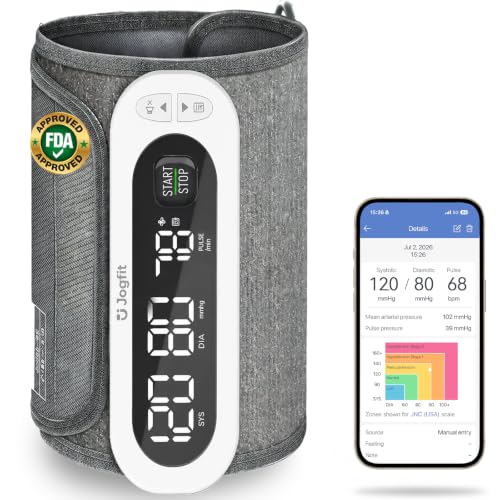

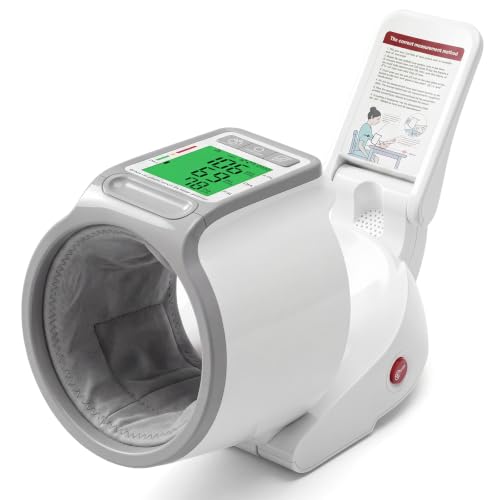
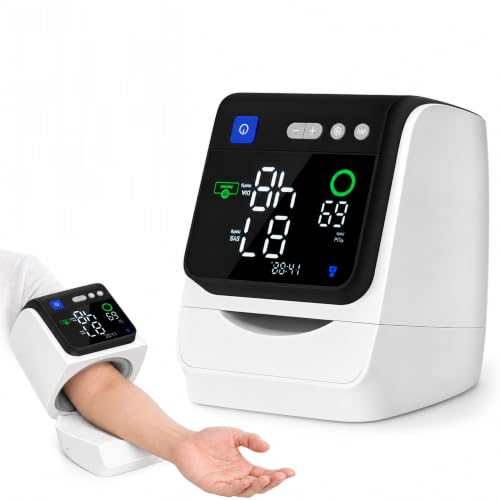
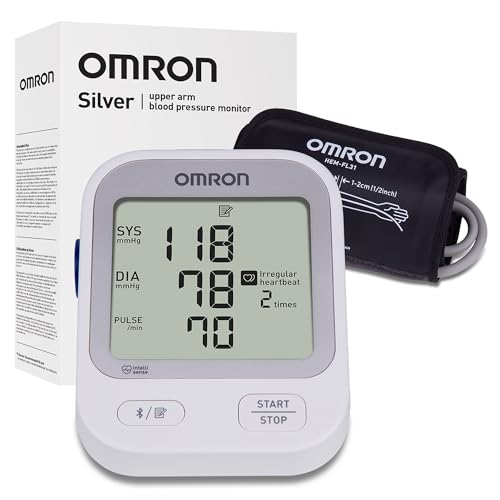
Best Blood Pressure Monitors for Seniors: Types Compared
| Type | Best For | Pros | Cons | Typical Price |
|---|---|---|---|---|
| Upper Arm | Most home users | Most accurate placement, widest validation record | Bulkier, needs bare arm | about $40 to $90 |
| Wrist | Travel and large arms | Small, easy to put on | Position sensitive, easier to read wrong | about $30 to $70 |
| Smart/Connected | Sharing trends with a doctor | App logs, long term graphs, reminders | Needs a phone, more setup steps | about $70 to $150 |
| Portable | Second homes and trips | Compact case, battery powered | Smaller screens, fewer memory slots | about $35 to $80 |
Upper Arm Models
Upper arm monitors are the type doctors most often recommend for home use, because the cuff sits at heart level naturally when you rest your arm on a table. Most validated devices on the market are upper arm models, and cuff sizes run from small adult through extra large. If you are comparing the broad category first, our guide to best recommended blood pressure monitors explains how clinicians group these devices. For seniors with limited shoulder movement, look for a cuff that wraps with one hand and a start button that needs only a light press.
Wrist Models
Wrist monitors are small, quiet, and easy to carry, and they suit people whose upper arms are too large for standard cuffs or who find arm cuffs painful. Their weakness is position: the wrist must rest at heart level, or the reading can drift by a wide margin. Many include a position sensor that warns when your arm sits too high or low. Treat wrist results as a backup to upper arm readings, and show both to your clinician before relying on the wrist unit alone.
Smart and Connected Models
Connected monitors send each reading to a phone app, which builds graphs your doctor can review at a visit. The hardware measures the same way as a standard automatic unit, so accuracy depends on the cuff and validation, not the app. Our overview of best automatic blood pressure monitors covers how the automatic inflation cycle works across both plain and connected designs. Seniors who do not use a smartphone should choose a model with a large onboard memory instead, since app only storage hides readings from anyone without the phone.
Portable Models
Portable monitors are compact upper arm or wrist units sold with a hard case, made for travel, snowbird seasons, or keeping one device at a family member's home. Battery life matters more here than extra features, and a clear low battery warning prevents weak readings. Shoppers comparing travel options often look at best portable blood pressure monitors for case sizes and weights. Whatever you pack, bring the same cuff you use at home when possible, because switching cuff sizes between trips makes trends harder to compare.
Wrist Models vs Smart and Connected Models: Which Should You Choose?
These two types solve different problems. A wrist model solves fit and portability: it goes on in seconds, travels in a pocket, and avoids the squeeze some seniors dislike. A connected model solves record keeping: it stores months of readings, flags averages, and makes sharing effortless. On accuracy, the connected upper arm unit wins, because its cuff position is repeatable.
On ease for arthritic hands, the wrist unit can be simpler, though its position demands care. Choose wrist for convenience on the move, and choose connected upper arm for the readings your doctor will trust most. Novelty formats such as best blood pressure monitor watches are not yet a substitute for a validated cuff device.
How to Choose the Right Blood Pressure Monitor
Accuracy and Clinical Validation
Accuracy is the first filter. Look for devices listed on the validated device registry at validatebp.org, and for FDA cleared status, which means the maker submitted data for review. Home readings are estimates that guide conversations with your clinician, not medical measurements that diagnose a condition on their own.
Bring your monitor to an appointment once a year so the office can compare it against their equipment. A device that reads consistently close to the office cuff is worth more than one with extra features.
What Seniors Should Look For
The best blood pressure monitors for seniors have a display with large, high contrast numbers and a backlight for dim rooms. Buttons should be few, raised, and clearly labeled, and some models read results aloud, which helps when vision is limited. Memory for two users keeps spouses' readings separate, and an irregular heartbeat alert adds useful context for the doctor.
When comparing cuff based options, best arm blood pressure monitors covers cuff construction in more depth. Avoid tiny screens and touch only controls if your hands shake or your grip is weak.
Cuff Size and Fit
A cuff that is too small reads high, and one that is too loose reads low, so measure the middle of your upper arm before ordering. Most adults fall in the standard range of about 9 to 17 inches, but wider cuffs exist for larger arms and slimmer ones for small arms. The cuff should wrap snugly with the tube running down the inside of the arm. If your measurement sits between sizes, choose the larger cuff and confirm the maker marks it as validated for that range.
Comfort and Safety Features
Automatic inflation should stop at a comfortable pressure, and a quick release button lets you end a measurement that feels wrong. Some cuffs inflate around the whole arm evenly, which many seniors find gentler than cuffs that squeeze one spot. An auto shut off saves batteries when you forget. Most important is the safety habit around the numbers: a single high reading is a reason to sit quietly, repeat the measurement after five minutes, and note the result, not a reason to change medication on your own.
Power and Portability
Most monitors run on four AA batteries, on an AC adapter, or both. Battery only models suit travel but can give weaker inflation as cells fade, so replace them on schedule rather than waiting for failure. USB powered options are appearing, though adapters remain the simpler choice at home.
If the monitor will move between rooms daily, lighter weight and a storage case matter more than app features. Keep spare batteries with the device so a dead unit never skips a scheduled reading.
Care and Maintenance Tips
Wipe the cuff with a slightly damp cloth and let it air dry; never soak it or use harsh cleaners, which stiffen the fabric. Store the monitor indoors away from heat and direct sun, and check the tubing for cracks each month.
Follow the manual measurement routine: empty your bladder, sit with feet flat and back supported, rest five minutes, and take two readings a minute apart at the same time each day. Share your logged readings with your healthcare provider at every visit, and seek prompt medical help if a reading comes with chest pain, breathlessness, sudden weakness, vision changes, or trouble speaking. Readings at or above about 180/120 also need prompt clinician contact, even without symptoms.
Frequently Asked Questions
What makes blood pressure monitors for seniors different?
Monitors aimed at seniors differ in usability rather than measurement method. They use larger displays, simpler one button operation, and sometimes voice readouts, because vision and dexterity limits are common. Many add memory for two users and average the last few readings automatically, and the cuff range matters too, since arm size changes with age. Underneath, the sensor works like any home monitor, so validation status still matters more than senior labeling on the box.
Wrist or upper arm blood pressure monitor: which is better for seniors?
Upper arm is better for most seniors, because the cuff position stays consistent and most validated devices use it. Wrist units can work when upper arm cuffs do not fit or cause pain, but only if the wrist is held at heart level for every reading. If you buy a wrist model, compare its results against an office reading at your next visit. Many households keep an upper arm unit as the main device and use the wrist model only for travel.
How accurate are home blood pressure devices?
Validated home devices usually read within a few points of an office measurement when you follow the routine carefully. Accuracy drops when the cuff size is wrong, when you talk during inflation, or when you measure right after activity, caffeine, or a meal. Treat each number as an estimate within a small range, and watch the trend over two weeks instead. If home and office readings disagree often, take the device in for a comparison check.
Do I need a prescription to buy a blood pressure monitor?
No, home blood pressure monitors are sold without a prescription in the United States, and you can order one or buy it in a pharmacy. A clinician recommendation still helps, because your doctor can name the cuff size and features that fit your situation. Some insurance plans or health accounts reimburse part of the cost with a written recommendation, so ask before you buy. Keep the receipt and the box until you confirm the cuff fits your arm.
How often should seniors check blood pressure at home?
Follow the schedule your clinician sets, because it depends on your readings and medication. A common pattern is morning and evening checks for two weeks after a change, then a few days each month once readings settle. Measure at the same times daily, before medication and meals, and log every result, even the ones that look off. Bring the log to appointments rather than a summary from memory, since patterns across days guide treatment better than single numbers.
The Bottom Line
For most households, the best blood pressure monitors for seniors are validated upper arm models with the right cuff size, a large backlit display, and simple one button use. Pick a wrist or portable unit only when fit or travel truly requires it, and treat every home number as an estimate to discuss with your clinician. Use the product table to compare types and prices before you choose.

