
Best Blood Monitors for Home Use: A Buyer Guide for 2026
Disclosure: We may earn a commission when you buy through links on this page, at no extra cost to you. As an Amazon Associate I earn from qualifying purchases. Learn more
Compare the best blood monitors for home use by type, cuff fit, and ease of use, with tips for steady, repeatable readings.
When shoppers search for the best blood monitors for home use, they usually mean an automatic blood pressure monitor that wraps around the upper arm or wrist and shows a reading in seconds. This guide explains how those monitors work, what to compare, and how to use one correctly, so the numbers you record at home are as reliable as possible.
A home monitor is a tracking tool, not a diagnosis. Talk with your doctor about what your readings mean and follow their advice. Use the product table above to compare options once you know which type and cuff size you need.




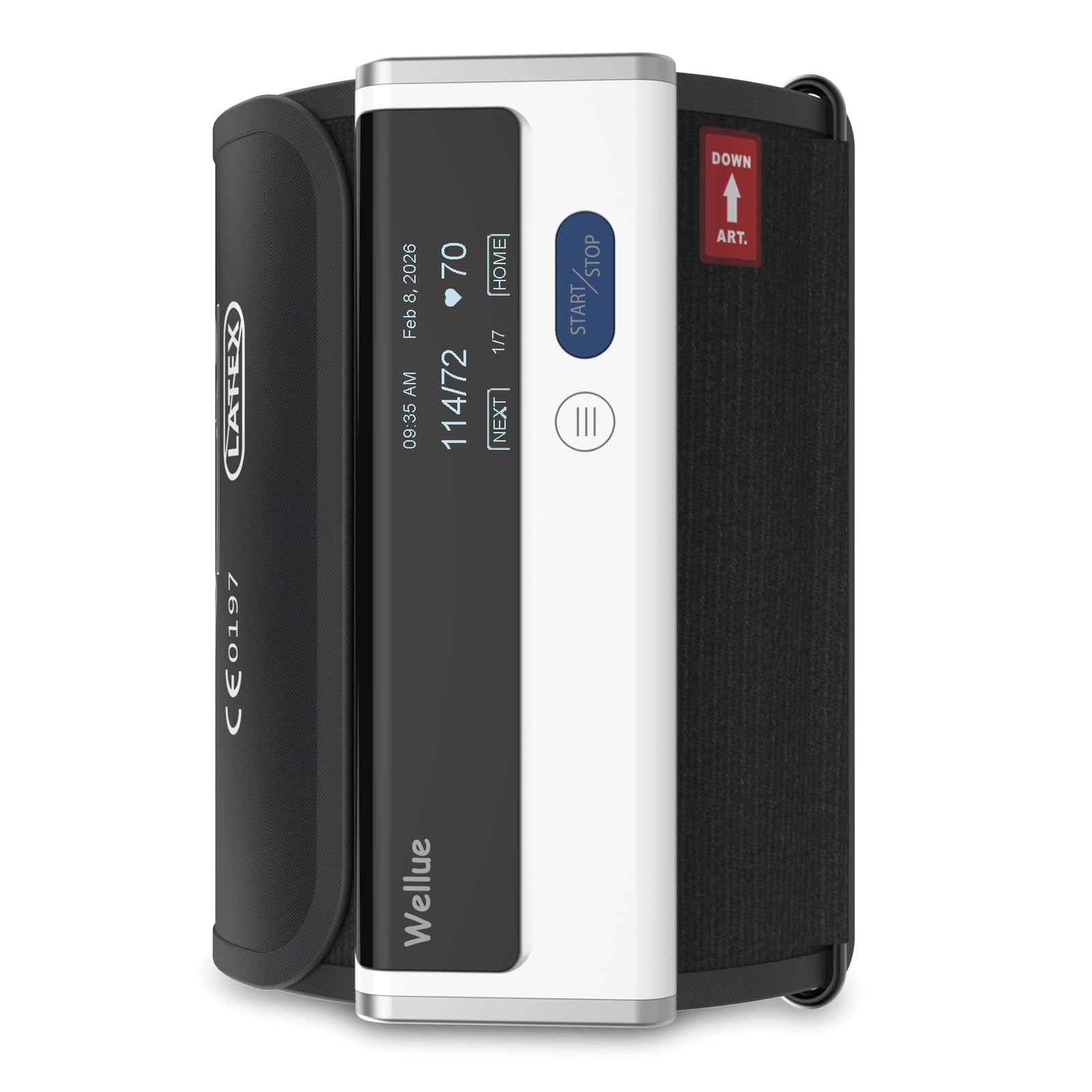
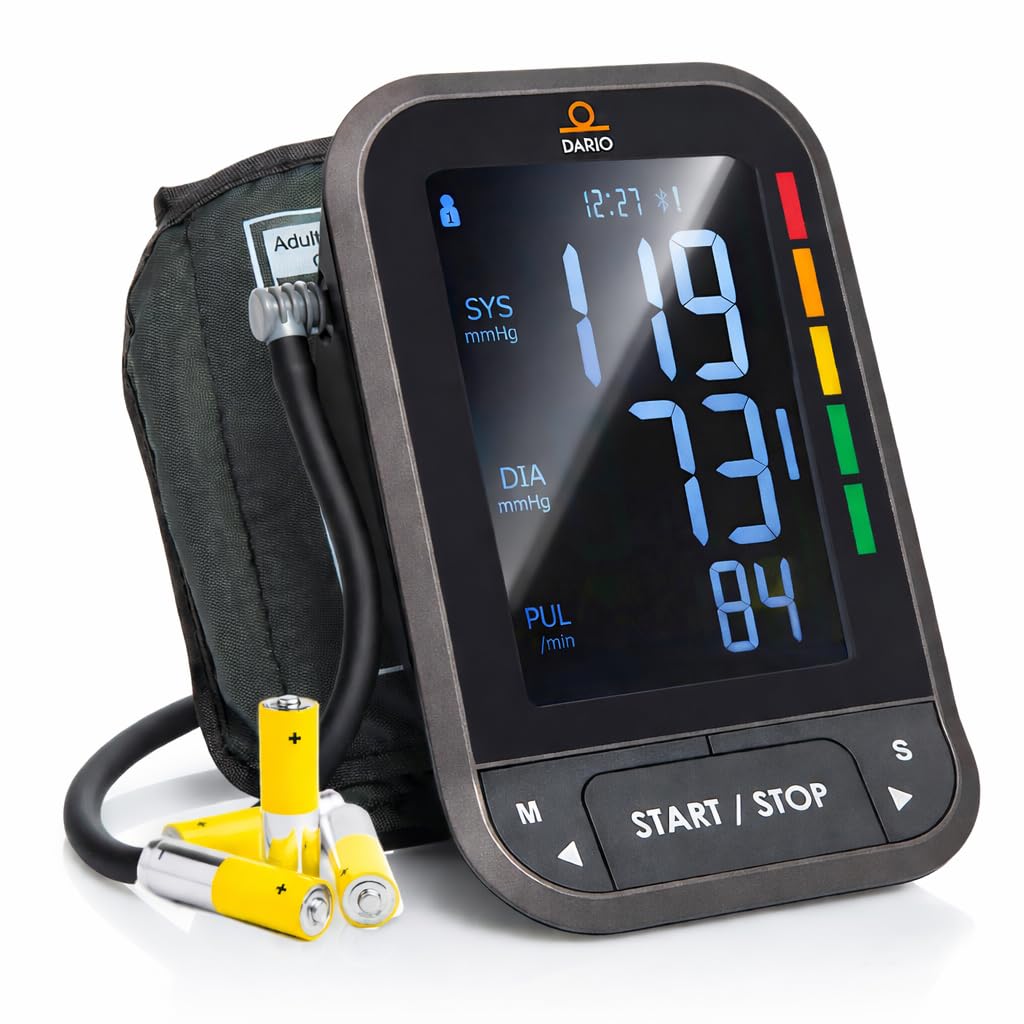
Who Should Buy a Home Blood Monitor
Home monitors suit adults who have been advised to track their readings, people who want to share a log with their doctor, and households where several family members need to check. They are a weaker fit for anyone expecting a device to replace medical care. If a reading worries you or you feel unwell, contact a medical professional rather than relying on the device.
Types of Blood Monitors Compared
Upper Arm Monitors
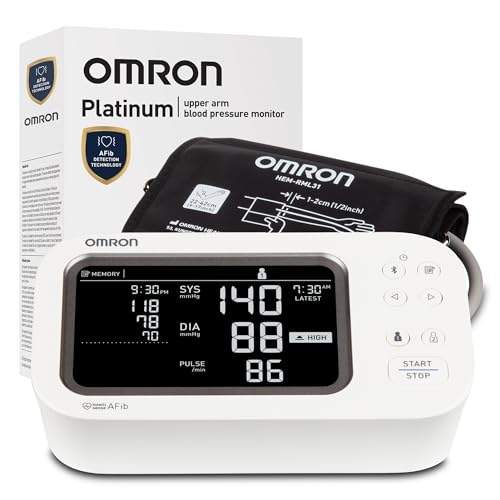
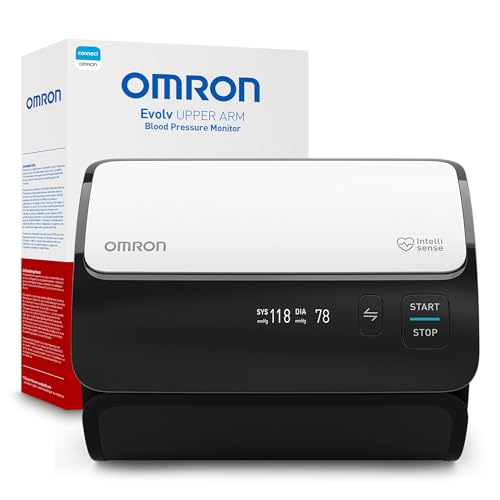
Upper arm cuffs are the most widely recommended type for home use because the cuff sits close to the heart and is less sensitive to small posture changes. They suit most adults and come in standard and large cuff sizes.
Wrist Monitors
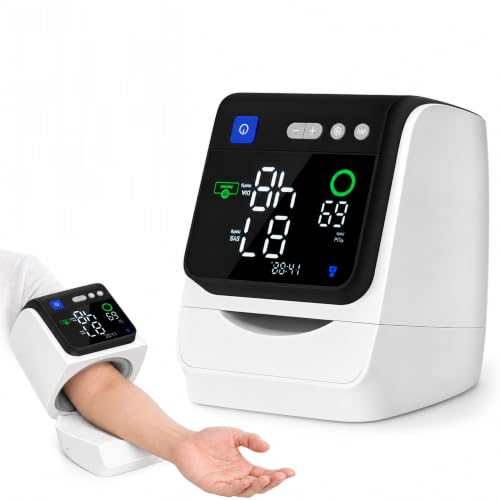
Wrist monitors are small and easy to travel with, but the wrist must be held at heart level for each reading, so technique matters more. They suit people who cannot use an arm cuff comfortably or who need a compact device.
Smart and App Connected Monitors
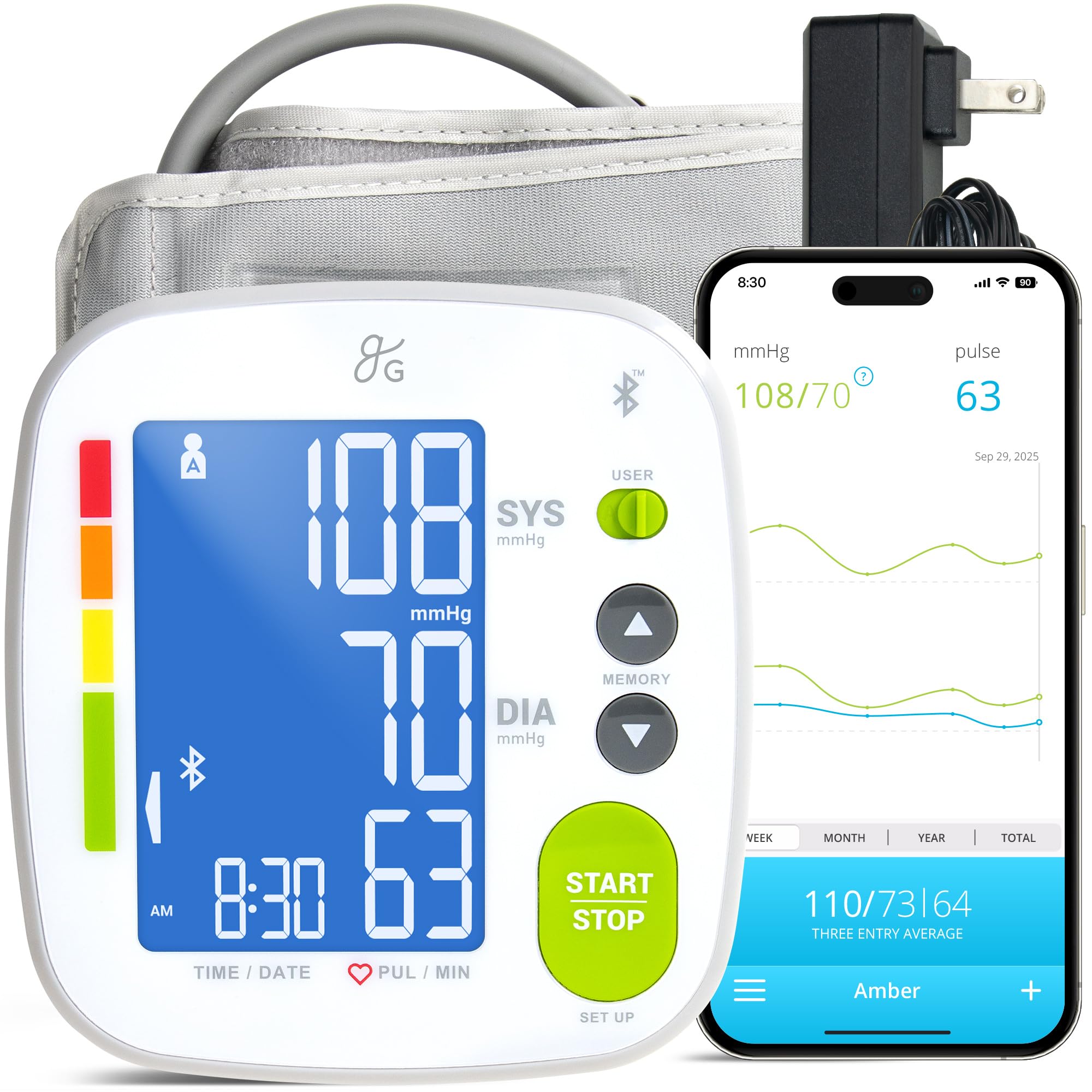
Bluetooth models send readings to a phone app so you can see trends and share a report. They are convenient for tracking, though the monitor should still store readings if you skip the app.
Key Features to Compare
Cuff Size and Fit
Fit is the most common cause of poor readings. Measure your upper arm and choose a cuff range that places your size in the middle. A cuff that is too small or too large can give misleading numbers.
Validation and Accuracy
Look for a monitor that states it has been clinically validated and cleared for home use, and check that the listing explains which standard it follows. Bring the monitor to an appointment so your doctor can compare it with the clinic measurement.
Display and Ease of Use
A large, backlit screen, a one-button start, and clear readings help, especially for older users. Look for an indicator that flags an irregular heartbeat or a poorly fitted cuff, and treat it as a reason to talk with your doctor, not as a diagnosis.
Memory and Multiple Users
Models that store readings for two users with dates and times make it easy to keep a log. Averaging of recent readings is helpful because single readings vary.
Power and Connectivity
Most monitors run on batteries, some are rechargeable, and many include an adapter. Check that the app works with your phone and is still supported.
Choosing the Best Blood Monitors for Different People
Older adults often prefer large digits, a backlit screen, and a one-button start, while people with a larger arm need an extra-wide cuff. Families who share one device should look for two user memories so each person keeps a separate log. Travelers and people with limited space may prefer a compact wrist model, provided they follow the positioning instructions carefully.
If you plan to share your readings with your doctor, a monitor with an app that exports a report saves time. If you do not want to use a phone, pick a model with a clear screen and memory that stores the last readings with the date and time.
How to Take a Good Reading
- Rest first. Sit quietly for about five minutes with your back supported and feet flat.
- Position the arm. Rest your arm on a table with the cuff at heart level and keep still and quiet during the reading.
- Avoid triggers. Skip caffeine, exercise, and smoking for about 30 minutes beforehand.
- Repeat and record. Take two readings a minute apart at similar times each day and write them down.
Reading the Numbers Safely
A blood pressure reading has two numbers, the higher systolic and the lower diastolic, and many monitors also show pulse. Do not compare your numbers with a chart and decide on your own what they mean. Your doctor knows your history and can tell you what range is right for you. Take readings at about the same time each day, write down the date, time, and any symptoms, and bring the log to appointments.
One reading can be high or low because of stress, a rushed walk, or a poorly fitted cuff. That is why many doctors ask for several readings over days or weeks, taken the same way. If your readings seem very different from what your doctor measured, bring the monitor so they can check its technique and accuracy.
Common Mistakes to Avoid
- Using a cuff that does not fit your arm.
- Measuring while talking, moving, or crossing your legs.
- Changing medication or treatment based on a home reading without talking to your doctor.
- Ignoring symptoms because a reading looks normal.
Care and Storage
Store the monitor in its case away from heat and moisture, keep the cuff clean and unfolded gently, and replace batteries as needed. Remove batteries for long storage. Compare the device with a clinic reading occasionally and replace it if it seems to drift or the cuff shows wear.
Frequently Asked Questions
Are home blood monitors accurate?
Validated upper arm monitors used with correct technique can give useful readings. Accuracy depends on cuff fit, posture, and a calm, rested state. Ask your doctor to check your device against theirs.
Upper arm or wrist: which should I choose?
Upper arm monitors are generally preferred because they are less sensitive to position. Choose a wrist model only if an arm cuff is not suitable, and follow the instructions carefully.
How often should I measure?
Follow your doctor's advice. Many people take readings at the same times each day for a set period and share the log at appointments.
When should I seek urgent help?
Seek urgent medical help for chest pain, severe headache, sudden weakness, vision changes, or breathlessness, whatever the device shows. This guide gives general information only and is not medical advice.
How long does a home monitor last?
With careful storage and battery care, many last several years. Replace it if readings seem inconsistent or the cuff wears out.
Do I need a large cuff?
If your upper arm is larger than the standard cuff range, you need a large cuff, and some models include both sizes. Measure your arm midway between the shoulder and elbow and check it against the range printed on the listing.
Looking for other health devices? See our guides to the best blood sugar monitors and the best recommended blood pressure monitors.
Final Thoughts
Match the cuff to your arm, choose a validated model that is easy to read, and use it the same way each time. Compare your shortlist in the product table above and choose the best blood monitors option that you will actually use correctly, then share your log with your doctor.


