Best Blood Pressure Wrist Monitors Home Use for 2026: What Actually Matters Before You Buy
Disclosure: We may earn a commission when you buy through links on this page, at no extra cost to you. As an Amazon Associate I earn from qualifying purchases. Learn more

Use this checklist for the best blood pressure wrist monitors home use, covering accuracy checks, wrist fit, positioning help, memory, and safe use daily.
Wrist monitors are appealing because they are small, travel well, and feel less intimidating than an arm cuff. Their weakness is also well known, since a wrist reading is only trustworthy when the device sits at heart level and the cuff fits your wrist exactly. This checklist for the best blood pressure wrist monitors home use shows you how to judge validation status, positioning help, cuff range, and memory before you spend, so home readings can support, not confuse, your care.
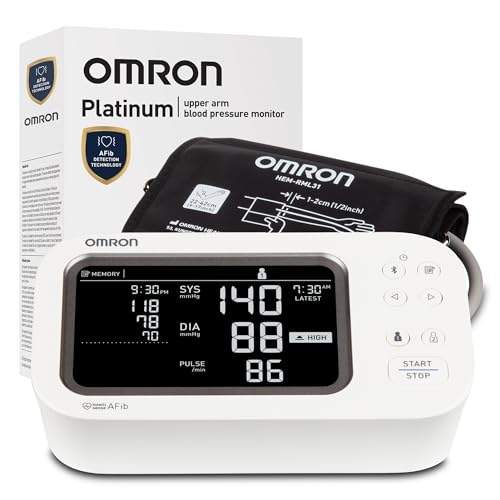
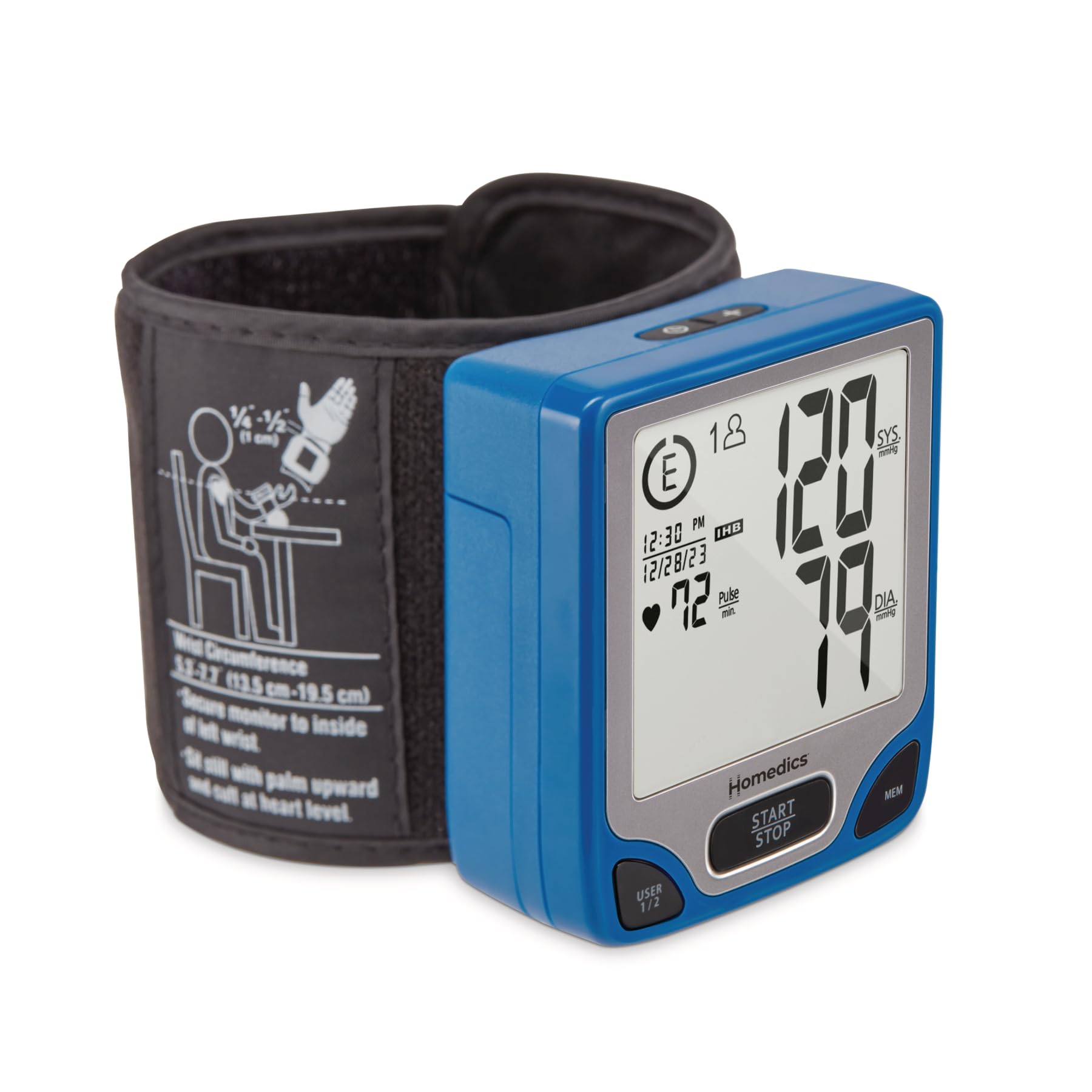
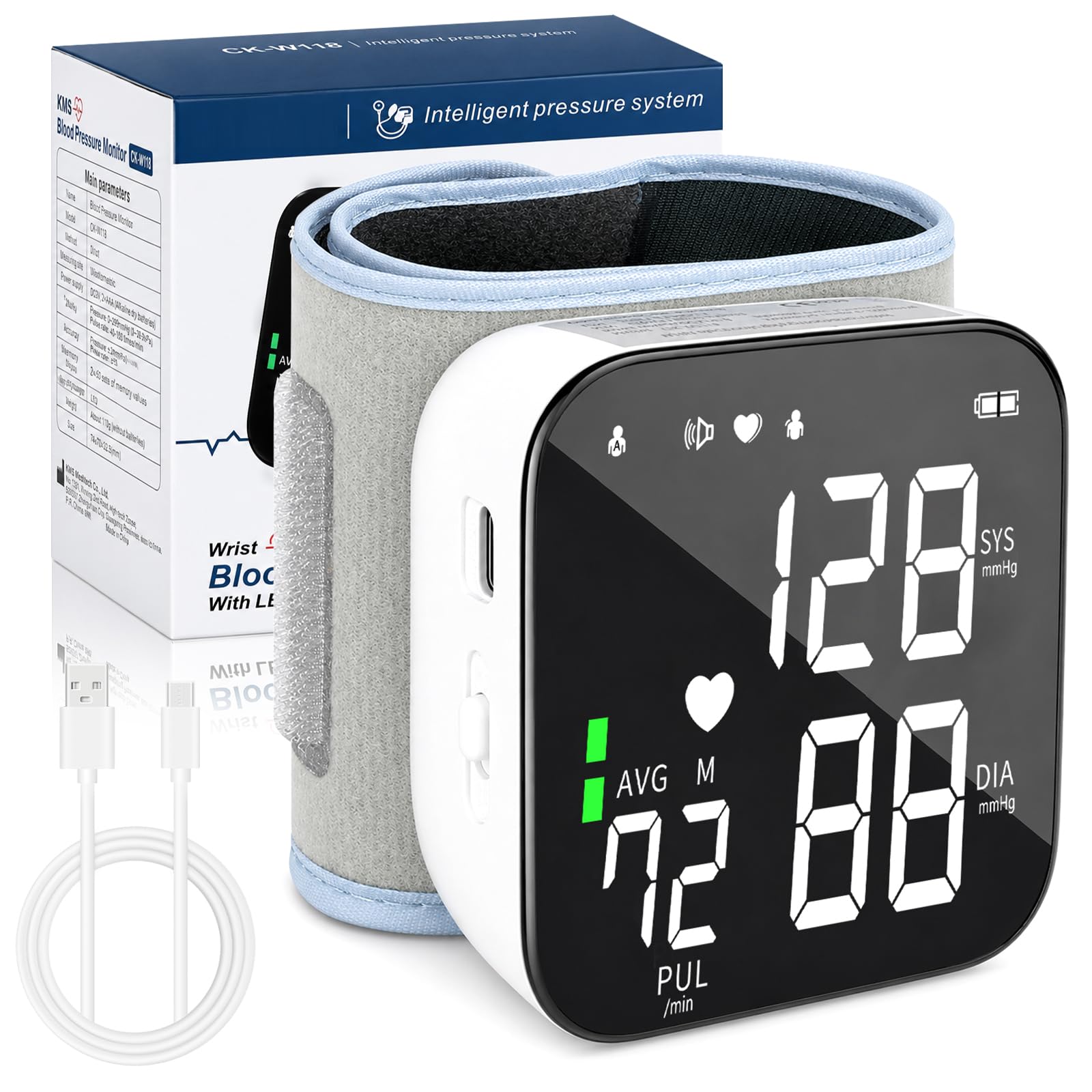
Start with the comparison table below, then work through the evaluation criteria in order. Accuracy checks come first for a reason, because no display or app feature can fix a device that measures poorly.



How to Evaluate Blood Pressure Wrist Monitors
Use these criteria as a scoring checklist. A strong wrist monitor passes the accuracy and fit tests first, then earns extra credit for guidance features that help you repeat the same correct position every morning and evening.
Clinical Validation and Accuracy
Validation is the first gate. Look for a model that has passed a recognized clinical validation protocol and appears on a trusted listing of validated devices. Avoid any monitor that cannot state its validation clearly. As a practical check, bring the device to a medical appointment and compare several readings with the office measurement taken the same day. A consistent gap is useful information to share with your clinician, who can advise whether wrist readings suit your situation at all.
Cuff Fit and Wrist Size Range
Wrist cuffs fit a narrower range than arm cuffs, often around 5.25 to 8.5 inches, and a cuff outside its range will read wrong no matter how careful you are. Measure your wrist with a soft tape before you buy and confirm your size sits near the middle of the stated range, not at either edge. Readers whose wrists fall outside wrist cuff ranges will usually do better with our guide to the best blood pressure monitors for home use, which focuses on arm cuff options.
Positioning Guidance and Sensors
Because the wrist must rest at heart level, the best designs include a position sensor or clear on screen guidance that tells you when your arm is too high or too low. This feature matters more on a wrist unit than almost any other extra. Without it, small angle changes can shift readings noticeably from one attempt to the next. If a model lacks guidance, you will need a firm routine, such as resting your elbow on a table and supporting your wrist with your other hand at chest height.
Display, Memory, and Averaging
A clear display with large digits helps you read results without glasses and reduces recording errors. Memory for at least two users, with date and time stamps, suits couples and keeps trends organized. Automatic averaging of the last two or three readings is genuinely useful, since single readings bounce around. If you prefer a screen first setup without phone pairing, our guide to the best digital blood pressure monitors for home use covers display focused options in more depth.
Power, Connectivity, and App Support
Most wrist units run on replaceable batteries, which is convenient for travel, while rechargeable models cut battery waste but need charging discipline. Bluetooth apps can graph trends and export reports for appointments, yet the monitor itself should store readings even if you skip the app. Check that the app is still supported and that your phone system is listed as compatible, because an abandoned app is a common source of frustration a year after purchase.
Irregular Heartbeat Flags and Safety Notes
Many monitors flag a possible irregular heartbeat during measurement. Treat that flag as a prompt to discuss with your clinician, not as a diagnosis, since movement and poor positioning can also trigger it. People with diagnosed arrhythmia, very large or very small wrists, or certain circulation conditions may be advised to use an arm cuff instead. When in doubt, ask your care team which device type they want you to use before you buy.
Ease of Use and Daily Routine Fit
The best monitor is the one you will use correctly twice a day. One button start, a cuff that wraps without a struggle, and a case that keeps the unit protected all support a steady routine. If others in the home will share it, look for simple user switching. Shoppers comparing simpler home setups can also see our guide to the best bp monitors home use for a wider view of home formats.
Three Buyer Profiles That Pass the Checklist
Balanced Profile
The strongest all around profile combines clear validation, a position sensor, two user memory, and averaging. It suits most adults who will measure morning and evening and share results at appointments. Expect to pay a mid range price, roughly about $60 to $120, for this combination. The main limit is that even the best wrist unit demands careful positioning every single time, so your routine matters as much as the hardware.
Value Profile
A value profile keeps validation and a readable display while trimming app features and extra storage. Prices often fall around $40 to $70. It suits a single user who records readings in a notebook or a simple phone note. The trade off is convenience, since manual logging takes discipline, and you may get fewer stored readings and no automatic export when your clinician asks for a longer history.
Compact Profile
A compact profile prioritizes a small case, light weight, and fast setup for travel or a second home. It suits frequent travelers who already know their positioning routine well. Compact units sometimes have smaller digits and fewer memory slots, so confirm you can read the screen easily. Readers who prefer a cuff that inflates on its own may also compare our guide to the best automatic blood pressure monitors before deciding.
Quick Buyer Checklist
- Is the model clearly listed as clinically validated?
- Does my wrist measurement fall near the middle of the cuff range?
- Does it guide or confirm correct wrist position at heart level?
- Does it store enough dated readings for my routine?
- Can I read the display easily without glasses?
- Will my clinician accept wrist readings for my situation?
- Does it work fully without a phone app if I skip pairing?
Red Flags to Watch For
- Vague accuracy claims with no validation protocol named and no listing you can verify.
- No stated wrist size range, or a range that puts your wrist at the very edge.
- Very short warranty and no clear United States support contact.
- Review patterns that praise the app while saying nothing about consistent readings.
- Claims that a home monitor can diagnose a condition, which no home device should promise.
How to Make Your Blood Pressure Wrist Monitor Last Longer
Store the unit in its case away from heat and direct sun, and keep the cuff clean and dry. Remove batteries during long storage to prevent leaks. Recheck your technique every few months against the manual, since small habits drift over time. About once a year, or as your clinician suggests, compare the device with an office reading to confirm it still tracks well, and replace it if readings drift or the cuff shows wear.
A practical know how point is measurement routine. Sit quietly for five minutes, keep your feet flat, avoid caffeine and exercise for at least 30 minutes beforehand, and take two readings a minute apart. Write down or save both. Consistency in timing and posture often improves the usefulness of your log more than any single feature upgrade, because your clinician can read a steady routine as a real trend rather than noise.
Blood Pressure Wrist Monitors: Your Questions Answered
Are wrist blood pressure monitors accurate enough for home use?
Validated wrist monitors can be accurate enough when you position your wrist at heart level and your wrist fits the cuff range. Accuracy drops quickly when the wrist rests in your lap or above your chest. A helpful extra step is to keep your first week of readings and review them with your clinician, who can confirm the pattern looks sensible for you and adjust your routine if needed.
What wrist size works with a wrist blood pressure monitor?
Most wrist cuffs fit roughly 5.25 to 8.5 inches, but you should measure your own wrist and match it to the specific range stated for the model you are considering. If your wrist is outside that span, choose an arm cuff monitor instead. Measure just above the wrist bone with a soft tape held snug but not tight, and measure again at a different time of day if you are close to a limit.
When should I take my home blood pressure readings?
Take readings at consistent times, commonly morning before medication and breakfast, and evening before dinner, unless your clinician gives you a different plan. Sit quietly first and take two readings a minute apart. Seek prompt medical care for symptoms such as chest pain, severe headache, vision changes, or shortness of breath, and do not wait for a home reading to decide, since symptoms matter more than a single number.
How long does a wrist blood pressure monitor last?
A well kept wrist monitor often lasts about three to five years. Battery changes, cuff wear, and sensor drift set the practical limit more than the electronics alone. Performance can fade gradually, which is why periodic comparison with an office measurement matters. If the cuff stops sealing evenly or the display fades, replacement is safer than guessing whether your readings still reflect your health.
Should I choose a wrist monitor or an arm cuff monitor?
Choose an arm cuff monitor if your clinician prefers it, if your wrist falls outside cuff ranges, or if you have a condition that affects wrist readings. Choose a wrist monitor if portability and ease will help you measure consistently and you are willing to be careful about position every time. Many households keep an arm unit as the main device and use a validated wrist unit for travel.
Our Verdict
Validation, cuff fit, and positioning help decide whether home wrist readings are worth trusting, so check those three items in the product table above before you look at apps or extras. Talk with your clinician about your personal needs and whether wrist monitoring is right for you. Chosen carefully, the best blood pressure wrist monitors home use can give you a steady, shareable record that supports better conversations at every appointment.