Best Bleach for White Towels 2026 Whitening Guide
Disclosure: We may earn a commission when you buy through links on this page, at no extra cost to you. As an Amazon Associate I earn from qualifying purchases. Learn more

A plain guide to bleach for white towels: chlorine vs oxygen bleach, safe doses, stain removal, and fabric care, so whites stay white without damage.
White towels turn grey, yellow, or dingy over time, and best bleach for white towels can bring them back, but only if you use the right type, the right dose, and the right cycle. Chlorine bleach whitens fast and disinfects, yet it can weaken cotton and yellow some fabrics if overused, while oxygen bleach is gentler and safer for regular use. The comparison table below shows the main bleach types side by side, so you can compare strength, safety, and fabric suitability before you buy.
This guide explains the difference between chlorine and oxygen bleach, how to dose each one, and which stains each handles best. It also covers the safety rules that matter, from ventilation to never mixing products, and how to care for towels so they stay white longer. By the end you should know which bleach suits your towels and how to use it without damage.




Chlorine Bleach Versus Oxygen Bleach
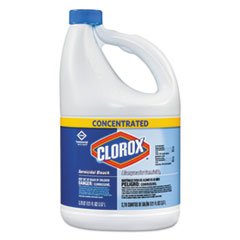
Chlorine bleach, usually sodium hypochlorite, is the strongest whitening option and also disinfects, which suits heavily soiled towels and households dealing with illness. It works fast, but it weakens cotton fibers over time, can yellow towels if overdosed or used in hot water incorrectly, and damages elastic, colored trims, and some synthetics. Use it sparingly, for occasional deep whitening rather than every wash. These points matter most when you compare the best bleach for white towels for your own home.
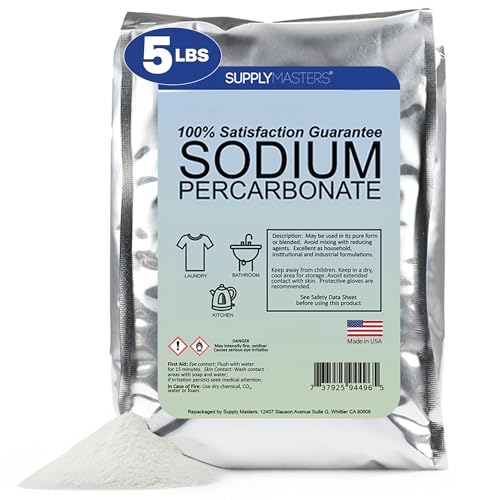
Oxygen bleach, usually sodium percarbonate, releases hydrogen peroxide in water and whitens more gently without the harsh fumes. It is safe for most whites and many colors, suits regular use, and works well when soaked before washing. It does not disinfect as strongly as chlorine bleach, but for everyday towel whitening it is the safer default for most homes.
Dosing, Water Temperature, and Soaking
Follow the product label for dosing, since more bleach does not mean whiter towels and excess bleach damages fibers and leaves residue. For chlorine bleach, add it to the dispenser or dilute it in water first, never pour it directly onto dry towels, which causes spots and weak patches. For oxygen bleach, dissolve the powder in warm water before adding towels, since undissolved powder can leave marks.
Warm water suits most towel bleaching, while very hot water can set some stains and weaken fibers when combined with chlorine bleach. Soaking white towels in oxygen bleach solution for one to six hours before washing lifts grey and yellow tones better than a short wash alone. Always check the towel care label first, since some towels carry finishes or trims that bleach will damage.
Stain Removal: What Bleach Can and Cannot Do
Bleach handles dinginess, yellowing from body oils and detergent buildup, and many organic stains such as sweat and mildew marks. It does not remove rust stains, and chlorine bleach can actually set rust and make it worse, so treat rust with a dedicated rust remover before any bleach. Protein stains such as blood should be rinsed in cold water first, since hot water and bleach can set them.
For mildew spots, wash towels promptly, since mildew weakens fibers and smells worse the longer it sits. A soak in oxygen bleach followed by a hot wash usually lifts light mildew, while heavy mildew may have damaged the towel beyond recovery. Prevention matters more than stain removal: dry towels fully between uses and wash them regularly before dinginess builds up.
Safety Rules You Must Not Skip
Never mix bleach with ammonia or with acidic cleaners such as vinegar or toilet bowl cleaner, since the combination can release toxic gases that cause serious breathing harm. Use bleach in a ventilated room, wear gloves, and keep the product away from children and pets. If bleach splashes in eyes, rinse with plenty of water and seek medical advice promptly.
Store bleach in its original container, away from heat and sunlight, and do not keep old chlorine bleach for years, since it loses strength and can become unpredictable. Keep bleach away from colored laundry, since even a small splash can spot clothes permanently. If you feel dizzy or short of breath while using bleach, leave the room for fresh air at once and seek help if symptoms persist.
Towel Care So Whites Stay White Longer
Wash white towels separately from colors and from heavily soiled items, since dye transfer and dirt redeposit cause greying faster than age alone. Use the right detergent dose, since excess detergent leaves residue that traps dirt and dulls whites. Avoid fabric softener on towels, since it coats fibers, reduces absorbency, and traps residue that yellows over time.
Dry towels fully and promptly, since damp towels develop mildew and musty smells that bleach must then fight. Line drying in sunlight naturally brightens whites, while tumble drying on a moderate heat keeps towels fluffy. Replace towels when fibers thin, edges fray, or the fabric no longer absorbs well, since no bleach can restore a worn out towel.
When Bleach Is Not the Answer
Some towels should never meet chlorine bleach: towels with colored trims, embroidery, or elastic details can be damaged, and towels made from blends with sensitive fibers may weaken. Check the care label, and when in doubt, try oxygen bleach on a small hidden area first. If a towel is already thin or fraying, bleaching will shorten its remaining life rather than save it.
For towels that stay grey despite proper bleaching, the cause may be hard water mineral buildup, in which case a water softener or a dedicated laundry booster may help more than stronger bleach. Sometimes the honest answer is replacement: a towel that has served for years and lost its absorbency has earned retirement, and a new towel will feel better than a bleached old one.
Related Buying Guides
For the towels themselves, start with best white towels, best white bath towels, and best fluffy white towels. For the wash itself, compare best bleach for towels and best detergent for white towels, since detergent choice affects whiteness as much as bleach does.
Frequently Asked Questions
Should I use chlorine or oxygen bleach on white towels?
Oxygen bleach suits regular use, since it whitens gently, is safe for most whites, and works well as a soak before washing. Chlorine bleach whitens faster and disinfects, but it weakens cotton over time and can yellow towels if overdosed, so reserve it for occasional deep whitening. For everyday towel care, oxygen bleach is the safer default for most homes.
How much bleach should I use for towels?
Follow the product label, since more bleach does not mean whiter towels and excess bleach damages fibers and leaves residue. Add chlorine bleach to the dispenser or dilute it in water first, never pour it directly onto dry towels. Dissolve oxygen bleach powder in warm water before adding towels, since undissolved powder can leave marks.
Can bleach remove yellow stains from white towels?
Yes, yellowing from body oils, detergent buildup, and age usually lifts with an oxygen bleach soak followed by a warm wash. Chlorine bleach can also whiten, but it can yellow some fabrics if overdosed, so oxygen bleach is safer for yellowed towels. Rust stains are the exception: bleach can set rust, so treat rust with a dedicated remover first.
Is it safe to mix bleach with other cleaners?
No, never mix bleach with ammonia or acidic cleaners such as vinegar or toilet bowl cleaner, since the combination can release toxic gases that cause serious breathing harm. Use bleach in a ventilated room, wear gloves, and keep it away from children and pets. If you feel dizzy or short of breath, leave the room for fresh air at once.
Why do my white towels keep turning grey?
Greying usually comes from washing whites with colors, using excess detergent that leaves residue, or using fabric softener that coats fibers. Wash whites separately, dose detergent correctly, and skip softener on towels, since it reduces absorbency and traps dirt. Line drying in sunlight also brightens whites naturally between bleaching washes.
Final Thoughts
The best bleach for white towels is the one you use correctly: oxygen bleach for regular whitening, chlorine bleach sparingly for deep jobs, and never mixed with other cleaners. The product table above gives a quick comparison, but dosing, soaking, and towel care matter more than bleach strength alone. Wash whites separately, skip softener, dry towels fully, and your whites will stay bright far longer. A little care in the laundry room saves a lot of money on replacement towels.