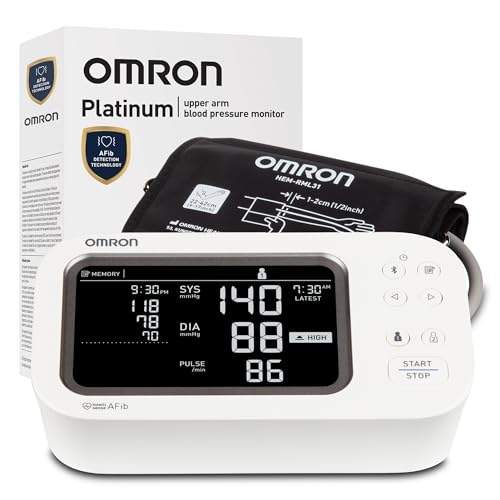
Best Blood Pressure Watches 2026: Buying Guide
Disclosure: We may earn a commission when you buy through links on this page, at no extra cost to you. As an Amazon Associate I earn from qualifying purchases. Learn more

A careful guide to blood pressure watches, covering accuracy limits, cuff calibration, comfort, trends and when readings need professional advice.
Blood pressure watches promise convenient readings from your wrist, but accuracy varies greatly and context matters. This guide to best blood pressure watches explains how these watches work, their limits, and how to use them wisely alongside proper care. The comparison table below gives a quick overview, and the sections that follow focus on realistic expectations.
A wrist watch cannot replace a validated upper arm cuff for diagnosis or treatment decisions, and readings can shift with wrist position, movement, and calibration. That does not make watches useless, since trends over time can still inform conversations with a clinician. This guide helps you use them as a helpful tool, not a medical verdict.

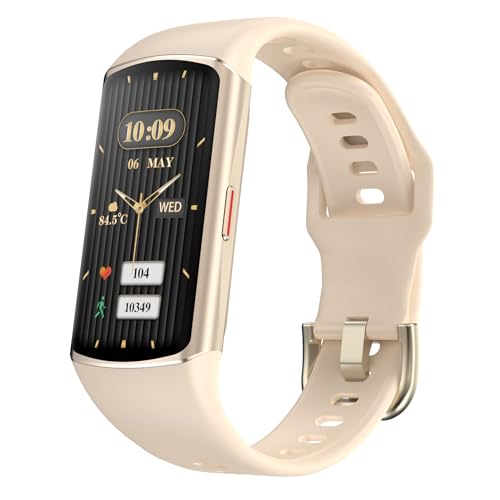

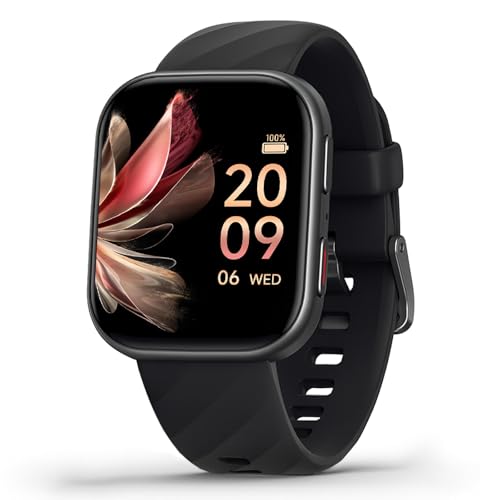

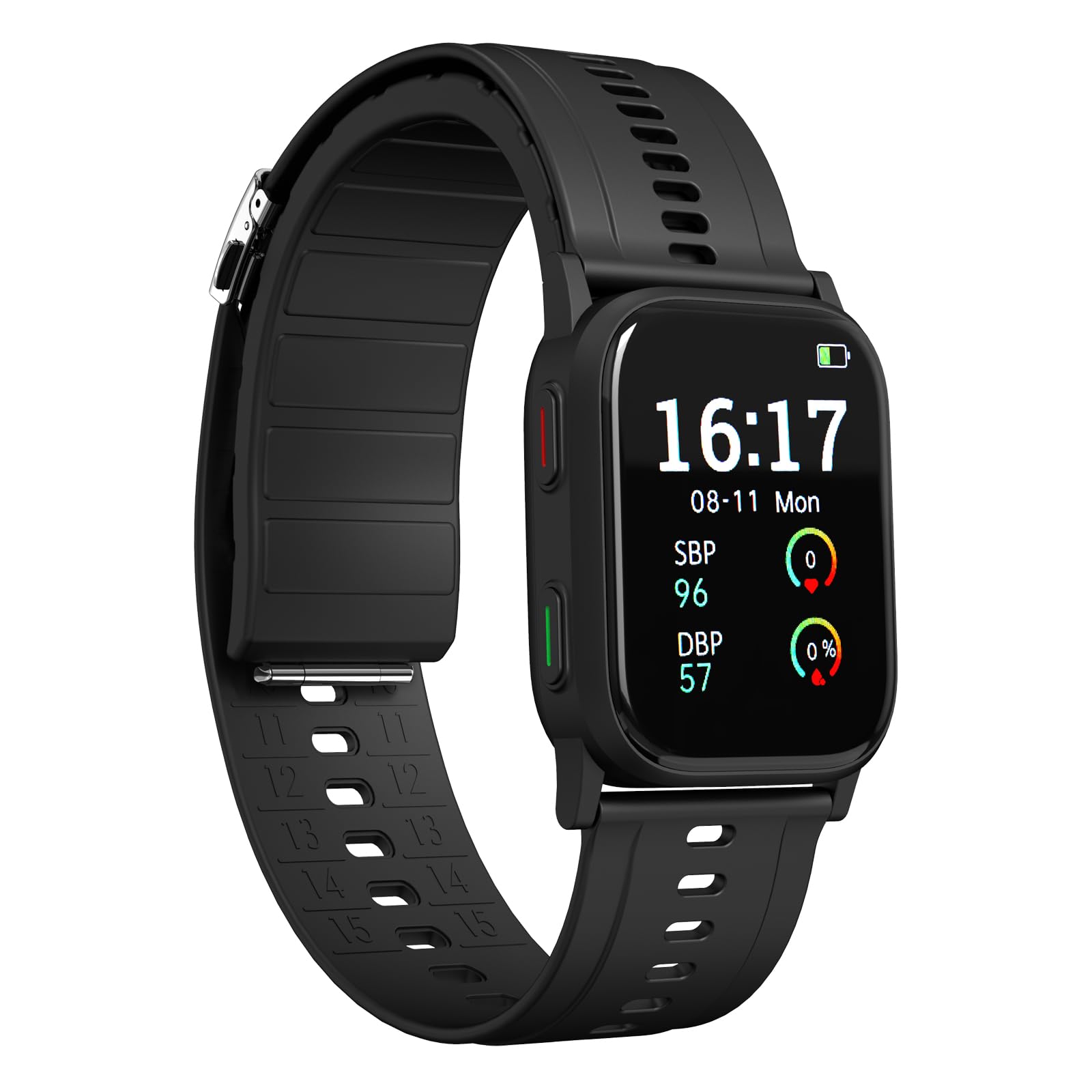
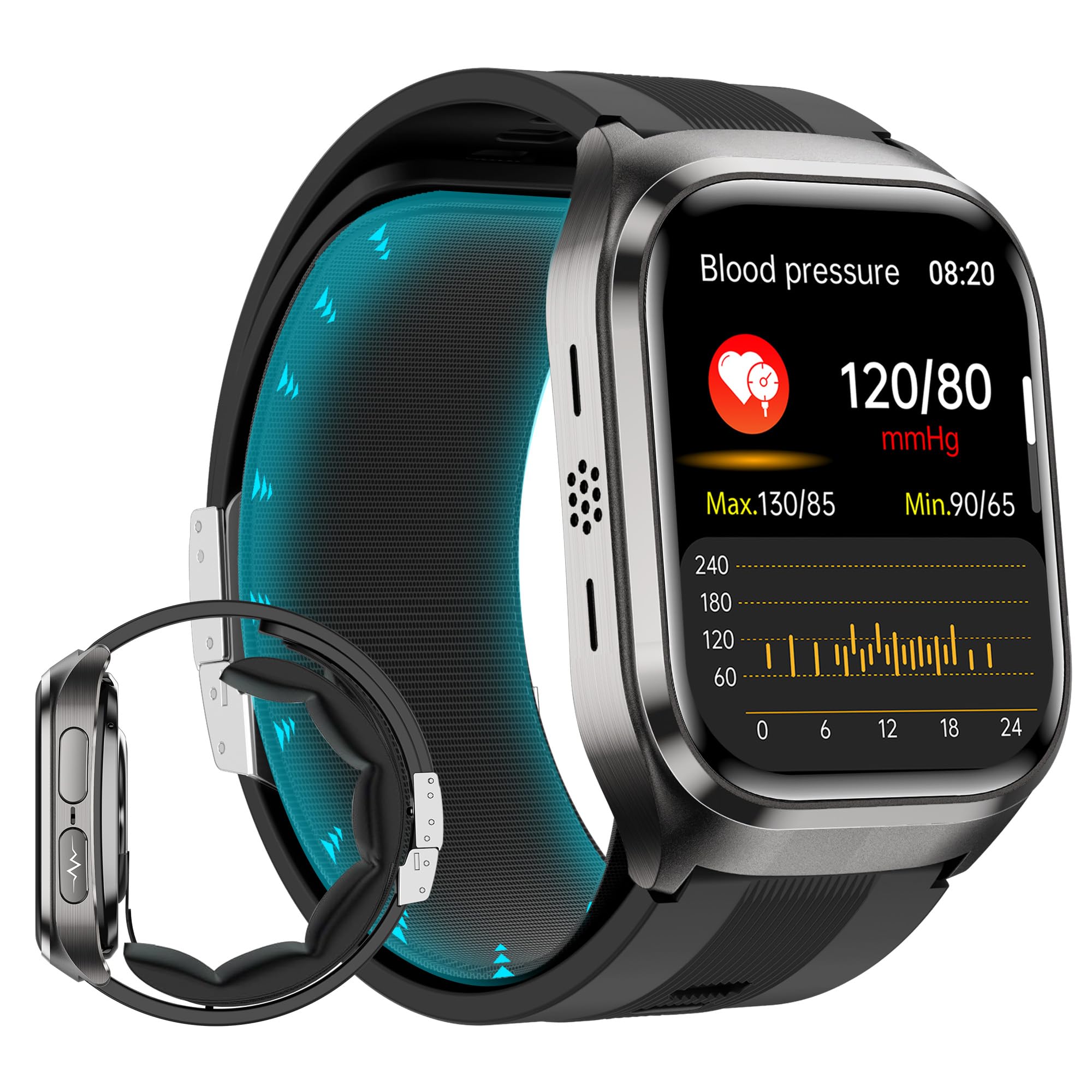
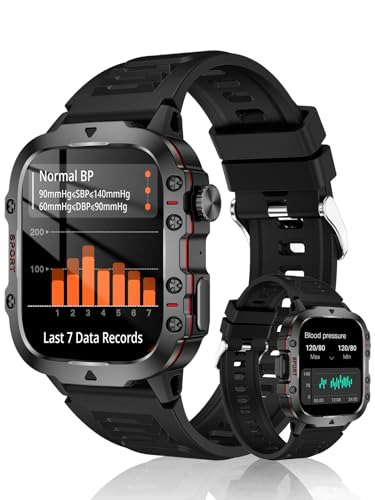


Who Should Buy Best Blood Pressure Watches
These watches suit adults who want to track blood pressure trends between clinic visits and already understand the limits of wrist readings. They also suit people who find upper arm cuffs uncomfortable for frequent checks, as a supplement rather than a replacement. If you need readings for diagnosis, medication changes, or pregnancy care, follow your clinician guidance on validated devices instead.
Types Compared
Blood pressure watches divide by how they estimate pressure and what else they track.
Watches With Cuff Based Sensors
Some watches use a small inflatable band on the wrist to measure pressure more like a traditional cuff. They suit users who want closer alignment with cuff readings, though wrist position still affects accuracy. Follow the maker instructions exactly for wrist height and stillness during readings.
Watches Using Pulse Wave Estimates
Other watches estimate pressure from pulse wave signals and need regular calibration with an upper arm cuff. They suit trend tracking between calibrations, but estimates drift over time without recalibration. Treat their numbers as trends, not precise measurements.
Smartwatches With Health Suites
Smartwatches combine blood pressure estimates with heart rate, sleep, and activity tracking. They suit users who want one device for general wellness trends. Their blood pressure feature often needs a companion app and calibration, so check regional availability, since features vary by country.
Key Features to Compare
Accuracy and Calibration
Accuracy depends on calibration, wrist position, and stillness, so follow instructions carefully for every reading. Calibrate regularly with a validated upper arm cuff if the watch requires it, and compare readings over time rather than trusting a single number. If watch and cuff readings differ greatly, trust the cuff and discuss the gap with a clinician.
Comfort, Fit, and Wearability
A snug, correctly positioned band matters for readings, so check band sizes and adjustability. A watch that slips or sits too loose gives unreliable numbers. Comfort matters too, since a watch you wear daily gives more useful trends than one left in a drawer.
App, Trends, and Data Sharing
A good app shows trends over weeks, lets you log context such as rest and activity, and exports data for clinician visits. Look for clear graphs rather than single number displays, since trends reveal patterns. Check data privacy settings and whether you can share reports easily.
Battery Life and Everyday Use
Blood pressure features and frequent readings drain batteries faster than basic timekeeping. Check battery life with your expected reading frequency, and consider charging habits. A watch that dies midweek gives gaps in trends, so multi day battery suits regular tracking better.
Safety Notes and Limits
Watches are not suitable for diagnosing high blood pressure, adjusting medicines, or managing pregnancy related blood pressure concerns on their own. Seek urgent care for chest pain, severe headache, vision changes, breathlessness, or very high readings paired with symptoms. Always follow clinician guidance for treatment decisions, regardless of watch numbers.
Common Mistakes to Avoid
Avoid these blood pressure watch mistakes for safer, more useful tracking.
- Treating a single wrist reading as a diagnosis or a reason to change medicine.
- Skipping calibration, which lets estimates drift far from true values.
- Taking readings while moving, talking, or with the wrist at the wrong height.
- Ignoring symptoms because a watch reading looks normal.
Everyday Use and Care
Keep the sensor clean, charge regularly, and update software for accuracy improvements. Store calibration records and note reading conditions in the app. Replace bands when they stretch, since a loose band harms accuracy.
The product table above gives a quick side by side view, so use it to shortlist two or three options before you read the details again.
A Final Check Before You Buy
Before you buy, check whether the blood pressure feature works in your country and whether it needs calibration. Compare comfort, app trends, and battery life, and confirm return terms. Test the watch against a validated upper arm cuff over several days, and discuss any large gaps with your clinician.
Getting the Most From Your Choice
Building a useful blood pressure trend routine takes consistency, since readings vary with time of day, activity, meals, and stress. Take readings at similar times each day, seated and rested, with your arm supported and wrist at heart level, and avoid caffeine, exercise, and smoking for at least thirty minutes beforehand where possible. Log context alongside numbers, such as whether you just woke, exercised, or felt stressed, since context explains many variations that look alarming in isolation. Share a weekly summary with your clinician rather than single readings, since trends and patterns guide decisions better than one high or low number. If readings swing wildly despite consistent technique, compare against an upper arm cuff and discuss the gap, since technique or device limits may explain the difference.
Privacy and data habits deserve attention too, since health watches collect sensitive information that syncs to apps and cloud accounts. Check what data the app stores, who can access it, and whether you can export or delete your history. Use a strong passcode on the watch and phone, and review app permissions after updates, since updates sometimes reset sharing settings. If you share data with family or a clinician, use the app export feature rather than screenshots, since exports include dates, times, and context more reliably. Finally, remember that a watch trend never replaces professional assessment, so seek care promptly for symptoms or repeated concerning readings even if the watch shows reassuring numbers at other times.
Related Buying Guides
For blood pressure monitor watches, read our guide to best blood pressure monitor watches.
For blood pressure smart watches, see our guide to best blood pressure smart watch.
For watches for blood pressure monitoring, read our guide to best watches for blood pressure monitoring.
For watches to measure blood pressure, see our guide to best watches to measure blood pressure.
For smart watches for blood pressure, read our guide to best smart watches blood pressure.
If Your First Choice Does Not Work
If watch readings seem inconsistent, standardize your technique before doubting the device entirely. Sit rested with feet flat, arm supported, and wrist at heart level, avoid talking and movement during readings, and take readings at similar times each day. Compare the watch against a validated upper arm cuff over several days, noting conditions for each pair of readings, since that comparison reveals whether the gap is consistent or random. If readings differ greatly or symptoms appear, trust the cuff and seek clinician advice promptly rather than waiting for watch trends to clarify. A watch that cannot stay calibrated despite correct technique may simply be the wrong tool for your needs.
Frequently Asked Questions
Are blood pressure watches accurate?
Wrist watches are less accurate than validated upper arm cuffs, and accuracy depends on calibration, position, and stillness. They suit trend tracking better than single precise readings. If a reading seems off or conflicts with symptoms, recheck with an upper arm cuff and seek advice if needed.
Do I still need an upper arm cuff?
Yes, especially for diagnosis, medication decisions, or any concerning readings. An upper arm cuff remains the standard for reliable measurement. Use a watch as a supplement for trends between cuff checks, not as a replacement for proper measurement.
How often should I calibrate a blood pressure watch?
Follow the maker guidance, which often means calibrating every few weeks with an upper arm cuff. Recalibrate sooner if readings seem inconsistent or after a long gap in use. Keep a note of calibration dates so trends stay meaningful over time.
Why do my watch readings vary so much?
Readings vary with wrist height, arm support, movement, talking, caffeine, stress, and time of day. Take readings seated, rested, with feet flat and wrist at heart level, and avoid talking during measurement. Consistent conditions give more comparable trends.
When should I seek urgent care for blood pressure symptoms?
Seek urgent care for chest pain, severe headache, vision changes, breathlessness, weakness, or confusion, regardless of watch readings. Also seek prompt advice for repeated very high readings, especially with symptoms. Do not wait for a watch trend to improve before seeking help for worrying symptoms.
Final Thoughts
Use a blood pressure watch for trends, calibrate it properly, and always pair it with a validated upper arm cuff for important decisions. Comfort, app trends, and battery life matter, but accuracy limits matter most. If you choose with realistic expectations, best blood pressure watches can support conversations with your clinician, not replace them. Talk with your clinician promptly about any concerning readings or symptoms.