
Best Blood Pressure Monitors for Home Use in 2026: What Your Money Really Gets You at Every Price
Disclosure: We may earn a commission when you buy through links on this page, at no extra cost to you. As an Amazon Associate I earn from qualifying purchases. Learn more

Compare the best blood pressure monitors for home use at every budget: validated accuracy, the right cuff size, app sync and the features worth paying for.
Home monitors range from under about $40 to well over $150, and the price gap says less about accuracy than most shoppers expect. What separates the best blood pressure monitors for home use from the rest is independent validation, the right cuff size, and a measuring routine you can repeat the same way every day. This guide is organized by budget, so you can see exactly what each extra dollar buys and what it does not.
Below you will find the three price tiers, the features that genuinely protect accuracy, the measuring protocol clinics ask patients to follow, and the situations where app sync is worth paying for. The product table lines up the picks side by side, and the sections that follow explain how to choose with your clinician's plan in mind.


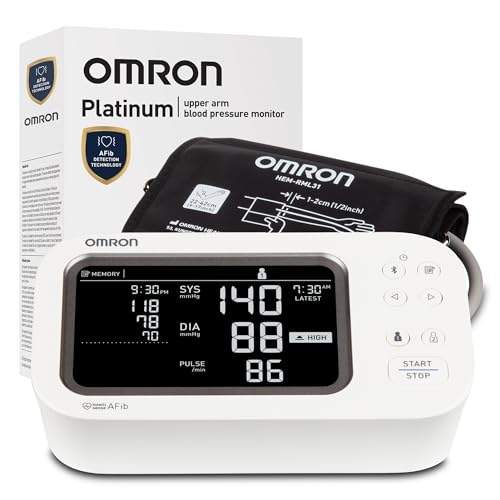
First, What a Home Monitor Can and Cannot Do
A home monitor supports a management plan you have agreed with your clinician. It does not diagnose hypertension or any other condition, and no home reading on its own should lead you to start, stop, or change medication. Diagnosis and treatment decisions belong to your clinician, who interprets your home log alongside office readings and your health history.
Readings are also estimates that move through the day with stress, activity, caffeine, and posture, so a pattern over one or two weeks tells your clinician far more than any single number. Keep a written or app based log and bring it to appointments. One number does demand fast action: a reading around 180/120 or higher, especially with chest pain, shortness of breath, or vision changes, needs prompt medical contact the same day, and severe symptoms mean calling emergency services right away.
What Your Money Gets You at Each Price Tier
Price tiers in this category buy convenience and data handling far more than raw accuracy. A validated budget unit used correctly will serve most people better than an unvalidated premium unit used carelessly.
Budget Tier: Under About $40
Expect a basic automatic upper arm unit with one button operation, a standard cuff, and a small memory of about 14 to 30 readings for a single user. Validated models exist at this level, which is why this tier is a sensible starting point for someone whose clinician asked for a simple morning and evening log. The trade offs are a narrower cuff range, a smaller display, and no app connection. If your arm fits the included cuff and you are happy writing numbers in a notebook, this tier covers the essentials without waste.
Midrange Tier: About $40 to $80
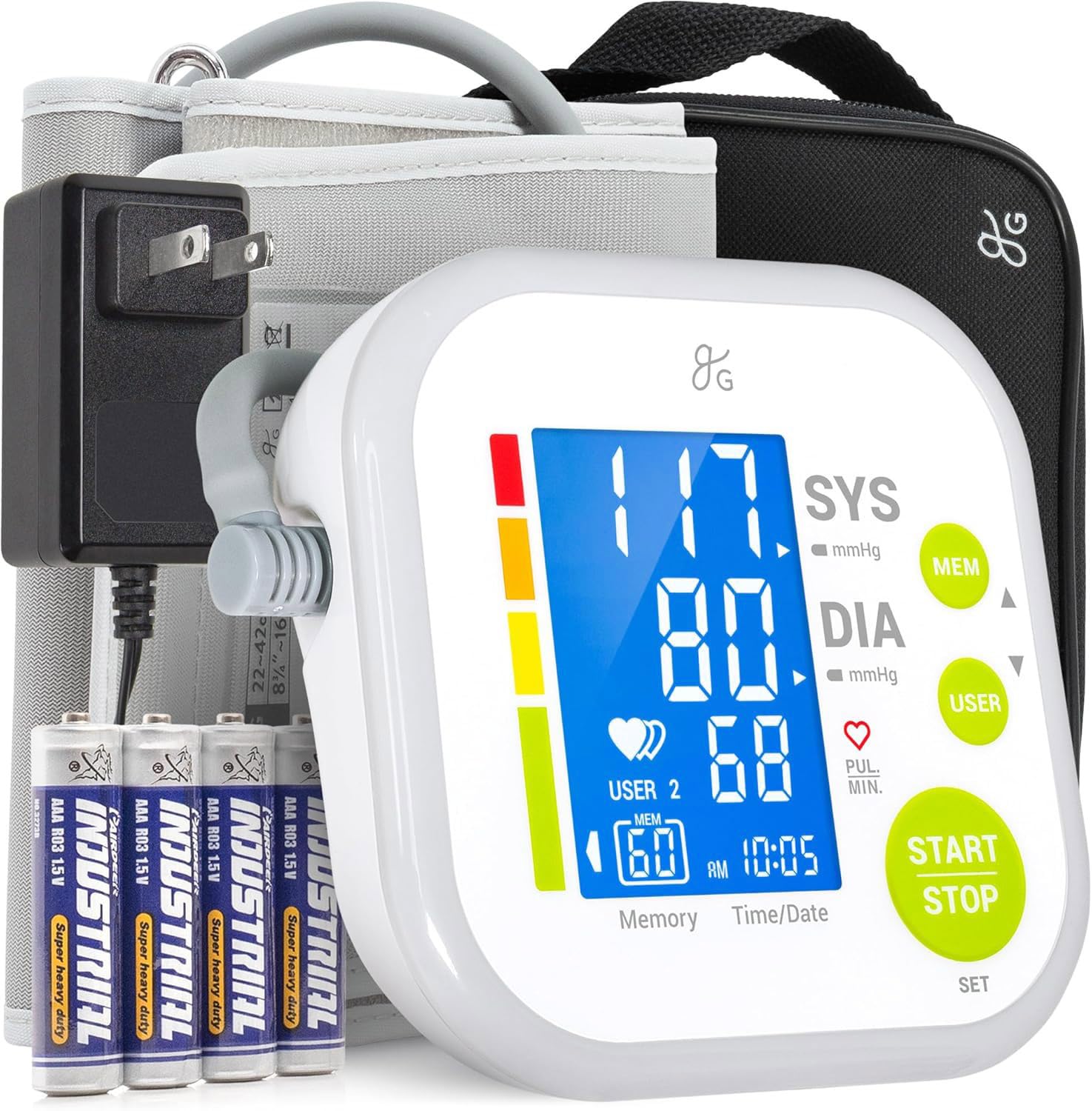
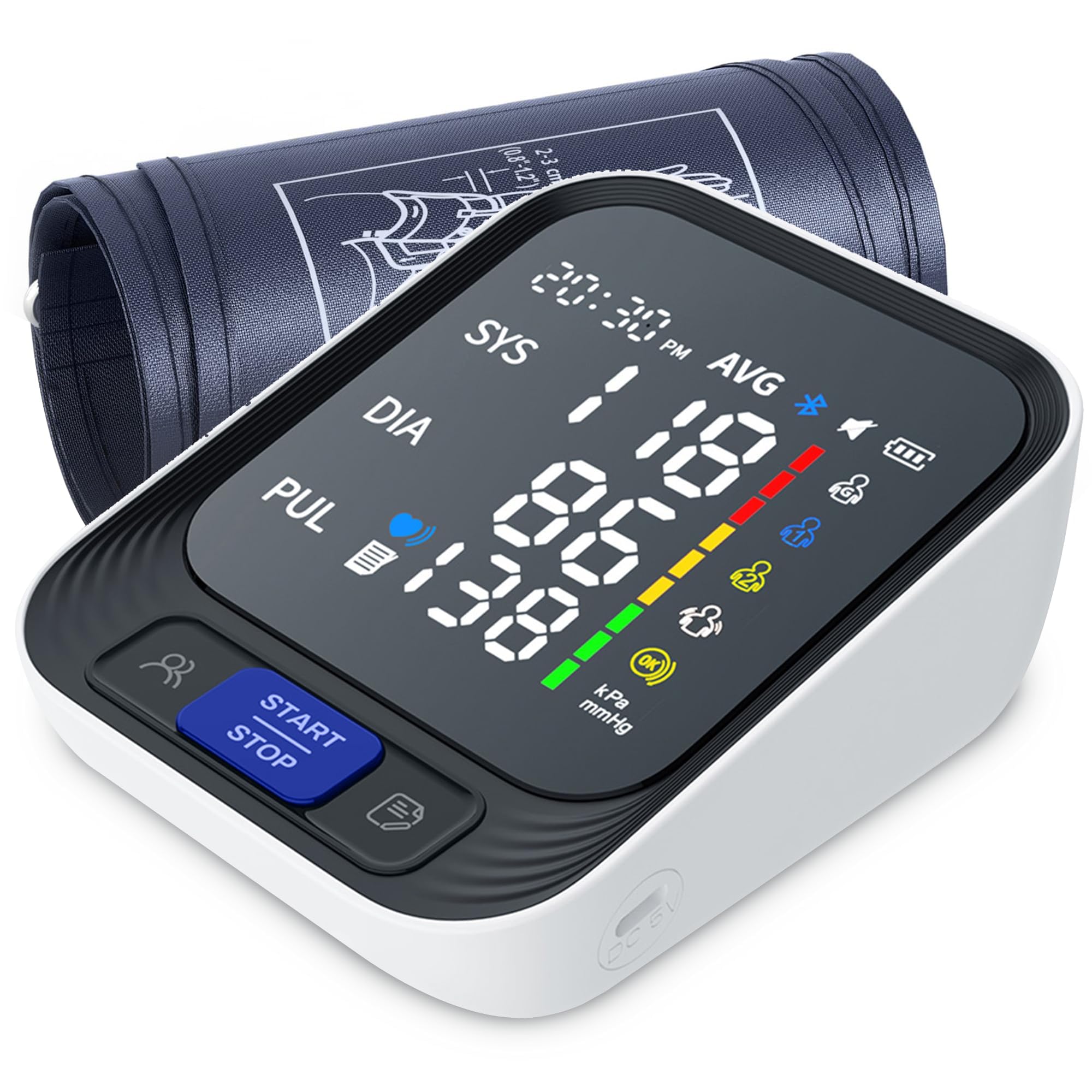
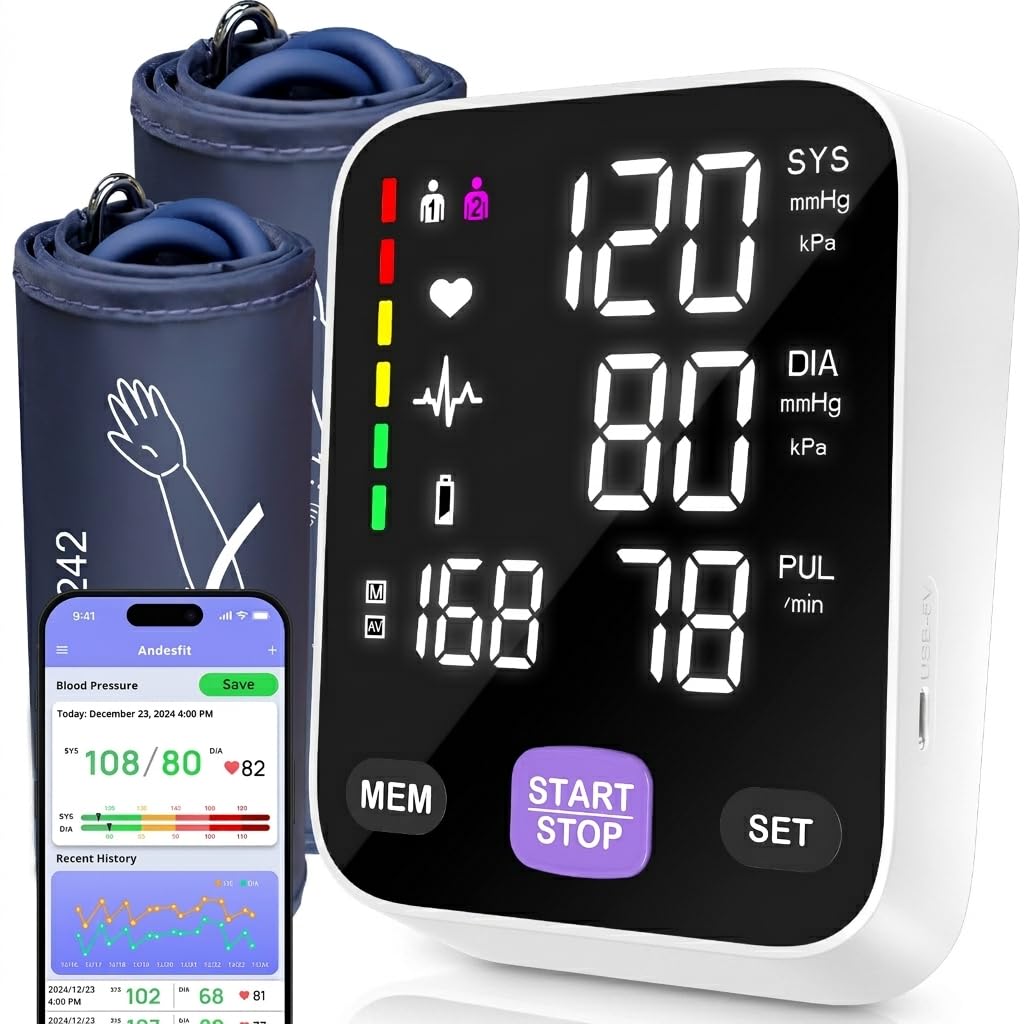
This is where most home users land, and the extra money buys features that support a long term routine. Typical additions include two user memory with about 60 to 120 stored readings per person, morning and evening averaging, an irregular heartbeat flag during measurement, and a larger backlit display that is easier to read without glasses. Many midrange units add Bluetooth for app sync and include a wider range cuff. For couples sharing one device, or anyone whose clinician reviews printed logs, this tier offers the strongest value in the range.
Premium Tier: About $80 to $150
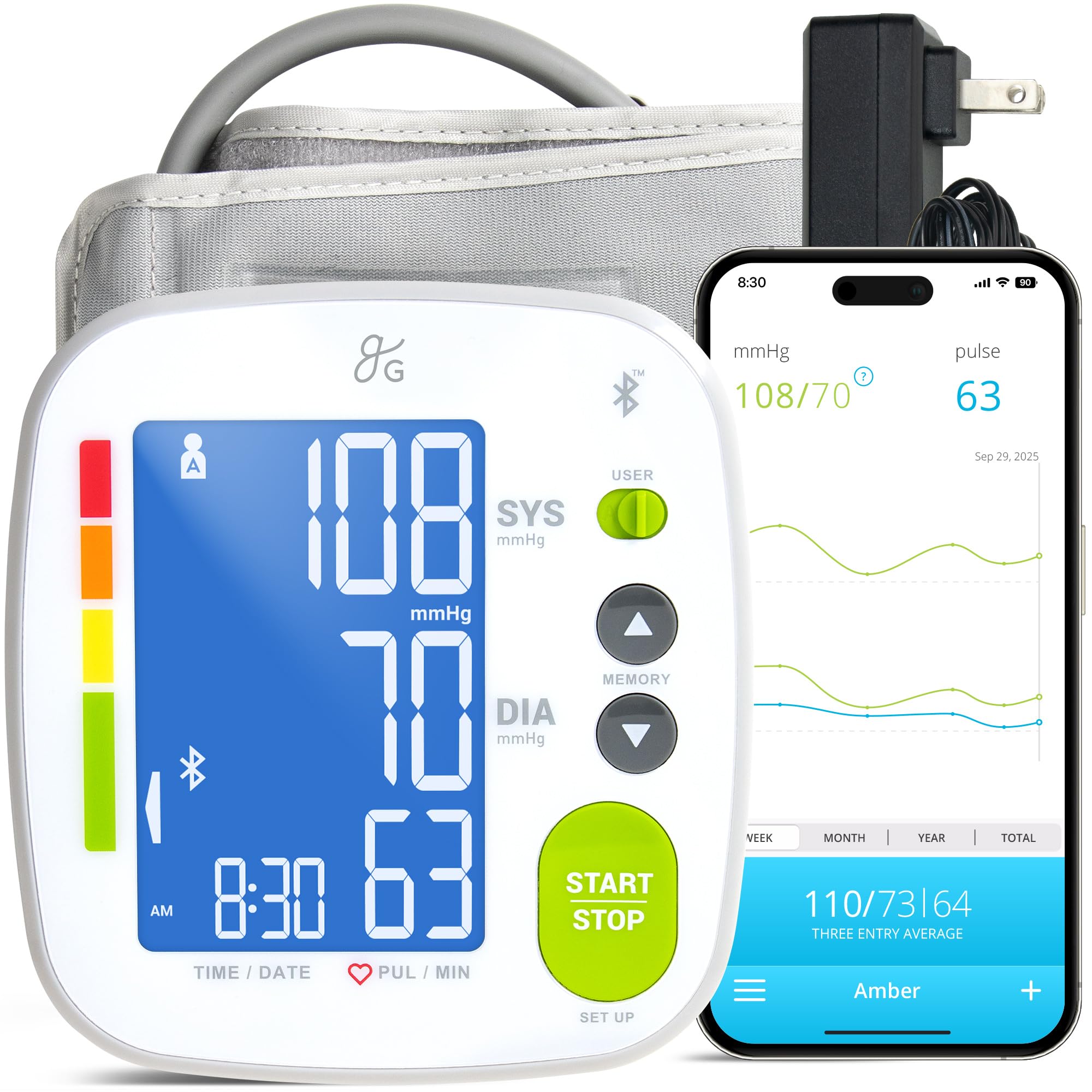
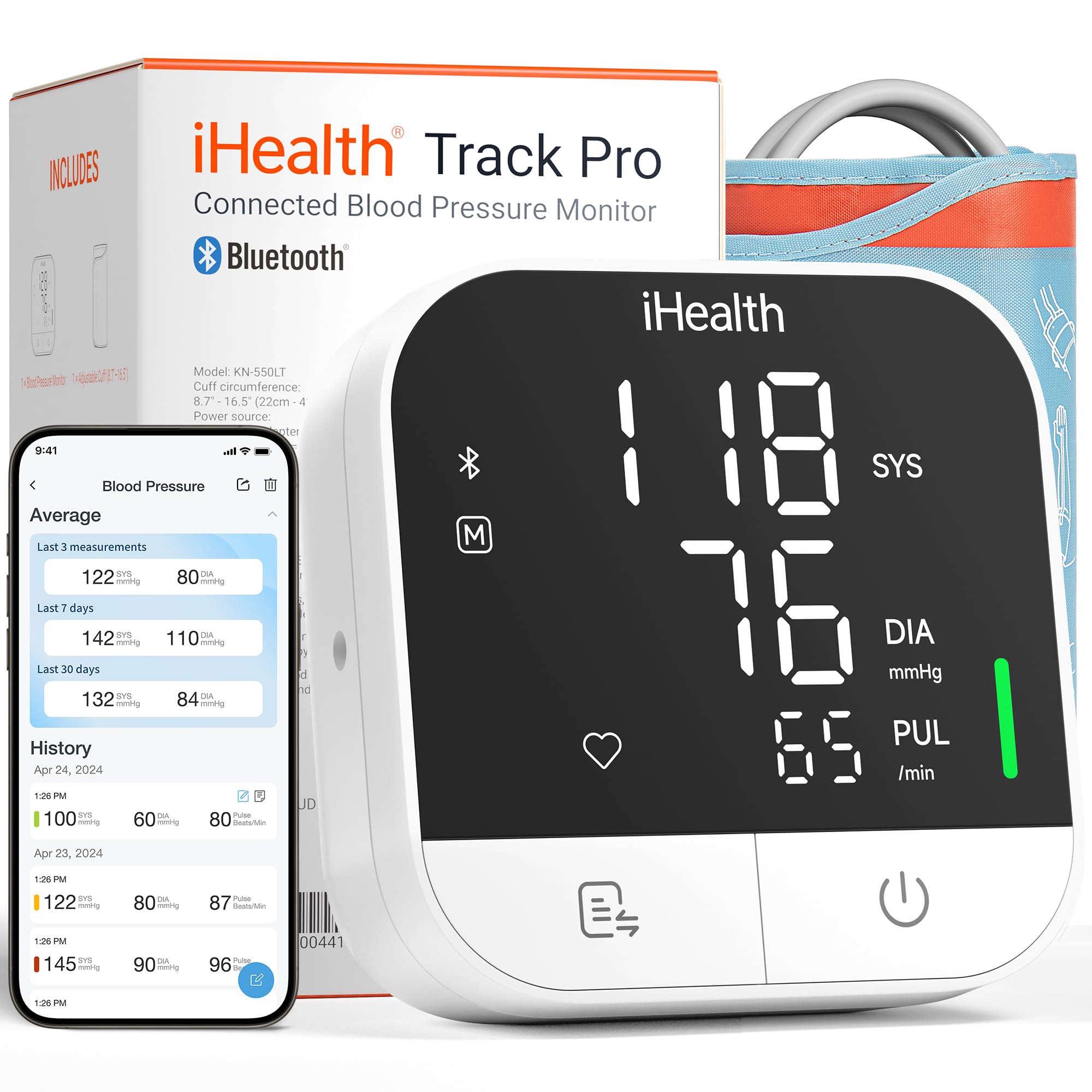
Premium money buys data handling and comfort rather than a different class of measurement. You may get polished app charts with one tap sharing for your clinician, automatic averaging of the last three readings, multiple cuff sizes in the box, a quieter pump, and an AC adapter included instead of sold separately. Some units flag a possible irregular rhythm for follow up, which is a screening prompt and never a diagnosis. This tier makes sense if you will measure daily for years, share data digitally, or need the widest cuff range in a single purchase.
Features Worth Paying For (and Ones to Skip)
Four checks decide whether a monitor earns its price. Everything else is comfort or decoration, and some of it is worth skipping entirely.
Accuracy and Clinical Validation
Start here, before price, brand, or screen size. Look for a model that has passed independent clinical validation against accepted protocols, and check the validated device lists that clinicians use, such as the US listings at validatebp.org. Regulatory clearance to be sold as a medical device is a baseline, not a bonus. A famous brand name is not evidence of validation, and neither is a high customer rating in a store listing.
If a listing cannot point to validation results for that specific device, treat its accuracy claims as marketing and move on to one that can.
Cuff Fit and Size: The Biggest Accuracy Factor
A wrong size cuff reads wrong no matter what the monitor cost, which makes cuff fit the most important line on this page. Measure around the middle of your upper arm and match that number to the cuff range printed on the box. Most standard cuffs fit arms about 9 to 17 inches around. A cuff that is too small tends to read high, and one that is too large tends to read low.
Wide range cuffs and cone shaped cuffs suit larger or tapered arms, and fully automatic cuff designs that wrap with one hand help anyone who measures alone.
Memory, Multi User, and App Sync
Memory matters because your clinician wants a series, not a snapshot. Enough storage for two weeks of morning and evening readings is the practical minimum, and two user profiles keep a partner's numbers out of your average. App sync earns its cost when it removes friction: automatic transfer, clear charts, and an export you can send before an appointment.
If you already keep a tidy paper log, skip the connectivity premium without guilt. One caution either way: health data in an app deserves the same care as banking data, so use a strong account password.
Comfort and Convenience Features
A few comforts genuinely support consistency. Auto shut off protects battery life, a contoured cuff that is hard to wrap incorrectly reduces user error, and large digits with a backlight help early morning readings. Voice readout is worth paying for if your vision is limited.
Skip decorative extras that add cost without touching accuracy or routine: color touch screens, music playback, and coaching voices that repeat instructions you learned on day one. The product table shows which of these features appear in the picks.
Upper Arm or Wrist: Picking the Format
Upper arm cuffs are the reference format that heart associations recommend for home use, because the artery sits close to heart level when you rest your arm on a table. If an upper arm cuff fits you, it should be your default choice at any budget. Most guides on this site, including our overview of the best automatic blood pressure monitors, assume that format for good reason.
Wrist units are smaller and travel well, but they are far more sensitive to position: the wrist must sit exactly at heart level or the reading drifts. They are a reasonable fallback when no upper arm cuff fits your arm, and our guide to the best wrist blood pressure monitors home use explains how to hold the position correctly. Fingertip and watch style devices are not recommended for medical tracking, since their readings are the least consistent of all.
How to Measure So the Numbers Mean Something
Technique changes readings more than tier does. Follow the same steps your clinician's office uses, every time:
- Sit quietly for five minutes before measuring, with your back supported and your feet flat on the floor.
- Empty your bladder first, and avoid caffeine, exercise, and smoking for at least 30 minutes beforehand.
- Put the cuff on your bare upper arm, then rest that arm on a table so the cuff sits at heart level.
- Stay still and silent during the reading. Talking, crossing your legs, or dangling your arm all shift the result.
- Take two readings one minute apart and record both, rather than picking the number you like better.
Measure at the same times each day your clinician suggests, commonly in the morning before medication and breakfast and again in the evening before dinner. If your readings at home and at the office disagree often, bring your monitor to an appointment so staff can compare it against the office device. Our guide to the best digital blood pressure monitors for home use covers display and logging features that make this routine easier to keep.
Choosing the Best Blood Pressure Monitors for Home Use for Your Situation
Three situations change which tier and format make sense. Match your situation first, then shop inside it.
Best Blood Pressure Monitors for Home Use Android: Where Your Money Goes
If your readings will live on an Android phone, the app is part of the product and deserves the same scrutiny as the cuff. Check that the app supports your phone's Android version, pairs over Bluetooth without repeated reconnecting, and exports a clean PDF or spreadsheet you can send to your clinician. Watch for features locked behind a subscription, since a cheap monitor with a paid app can cost more over three years than a midrange unit with a free one. A stable app with honest export beats a flashy app that traps your data.
For Large Arms and Hard to Fit Arms
Standard cuffs stop at about 17 inches, so larger arms need an extra large cuff, sometimes sold separately for about $15 to $35, covering arms up to about 20 inches. Cone shaped cuffs seal better on tapered arms that narrow toward the elbow. Never squeeze into a standard cuff and accept the result: an undersized cuff can push readings high enough to change treatment decisions. If no cuff fits well, ask your clinician about a validated wrist unit used with strict positioning, or about relying on office checks instead.
For Older Eyes and Shared Households
Look for the largest digits in the tier, strong backlighting, and a start button you can find by touch. Voice readout models announce each result aloud, which removes squinting from the routine entirely. Shared households should insist on two clearly separate user buttons, because mixed averages confuse everyone, including the clinician reading them. A storage case also earns its keep here, since a monitor that lives in a tangled drawer tends to get its cuff kinked and its routine skipped.
Common Mistakes to Avoid
- Buying by brand fame or price alone, without checking that the specific device appears on a validated list.
- Measuring over a sleeve or with the wrong cuff size, which shifts readings in either direction.
- Checking right after coffee, a meal, or rushing around, then treating the number as your baseline.
- Reacting to one high reading by changing medication instead of repeating the measurement properly and calling your clinician.
- Keeping readings in your head instead of a dated log your clinician can actually review.
- Sharing one user profile between two people, which blends both sets of numbers into a meaningless average.
Long Term Costs to Factor In
The purchase price is most of the cost, but not all of it. Most units run on four AA batteries that last a few months of daily checks, and an AC adapter, when it is not included, adds about $10 to $20. Cuffs are wear items: the fastening fabric weakens and the bladder ages, so budget for a replacement cuff every few years.
Accuracy can also drift slowly, so compare your unit against an office reading about once a year and replace the monitor if the gap keeps growing. Shoppers comparing compact options in our best bp monitors home use guide will find the same ownership math applies at every size. None of these costs is large, but a midrange unit you keep for five years is cheaper than a bargain unit replaced twice.
Blood Pressure Monitor Questions Answered
Is a wrist or upper arm blood pressure monitor more accurate for home use?
An upper arm monitor is more accurate for most people, because its cuff sits near heart level when your arm rests on a table. A wrist monitor can read well only if you hold your wrist exactly at heart level every time, which is harder to repeat than it sounds. Wrist units make sense mainly when no upper arm cuff fits your arm. Whichever format you choose, validation status and correct cuff size matter more than format alone.
How accurate are home blood pressure monitors compared with office readings?
A validated home monitor used with correct technique usually lands within a few points of a careful office reading, but the two settings often differ for a real reason: many people run higher in a clinic, an effect called white coat hypertension. That is exactly why clinicians value home logs. Bring your monitor to an appointment once a year or so and take a reading right after the office measurement, so any device gap shows up clearly.
How often should I check my blood pressure at home?
Your clinician sets the schedule, because the right frequency depends on whether you are newly diagnosed, adjusting medication, or simply monitoring a stable pattern. A common pattern is morning and evening readings for one week before an appointment, then a lighter routine between visits. Checking many times a day out of anxiety usually backfires: the numbers bounce with normal daily variation, and the stress of watching them can push readings up. When in doubt, ask your clinician to write the schedule down.
Do I need a prescription to buy a blood pressure monitor for home use?
No prescription is needed, since home monitors are sold freely in pharmacies and online. A prescription can still help in one way: some insurance plans and flexible spending accounts reimburse the purchase more easily with a clinician's note, so ask before you buy if you plan to claim it. What you do need from your clinician is not paperwork but guidance: your personal target range, your measuring schedule, and what to do when readings run high.
Can two people share one blood pressure monitor at home?
Yes, and a two user model with separate memory banks is built for exactly that. Each person's readings, averages, and trends stay in their own profile, so neither log contaminates the other. The one real catch is cuff fit: if your arms differ a lot in size, the shared cuff may suit one of you poorly, and readings from the wrong size cuff are unreliable. In that case, buy a second cuff in the other size and swap cuffs when you swap users.
Final Thoughts
Across every tier, three things decide whether your numbers help you: independent validation, a cuff that truly fits, and a routine you repeat the same way daily. The midrange tier around $40 to $80 suits most households, while budget units serve a simple log and premium units pay off when app sharing matters. Use the picks in the table, choose the best blood pressure monitors for home use that fit your arm, your phone, and your clinician's plan, and talk with your clinician about the target range and schedule that fit your own health history.

