
Best Blendtec Blenders (2026): Families, Jars and Warranty
Disclosure: We may earn a commission when you buy through links on this page, at no extra cost to you. As an Amazon Associate I earn from qualifying purchases. Learn more

Jar size, noise and warranty advice for choosing the best blendtec blender, from Classic models to Professional builds.
A Blendtec often ends up living on the counter, not tucked in a cupboard, so the right choice depends as much on your kitchen as on raw power. If you are hunting for the best blendtec blender for your home, start with how many people you blend for, how much clearance you have under your cabinets, and what you make most days. This guide walks through sizes, types, controls, and costs so you can match a model to your routine. The product table below lets you compare real models.


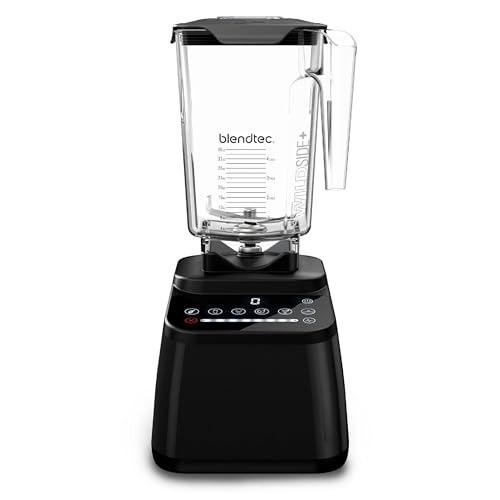


Quick Answer: How to Choose in 30 Seconds
If you blend for three to five people, a full size model with a large jar is the most flexible starting point. If your kitchen is small or you mostly make single servings, look at compact models and smaller jars first. If you blend frozen fruit or soup several times a week, prioritize higher wattage and a warranty that covers heavy daily use. Budget shoppers should focus on simple controls, since touch panels and extra presets add cost without changing the blend itself.
Before You Buy: A Quick Checklist for Choosing a Blender
Size: Match It to Your Space and Household
Jar size decides how much you can make in one batch. Smaller jars around 48 ounces suit one or two people and take up less room in the sink and cupboard. Jars in the 64 to 75 ounce range handle family smoothies and soups without a second batch, while the largest jars near 90 ounces help when you cook for guests or prep ahead. Bigger is not always better, since a large jar needs enough liquid and food inside to circulate well. Tiny amounts can splash above the blades in an oversized jar and blend unevenly.
Which Type Fits Your Routine
Most Blendtec models for the home are high speed countertop machines, but they differ in focus. Standard full size types cover smoothies, sauces, and frozen drinks for everyday use. Professional style types add stronger cooling, tougher components, and longer warranties for people who blend many times a day. Quieter types use sound enclosures for early morning use in open plan homes. Compact types trade batch size for storage ease. Think about your busiest blending day, not your lightest one, and choose the type that handles that day without strain.
Features Worth It, and Ones to Skip
Preset programs for smoothies, hot soup, and ice crushing are worth it if you like to start a cycle and step away, since the machine varies speed and stops on its own. A pulse button, variable speed control, and a self cleaning cycle also earn their keep. To go cups can help if you commute with a shake, though a separate small jar often blends more evenly. Skip paying extra for many near identical presets or decorative finishes. Blendtec jars are plastic rather than glass, so if glass matters most to you, read our guide to the best glass blender before you decide.
Wattage, Power and Energy Use
Blendtec motors are rated well above most home blenders, often around 1500 watts or more depending on the model. That power matters for frozen fruit, ice, nuts, and thick mixtures that stall weaker machines. In practice, blade design and jar shape matter as much as the watt number, since the wide jar and blunt blade create a vortex that keeps food moving. Energy use per blend stays modest because cycles are short, usually under a minute or two. Running costs rise only when you use long hot soup cycles often.
Safety Features and Certifications
Look for listings that show recognized electrical safety certification such as UL or ETL, which means the model was checked against United States safety standards. The lid should seat firmly and stay put under pressure, and the blunt blade design reduces the risk of cuts while washing. Automatic shutoff and overload protection help if a thick load strains the motor. Keep cords away from water and never run the machine with the lid loose.
Counter Space and Dimensions
Measure before you order. Note the height of the base plus jar and compare it with the gap between your counter and upper cabinets, since some full size setups will not slide underneath while assembled. Check the footprint as well, including room for the cord and for lifting the jar straight up and off the base. In a small kitchen, a compact model may earn daily use simply because it can stay out. If counter room is your main limit, our guide to the best small blender covers smaller footprints.
Realistic Budget Ranges
Blendtec sits at the premium end of the home market. Entry models tend to cost about $350 to $450 and cover everyday smoothies and frozen drinks with simple controls. Models in the middle, about $450 to $800, usually add touch controls, more presets, and quieter operation. The top end, about $800 and above, buys professional style build, sound enclosures, and the longest warranties. Paying more should buy durability, quiet, or capacity you need, not presets you will ignore.
Types Compared: Three Ways to Buy a Blendtec
For Most Homes: Full Size Everyday Types
This group pairs a large jar with straightforward controls and enough power for smoothies, soups, batters, and frozen drinks. It suits families who blend several times a week and want one machine that covers nearly everything. You get the widest choice of jars and the simplest path to replacement parts. The trade off is size, since these models claim real counter space and can be loud at full speed.
For Simple Use: Basic Control Types
Value focused models keep the same core motor strength and jar design but trim the extras. Expect dials or basic buttons instead of touch panels, fewer presets, and fewer included accessories. That trade keeps the price lower while the actual blending stays strong for daily drinks and sauces. This type suits buyers who know their two or three main recipes and do not need guided programs. If your main goal is a morning shake, compare your needs with our guide to the best blender for protein shakes, since a smaller setup may serve you just as well.
For Heavy Daily Use: Professional Style Types
Premium models add sound enclosures, refined touch controls, stronger internal cooling, and warranties that can stretch much longer than entry models. They make sense for large households and anyone blending thick or frozen loads daily who wants the machine to last through years of that pace. The trade off is the highest price in the lineup and a larger, heavier base. Buyers paying this much should value quiet mornings and long coverage, not just a longer preset list.
How to Compare Blendtec Models
Compare models on capacity, blending performance for common home tasks, ease of use, cleaning, noise, safety, and warranty length. Use manufacturer specifications and patterns in verified buyer feedback, focusing on how each type fits your home. Models that are hard to find new or lack clear warranty support are poor value.
The Blendtec Blender Lineup Explained
When people ask which model is which, the lineup sorts into three broad families. Classic style models use tactile buttons or dials and focus on core power at the lowest prices in the range. Designer style models add sleeker bodies, touch or slider controls, and more presets for cooks who want guided cycles. Professional style models sit at the top with the strongest build, sound management, and longest coverage. Comparing Blendtec models this way, by family and control style, is clearer than comparing long spec sheets line by line.
Jar choice cuts across all three families. The standard large jar handles most tasks, while a smaller jar improves results for dips and single servings because the food stays closer to the blade. A dry grains jar, sold separately, suits grinding wheat or beans if you bake often. If you are deciding between a blender and a machine that chops and slices, our explainer on blender vs food processor lays out where each tool wins. For a wider view beyond one brand, see our roundup of the best blender options.
Common Buying Mistakes to Avoid
- Buying the largest jar for a small household: small loads circulate poorly in a big jar, so drinks can come out uneven and foamy.
- Skipping the cabinet height check: a machine that cannot stay on the counter under your cabinets often ends up stored away and rarely used.
- Paying for presets instead of power and warranty: extra programs do not fix an undersized motor load, and short coverage costs more later if the motor fails.
- Ignoring replacement jar costs: jars, lids, and gaskets wear over years of use, so check part prices before choosing the cheapest model on sale.
- Assuming quiet from wattage alone: noise depends on enclosure design and jar load, so a powerful open model can still be the loudest in the lineup.
Cost of Ownership and Care
Running a Blendtec costs little in electricity because most cycles are short, but ownership costs add up through replacement jars and lids. Rinse the jar right after use, then run a brief cycle with warm water and a drop of dish soap for stuck residue. Our step by step guide on how to clean a blender covers deeper cleaning. Wipe the base with a damp cloth, never immerse it, and store the jar unsealed so odors fade. Avoid blending very hard dry loads for long stretches without pauses, since heat builds in the jar and motor.
Your Questions, Answered
Which Blendtec blender should I buy for a family of four?
For a family of four, start with a full size model and a jar in the 75 to 90 ounce range, since that size makes a round of smoothies or a pot of soup in one batch. Choose simple presets if mornings are rushed, and check cabinet height before ordering. A smaller second jar, added later, blends little loads of dip more evenly than the big jar can.
Is Blendtec a good blender brand for daily use?
Yes, for households that blend often and value power and long warranties. The brand focuses on high speed machines with durable jars and blunt blades that handle ice and frozen fruit without a tamper. Daily users should still weigh noise and size, since these machines are louder and larger than basic blenders. If you blend once a month, the premium price is harder to justify than if the machine runs every morning.
How long does a Blendtec blender last with home use?
With normal home use and basic care, a Blendtec commonly lasts many years, and warranty coverage on many models runs well beyond the one or two years typical of budget blenders. Lifespan depends most on load habits. Frequent max capacity frozen blends and leaving residue to dry hard both shorten jar and bearing life. Replacing a worn jar or lid usually restores performance without replacing the base.
Can a Blendtec blender make hot soup without a heating element?
Yes. Blendtec models heat soup through friction from the blades during a long high speed cycle, so there is no separate heating element inside the jar. The soup cycle typically runs several minutes and brings ingredients to a steaming temperature. Use the lid vent as directed and keep your hands clear of the steam when you open the lid. Very thick mixtures may need added liquid to keep moving.
Is a Blendtec blender worth it over a cheaper blender?
It is worth it if you blend frozen or thick mixtures often and have been frustrated by stalls, chunks, or short lived budget machines. The extra money buys motor strength, jar durability, and longer warranty support. It is harder to justify if you mainly blend soft fruit and protein powder with milk, since a modest machine handles those loads well. Match the spending to your hardest regular recipe, not your easiest one.
Final Thoughts
The right choice comes down to fit. Match jar size to your household, check the height against your cabinets, and spend on power, quiet, and warranty length before presets. For most homes, a full size everyday type is the best blendtec blender balance of capacity and value, while heavy daily users gain most from professional style types. Look back at the product table near the top, then pick the family and jar size that match your kitchen.


