
Best Blenders for Protein Shakes for 2026: A Guide That Fits Real Homes
Disclosure: We may earn a commission when you buy through links on this page, at no extra cost to you. As an Amazon Associate I earn from qualifying purchases. Learn more

Pick the best blender for protein shakes by jar size, power, noise and cleanup, whether you blend for one or for the whole family.
A protein shake sounds simple, until the powder clumps at the bottom of the jar, the frozen berries jam the blades, and the whole counter is splashed before you have even found the lid. The best blender for protein shakes is the one that turns a scoop of powder, a handful of frozen fruit, and a cup of milk or water into a smooth drink in under a minute, then rinses clean before you head out the door.
This guide helps you choose by the things that actually decide daily use in a real home: how much counter and cabinet space you have, how many people drink shakes, how loud your mornings can get, and what you can spend. The comparison table below lines up the main styles side by side, and the sections that follow explain which size, type, and feature set fits your routine.



Three Buying Profiles for Protein Shakes at Home
Most protein shake buyers fall into one of three profiles, and each profile points to a different kind of blender. Matching the machine to your profile matters more than chasing the longest feature list, because a shake is a small, fast job that you repeat hundreds of times a year.
The Solo Drinker With a Small Kitchen
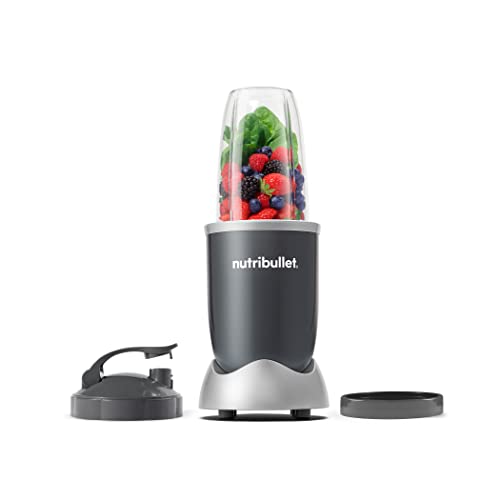
If you live alone, make one shake at a time, and blend right before drinking, a personal blender with a jar that doubles as a travel cup suits you best. Capacity around 20 to 32 ounces is plenty, cleanup is a quick rinse of one cup, and the base fits in a drawer or a narrow cabinet. If you are comparing compact options, our guide to the best small blender covers the size tradeoffs in more detail.
The Couple or Family Sharing One Machine
When two to four people make shakes, smoothies, and the odd soup or sauce, a full size countertop blender earns its counter space. Look for a jar of 48 to 64 ounces so you can blend two large shakes in one batch instead of running back to back cycles. A wider jar also handles thicker mixes better, because the ingredients keep circulating instead of riding above the blades.
The Daily Trainer Who Blends Thick Mixes
If your shake includes frozen fruit, ice, nut butter, oats, and greens every single day, you need real crushing power and a jar shape that pulls dense ingredients down into the blades. A high power motor, a sturdy blade assembly, and a tamper or a well shaped jar matter more to you than extra preset programs. You will also care about warranty length, because daily heavy use is exactly what long warranties are written for.
Before You Buy: A Checklist for Choosing a Blender for Protein Shakes
Size: Match the Jar to Your Servings and Your Space
Jar size decides both how much you can blend and how well the blender works. A jar that is too large for a single shake lets powder and liquid slosh below the blade path, so small loads blend unevenly. A jar that is too small forces you into two batches and doubles your cleanup. For one person, 20 to 32 ounces is the sweet spot. For households blending two or more servings, 48 to 64 ounces works better. The largest 72 ounce jars suit big families and batch prep, but they need taller cabinets and more storage room.
Which Blender Type Fits Your Routine
Personal blenders win on speed and cleanup for single servings, and many blend straight into a lidded cup you can carry. Full size countertop blenders are the flexible choice, handling shakes, soups, and frozen drinks for several people. High speed models cost more but turn frozen fruit and fibrous greens into a silky texture that lower power machines leave gritty. Quiet models with sound shields suit early risers in shared homes. Glass jar models feel sturdy and resist stains and odors, while plastic jars are lighter and safer to handle when wet. If a glass jar is on your shortlist, the guide to the best glass blender explains the weight and durability tradeoffs.
Features Worth Paying For, and Ones to Skip
A tamper is worth it if you blend thick shakes, because it pushes dense mixes into the blades without stopping the motor. Travel cups with sealed lids are worth it for gym bags and commutes. A pulse function helps you break up frozen chunks before a full cycle. You can usually skip long lists of preset programs, since a shake needs one good high speed cycle and a pulse. Heated blending and food processor attachments add cost and storage bulk that shake drinkers rarely use, though if you often wonder which appliance a task belongs to, blender vs food processor explains where each one earns its place.
Wattage, Power, and Energy Use
Wattage is a rough guide, not a promise. Personal blenders around 600 to 900 watts handle powder, liquid, and soft fruit well, but they can struggle with large amounts of ice. Full size models around 1000 to 1500 watts crush frozen ingredients more reliably and keep working through thick mixes without stalling. What matters in practice is whether the motor holds speed under load, because a shake that stalls halfway leaves you shaking the jar by hand. Energy use is a minor cost either way, since a blending cycle lasts about a minute and even a strong motor uses very little electricity per shake.
Safety Features and Certifications
Look for a lid that locks or seats firmly, a base that stays planted on the counter, and an interlock that stops the blades when the jar is removed on models that offer one. A UL or ETL listing shows the appliance was reviewed against electrical safety standards, which is worth checking on any countertop motor you run daily. Keep cords away from the sink and never reach into a jar while it is on the base. If children blend their own shakes, choose simple controls and store the blade parts out of easy reach.
Counter Space and Dimensions
Measure before you buy. Many full size blenders stand 17 to 20 inches tall with the jar on the base, and standard upper cabinets sit about 18 inches above the counter, so a tall unit may have to live pulled forward or in a pantry. Personal blenders dodge this problem entirely. Also check the footprint, because a wide base on a small counter crowds out the coffee maker and the cutting board. If space is tight, a narrower model that you actually leave out will get used far more than a bigger one stored in a back cabinet.
Realistic Budget Ranges
Under $50 usually buys a basic personal blender that handles powder and soft ingredients for one person. About $50 to $100 brings stronger motors, better cups, and full size jars for small households. About $100 to $200 is where frozen fruit and ice stop being a struggle and warranties get longer. About $200 to $300 adds quieter operation, sturdier jars, and better controls. Above $300 you are paying for high speed performance, long warranties, and build quality meant for daily heavy use over many years. Our broader guide to the best blender shows how these tiers compare across uses beyond shakes.
How to Judge a Blender for Protein Shakes
When you compare models, weigh six things in this order: capacity against your servings, blending performance on frozen and fibrous ingredients, ease of use on a rushed morning, cleaning effort, noise, and safety plus warranty coverage. Judge performance claims by jar design and motor strength rather than by marketing terms, and read the warranty fine print, because some warranties cover the motor for years but the jar and blades for much less. A blender for protein shakes succeeds or fails on repeat use, so favor the machine you can rinse, store, and run half asleep over the one with the longest spec sheet.
Living With It: What Really Matters Day to Day
The daily reality of a protein shake blender is measured in seconds and splashes. Order matters: liquid first, then powder, then soft ingredients, with frozen fruit and ice on top, so the blades start in liquid and pull everything down. Too little liquid is the main cause of chalky, clumpy shakes, and most powders blend smoothly with about 8 to 12 ounces of liquid per scoop. A good jar pours without dripping down the side, and a lid that seals well keeps gym bag leaks from ever happening.
Noise is the other daily factor. A high power blender at full speed is loud enough to carry through an apartment, so if you blend at 6 in the morning while others sleep, a quieter model or a personal blender run for a shorter cycle can save the peace. Texture is the final test: a capable blender turns frozen berries and spinach into a drink with no grit and no leafy flecks, which is the difference between a shake you enjoy and one you force down.
Common Buying Mistakes to Avoid
- Buying a huge jar for single shakes, so small loads splash and blend unevenly below the blade path.
- Choosing on wattage alone and ignoring jar shape, which decides whether thick mixes actually circulate.
- Forgetting to measure cabinet clearance, then storing the blender somewhere so awkward that it stops being used.
- Paying for heated blending, smart programs, and extra attachments that a shake routine never touches.
- Ignoring replacement costs for cups, lids, and gaskets, which wear out long before the motor does.
- Assuming any blender crushes ice well, when low power personal models can dull or strain on daily frozen loads.
Cost of Ownership and Care
Running costs stay low: electricity per shake is a fraction of a cent, so the real costs are replacement cups, lids, and rubber gaskets every year or two depending on use. Rinse the jar right after blending and protein residue comes off with warm water alone. Once a week, blend warm water with a drop of dish soap for 30 seconds to clean under the blades, a routine covered step by step in how to clean a blender. Dry the gasket before reassembling so odors do not build up, and check the blade assembly for looseness or rust spots. Stored clean and dry, a decent blender handles daily shakes for years.
Your Questions, Answered
What should I look for in a blender for protein shakes?
Start with jar size matched to your servings, then motor strength that holds speed with frozen fruit and ice. After that, check jar shape for good circulation, a lid that seals tightly, and parts that rinse clean fast. A tamper helps with thick mixes. Certifications such as UL or ETL and a warranty of at least a few years round out a sensible shortlist for daily shake making.
How do you clean a blender used for protein shakes?
Rinse the jar immediately, because dried protein powder sticks like glue once it sets. Fill the jar halfway with warm water, add a drop of dish soap, and blend for about 30 seconds, then rinse and air dry. Once a month, soak the lid and gasket in warm soapy water to clear residue hiding in the seal, which is where stale shake smells usually start.
How long does a blender for protein shakes last?
A well kept countertop blender typically lasts about 5 to 10 years, and personal blenders often land at the shorter end because their cups and gaskets wear faster. Lifespan depends more on load than on age: daily ice crushing in an underpowered machine shortens its life, while a stronger motor loafing through soft shakes can run for a decade. Replace worn gaskets promptly, since small leaks strain the motor.
Is a blender worth it for protein shakes?
Yes, if you drink shakes several times a week, because a blender gives you a smooth texture that a shaker bottle cannot match once frozen fruit, oats, or greens enter the recipe. It also replaces café smoothie spending quickly. If you only ever mix powder with water and drink it plain, a simple shaker bottle honestly covers that job, and the blender earns its place only when your recipes grow.
What is the best blender for protein shakes for a small apartment?
A personal blender usually fits a small apartment best, because the base is compact, the cup stores in a drawer, and the short blending cycle is over before the noise becomes a problem. Choose one with at least a 24 ounce cup if your shakes include fruit and oats, since the smallest 12 to 16 ounce cups overflow once bulky ingredients go in.
Final Thoughts
The right choice comes back to your routine: personal blenders for solo drinkers, full size jars for households, and high power models for thick daily mixes. Check the product table above against your counter space, your servings, and your budget, and you will land on the best blender for protein shakes for your home without paying for features you will never use. Prices and availability can change, so check the product page before ordering.


