
Best Blender for Your Home (2026): A Quick Checklist and Buying Guide
Disclosure: We may earn a commission when you buy through links on this page, at no extra cost to you. As an Amazon Associate I earn from qualifying purchases. Learn more

Pick the best blender for your kitchen by size, power, jar type and budget, for smoothies, soups and everyday family use.
Picture a weekday morning in a busy kitchen. One person wants a smoothie before work, someone else needs a packed lunch soup base, and the counter is already crowded with a kettle and a toaster. Choosing the best blender for that home is less about raw power alone and more about fit. The right jar size, height, and controls make daily use simple instead of frustrating.
This guide helps you choose by space, household size, routine, and budget, with no guesswork about features you will never touch. Work through the checklist below, compare the profiles that match your home, and then use the comparison table below to see how the main types line up side by side.


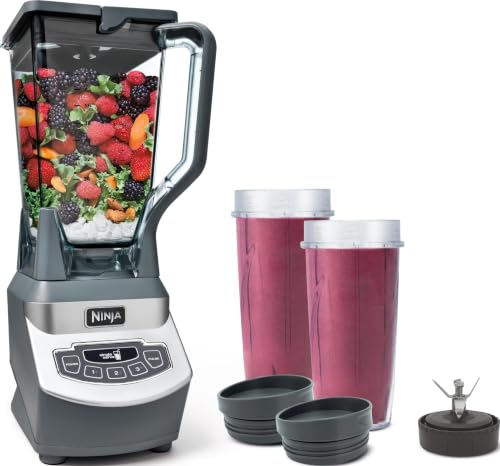
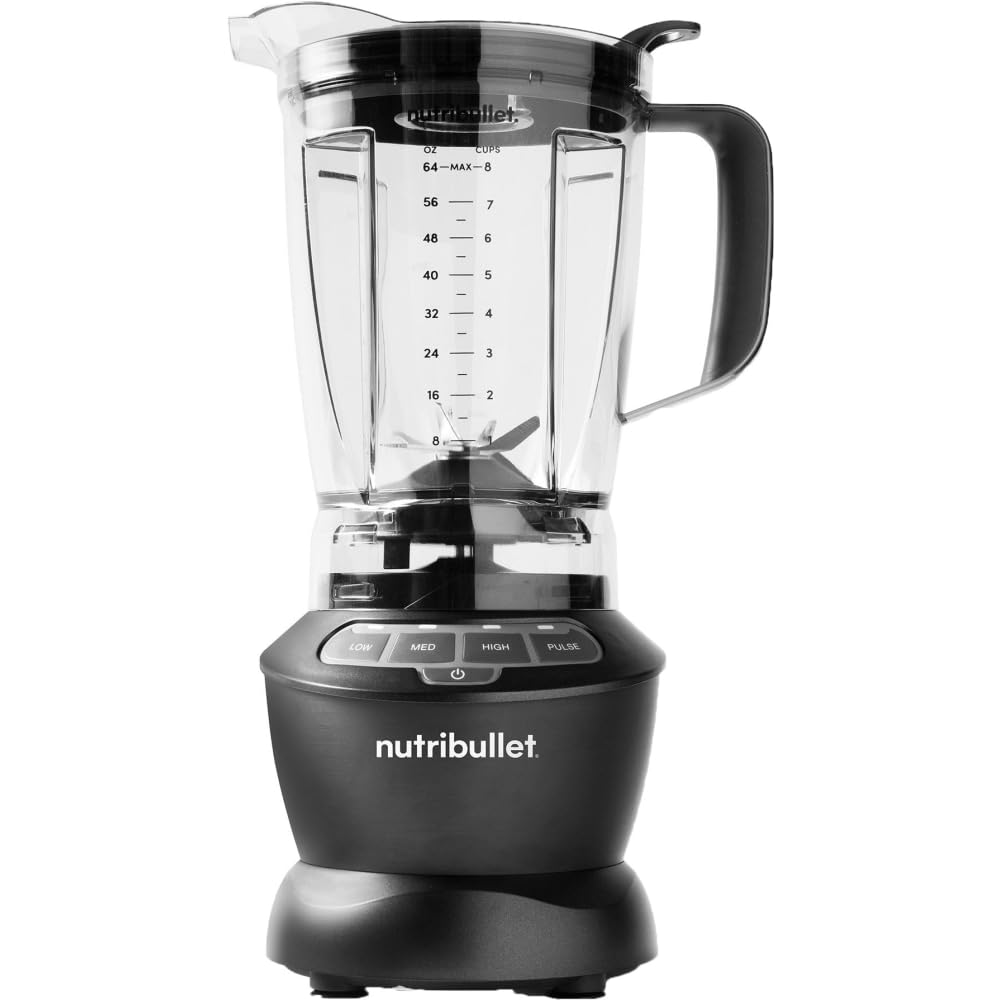
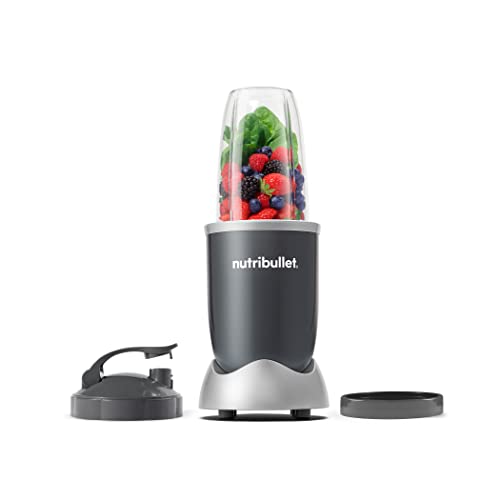


Quick Answer: Match the Blender to Your Home
Start with the job you do most often, because that job should decide capacity and power. A single person making one smoothie each morning needs a very different machine from a family blending frozen fruit for four people. A cook who makes hot soup in large batches needs a tall jar, a secure lid, and controls that handle thick mixtures without stalling.
Most homes land in one of three profiles. Small households do well with a compact jar and simple controls, family kitchens usually need a full size jar and a strong motor, and keen cooks often value a durable build and a long warranty. Keep your profile in mind as you read the checklist.
Before You Buy: A Quick Checklist for Choosing a Blender
Size: Match It to Your Space
Jar capacity is usually shown in ounces, and the number on the box is the maximum fill, not the amount you should blend each time. A personal jar of about 20 to 32 ounces suits one drink, while a family jar of about 48 to 72 ounces handles several servings in one batch. Leaving headroom matters, because hot liquids expand and thick mixtures climb the walls as they move. If counter storage is tight, look at our guide to the best small blender for compact footprints that still handle daily drinks.
Which Type Fits Your Routine
Countertop models are the most flexible choice for most kitchens, since they handle smoothies, sauces, soups, and crushed ice in one jar. Personal models blend in a travel cup and suit single servings, but they struggle with large or very thick batches. Immersion models blend in a pot and save washing up, yet they give you less control over a silky texture. If you often turn whole fruit into liquid, our comparison of blender vs juicer explains why a blender keeps the fiber while a juicer removes much of it.
Features Worth Paying For and Ones to Skip
A tamper is worth having if you blend thick mixtures, because it pushes food toward the blades without stopping the motor. Useful extras also include a clear measuring scale on the jar, a lid that locks with a firm click, and pulse control for short bursts. A long list of preset programs is easier to skip, since most people settle on two or three speeds and repeat them daily. If you also chop vegetables and make dough, the guide to blender vs food processor shows where a food processor still does the better job.
Wattage, Power and Energy Use
Wattage tells you how much power the motor can draw, but it does not tell the whole story about blending results. Blade shape, jar design, and how well the mixture circulates matter just as much, especially with frozen fruit and ice. For soft fruit and protein drinks, a modest motor is usually enough, while dense mixtures and frequent ice crushing call for a stronger motor and a jar that pulls food downward. If you blend every day, check the duty guidance in the manual, because many home motors need short rests between long, heavy batches.
Safety Features and Certifications
Look for a lid that will not lift during blending, a base that stays stable on the counter, and a jar that locks into place before the motor starts. Listings from UL or ETL show that the electrical design has been checked against safety standards in the United States. Keep the cord away from hot surfaces and never reach into a jar while the blades can still move. Stop at once if you smell burning, see smoke, or hear grinding that was not there before, and contact the maker for advice.
Counter Space and Dimensions
Measure the space under your cabinets before you fall for a tall jar, because many home counters leave only about 17 to 18 inches of clear height. A blender that must be pulled out and put away each time will get used less, no matter how strong it is. Check the footprint as well as the height, and include room for the cord and for lifting the lid straight up.
Realistic Budget Ranges
Simple personal and small countertop models often cost under $50, and they suit soft drinks and light sauces. Many solid family models sit at about $100 to $200, where you usually gain a larger jar, better controls, and a longer warranty. Models at about $200 to $500 tend to add stronger motors, tougher jars, and quieter operation rather than a completely new job list. Set your budget after you set your profile, so you pay for capacity and durability instead of programs you will ignore.
Three Buying Profiles and What to Prioritise
The Best Fit for Most Homes
For a typical family kitchen, prioritise a full size jar, a motor that handles frozen fruit without repeated stops, and controls you can read at a glance. A top rated blender in this group earns its place through steady results on smoothies, soups, and sauces, not through the longest feature list. Glass and sturdy plastic jars both work, so choose by weight and cleaning habits. This profile is the safest starting point if several people will share one machine every day.
The Best Fit on a Tight Budget
On a tight budget, spend on the basics done well: a stable base, a jar that seals properly, and blades that crush ice without leaving large chunks. Keep the budget at under $100 if your main jobs are smoothies, shakes, and simple sauces. Skip touch screens, heating elements, and large sets of extra cups, because those raise the price without improving a basic blend. A shorter warranty is common at this level, so careful cleaning and sensible batch sizes matter even more.
The Best Fit as a Long Term Investment
If you blend daily and want one machine for many years, prioritise build quality, a long motor warranty, and replacement parts that stay easy to order. A best countertop blender for this profile should handle thick mixtures at lower speeds without shaking across the counter. Metal drive parts, a well made jar, and a tamper all support that kind of steady work. The higher price, often about $300 to $500, makes sense only when your routine truly uses that strength most days of the week.
How to Evaluate Blenders Without Guessing
Judge each model against the same short list: capacity, blending performance on your main foods, ease of use, cleaning, noise, safety, and warranty. Read the manual before you buy if you can find it online, because fill limits, rest times, and cleaning rules reveal a lot about daily ownership. Verified buyer comments can flag recurring issues such as leaking lids or cracked jars, but treat single extreme comments with caution. A model that scores well on your main job and fits your counter beats a stronger model that fails either test.
Noise also matters if you blend early in an apartment. Shorter bursts, a sensible jar load, and a solid level surface all help keep the sound down.
Choosing by Household and Space
A studio or dorm room calls for a compact footprint, a jar that doubles as a drinking cup, and storage that fits inside a single cabinet. A family home usually needs the opposite: a wide jar, a stable base that children cannot tip easily, and parts that survive frequent washing. A keen home cook may want room for hot soup batches and a tamper for thick nut butters and frozen desserts. Match the machine to the room first, and many later frustrations never happen.
Gym focused readers who blend a drink right after training should see the best blender for protein shakes, where single serving cups and fast rinsing matter most. Be honest about how often you will blend and who else will use the machine.
Common Mistakes to Avoid
- Buying a jar that is too tall for the cabinets, so the blender ends up stored in a hard to reach place and rarely used.
- Filling past the maximum line with hot soup, which can force the lid up and spill hot liquid across the counter.
- Paying for many preset programs while ignoring jar fit, lid seal, and warranty length, which shape daily use far more.
- Choosing a huge jar for single drinks, so small amounts splash around the walls and never reach the blades properly.
- Ignoring replacement costs for jars, lids, and blade parts, which can turn a low purchase price into a poor long term deal.
Cost of Ownership and Care
Running a blender costs very little in electricity, because most jobs last a minute or two, even on a strong motor. The real costs over time are replacement jars, lids, gaskets, and any extra cups you choose to add later. Check those prices before you buy, and favour a design whose parts are sold separately rather than only as a full set. Storing the jar with the lid off prevents trapped odors and helps the gasket keep its shape.
For daily care, rinse the jar right after use, then blend warm water with a drop of dish soap for about 30 seconds and rinse again. Our step by step guide on how to clean a blender covers dried on mixtures and safe blade handling in more detail. Never put a motor base in water, and dry the jar fully before you store it with the lid on. Inspect the gasket and blades during each deep clean, and replace worn parts before small leaks become counter messes.
Frequently Asked Questions
What is the most reliable blender brand?
Reliability depends more on build signs than on a single brand name. Look for a long motor warranty, metal drive parts where possible, a jar with a proven seal, and replacement parts that stay in stock. A useful extra check is how the maker handles service: clear contact routes and printed parts lists suggest support will still exist years later. Choose the design with the strongest support record in your price range.
How do you clean a blender?
You clean a blender fastest by rinsing it at once, blending warm soapy water for about 30 seconds, and rinsing again. For a lingering smell from garlic or spices, soak the jar for 15 minutes in warm water with a spoon of baking soda before you wash it. That soak is a simple step many owners skip, yet it clears odors that soap alone can leave behind. Always keep your fingers clear of the blade edges while you work.
Is a blender worth it?
A blender is worth it if you will use it at least a few times each week for drinks, soups, or sauces. It earns its counter space by replacing several single task tools and by making fresh food fast at home. One point many buyers miss is storage: a model that lives out on the counter gets used far more than one buried in a cabinet. If your routine is only an occasional milkshake, a small low cost model is the sensible answer.
How long does a blender last?
A home blender often lasts about 5 to 10 years, depending on build quality, load size, and how often it runs. Heavy daily use with ice and thick mixtures shortens that life, while sensible batches and prompt cleaning extend it. Listen for new rattles or a burning smell, because both can warn of wear before a full failure. Keeping the manual and warranty papers in one folder makes any later service claim much easier.
What is the best blender for a home kitchen?
The right choice for a home kitchen is the model that fits your counter, matches your batch size, and handles your main foods without straining. For most families that means a full size jar, steady power, and a warranty you can actually use. Before you order, measure your cabinet height one more time and confirm the full height with the lid fitted. That final check prevents the most common return reason of all: a good blender that simply does not fit.
Final Thoughts
Choose by profile first, then by size, power, safety, and budget, and the shortlist becomes much easier to judge. A small home needs compact ease, a family needs capacity and a firm lid, and a daily blender user needs durability and parts support. Use the product table above to compare the types against your checklist one last time. When you pick the best blender for your own routine, daily smoothies, soups, and sauces stop feeling like a chore and start feeling simple.


