
Best Blender With To Go Cups (2026): Personal, Hybrid and Jar Sets
Disclosure: We may earn a commission when you buy through links on this page, at no extra cost to you. As an Amazon Associate I earn from qualifying purchases. Learn more

Cup size, seal and storage advice for choosing the best blender with to go cups, from single cup models to hybrid jar and cup sets.
Picture a weekday morning in a busy kitchen. One person needs a smoothie before a commute, a teen wants a shake after school, and the blender jar from breakfast is still sitting in the sink. A best blender with to go cups solves that small daily bottleneck because you blend in the same cup you carry out the door. This guide helps you choose by household size, counter space, routine, and budget, and the product table below lets you compare real options at a glance.
The right setup depends on how many drinks you make at once and how often you leave home with one. A single person may need only one compact cup, while a family may need several in rotation. The sections below walk through sizes, types, power, safety, and costs so you can match a setup to your home.


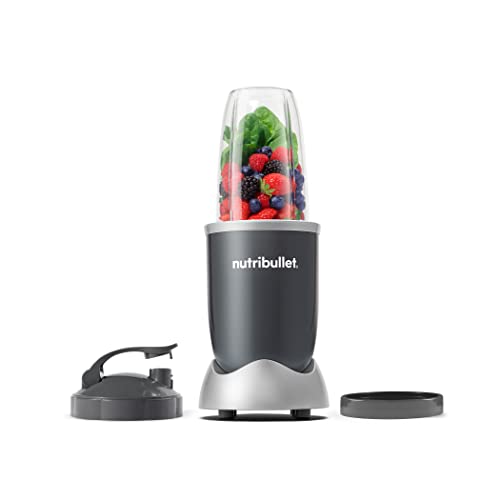


Quick Answer: How the Main Types Compare
There are three practical setups behind most listings for a best blender with to go cups search. Personal models blend in one small cup and suit one drink at a time. Full size models blend in a large jar and include travel cups for pouring and carrying. Hybrid models do both, with a jar for batches and cups that attach to the same base for single drinks.
Choose a personal model for one or two daily drinks and tight storage. Choose a hybrid when you make both family batches and single servings in the same week. Choose a full size model with extra cups when batch blending matters most and the travel cup is mainly for carrying.
Before You Buy: A Quick Checklist for Choosing a Blender
Work through these points in order. Space and routine narrow the field fastest.
Size: Match It to Your Space
Cup size decides whether a drink feels like a snack or a meal. Cups around 16 to 24 ounces suit most single smoothies and shakes, while larger cups near 32 ounces fit big post workout drinks but feel bulky in a bag. Jar sizes run from about 48 ounces to 64 or 72 ounces for family batches. If storage is shared, our guide to the best small blender shows how compact bases compare for apartments and dorm rooms.
Which Type Fits Your Routine
Think about the drink you make most days, not the one you make once a month. Personal and hybrid models shine for smoothies, shakes, and frozen fruit drinks you carry to work, school, or the gym. Full size models handle soups, sauces, and large batches better. If your main drink is a shake after training, see our guide to the best blender for protein shakes for notes on powder clumps. Quiet, vacuum, heated, and smart models exist, but each adds cost and parts.
Features Worth Paying For and Ones to Skip
Pay for extra cups in the sizes you will actually rotate, lids that seal well, and a jar material that fits your habits. Glass jars resist stains and odors, and our guide to the best glass blender explains the weight trade off. A tamper helps with thick mixtures in a large jar. Skip a food processor attachment or a heating element unless you know a weekly use for it, because every extra part needs washing and storage.
Wattage, Power, and Energy Use
Wattage tells you the motor ceiling, not how smooth the result will be, because blade shape and cup shape matter just as much. Small personal models often run at lower wattage and handle soft fruit and protein powder well, while thick frozen blends need a stronger motor and enough liquid to keep contents moving. Energy use per drink stays modest since blending runs for a minute or two. What matters more is a motor that does not strain or leave chunks behind.
Safety Features and Certifications
Look for a locking system that stops the motor unless the jar or cup sits correctly on the base, plus a stable base that stays put on the counter. Listings that carry UL or ETL marks show the electrical parts met a recognized safety standard. Keep hands and utensils out of a running blender, and check that lids close with a clear click or twist so a cup does not leak in transit.
Counter Space and Dimensions
Measure before you shop, because headline capacity says nothing about footprint. Note the height with the jar or tallest cup in place and check it clears your upper cabinets, and measure depth so the base does not crowd the backsplash. Count storage for extra cups and lids too, since a set of three or four cups can fill a cabinet shelf. A small kitchen may favor a base that tucks away between uses.
Realistic Budget Ranges
At under $50 you generally get a simple personal model with one or two cups and basic controls. Around $100 to $150 brings stronger motors, more cups, and better seals. At about $150 to $300, hybrid and full size models add larger jars, more speed settings, and longer warranties. Above about $300, you pay mainly for power, build materials, and quieter operation. Set your range after you know the type you need.
Types Compared: What Each Setup Does Best
Personal models are the simplest option. The cup screws onto the base, you blend, swap the blade unit for a drinking lid, and go. They wash fast and store easily, but they cannot make soup for four or crush a full jar of ice at once. They fit students, solo commuters, and anyone whose blender use starts and ends with a morning drink.
Full size models with travel cups work the other way around. You blend a batch in the jar, then pour servings into cups for the fridge or the road. This suits families who share one blend and households that also make sauces and soups. The trade off is more washing, since both the jar and the cup need cleaning.
Hybrid models sit between the two and often cost the most at the same power level. One base accepts both a jar and individual cups, so a household can make a family batch on Sunday and single drinks all week. They make sense when two or more people blend different drinks at different times and nobody wants a second appliance.
How to Compare Options Without Guesswork
Compare each option against the same short list: cup and jar capacity, how the cup attaches, motor strength for frozen ingredients, seal quality, cleaning effort, noise, safety marks, and warranty length. Use maker specifications and verified buyer comments about leaks and lid fit, since those details decide satisfaction more than top speed claims. Our guide on how to use a blender also helps you judge controls on rushed mornings.
Do You Really Need a Blender With to Go Cups?
You need this format if a drink regularly leaves the house with you or if washing a full jar for one small serving has become a daily annoyance. Blending in the cup removes one transfer step, cuts washing, and helps with portion control because the cup itself sets the serving size. It also keeps individual drinks separate, which helps when one person avoids nuts, dairy, or a fruit that another person loves.
A standard blender plus a reusable bottle may be enough if you blend only on weekends or mostly make large batches. Travel cups add value through frequency, not novelty. If you carry a drink four or five days a week, the cups earn their storage space quickly. If they would sit in a cabinet while the jar does all the work, spend the money on a better jar or motor instead.
Common Mistakes to Avoid
- Buying jar size and ignoring cup size. A huge jar does not help if the included cup is too small for your usual drink or too wide for your bag pocket.
- Overfilling the cup. Ingredients need room to circulate, and an overfilled cup blends unevenly and can stress the seal.
- Skipping the cup holder check. A cup that will not fit your car holder or bike holder turns a portable drink into a daily hassle.
- Ignoring replacement part costs. Seals, lids, and blade units wear out, and cheap parts can erase the saving on a low priced base.
- Paying for extras you will not use. Attachments and preset programs add price and storage needs without improving your daily smoothie.
Cost of Ownership and Care
Ownership costs stay low when you plan for small replacement parts. Seals and drinking lids wear first, blade units dull over time, and extra cups cost money when a household wants one per person. Electricity per blend is minor, so parts drive the real long term cost. Factor in a spare cup if two people leave home at the same hour.
Care is simple but consistent. Rinse the cup and blade unit right after use so residue does not dry on, wash seals by hand so they keep their shape, and let everything dry fully before storing. Our step by step guide on how to clean a blender covers deep cleaning for jars and bases. Store cups with lids loosely placed, since trapped moisture causes stale odors.
Your Questions, Answered
Can a blender with to go cups crush ice and frozen fruit in the cup itself?
Yes, many models can, as long as the motor is strong enough and you load the cup in the right order. Put liquid in first, then softer ingredients, and frozen fruit or ice last near the blades once the cup is inverted. Small frozen pieces blend more evenly than large whole fruit, and stopping once to shake the cup helps a thick mix finish without straining the motor or leaving pockets of unblended fruit.
What size to go cup fits a standard car cup holder?
Most car holders accept cups with a base diameter of about 2.5 to 3 inches, so check the widest point of the cup rather than its listed volume. Tall narrow cups usually fit better than short wide ones of the same capacity. Measure your holder before ordering a multi cup set, because family sized cups near 32 ounces often exceed holder width even though they feel fine in the hand at home.
Can you blend hot liquids in a to go cup?
No, you should not blend hot liquids in a sealed to go cup. Heat creates steam and pressure inside a closed vessel, and opening it can spray hot liquid outward. Blend hot soups or sauces only in a jar designed for heat, with a vented lid that lets steam escape, then let the liquid cool a little before pouring it into a travel cup for carrying. This is a safety limit of the format, not a brand difference.
How long does a blender with to go cups usually last?
A blender used daily often lasts several years, and the cups and seals usually wear out before the motor does. Expect to replace seals sooner if you wash them in high heat often, and expect blade units to lose sharpness with heavy ice use. Running the motor in short bursts with rest time between thick blends reduces strain, and a longer warranty on the base is a useful clue about how the maker rates its own motor life.
Is a blender with to go cups worth it if you already own a regular blender?
It can be, if your current blender accepts compatible single serve cups or if your mornings involve washing a large jar for one small drink. An add on cup that fits your existing base costs far less than a whole new appliance, so check compatibility by base model before buying anything. If no compatible cup exists and your current routine already works with a bottle, a second blender is hard to justify on cost or storage.
Final Thoughts
Start with your routine, then pick the format. Personal models suit one daily drink, hybrids suit mixed households, and full size models with cups suit batch makers who also carry servings out. Match cup size to your drink and your holder, keep the seal and cleaning effort in mind, and let the product table near the top guide your shortlist. Readers comparing formats can also see our overview of the best blender for jar only options. For most homes, the best blender with to go cups is the one whose cups you will wash, fill, and carry daily.


