Best Blender With Tamper (2026): Styles, Size and Care
Disclosure: We may earn a commission when you buy through links on this page, at no extra cost to you. As an Amazon Associate I earn from qualifying purchases. Learn more

When a tamper matters and how to choose the best blender with tamper, from pitcher size and power to warranty and care.
A thick smoothie bowl can stall in the middle while the blades spin in a hollow pocket underneath. A tamper solves that problem in seconds, pushing the mixture down while the lid stays on. If that sounds familiar, the best blender with tamper for your home depends on your counter space, your household size, and how thick your usual recipes run. The product table below lets you compare real options side by side.
This guide walks through the sizes, power levels, and features that matter for daily home use. If you are still deciding whether you need this style at all, our broader guide to the best blender covers the wider category first.



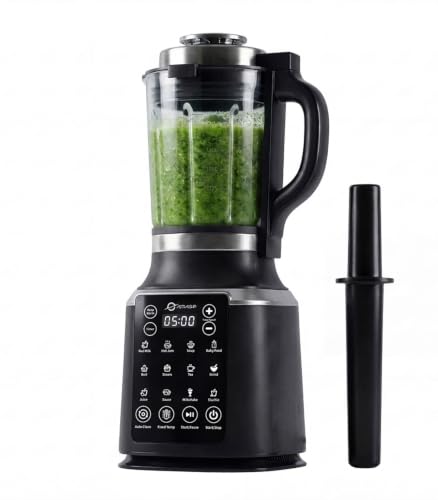

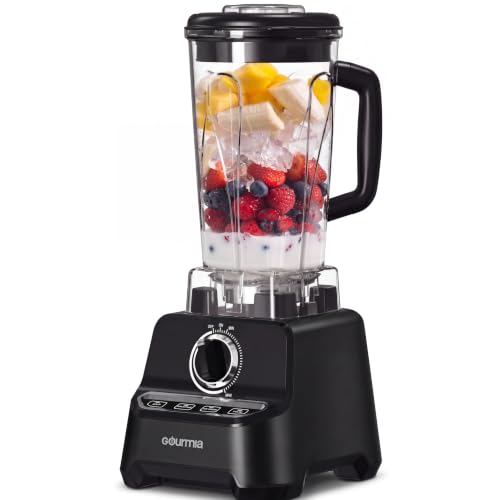
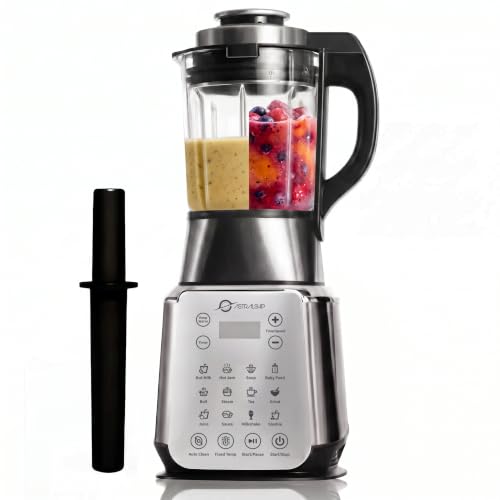
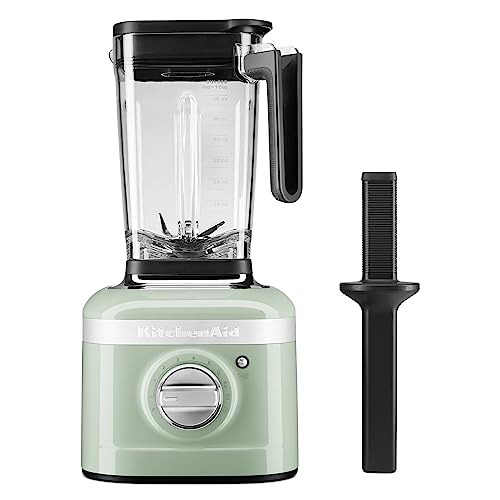
Quick Answer: The Three Styles in 30 Seconds
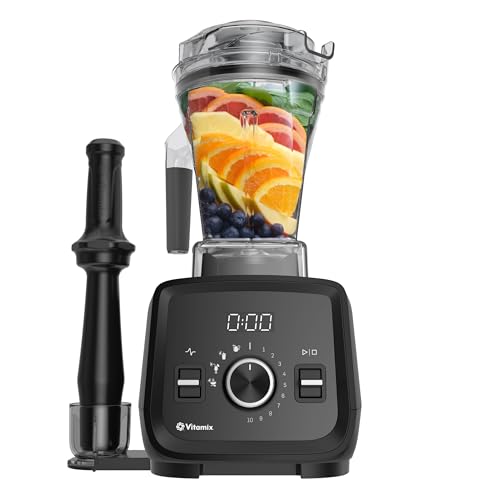
Most blenders sold with a tamper fall into three groups. Large family models hold a full batch at once and suit homes that blend for three or more people. Compact models trade some capacity for a smaller footprint and easier storage. Premium models cost more up front but add stronger motors, longer warranties, and parts that stay available for years.
- Large family style: a pitcher of about 64 ounces, best when you blend big batches several times a week.
- Compact style: a pitcher of about 48 ounces, best for one or two people and tight counters.
- Premium style: the strongest motor and longest warranty, best when thick recipes are a daily habit.
Before You Buy: A Quick Checklist for Choosing a Blender
Work through the points below in order. Space and batch size narrow your list first, and features and budget make more sense once those two are settled.
Size: Match It to Your Space
Pitcher size decides both your batch and your storage problem. A 48 ounce pitcher covers smoothies for one or two people and fits more easily in a cabinet. A 64 ounce pitcher is the common full size choice for families, while 72 ounce pitchers add headroom for soups and party batches but feel bulky in daily use. If counter height is tight or you blend for one, our guide to the best small blender explains the smaller formats in more detail.
Which Type Fits Your Routine
High speed models are the natural home for a tamper, since thick mixtures are exactly where their power helps. Professional style models add stronger cooling for back to back batches, which most homes rarely need. Quiet models use covers and insulation that add bulk. Glass and stainless steel pitchers look classic but are heavier and less common in this group. Vacuum, cordless, heated, and smart models solve narrow problems, so choose them only when that problem is yours.
Features Worth It (and Ones to Skip)
The tamper itself is the feature worth paying for here, and it should be shaped to reach the corners of your pitcher without touching the blades. Useful extras include a lid plug that doubles as a small measuring cup and a pulse control for short bursts. A food processor attachment can help, and our explainer on blender vs food processor shows where each tool wins. To go cups, heating elements, and long preset lists are easy to skip for most homes.
Wattage, Power and Energy Use
Most home models in this group list about 1000 to 1500 watts, and that range handles frozen fruit and thick batters well. Lower wattage can still work for softer recipes, but it will ask for more liquid and more time. Wattage alone does not tell the whole story, since pitcher shape and blade design move food toward the blades.
Safety Features and Certifications
Look for a listing mark such as UL or ETL on the product page or the base, which shows the electrical design met a recognized safety standard. A lid that must sit in place before the motor starts adds real protection, and overload shutoff guards the motor during a thick batch. Use the tamper only through the lid opening with the lid fitted, and never reach into a running pitcher with a spoon or spatula.
Counter Space and Dimensions
Measure before you order. Many full size models stand about 17 to 20 inches tall, and standard upper cabinets often leave about 18 inches of clear space above the counter. A model that is slightly too tall ends up stored in a closet, and a blender in a closet rarely gets used.
Realistic Budget Ranges
Prices in this group spread widely, so set your range by how often you blend. The tiers below describe what your money usually buys in build, power, and warranty length.
- Under $100: basic power and shorter warranties, with a tamper included on only some models, so check the box contents carefully.
- About $100 to $300: the main home range, with stronger motors, 48 to 64 ounce pitchers, and warranties that cover several years.
- About $300 to $500: premium build, quieter running at high speed, and the longest warranties, suited to daily heavy use.
Three Types Compared: Which Style Fits Your Home
Instead of ranking individual models, compare the three styles against your own routine. The right choice is the one whose strengths match the recipes you actually make each week.
Large Family Models for Daily Batch Blending
These models pair a 64 ounce pitcher with a motor built for repeated use. They suit homes making breakfast smoothies for several people, large soups, or frozen desserts for a group. The tamper earns its keep here, because a full pitcher of thick food is where air pockets form most often. The trade off is size, since these bases are tall and heavy. Choose this style when batch volume, not storage, is your main limit.
Compact Models for Smaller Households
Compact models use a pitcher of about 48 ounces and a shorter base that slides under more cabinets. They suit singles, couples, and small kitchens where the blender lives on the counter. Thick recipes still work, just in smaller batches, and the tamper is sized to match the narrower pitcher. Choose this style when you blend for one or two people and every inch of counter counts.
Premium Models Built for Years of Heavy Use
Premium models focus on motor strength, metal drive parts, and warranties that can stretch to seven or ten years on some designs. They suit cooks who make nut butters, hummus, and thick doughs often and want parts support far into the future. The trade off is price, often about $300 to $500. Choose this style when daily heavy use makes durability your top concern.
How to Compare Blenders With Tamper
Compare the styles above using the same criteria you can apply to any listing: pitcher capacity, motor power, ease of daily use, cleaning effort, noise, safety marks, and warranty terms. Good information comes from manufacturer specifications and from patterns in verified buyer feedback. Live prices change often, so check them on the product pages.
Do You Really Need a Blender With Tamper?
A tamper helps when your mixture is too thick to flow on its own. It pushes food from the corners and the top down toward the blades while the motor runs, so you add less liquid and keep a thicker texture. Nut butters, hummus, smoothie bowls, and frozen desserts benefit most. A plain best blender with tamper search makes sense if those recipes are weekly staples in your home.
Thin drinks are a different story. If your routine is mostly milkshakes and thinner drinks like the ones in our guide to the best blender for protein shakes, the mixture usually circulates on its own and a tamper adds little. You can also stop the motor, take the lid off, and stir with a spatula, though that is slower and messier. Our walkthrough on how to use a blender covers safe loading order, which reduces stalls before they start.
Common Buying Mistakes to Avoid
- Buying a pitcher that is too tall for your cabinets, so the blender ends up stored away and rarely used.
- Choosing a tamper model for thin drinks only, so you pay for a feature your recipes never call on.
- Ignoring replacement part costs, so a worn gasket or a cracked lid plug becomes a surprise expense later.
- Paying for long preset lists and smart extras, so the price climbs while your daily routine stays simple.
- Picking capacity by your largest party recipe, so everyday batches slosh in an oversized pitcher and blend unevenly.
Cost of Ownership and Care
Running costs stay low, since blending uses power in short bursts and the main expenses are replacement parts over the years. Budget for a new gasket, lid plug, or pitcher only if yours cracks or wears, and check part prices before you buy, because they vary a lot between designs. A model with parts still sold years later is cheaper to own than one you must replace whole.
Daily care is simple. Rinse the pitcher right after use, wash the tamper and lid parts in warm soapy water, and let everything dry fully before storing. For the deeper routine, including smells that linger in the gasket, follow our guide on how to clean a blender.
Your Questions, Answered
What makes one blender brand more reliable than another?
Reliability shows up less in the logo and more in the support behind the product. Look for a warranty that covers the motor for several years, spare pitchers and gaskets that are still sold, and clear service options in your country. Registering the product when you buy it also helps, since some makers ask for proof of purchase dates when you claim. Those practical signs predict a longer service life better than headline wattage does.
How do you clean the tamper and lid parts of a blender?
Wash the tamper, lid, and lid plug separately rather than leaving them stacked on the pitcher, since trapped moisture between parts can start to smell. Warm soapy water and a bottle brush handle most residue, and thick foods like nut butter come off easier after a short soak. Dry each piece fully before you put the lid back on. That small habit keeps the gasket area fresh between blends.
How long does a blender with tamper usually last?
A home model used a few times a week often serves for about five to ten years, with the range driven by motor quality and how thick your recipes run. Pitcher clouding, a loose drive connection, or a motor that smells hot during normal loads are signs that wear is adding up. Replacing a worn gasket early can extend useful life, because small leaks strain the base. Heavy daily use shortens that range, so match the build to your routine.
Is a blender with tamper worth it for smoothies?
It depends on the style of smoothie you make. Thick smoothies built on frozen fruit with very little liquid benefit, because the tamper keeps the mixture moving without extra water or juice thinning the result. Thinner smoothies with plenty of milk or water circulate on their own, so the tamper mostly stays in its holder. If smoothie bowls are part of your week, the answer is yes. If your drinks pour easily, it is optional.
What is the best blender with tamper for a small kitchen?
Start with height rather than capacity. A compact model of about 48 ounces that fits under your cabinets will serve you better than a larger model stored in a closet. Check that the tamper stores on or in the pitcher, since a loose tamper eats drawer space. From the product table near the top, filter first by overall height, then by pitcher size. That order of checks prevents the most common small kitchen regret.
Final Thoughts
Match the style to your thickest regular recipe, your household size, and the space under your cabinets, and the choice gets simple. Large models serve families, compact models serve small counters, and premium models serve daily heavy use. When you are ready, the best blender with tamper for your home is the one in the product table near the top whose size and warranty fit that routine, so check the current price on the product page before you order.