Best Blender With Food Processor Attachment (2026): Combos Compared
Disclosure: We may earn a commission when you buy through links on this page, at no extra cost to you. As an Amazon Associate I earn from qualifying purchases. Learn more

Jar, bowl and counter advice for choosing the best blender with food processor attachment, from compact combos to premium builds.
Your counter already holds a kettle, a coffee maker, and a cutting board that never quite finds a home. Adding two full size appliances is not realistic, yet your weeknight cooking asks for both smooth blending and fast chopping. That is the gap the best blender with food processor attachment fills, because one motor base runs a blending jar and a processor bowl that share the same footprint.
This guide helps you choose by what matters at home: the space you can give up, how many people you cook for, and what the machine costs to own over time. The product table below lets you compare real combos, and if you only blend drinks and soups, our guide to the best blender covers machines without the extra bowl.


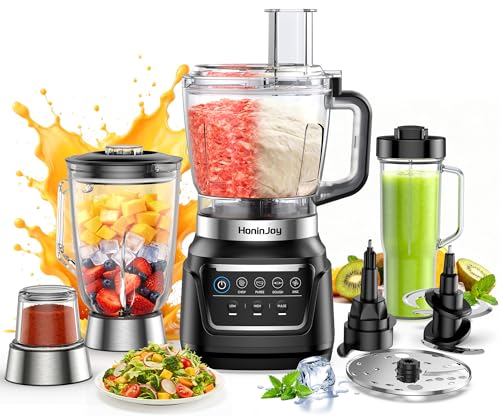

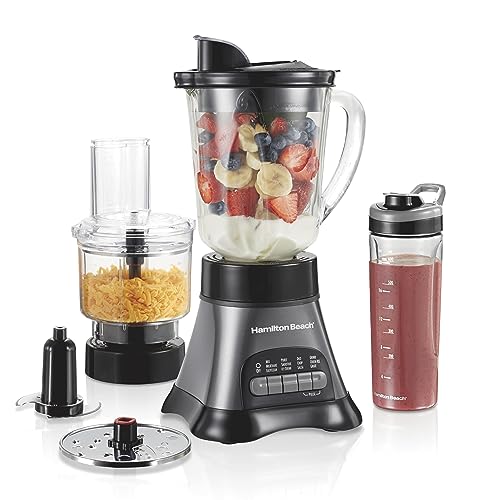

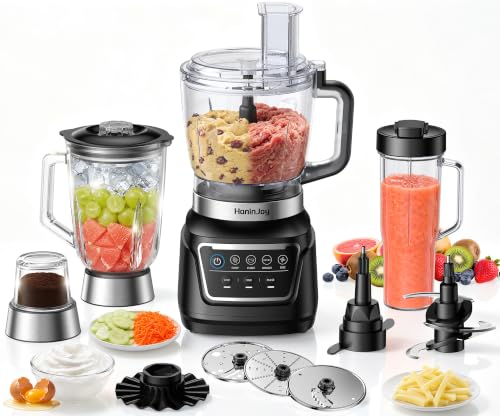
Quick Answer: 3 Combo Types
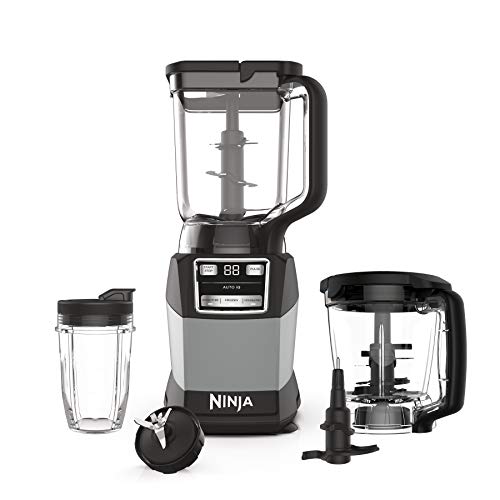
Combo machines fall into three broad types, and the right one depends on your household more than on any single spec. Compact combos pair a modest jar with a small bowl and suit one or two people. Standard combos add a larger jar and a roomier bowl for family meals. Premium combos use stronger motors, sturdier parts, and longer warranties for homes that cook daily.
Before You Buy: A Quick Checklist for Choosing a Blender
A combo asks more of one machine than a plain blender does, so a few minutes of checking now prevents the common regret of a bowl that is too small or a base that will not fit under your cabinets.
Size: Match It to Your Space
Start with the jar and bowl sizes you will actually fill. Compact combos often blend about 20 to 32 oz and chop in bowls of roughly 3 cups, which covers smoothies and small batches of salsa for one or two people. Family size jars hold about 48 to 64 oz, and larger designs reach 72 oz, with bowls around 7 to 8 cups for slaw, dough, and meal prep. If your kitchen is truly tiny, read our guide to the best small blender before you commit to a wide combo base.
Which Type Fits Your Routine
High speed combos suit homes that crush ice and blend frozen fruit often, since the motor and jar shape pull thick mixtures down to the blades. Quieter designs help in open plan homes and early morning households. Glass jars feel sturdy and resist stains, while plastic jars are lighter for anyone who lifts a full jar often. Vacuum blending and heated blending are niche extras most homes rarely use. Think about your three most common tasks, and let those, not the longest feature list, pick your type.
Features Worth It (and Ones to Skip)
The food processor attachment itself is the feature that earns its keep, provided it includes a slicing or shredding disc and not only a chopping blade. To go cups add real value for commuters and gym bags, and a tamper helps thick blends move without added liquid. If post workout drinks are a daily habit, our guide to the best blender for protein shakes compares cup friendly options. A heating element and smart programs you will never open usually add cost without adding meals, so skip them.
Wattage, Power and Energy Use
Most home combos run from about 600 to 1500 watts. Lower wattage handles soft fruit, soups, and light chopping, while stronger motors keep their speed when the bowl is full of dense vegetables or the jar is packed with ice. Wattage alone does not promise good results, since blade shape and bowl design matter too. Energy use stays modest because blending runs in short bursts.
Safety Features and Certifications
Look for a lid that locks before the motor starts, a bowl that seats firmly on the base, and nonslip feet that keep the machine steady on a wet counter. Listings from UL or ETL show the electrical design passed an independent safety review. Treat the processor blade like a knife when you wash and store it, in a covered spot rather than loose in a drawer. Keep the cord away from hot burners and small children.
Counter Space and Dimensions
Measure before you buy, because combo bases are wider than plain blenders and the bowl often stores beside the jar rather than inside it. Check the height with the jar seated, since many cabinets leave about 17 to 18 inches of clearance and tall jars can exceed that. Weigh the base honestly too, because a heavy unit that is annoying to lift tends to be left unused.
Realistic Budget Ranges
Under $50, expect a compact combo with a small bowl and basic chopping, fine for smoothies and salsa. Under $100, jars grow and parts feel sturdier. Under $150 to $200, motors get stronger and discs slice more evenly. Under $300, you gain quieter running, better build quality, and longer warranties. Under $500 sits the premium tier, where the extra money mainly buys durability and support rather than different meals.
3 Types Worth Your Money: Blender and Processor Combos Compared
Instead of naming individual models, compare the three combo types you will meet in the product table, since models change but these trade offs stay stable.
For Most Homes: The Standard Family Combo
This type pairs a jar of about 56 to 64 oz with a bowl of roughly 7 to 8 cups and a motor near 1000 watts or more. It covers the widest range of real cooking: family smoothies, soup batches, chopped onions, shredded cheese, and slaw for a crowd. Parts are widely stocked, and the size still fits most counters. For a household of three to five that cooks most nights, this is the type most buyers can stop at.
For Small Households: The Compact Combo
Compact combos shrink the jar to about 32 to 48 oz and the bowl to roughly 3 to 5 cups, with simpler controls and lower prices, often under $100. They chop and blend well in small batches, store in a single cabinet, and suit couples, singles, and apartment kitchens. The trade off is batch size: big meal prep means working in rounds. If your cooking is mostly drinks, dips, and two person dinners, this type gives you the attachment without paying for unused capacity.
For Daily Cooks: The Premium Heavy Duty Combo
Premium combos use stronger motors, thicker jars, metal drive parts, and warranties that can stretch well beyond the basic one or two years. The bowl and discs are built for daily chopping, dough, and nut butters without the strain that wears out lighter machines. Prices run higher, often about $250 to $450, but the cost spreads across many years of service. Choose this type if you cook from scratch daily or simply dislike replacing appliances.
How to Compare These Combos
A fair comparison weighs capacity against household size, blending and chopping results on common foods, ease of use, cleaning, noise, and safety and warranty coverage. Rely on manufacturer specifications and patterns in verified buyer feedback. A combo scores well when it fits a real home, does both jobs without fuss, and stays supported with parts.
Do You Really Need a Blender with Food Processor Attachment?
You need one if your week includes both blending and chopping tasks and your kitchen cannot store two machines. Think smoothies on weekday mornings plus onions, herbs, and cheese to prep on Sunday, all from one base. The bowl also handles crumbs, pesto, and small dough batches that a jar does poorly, since jar blades need liquid to keep food moving. If that sounds like your kitchen, the best blender with food processor attachment earns its counter space.
You may not need one if you rarely chop in volume or already own a processor you like. A standalone processor still wins for very large batches and marathon meal prep. Our comparison of blender vs food processor lays out where each tool is stronger. If a knife and board handled last month easily, the attachment will likely gather dust.
Common Buying Mistakes to Avoid
- Buying a bowl that is too small for your household, so every recipe becomes two or three batches.
- Ignoring cabinet height, then storing the jar separately from the base forever.
- Paying for heated blending and extra discs your routine never touches.
- Assuming the attachment replaces a standalone processor for big holiday cooking.
- Skipping the parts check, then finding blades and bowls for your model are hard to source.
- Choosing by wattage alone and ending up with a loud machine that chops unevenly.
Cost of Ownership and Care
The purchase price is only part of what a combo costs. Replacement blades, bowls, and lids are the usual long term expenses, so check that parts for your model are sold separately and priced fairly before you buy. A cracked bowl or a lost pusher that cannot be replaced turns a working base into clutter, which is why parts support matters as much as power.
Daily care is simple. Rinse the jar and bowl right after use so food does not dry onto the blades, wash parts in warm soapy water, and dry the blade assembly fully before storing it. Our step by step guide on how to clean a blender covers deep cleaning and odor removal. Store discs wrapped, keep the cord loosely coiled, and run the machine briefly with water after strong foods like garlic.
Your Questions, Answered
Can a blender food processor bowl knead bread dough?
Most bowls handle soft dough in small batches, roughly up to 2 to 3 cups of flour, using short pulses so the motor does not strain. The chopping blade pulls dough together quickly, though it will not develop gluten the way hand kneading does. Stiff, dry doughs are hard on combo motors, so add liquid gradually and stop if the base rocks or smells warm. Treat the bowl as a mixing helper rather than a full replacement for bread baking.
Is a blender with food processor attachment worth it for a single person household?
It can be, because the small bowl suits the amounts one person actually eats: a cup of chopped onions, a single batch of hummus, or crumbs from a few crackers. Large standalone processors perform poorly with tiny amounts, since food spreads thin and escapes the blade. A compact combo with to go cups also covers breakfast smoothies without extra dishes. The main question is counter room, since even a compact base needs a permanent spot.
How long does a blender with a food processor attachment usually last?
With normal home use, a decent combo lasts about 5 to 8 years, and premium builds often run longer. The parts that wear first are the blade assembly, the bowl latches, and the drive coupling, all stressed every time the bowl is packed full. Running smaller batches and letting thick mixtures rest between pulses extends that life. A maker that still sells parts for older models is a good sign your machine can be repaired instead of replaced.
Can the processor bowl grate cheese and slice vegetables evenly?
Yes, with the shredding and slicing discs, and the results depend on how you feed the chute. Firm, cold cheese grates cleanly, while soft cheese smears unless you chill it first. Vegetables slice most evenly when cut to fit the chute and pushed with steady pressure. Pieces at the end of each batch tend to come out ragged, so chop those by hand or toss them into the next soup.
Are extra discs and add on blades worth buying later?
Only the ones tied to a dish you already make. A julienne disc earns its price if you cook stir fries weekly, and a finer shredding disc suits homes that grate hard cheese often. Many accessory kits end up stored untouched because the basic blade and one disc cover most meals. Wait a few months, note which tasks still send you to a knife and board, and buy only the disc that solves one.
Final Thoughts
For most kitchens, the standard family combo is the best blender with food processor attachment because it balances jar size, bowl room, and price without eating the whole counter. Smaller homes save money and space with a compact type, while daily cooks get their money back from a premium build. Use the product table near the top to compare capacities against your household, check your cabinet height once, and choose the type your week of cooking calls for.