
Best Blender Under 500 (2026): Types, Power and Care
Disclosure: We may earn a commission when you buy through links on this page, at no extra cost to you. As an Amazon Associate I earn from qualifying purchases. Learn more

What the best blender under 500 dollars offers, with advice on jar size, high speed power, counter height and ownership costs.
A blender can sit unused for months if it is too big for your counter, too loud for early mornings, or too fussy to wash after a quick smoothie. Finding the best blender under 500 dollars for your home starts with how you actually live, how many people you serve, and where the machine will sit every day. This guide walks through size, type, power, and budget so you can match a model to your routine the first time.
Use the product table below to compare real options side by side. If you are still deciding on the wider category, our guide to the best blender covers the full price range.
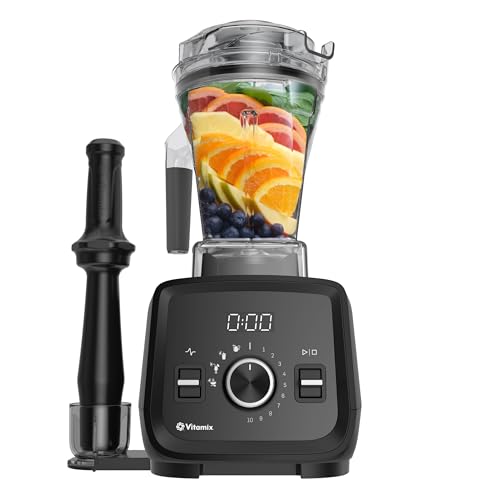


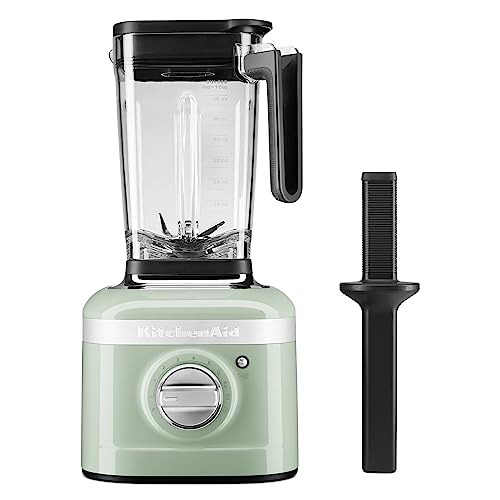
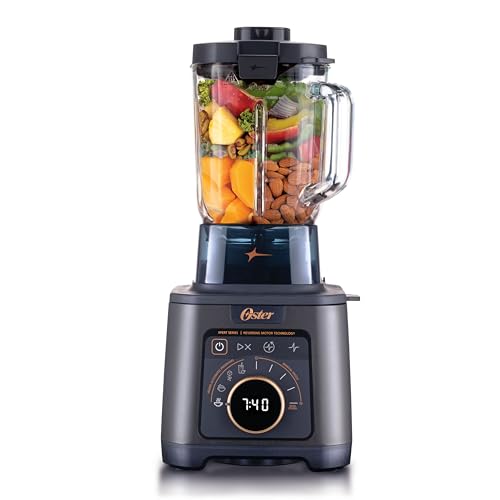

Quick Answer: The Types That Make Sense in This Budget
Under this ceiling you are not limited to basic machines. You can choose a full size high speed blender for large family batches, a mid size everyday model that balances power and storage, or a compact personal blender for single servings. The right choice depends less on the longest feature list and more on jar size, counter height, and how often you blend thick or frozen mixes.
Think of the best blender under 500 dollars as a fit question. A powerful base you dread cleaning will lose to a simpler model you reach for daily.
Before You Buy: A Quick Checklist for Choosing a Blender
Size: Match It to Your Space
Jar capacity decides how much you can make in one batch and how many rounds you need for guests. A 64 oz or 72 oz jar suits soups and smoothies for four or more people, while a 48 oz jar often feels easier to handle for one or two people. Personal sizes around 20 to 32 oz work for single drinks but fill up fast with leafy greens. Match capacity to your largest regular batch, not the biggest party you host once a year.
Which Type Fits Your Routine
High speed blenders handle frozen fruit, nut butters, and hot soups from friction alone, and they tend to be the tallest and loudest option. Standard countertop models cover daily smoothies, sauces, and crushed ice at a lower cost and with simpler controls. Personal blenders trade batch size for grab and go convenience. If you mostly make drinks for workouts, our guide to the best blender for protein shakes explains the cup sizes and sealing lids that matter for that routine.
Features Worth Paying For and Ones to Skip
Pay for a tamper if you blend thick mixes often, because it lets you push ingredients toward the blades without stopping the motor. Pay for variable speed control if you make both chunky salsas and smooth purees, since a single high setting gives you less control. To go cups, extra preset programs, and phone app controls add cost without improving the blend itself for most homes.
Wattage, Power and Energy Use
Motor ratings in this range often run from about 1000 to 1800 watts, but watts alone do not tell you how smooth the result will be. Blade design, jar shape, and how well the vortex pulls food down matter just as much for frozen and fibrous ingredients. Blending usually lasts one to three minutes, so the effect on a home energy bill stays small even with a strong motor.
Safety Features and Certifications
Look for a lid that locks or sits firmly before the motor will run, a stable base that stays put on a wet counter, and automatic shut off protection if the motor overheats. Listings that show UL or ETL marks mean the electrical design was checked by a recognized safety body. Never reach inside with a utensil while the blades turn, and stop using a jar that cracks or a seal that smells burnt.
Counter Space and Dimensions
Measure the height from your counter to the bottom of your upper cabinets before you shop, because many full size models stand 17 to 20 inches tall with the jar in place. Also check the base footprint and whether the jar and lid can sit in your sink for washing. Homes with little storage often do better with a model that fits under cabinets full time, since a blender stored in a closet gets used far less. For tight kitchens, compare options in our guide to the best small blender before you commit to a large base.
Realistic Budget Ranges
Spending about $100 to $200 usually buys a solid everyday countertop blender with a plastic jar, a few speeds, and enough power for smoothies and ice. In the range of about $200 to $350 you gain stronger motors, better jar design, and longer warranties. Paying about $350 to $500 should bring high speed performance, sturdier construction, and useful extras like a tamper.
Blender Types Compared Under $500
Rather than naming specific models, this section compares the three types you will see most often in this budget, so you can narrow the product table near the top to one clear direction.
Full Size High Speed Blenders for Family Batches
These machines pair a strong motor with a large 64 oz or 72 oz jar and a tamper for thick blends. They suit families who make soup, frozen drinks, and nut based sauces in one batch and who have the cabinet clearance to leave the base out. You gain the smoothest texture with fibrous greens. You give up quiet operation and easy storage, and replacement parts cost more.
Mid Size Everyday Blenders for Balanced Use
A mid size model with a 48 oz to 56 oz jar is often the sweet spot for couples and small families. It handles daily smoothies, pancake batter, and dressings without dominating the counter, and controls stay simple for anyone in the house to use. Power is lower than high speed types, so very thick mixes may need added liquid or a pause to stir.
Personal and Compact Blenders for Single Servings
Personal blenders blend directly in a sealed cup that you take with you, which cuts washing and suits one person making a morning drink. They take up little space and store in a drawer or a narrow cabinet. Small motors struggle with large frozen pieces, jars are too small for soup, and making drinks for several people means blending in rounds.
Jar material is another split worth noting in this comparison. If you prefer to avoid plastic for hot liquids or strong smells, our guide to the best glass blender explains the weight and care trade offs that come with glass jars.
How to Compare Blenders in This Price Range
Compare types by capacity, blending performance for common home tasks, ease of daily use, cleaning effort, noise level, safety design, and warranty length. Good details come from maker specifications and from patterns in verified buyer reports about durability, leaks, and support.
What You Get and Give Up Under $500
At this budget you can expect a motor strong enough for frozen fruit and leafy greens, a jar that seals well, and a warranty that often runs several years. What you give up compared with higher priced commercial machines is mainly duty cycle. A home model needs rest between heavy batches and is not built for all day use in a cafe setting.
A blender will not knead dough, slice vegetables evenly, or grind large amounts of dry food the way dedicated machines can. If you often weigh a blender against a processor for prep work, our comparison of blender vs food processor lays out which tasks each tool handles better.
Common Mistakes to Avoid
- Buying the largest jar for a small household, which makes small batches splash and blend unevenly.
- Ignoring cabinet height, which forces you to store the jar apart from the base and use the blender less.
- Choosing by watts alone, which can lead you to a loud model that still leaves chunks in thick mixes.
- Skipping the cost of replacement jars, seals, and blade assemblies, which can erase the saving on a cheaper base.
- Paying for many preset programs you will never use, while giving up a tamper or variable speed you would use weekly.
- Filling the jar past its max line with hot liquid, which can force the lid up and spill the contents.
Cost of Ownership and Care
Ongoing cost is mostly about replacement parts and simple upkeep rather than energy. Seals wear with heat and age, jars can cloud or crack if dropped, and blade assemblies dull after years of ice and frozen fruit. Price those parts for any type you consider, and favor designs with parts that are easy to order. Washing the jar right after use prevents dried residue that is hard to remove later, and a short rinse blend with warm water and a drop of dish soap handles most daily cleaning.
Store the jar with the lid off so moisture and odors do not build up inside. Keep the base dry and wipe spills before they reach the motor vents. Our step by step guide on how to clean a blender covers deep cleaning for the seal and blade area when a quick rinse is no longer enough.
FAQ
Can you get a good blender for under $500 without paying for extras?
Yes. This budget covers the core needs of most homes, including frozen smoothies, soups, and sauces, without paying for commercial duty parts. The key is to spend on motor strength, jar design, and a tamper if you need one, and to skip app controls and extra cups you will not use. A simpler model that fits your counter and batch size will feel better to own than a feature packed model that is awkward to store.
How long does a blender under $500 usually last?
With regular home use and prompt cleaning, many models in this range last about five to ten years before a seal, jar, or blade assembly needs replacement. Lifespan depends more on load than on age alone. Blending large amounts of ice daily, running long cycles without rest, and washing parts in very hot water can shorten that span. Replacing a worn seal early is one of the cheapest ways to extend the life of the whole machine.
Is a blender under $500 worth it if you already own a food processor?
It can be, because the two tools do different jobs well. A blender creates smooth liquids and purees that a processor cannot match, while a processor is better for chopping, slicing, and dough. If your kitchen work leans toward drinks, soups, and sauces, the blender earns its counter space. If you mostly chop and shred, you may not need both. Think about your weekly recipes rather than buying a blender for rare tasks.
What size blender under $500 works best for a family of four?
A 64 oz jar is a practical starting point for a family of four, because it holds four smoothie servings or a full batch of soup in one cycle. Go larger only if you regularly serve more people or make big frozen drink batches. Keep in mind that a full large jar is heavy to pour, so a jar with a firm handle and a pour spout you can control matters as much as the number on the side.
Do you need a tamper with a blender under $500?
A tamper helps most when you blend thick mixes with little liquid, such as nut butters, frozen desserts, and hummus. It pushes food into the blades while the motor runs, which reduces air pockets and stops you from opening the lid to stir. If your blending is mostly drinks and soups with plenty of liquid, you can do without one. When a model includes a tamper, check that it has a collar that stops it from touching the blades.
Final Thoughts
Start with your space, your batch size, and the foods you blend most often, then let those answers pick the type before you look at extras. A model that fits your cabinets, serves your household in one batch, and cleans up fast will be the best blender under 500 dollars for your home, even if another model lists more programs. Use the product table near the top to confirm height, capacity, and warranty for the type you chose, and check the current price before you order.


