
Best Blender Under 50 (2026): Types, Sizes and Limits
Disclosure: We may earn a commission when you buy through links on this page, at no extra cost to you. As an Amazon Associate I earn from qualifying purchases. Learn more

What the best blender under 50 dollars can and cannot do, with advice on jar size, type, cleaning and replacement part costs.
A blender earns its counter spot in a real home by handling the jobs your household repeats, from morning smoothies to soup for dinner. The right choice depends on how many people you serve, how much storage you have, and how often you blend. This guide to the best blender under 50 dollars walks you through sizes, types, and features so you can match a model to your kitchen instead of guessing.
Use the product table below to compare real options side by side, then read the checklist that follows to learn what about $50 buys and what it leaves out.


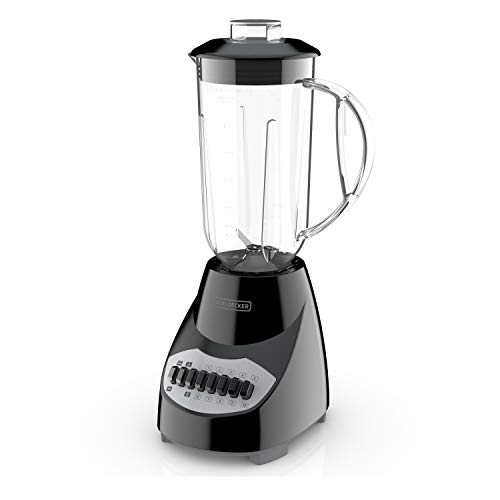


Quick Answer: Three Types That Fit Real Homes Under $50
If you want the short version, most households under this budget end up choosing between three types. Each type below solves a different problem, so start with the one that matches your serving size and storage space.
- Full size countertop models suit families who blend large batches of soup, salsa, and smoothies in a jar of about 48 to 64 oz.
- Personal models blend in a single cup you carry out the door, which suits one or two people and very small kitchens.
- Compact models with extra cups sit between the two, giving you a medium jar plus travel cups for varied weekday use.
Before You Buy: A Quick Checklist for Choosing a Blender
Size: Match It to Your Space and Servings
Capacity decides how many servings you make at once and how much room the jar takes in a cabinet. Personal models hold about 16 to 24 oz, compact jars hold about 40 to 48 oz, and full size jars hold about 56 to 72 oz. If counter and shelf room are tight, look at our guide to the best small blender options for footprint ideas. Fill liquids only to about two thirds, so buy a little more capacity than your usual batch.
Which Type Fits Your Routine
Daily smoothie makers need a cup that rinses fast and a lid that seals for travel, while weekend cooks who puree soups need a vented lid that lets steam escape. Shoppers who also chop nuts, onions, and bread crumbs in bulk may want to read our comparison of blender vs food processor before deciding, since a food processor handles dry chopping with less scraping.
Features Worth It (and Ones to Skip)
Features worth paying for include a pulse button for chunky salsa, a removable blade base that lets you scrub the jar fully, and extra cups with sealed lids. A glass jar resists stains and odors, and readers who prefer that material can see our guide to the best glass blender models for context. Skip preset programs, touch screens, and heating elements, since basic speed dials do the same work.
Wattage, Power and Energy Use
Most models under $50 run at about 400 to 700 watts, enough for soft fruit, cooked vegetables, leafy greens, and protein drinks. Ice and frozen fruit strain these motors, so smaller cubes and a splash of liquid help the blades keep moving. Wattage alone does not tell the whole story, since blade shape and jar design affect how food circulates. Energy use per blend is small, so power cost should rarely drive your choice.
Safety Features and Certifications
Look for a listing mark such as UL or ETL on the base or maker page, which means the electrical design passed an independent safety review. A lid that locks before the motor starts protects you when the jar is full, and a stable base keeps the unit from walking during a cycle. Keep the cord away from hot burners, and unplug the unit before you reach near the blades.
Counter Space and Dimensions
Measure the height from your counter to the bottom of your upper cabinets before you shop, since many kitchens allow only about 17 to 18 inches of clearance. A tall jar on its base may not fit, which means storing the jar separately. Also check the base footprint, because a wide base can crowd a coffee maker or toaster in a small kitchen.
Realistic Budget Ranges
Models at about $25 to $35 are usually personal or basic countertop units with plastic jars and few settings. The range of about $35 to $50 brings larger jars, stronger motors, and extra cups, and suits most homes best. Spending about $100 to $150 buys quieter motors and longer warranties, while about $200 and up buys high speed machines built for nut butters and grain milling.
Three Types Compared: What Your Money Buys Under $50
For Most Homes: The Full Size Countertop Type
A full size countertop blender is the default pick for households of three or more people. Its jar of about 48 to 64 oz handles smoothies, a pot of soup, or a bowl of salsa in one cycle. Two or three speeds plus pulse cover nearly every home task, and a wide jar mouth makes washing simple. The trade off is storage, since this type needs the most cabinet height. Our overview of the best blender categories shows how these models sit in the wider market.
For Small Households: The Personal Single Cup Type
A personal blender blends directly in the cup you drink from, which cuts washing and suits one or two servings. It fits well after a workout, and readers focused on that routine can explore our guide to the best blender for protein shakes for shake specific advice. Most cost about $25 to $40, leaving room for extra cups. The small cup cannot handle hot soup, though, and its narrow opening makes loading bulky greens slower.
For Mixed Use: The Compact Type With Extra Cups
A compact blender with a medium jar plus two or three travel cups gives a household a wide range of tasks at about $40 to $50. You can puree sauce in the jar on Sunday and blend single smoothies in cups on weekdays. Look for cups that share one blade base, since swapping parts saves time and storage. The trade off is more parts to wash, and the jar is still too small for very large batches.
How to Compare Blenders at This Price
Compare maker specifications, jar dimensions, stated wattage, and safety listings for models sold at about $50 or less. Read verified buyer reviews for patterns about leaking lids, cracked jars, and motors that failed early, since repeated complaints reveal more than any single rating. Use the product table near the top and the maker pages to confirm current details before you order.
What You Get (and Give Up) Under $50
At this budget you get a machine that handles the core jobs of home blending well. Smoothies with soft and lightly frozen fruit, milkshakes, salad dressings, pancake batter, and cooked soups all come out smooth with a short pause to stir or shake the jar. That is why the best blender under 50 dollars can be a sensible buy for a first apartment, a dorm room, or a family that blends a few times a week.
What you give up is refinement. Jars are usually plastic rather than glass, speed choices are few, and the motor sounds loud next to premium machines. Crushing a full jar of hard ice or milling flour is beyond this class, and warranties tend to run about one year. If your routine centers on those heavy tasks, saving toward a higher tier will serve you better.
Common Buying Mistakes to Avoid
- Buying the largest jar for a one person home, which leaves you washing a big vessel for a single small smoothie.
- Judging by wattage alone, which ignores jar shape and blade design and can lead you to a loud model that still blends poorly.
- Overfilling the jar past its max line, which forces liquid past the lid seal and strains the motor.
- Ignoring replacement part costs, which turns a cheap unit into a poor deal when a cracked cup costs a large share of the purchase price.
- Choosing preset programs you will never use, which adds cost without improving the smoothies and soups you actually make.
Cost of Ownership and Care
Running costs stay low, since each blend uses only a minute or two of electricity and the main expenses are replacement parts. Extra cups, lids, and gaskets for common models cost about $10 to $25, and a replacement jar can cost about $20 to $35, so check part prices before you buy. For step by step washing guidance, see our article on how to clean a blender after you finish here.
For daily care, rinse the jar right after use, then wash it in warm soapy water and let it air dry with the lid off. Wipe the base with a damp cloth and never submerge it, since water inside the motor housing can cause failure. Store the cord loosely coiled, and keep the blade assembly dry to slow rust on exposed metal.
Your Questions, Answered
Can you get a good blender for under $50?
Yes, as long as your tasks match what this class does well, such as smoothies, shakes, dressings, and cooked soups. One point buyers often miss is the return window, so keep the box and receipt until you have blended your hardest regular recipe at home. A model that handles your actual routine is a good buy, even if a pricier machine posts stronger numbers on paper.
How long does a blender under $50 last?
With regular home use a few times a week, a budget blender often lasts about three to five years before the motor weakens or the jar cracks. Keeping the model number and purchase date in a kitchen drawer makes ordering the right gasket or cup much easier later. If you ever see sparks, smell a strong burning odor, or notice the base getting very hot, stop using the unit and contact the maker rather than running it again.
How do you remove stubborn odors from a blender jar?
Strong smells from garlic, onion, or spices can linger in plastic jars even after washing. Fill the jar with warm water, add a spoon of baking soda, and let it soak for several hours or overnight before rinsing well. Storing the jar with the lid off between uses also helps, since trapped moisture holds odors against the plastic. Glass jars resist this problem, which is one reason some buyers pay more for that material.
Is a blender under $50 worth it if you blend only on weekends?
It can be, especially if weekend cooking includes soups, sauces, or frozen drinks that are slow to make by hand. List the recipes you made last month that needed pureeing, since two or more each week makes ownership easy to justify. If the list is nearly empty, a personal model at about $25 to $35 covers the odd smoothie for less.
What is the best blender under 50 for a rental kitchen?
Renters benefit from a compact model that fits in a single cabinet and moves easily when you change homes. Storing the jar and cups nested inside each other saves shelf room, and choosing a unit with a short cord avoids clutter on limited counters. Check that the base sits flat on uneven rental counters, since a slight wobble grows louder and less safe at full speed. A quiet design also helps when walls are thin and neighbors are close.
Final Thoughts
Choosing well at this price comes down to fit. Pick the full size type for family batches, the personal type for single servings and small counters, and the compact type with extra cups for a mix of both. Check your cabinet height, confirm the safety listing, and glance at replacement part prices before you order. For most households, the best blender under 50 dollars is simply the one whose size and type match daily life, and the product table near the top is a good place to compare your finalists.


