Best Ceramic Waffle Makers (2026): Buying Guide
Disclosure: We may earn a commission when you buy through links on this page, at no extra cost to you. As an Amazon Associate I earn from qualifying purchases. Learn more

Choose the best ceramic waffle maker for your kitchen: compare compact, standard and flip styles by size, browning control, safety, cleanup and budget.
Saturday morning in a small kitchen can get crowded fast. Someone is measuring batter, someone else wants coffee, and the counter already holds a cutting board and a fruit bowl. In a home like that, finding the best ceramic waffle maker is less about chasing the biggest feature list and more about picking a size and style your household will actually use every week.
This guide focuses on fit for real homes: how much counter and cabinet space a model needs, how many people it feeds without endless batches, how simple it is to clean on a busy weekday, and what it costs to own over time. The product table lists current models so you can narrow your choice before reading the details.

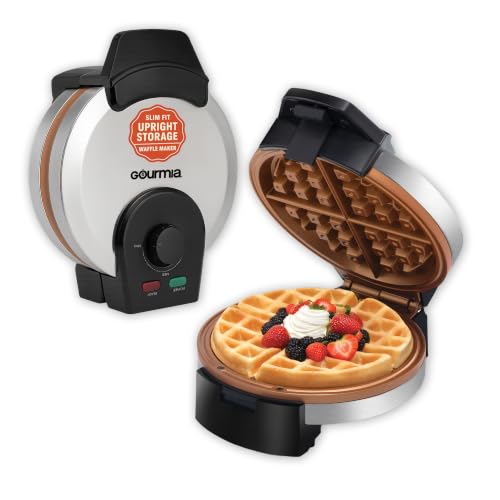
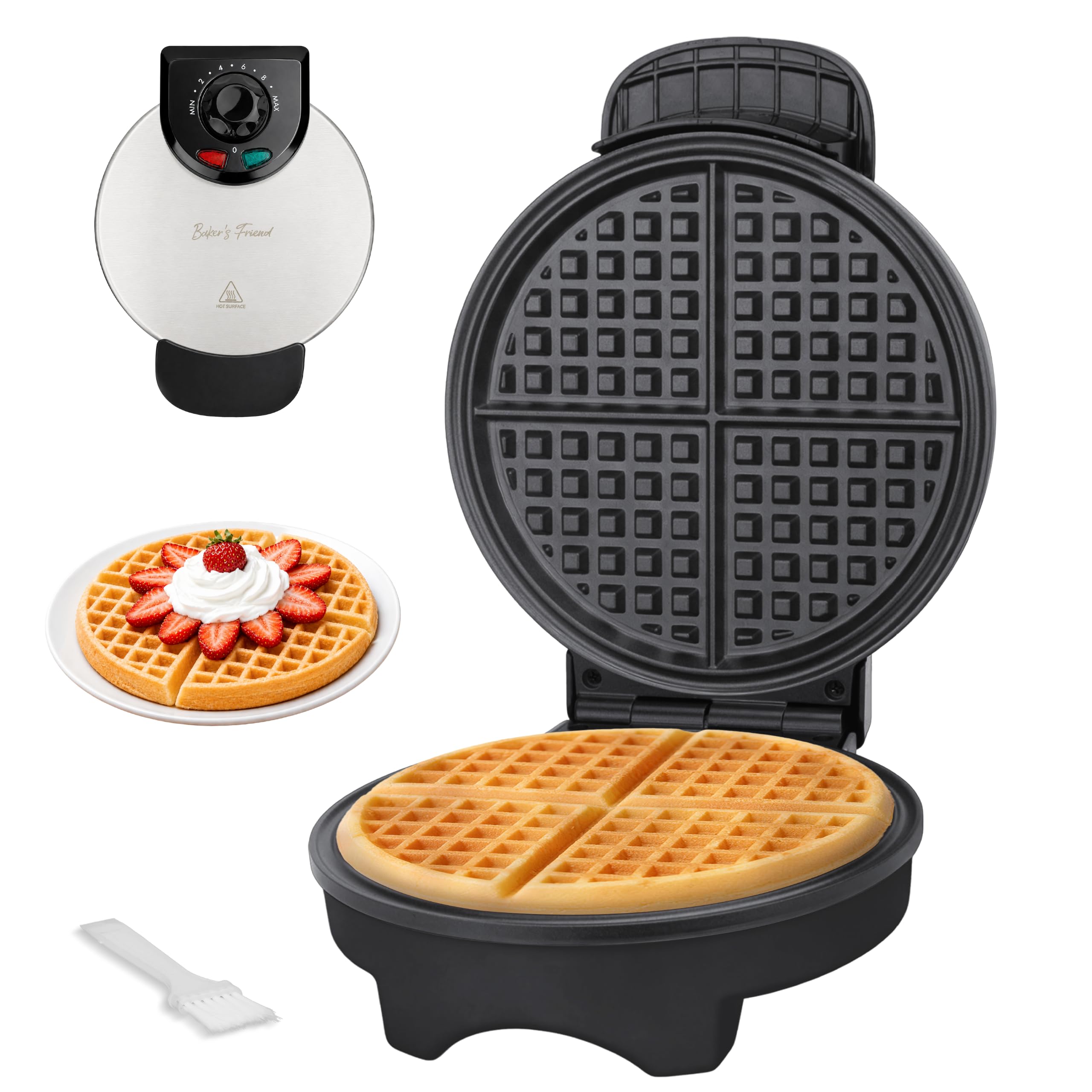

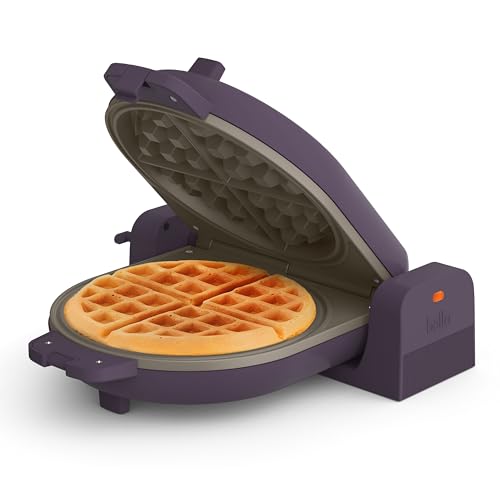
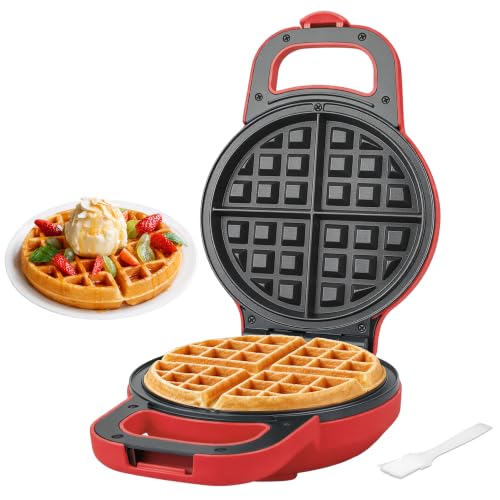


Quick Answer: Three Styles That Fit Most Homes
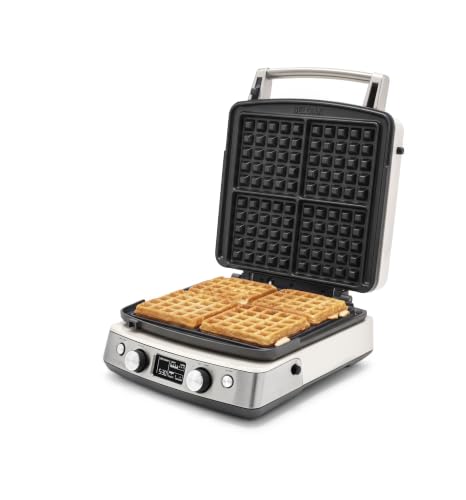
Most households end up choosing between three styles. A compact single waffle model suits one or two people and tucks into a drawer or a narrow cabinet. A standard two waffle Belgian style model suits families of three or four, because it serves two people per batch and shortens the wait at the table. A double or flip style model suits larger families and weekend guests, since flipping spreads batter evenly and a double plate layout doubles output per batch.
If your household sits between sizes, choose based on your slowest morning, not your biggest one. A maker that feels slightly large on a quiet Tuesday still earns its space if it removes the long queue on Sunday. A maker that feels cute but needs five batches will quietly stop being used. Our broader guide to the best waffle maker covers every plate material if you want to compare ceramic against the rest of the field.
Before You Buy: A Quick Checklist for Choosing a Waffle Maker
Which Type Fits Your Routine
Belgian models make thick waffles with deep pockets that hold berries, syrup, and melted butter, and they suit sit down weekend breakfasts. Classic thin waffle models cook faster and give crisp edges, which suits people who like a lighter plate. Mini models make one small waffle at a time and suit dorm rooms, small apartments, and kids who enjoy making their own breakfast. Flip and rotating models turn the plates during cooking so batter coats both sides, which helps when you fill the plates generously. Double models cook two batches at once and suit big families. Ceramic plates appear across all of these styles, so choose the style first and the coating second. If thick waffles are your priority, our guide to the best belgian waffle maker explains the deep pocket style in more detail.
Features Worth It, and Ones to Skip
Browning control is worth paying for because it lets each person at the table get a pale soft waffle or a dark crisp one from the same batter. A ready indicator light or tone is also worth it, since guessing doneness leads to pale waffles and wasted batter. Removable plates matter if your household cooks often, because you can wash them at the sink instead of wiping fixed plates over the counter. Features you can usually skip include novelty shapes for everyday use, large digital displays on a simple appliance, and extra attachments you will store more than you use. If easy washing is high on your list, see our guide to the best waffle maker with removable plates for how plate removal changes cleanup.
Wattage, Power, and Energy Use
Most home waffle makers draw about 700 to 1200 watts while heating. Higher wattage generally means the plates return to cooking temperature faster between batches, which matters when you cook for a table of hungry people. For one or two waffles, wattage barely changes the result, so a modest rating is fine. Energy use per breakfast stays small either way, because the heating cycles run for minutes rather than hours. What matters more is a plate that heats evenly, since hot spots give you one dark corner and one pale corner on the same waffle.
Safety Features and Certifications
Look for a listing mark from UL or ETL on the product page or the box, which shows the appliance was certified by an independent safety organization. A locking lid helps when you store the maker upright and when curious kids are near the counter. Cool touch handles and sides reduce the chance of a burned fingertip when you move the unit mid breakfast. An automatic shutoff or a clear power switch adds peace of mind in busy kitchens. Keep the cord short and away from the sink, and always set the maker on a flat heat safe surface while it cooks.
Counter Space and Dimensions
Measure before you order. A mini model may take up less room than a dinner plate, while a double Belgian model can claim the footprint of a large cutting board and need real cabinet depth. Check the height as well, because some lids open tall and may not fit under low upper cabinets while in use. If storage is tight, look for cord storage underneath and a design that stands upright. Small households with tight counters often do better with the compact route in our guide to the best mini waffle maker.
Realistic Budget Ranges
At about $30 or less, expect a mini or basic single waffle model with few settings and a simple ready light. In the about $30 to $60 range, you gain browning control, larger plates, and sturdier hinges. In the about $60 to $100 range, you find flip models, double capacity, and removable plates. Spending more than that mostly buys premium build and larger capacity rather than better waffles. Match the tier to how often you cook: a family making waffles twice a week gets value from the middle tier, while a once a month cook can stay in the lowest one.
Ceramic Plates Compared With Other Plate Materials
Ceramic coatings feel slick, so waffles release with little or no added oil and batter residue wipes away with a soft cloth. Many shoppers choose ceramic because they prefer to avoid traditional non stick coatings, and the light colored surface makes it easy to see leftover batter before you store the maker. The trade off is durability. Ceramic coatings can lose their slickness faster than traditional coatings, and metal utensils or abrasive pads can scratch them, so wood or silicone tools are the safer match.
Compared with cast iron plates, ceramic is far lighter and needs no seasoning, though cast iron can last for decades with care. Compared with bare aluminum or steel plates, ceramic releases food far more easily, so you spend less time prying at stuck edges. For most home cooks, the appeal is simple: easy release and easy cleanup in exchange for gentle handling. Treat the coating kindly and it serves well; treat it roughly and a traditional coating may forgive you more.
How to Compare Ceramic Waffle Makers
When two models look alike, compare capacity first, then cooking performance signals such as wattage, plate depth, and browning range. Next, weigh ease of use: lid weight, handle comfort, and how clearly the ready light reads from across the room. Then check cleaning, because fixed plates and removable plates lead to very different cleanup routines. Finally, look at the warranty length and the safety listing. Manufacturer specifications and verified buyer feedback about sticking, uneven browning, and hinge wear are the most useful signals for how a model behaves after months of breakfasts.
Common Buying Mistakes to Avoid
- Buying capacity you do not need. A double model for a two person home eats cabinet space every day to save a few minutes once a month.
- Ignoring storage height. A maker that fits the counter may still fail to fit the cabinet where you planned to keep it.
- Skipping browning control. Without it, one person at the table always gets waffles darker or paler than they like.
- Using metal utensils on ceramic plates. Forks and knives scratch the coating, and scratched areas start sticking soon after.
- Forgetting replacement costs. If plates are removable, check the price and availability of spares before you buy, not after a plate gets damaged.
Cost of Ownership and Care
Running costs stay low. Electricity for a typical breakfast session costs only a few cents, and ceramic plates need no special sprays; in fact, aerosol cooking sprays can leave residue that harms the coating, so brush on a thin layer of plain oil instead when a recipe needs it. Let the plates cool fully before cleaning, then wipe them with a damp soft cloth or wash removable plates in warm soapy water. Our step by step guide on how to clean a waffle maker walks through stuck batter and sugar residue in detail.
Store the maker with the cord wrapped loosely and nothing heavy stacked on the lid, since pressure on the hinge can misalign the plates over time. A folded paper towel between the plates keeps them from rubbing during storage. With gentle tools and no harsh scrubbing, the coating should keep releasing waffles cleanly for years of regular use.
Your Questions, Answered
Are ceramic waffle makers worth it?
They are worth it if easy release and simple cleanup matter more to you than maximum coating lifespan. Waffles lift off with little oil, and the smooth surface wipes clean in seconds. The honest trade off is that the coating rewards gentle handling. Households that cook waffles weekly and use soft utensils tend to be glad they chose ceramic, while heavy handed cooks may wear the surface out sooner.
How long does a ceramic waffle maker last?
The appliance itself often runs for many years, because the heating element and hinge are simple and sturdy. The coating is usually the part that ages first, and its lifespan depends on utensil choice and cleaning habits more than on the calendar. One early sign of wear is batter starting to grip in the center of the plate. When release fades, cooking sprays will not restore it, so gentle care from day one is the real lifespan strategy.
What size ceramic waffle maker does a family of four need?
A model that cooks two waffles per batch is the practical minimum, since it serves the table in two rounds and keeps everyone eating together. A double model cuts that to a single round but needs much more storage room. Also consider plate depth: deep Belgian pockets hold more toppings per waffle, so two waffles per person may be plenty. For a family that often feeds six, batch speed matters more than any other single feature.
Can you make more than waffles in a ceramic waffle maker?
Yes, and this is where ceramic plates shine for busy homes. Hash browns, egg mixtures, cinnamon roll dough, and savory chickpea batter all cook well because the coating releases them without a fight. Keep portions small so the lid closes without forcing it, and skip anything with loose sugar on the outside, since caramelized sugar is the one mess that takes real effort to remove from any plate.
Is a ceramic waffle maker a good gift?
It makes a thoughtful gift for newlyweds, new homeowners, and students in a first apartment, because it is small, simple, and used often. Choose a compact or standard size rather than a large double model unless you know the kitchen well. Include a soft silicone spatula with it so the recipient starts out with the right tool for the coating. A short note with a favorite batter recipe makes the gift feel personal without adding cost.
Final Thoughts: Best Ceramic Waffle Maker
The right choice comes down to three honest answers: how many people you feed, how much storage you can give up, and how gently your household treats a coating. Match those answers to the types in the product table above and the best ceramic waffle maker for your home becomes an easy call. Pick the size you will use weekly, keep soft tools nearby, and Saturday breakfast gets simpler from the very first batch.