Best Ceramic Rice Cookers (2026): Buying Guide
Disclosure: We may earn a commission when you buy through links on this page, at no extra cost to you. As an Amazon Associate I earn from qualifying purchases. Learn more

Pick the best ceramic rice cooker for your kitchen: compare simple, compact and advanced styles by capacity, controls, safety, pot care and budget.
Picture a weeknight when the rice is still crunchy, the rest of dinner is ready, and someone is already asking when you will eat. A countertop cooker takes that timing problem off your plate, and choosing the best ceramic rice cooker for your home means the pot itself suits how you cook and clean. Use the product table to compare current cookers before you spend anything.
This guide focuses on fit for real homes. You will weigh capacity against cupboard room, simple controls against settings you will actually use, and the full cost of owning the pot. For the wider view, start with our guide to the best rice cooker, then come back to the ceramic options here.



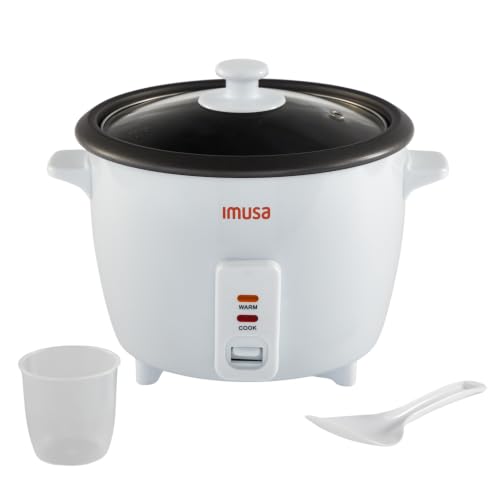
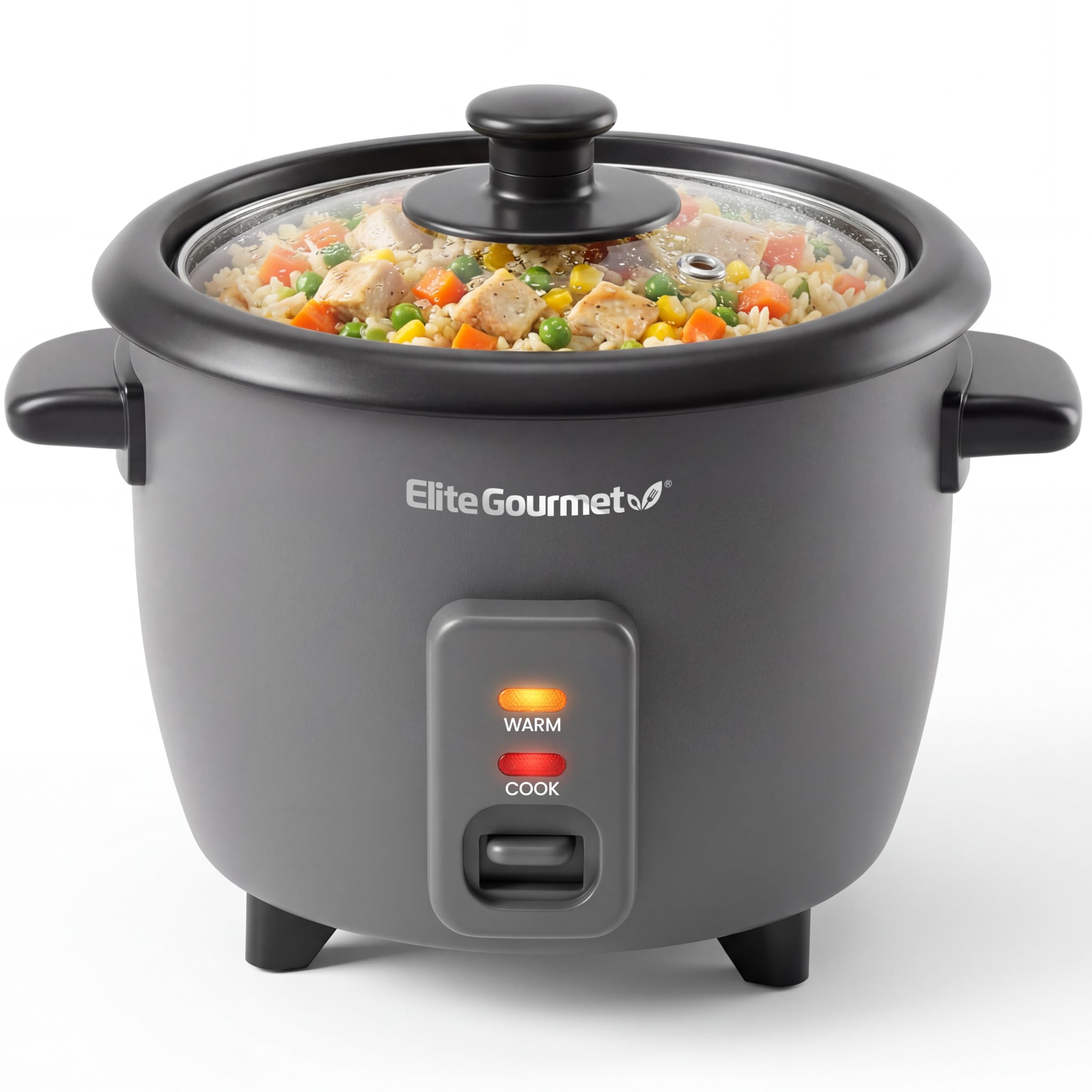


Quick Answer: Three Types in 30 Seconds
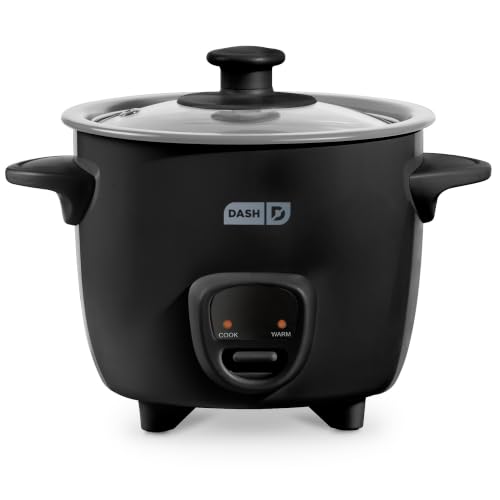
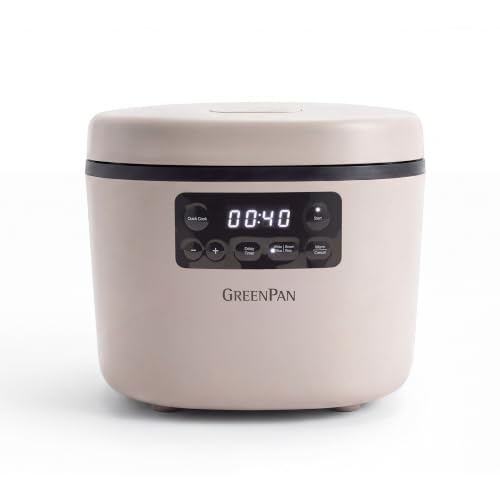
Ceramic rice cookers fall into three broad types. Simple models with a solid ceramic inner pot handle daily rice with one lever or button. Compact models with a ceramic coated pot cost less and suit one or two people. Advanced models add fuzzy logic or pressure cooking for wider grain control. Pick by household size and routine first.
Before You Buy: A Quick Checklist for Choosing a Rice Cooker
Work through the points below in order.
Size: Match It to Your Space
Cooker sizes are stated in cups of uncooked rice, and that rice roughly doubles once cooked. A 1 cup or 3 cup model serves one person or a couple. A 5.5 cup model covers most families of three or four, while 10 cup and 20 cup models suit big households and meal prep. Buy for your usual batch, not your largest party, because small batches turn mushy in an oversized pot. For tight kitchens, our guide to the best small rice cooker covers compact options in more depth.
Which Type Fits Your Routine
Basic cookers cook and then hold rice warm, which is enough if you eat mostly one kind of rice. Japanese and Korean designs often add fuzzy logic, a chip that adjusts time and heat as cooking progresses, so mixed grains come out more even. Induction models heat the whole pot rather than only the base, and pressure models soften firm grains faster. Low carb models drain away some cooking water and change the texture. Our guide to the best japanese rice cooker explains the fuzzy logic style on its own.
Features Worth It (and Ones to Skip)
A steamer basket earns its keep if you cook vegetables, eggs, or dumplings while the rice cooks below. The inner pot matters most, because it is the part you wash daily and the part that wears first. A keep warm setting that holds rice safely for a few hours helps households that eat in shifts. Skip a long menu of preset programs if you cook two kinds of rice, skip a second pot you will never rotate, and skip a timer if your mornings never follow a plan.
Wattage, Power and Energy Use
Small cookers often draw about 300 to 500 watts, family models about 600 to 1000 watts, and pressure models can draw more. Higher wattage means a faster start to cooking, not better rice. Energy use stays modest, because a cooker runs at full power for well under an hour per batch, then sips power on keep warm. Leaving keep warm on all day costs more than the cooking itself.
Safety Features and Certifications
Look for a UL or ETL mark, which shows the appliance was certified by an independent safety organization for the United States market. A locking lid matters on pressure models, and a steam vent that points away from your hand prevents the most common scald with this appliance. A cooker that drops to keep warm when the pot runs dry adds protection if you get distracted.
Counter Space and Dimensions
Capacity tells you how much rice a cooker holds, while dimensions tell you whether it lives on your counter or in a cupboard. Measure the depth with the lid fully open, because many cookers need more clearance than their closed height suggests under wall cabinets. Check cord length against your outlet position, and weigh the cooker with the pot inside if it must be stored away.
Realistic Budget Ranges
Your budget buys capacity and control more than it buys better plain rice. Expect roughly the following at each level.
- Small basic cookers under $30, with a ceramic coated pot, one cooking setting, and few extras.
- Mid size models at about $50 to $100, with a steamer basket, delay start, and a sturdier pot and lid.
- Fuzzy logic models at about $100 to $200, with more grain settings and better keep warm performance.
- Induction or pressure models at about $200 to $300, with thicker pots and longer warranties for daily heavy use.
Types Compared: Ceramic Rice Cooker Styles for Different Homes
Instead of ranking individual models, compare the three styles below against your routine. Each style can make good rice, so the right choice is the one whose limits you will rarely notice.
Simple Cookers With a Ceramic Inner Pot for Most Homes
This style uses one lever or button, cooks, and clicks over to keep warm. The ceramic inner pot resists sticking well enough for daily white rice and goes from cooker to table. There are no menus to learn, so anyone in the house can start a batch. The limits are predictable: brown rice takes longer and may need a soak, and texture control is basic. For a family that cooks rice most nights, this is the style to beat.
Compact Models With a Ceramic Coated Pot for Small Households
Compact models pair a smaller pot with a ceramic based coating, which keeps the price and the weight down. They suit dorms, small flats, and couples who cook 1 to 3 cups at a time, and many include a small steamer basket that stretches the cooker to full meals. The coating needs gentle tools, because scratches shorten its life faster than on a solid ceramic pot. Capacity is the main trade off, since a batch for guests will not fit.
Advanced Models With a Ceramic Inner Pot for Long Term Use
Advanced models add fuzzy logic, induction, or pressure cooking around a ceramic inner pot, and they shine when your household cooks several grains each week. Brown rice, mixed grains, and sushi rice each get a dedicated program, so texture stays consistent without adjusting water by trial and error. The costs are a higher price, a heavier unit that claims permanent counter space, and more parts to wash. Choose this style when variety matters more than simplicity.
How to Compare Ceramic Rice Cookers
Use six criteria drawn from maker specifications and patterns in verified buyer feedback: capacity, cooking performance, ease of use, cleaning effort, noise, and safety features plus warranty length. A style scores well when it performs on the criteria its buyers care about most, which is why a simple cooker can outrank an advanced one for a small household.
Strengths and Limits of Ceramic Versus Other Rice Cookers
Ceramic pots and coatings give you a cooking surface without a traditional nonstick layer, and food releases well when the surface is new and undamaged. Ceramic also tolerates higher heat and does not stain as quickly from turmeric or tomato based dishes. On the other side, ceramic coatings can chip if the pot is dropped or scrubbed with abrasive pads, and solid ceramic pots are heavier and can crack under a hard knock.
Stainless steel pots last for years but rice sticks more, so soaking becomes routine. Traditional coated pots release rice the most easily at first, yet the coating is the part most owners replace soonest. If avoiding coated surfaces is your main reason for shopping, our guide to the best non toxic rice cooker looks at material choices across the whole category.
Common Buying Mistakes to Avoid
- Buying a 10 cup cooker for two people, so small batches cook unevenly and the pot hogs a whole cupboard shelf.
- Choosing by program count alone, then using only the white rice setting while paying for features that gather dust.
- Ignoring the cost of a replacement inner pot, which can run close to the price of a basic new cooker.
- Placing a cooker under low cabinets without checking steam clearance, so moisture warps the cabinet finish over time.
- Assuming ceramic means unbreakable, then using metal utensils that chip the surface within the first year.
Cost of Ownership and Care
Running costs stay low: a family cooker uses a fraction of the energy of an oven, and the main expense over time is parts. Budget for a replacement inner pot if the surface chips, and check that pot price before you buy, because brands vary widely. Pressure models may also need a new lid gasket every year or two. Store the pot with a cloth between it and anything stacked on top.
If you are new to this appliance entirely, the walkthrough in how to use a rice cooker covers water ratios and resting time step by step.
Your Questions, Answered
What is the most reliable rice cooker brand?
No single brand wins for everyone, because reliability tracks with build and parts support more than with a name. Signs of a dependable maker include a warranty of at least one year, replacement inner pots and gaskets that stay in stock, and clear service options in the United States. Simple models also tend to outlast feature heavy ones, since a lever and a heating plate leave far less to fail.
How do you clean a rice cooker?
Unplug the cooker and let it cool, then wash the inner pot and lid parts in warm soapy water with a soft sponge. Soak the pot for fifteen minutes if rice has dried on, rather than scraping. Wipe the heating plate and the inside of the body with a damp cloth, and dry the pot fully before it goes back in, because trapped moisture can cause odors during the next batch.
Is a rice cooker worth it?
It is worth it if you cook rice at least once a week and want the stove free for other dishes. The cooker removes the watching a pot demands, and it holds rice warm without drying it out. If rice appears on your table only a few times a year, a saucepan does the job and saves the storage space. Our deeper take in is a rice cooker worth it weighs frequency and cleanup in more detail.
How long does a rice cooker last?
The cooker body often lasts five years or more with daily use, while the inner pot usually sets the real limit. A ceramic coating that is chipped or worn in the center can need replacing after two to three years of heavy use, even when the heating still works well. A solid ceramic pot tends to serve longer if it never takes a hard drop. Replacing the pot costs less than replacing the whole unit.
Are ceramic rice cookers worth it?
They are worth it when you want a pot without a traditional nonstick surface and you are willing to handle it with some care. Ceramic releases rice well and cleans up with a soak and a soft sponge. The value fades if your household is rough on cookware, because a chipped ceramic coating cannot be repaired.
What is the best ceramic rice cooker?
The right answer depends on the grain you cook most. Daily sushi rice rewards precise fuzzy logic control, firm brown rice rewards pressure or a long soak setting, and plain white rice rewards nothing more than a sound pot and a reliable keep warm. Start from your main grain, match the cup size to your usual batch, and let the product table above narrow the styles that fit both.
Final Thoughts
Ceramic gives you a rice pot that is pleasant to cook in and free of a traditional nonstick surface, as long as you size it honestly and handle the surface with care. Simple styles suit most homes, compact coated styles suit small spaces, and advanced styles suit households that rotate grains all week. Check the product table above against your cup size and routine, and the best ceramic rice cooker for your kitchen should be an easy call.