
Best Blender Under 300 (2026): What This Budget Buys
Disclosure: We may earn a commission when you buy through links on this page, at no extra cost to you. As an Amazon Associate I earn from qualifying purchases. Learn more

What the best blender under 300 buys, from full size high speed pitchers to compact personal cups, with size, care and cost advice.
Picture a weekday morning in a busy kitchen. One person wants a smoothie before work, a child wants a frozen drink after school, and dinner still needs a sauce that comes out smooth, not lumpy. A best blender under 300 should handle all of that without taking over your counter or your morning. This guide helps you choose by household size, kitchen space, and daily routine, using the product table below as your starting point.
A budget ceiling only helps if you know what it should buy you. Below, you will find the sizes, types, and features that matter at this price, plus the ownership costs many shoppers forget.
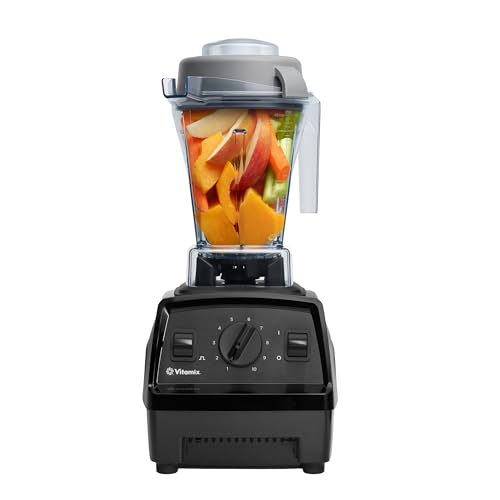


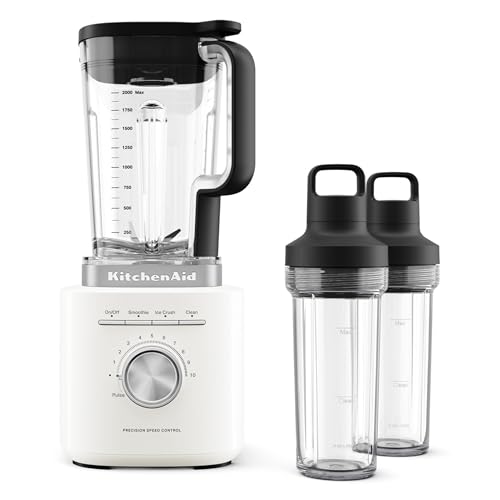

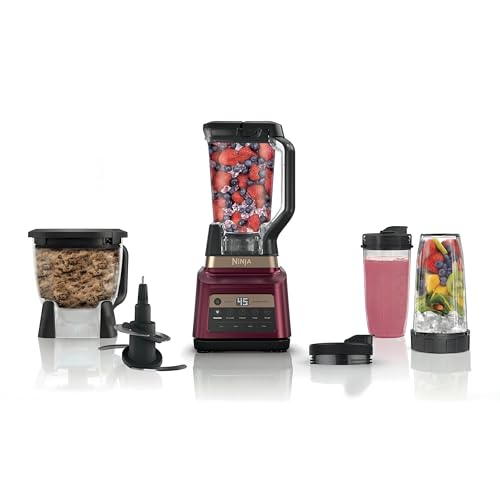


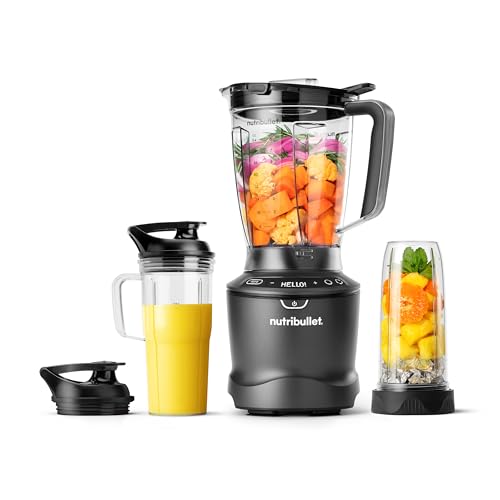
Quick Answer: What This Budget Should Buy You
Under $300, you can expect a full size blender that crushes ice well, blends frozen fruit without constant stopping, and feels solid on the counter. You should also expect a sturdy pitcher, clear controls, and a warranty that lasts several years. What you give up compared with costlier machines is mostly extra programs, very quiet operation, and premium finishes.
Start by matching capacity and footprint to your home. A large pitcher in a tiny kitchen, or a small pitcher for a family of five, will frustrate you far more than a missing preset program.
Before You Buy: A Quick Checklist for Choosing a Blender
Size: Match It to Your Space and Household
Capacity decides how many servings you can make in one batch. Pitchers around 48 oz suit one or two people and store more easily, while pitchers around 64 oz to 72 oz suit families who blend soups, sauces, or drinks for four or more people. Personal blenders with travel cups suit single servings but force you to blend in rounds for a group. If counter height is tight, check the full height with the lid on, since tall pitchers often fail to fit under upper cabinets.
Small kitchens and single serving routines point in a different direction. Our guide to the best small blender covers compact options that store in a cabinet or drawer, which can suit renters and dorm rooms better than a large countertop machine.
Which Type Fits Your Routine
Think about what you blend most weeks, not what you might blend once a year. Daily smoothie makers need strong ice crushing and a pitcher that pours cleanly. Soup makers benefit from a vented lid that lets steam escape safely. Shoppers who blend thick mixtures, such as nut butters or frozen desserts, need a tamper to push food toward the blades. If morning drinks are your main habit, the guide to the best blender for protein shakes focuses on that routine alone.
High speed countertop models cover the widest range of tasks. Personal models trade power and capacity for speed and easy storage. Immersion models, which blend in the pot, suit soups but struggle with ice and frozen fruit, so most households shopping at this budget do better with a countertop design.
Features Worth Paying For, and Ones to Skip
A tamper, a vented lid, and simple variable speed control earn their cost because you will use them weekly. Preset programs can help if you want one touch smoothies, but they add little if you are happy turning a dial. Features you can usually skip include heated blending if you rarely make soup, vacuum blending for drinks you serve at once, and large sets of extra cups you will never rotate through. Spend on the pitcher, motor, and controls first, and treat extra accessories as a bonus, not the reason to buy.
Jar material shapes weight and care. Glass resists stains and odors but adds weight and can break if dropped. Plastic pitchers are lighter and common at this price. If glass matters most to you, see the guide to the best glass blender for options built around that material.
Wattage, Power, and Energy Use
Wattage gives a rough sense of motor strength, but blade design and pitcher shape matter just as much. Models at this budget often list about 1000 watts or more, which is enough for ice and frozen fruit when the pitcher guides food into the blades well. A lower wattage model with a well shaped pitcher can outperform a stronger motor paired with a wide, flat base where food stalls. Energy use stays modest because blending runs in short bursts, usually under two minutes at a time.
Safety Features and Certifications
Look for a lid that locks or sits firmly, a base that stays put during blending, and a pitcher that seats securely before the motor starts. Listings that mention UL or ETL certification tell you the electrical parts met a recognized safety standard. Automatic shutoff on models with heating functions adds protection if you step away. Keep cords away from hot surfaces, and never reach into the pitcher while the blades can still turn.
Counter Space and Dimensions
Measure before you order. Note the width and depth of the base, the height with the pitcher and lid in place, and the clearance under your cabinets. Many kitchens have about 17 to 18 inches between the counter and the cabinet above, and tall full size models can exceed that. If space is tight, plan where the blender will live when not in use, since a machine stored in a hard to reach spot tends to stay unused.
Realistic Budget Ranges
Price tiers buy different things. Under about $50, expect basic personal or small countertop models for soft fruit and protein drinks. Around $100 to $150, pitchers grow, motors strengthen, and ice crushing improves. Around $150 to $300, you gain stronger builds, better controls, tampers, and longer warranties. Above about $300, gains shift toward quieter operation and finer finishes. The top of this range suits households that blend daily.
Types Compared: Three Ways to Spend Under $300
Full Size High Speed Blenders for Busy Families
This type pairs a large pitcher, a strong motor, and variable speed control. It suits families making batch smoothies, soups, and sauces several times a week. The strengths are versatility and fewer batches per meal. The trade off is size, since these models claim the most counter space and tend to be the loudest in the kitchen.
Mid Size Blenders for Everyday Value
Mid size models, often around 48 oz to 56 oz, balance capacity, power, and price. They suit couples and small families who blend smoothies and sauces but rarely cook for a crowd. You give up some batch capacity and sometimes the tamper, yet you keep solid ice crushing and a smaller footprint that fits more kitchens.
Personal and Compact Blenders for Single Servings
Personal blenders blend directly in a travel cup, so you can drink from the same container and wash less. They suit solo routines, office kitchens, and small apartments. Capacity is the limit, since thick mixtures and large batches are out of reach. Many households own this type as a second blender rather than their only one.
Deciding between a blender and another appliance also matters. If you mostly chop, shred, or knead, read blender vs food processor before you spend, since a food processor handles those tasks better while a blender wins with liquids.
How to Compare Options on Equal Ground
Compare models using the same short list each time: capacity, controls, pitcher material, noise, included accessories, warranty length, and replacement part costs. Check verified buyer reviews for repeated complaints about leaks, cracked pitchers, or motors that stall on ice, rather than single angry ratings. Manufacturer spec pages confirm dimensions and wattage. If your budget could stretch, the broader guide to the best blender shows what higher prices add, which helps you judge whether the best blender under 300 is the right call for your home.
What You Get, and Give Up, Under $300
At this ceiling, you get real versatility. A good model handles smoothies, frozen drinks, soups, sauces, and nut butters without a second appliance. Controls are simple, parts are widely available, and warranties often run for several years. Daily use feels easy rather than like a project, which is the main reason this budget suits real homes so well.
You give up a few things. Very quiet blending and refined finishes are less common, and heated or vacuum functions appear only on select models. For most households, those losses matter less than capacity, power, and ease of cleaning, which this budget covers well.
Common Mistakes to Avoid
- Buying the largest pitcher without measuring cabinet clearance, so the blender ends up stored away and unused.
- Choosing by wattage alone and ignoring pitcher shape, which decides whether food reaches the blades or stalls above them.
- Paying for many preset programs and extra cups you will rarely use, while accepting a short warranty.
- Forgetting replacement costs, since a cracked pitcher or new blade assembly can erase the savings from a cheaper model.
- Blending hot liquids in a sealed personal cup, which can build pressure and force the lid off.
Cost of Ownership and Care
Running costs stay low, since blending uses power in short bursts and adds little to a monthly bill. The real costs are replacement pitchers, lids, gaskets, and blade assemblies, plus any extra cups you choose to add later. Before buying, check that spare parts are sold for the model you want and note their rough price. A longer warranty lowers your risk, so register the purchase and keep your receipt where you can find it.
Daily care is simple. Rinse the pitcher right after use, wash the lid and gasket, and dry parts before storing them. The full routine in the guide on how to clean a blender covers deep cleaning for stains and smells that rinsing misses.
Your Questions, Answered
Can you get a good blender for under $300?
Yes. This budget covers strong motors, large pitchers, tampers, and warranties that run for several years, which is enough for daily smoothies, soups, and sauces. What you skip is mostly quiet operation and premium finishes. Spend near the top of the range if you blend thick mixtures often, and spend less if your routine is mainly drinks with soft fruit and ice.
How long does a blender under $300 last?
With normal home use, expect several years of service, and often much longer from models with longer warranties. Life span depends on load, since daily ice crushing and thick nut butters strain a motor more than soft fruit drinks do. Let the motor rest between long batches, avoid overfilling, and replace worn gaskets early, since small leaks left alone can reach the base and shorten the life of the machine.
Is a blender under $300 worth it for a small household?
It can be, if you blend several times a week and want one machine for drinks, soups, and sauces. A two person home that only makes occasional smoothies may be happier spending around $100 to $150 on a mid size model and saving the rest. The value comes from use, so count your weekly blends honestly before deciding how close to the ceiling you need to shop.
What size blender pitcher suits a family of four?
A pitcher around 64 oz usually suits a family of four, giving room for four smoothie servings or a batch of soup without blending in rounds. Leave headroom above the liquid, since blending expands the mixture and hot liquids need even more space. If your family mostly blends single drinks at different times, two smaller batches in a 48 oz pitcher can work just as well.
Are blenders under $300 loud enough to wake a household?
Most full size models are loud during ice crushing, and the noise peaks in short bursts rather than running for minutes. Blending on a folded towel can soften vibration, and closing a kitchen door helps early in the morning. Purpose built quiet models often cost more or trade power for insulation, so plan your timing if your home wakes at different hours.
Final Thoughts
The right choice comes down to fit. Match the pitcher to your household, the footprint to your counter, and the features to the foods you blend each week, and the best blender under 300 for your home becomes an easy call. Use the product table near the top to compare your short list side by side, check the warranty and spare part costs, and then order the type that matches your routine. A blender chosen this way earns its place on the counter every day.


