
Best Blender for Small Kitchen (2026): Compact Types Compared
Disclosure: We may earn a commission when you buy through links on this page, at no extra cost to you. As an Amazon Associate I earn from qualifying purchases. Learn more

Footprint, height and storage advice for choosing the best blender for small kitchen counters, from personal cups to compact jars.
A small kitchen rarely has spare counter room, deep cabinets, or space for an appliance you store in a hard to reach spot. Choosing the best blender for small kitchen space means thinking about footprint, height, and storage first, and power second. This guide matches a blender to your counter, your household size, and your budget, and the product table below lets you compare real options side by side.
A blender that fits your shelves and comes out without a struggle gets used far more than a larger model boxed away in a closet.
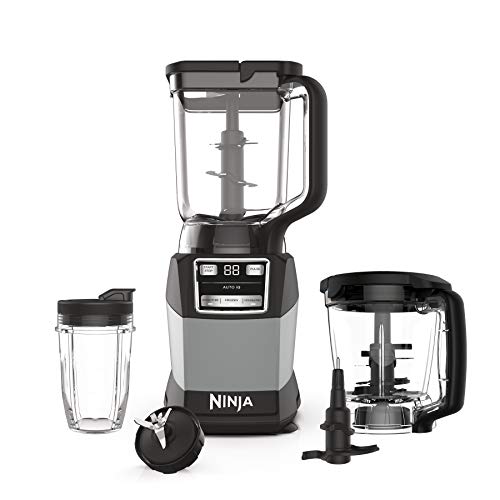


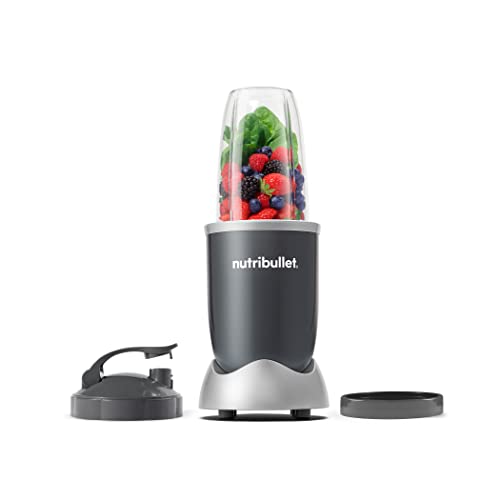

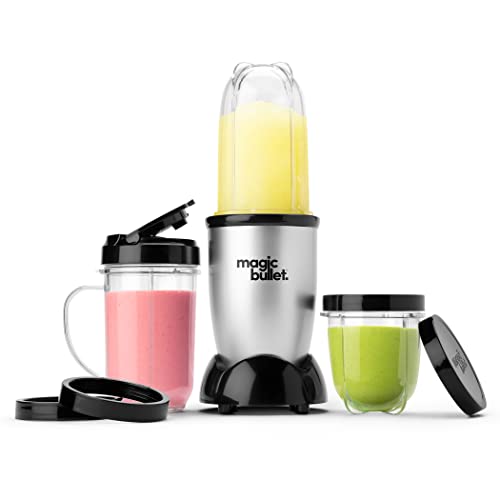


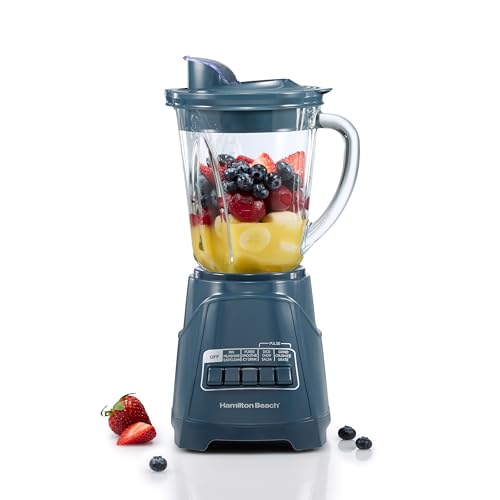
Quick Answer: Three Types That Fit in 30 Seconds
For one or two servings, a personal blender with a slim base and a cup you can take with you takes up the least room. For a household of three or four, a compact countertop model with a jar of about 40 to 48 ounces balances capacity and storage. If you cook soups and sauces often, a slimmer full size model with a taller, narrower jar gives you batch room without a wide base.
All three types handle smoothies well. The differences show up in batch size, storage height, and counter depth. Start with the type that matches your routine, then compare features within that type.
Before You Buy: A Quick Checklist for a Small Kitchen
Size: Match It to Your Space
Jar size should follow household size, not ambition. A personal jar of about 18 to 24 ounces suits single servings and small batches of dressing or sauce. A compact jar of about 32 to 48 ounces covers smoothies for two to four people without wasting shelf room on empty volume. Pick the smallest jar that still covers your usual batch, with a little room for frozen fruit and liquid.
Which Type Fits Your Routine
Personal blenders blend right in the cup, so you wash one container and the blade base, and the unit can stand in a narrow gap beside a toaster. Compact countertop blenders use a separate jar and handle ice and thicker mixtures with more ease. Glass jars resist stains and odors but weigh more to lift into high cabinets, while plastic jars are lighter and less fragile in tight spaces.
Features Worth Paying For and Ones to Skip
A tamper is worth having if you blend thick mixtures, because it pushes food toward the blades without stopping the machine. Extra blending cups help when two people leave at different times and each wants a serving ready. A pulse setting gives you control over chunky salsa and crushed ice. You can usually skip a long list of preset programs, since a few speeds plus pulse cover most tasks. Heating elements and smart screens add cost, size, and cleaning steps.
Wattage, Power and Energy Use
Wattage tells you how much power the motor can draw, but blade design and jar shape decide how well that power turns into smooth results. Compact models with moderate wattage blend soft fruit and protein drinks without trouble. Frozen fruit, ice, and fibrous greens ask for more torque, so look for strong motors paired with sturdy blades if those foods are daily staples. The bigger cost is durability, since a motor that strains on every batch wears out sooner.
Safety Features and Certifications
Look for a lid that locks or sits firmly, a base that stays stable on the counter, and a jar that must be seated before the motor starts on models that offer that interlock. Certifications such as UL or ETL show the appliance met independent safety standards for home electrical use. In a crowded kitchen, a stable base and a secure lid matter more than one extra speed.
Counter Space and Dimensions
Measure before you shop. Note the depth of your counter, the height from the counter to the bottom of your upper cabinets, and the inside height of the cabinet where the blender will be stored. Many kitchens allow about 17 to 18 inches under cabinets, and a tall blender with its jar on the base can exceed that. Check width against the small gaps you actually have.
Realistic Budget Ranges
At about $40 to $80, expect basic personal and compact models that handle smoothies and shakes well and keep controls simple. At about $80 to $150, you get stronger motors, better jars, and more useful speed control. At about $150 to $300, high speed performance, quieter operation, and longer warranties become common. Set your range after you know your size and type, so the budget follows your needs.
Three Blender Types Compared for Small Kitchens
Personal Blenders for One or Two Servings
A personal blender fits a studio apartment or a household where only one person blends. The base is narrow, the cups double as travel containers, and storage can be a single drawer or a short shelf. If your routine is a morning smoothie and the odd sauce, this type covers it with the smallest footprint here. Our guide to the best small blender goes deeper on this category alone.
Compact Countertop Blenders for Daily Family Use
A compact countertop model is the middle path for most small homes. The jar holds enough for a family round of smoothies, the motor handles ice and frozen fruit, and the base still fits on a modest counter. You gain one machine that covers soups, sauces, and drinks for everyone. This is also the type where comparing the broader best blender category helps, because many standard features appear here in smaller form.
Slim Full Power Blenders for Frequent Cooking
If you blend almost daily and cook from scratch often, a slim high speed model can justify its space. A tall, narrow jar keeps the footprint modest while still holding a full batch of soup or a large smoothie round. Strong motors turn nuts, seeds, and fibrous greens smooth. The trade off is price and height, so measure cabinet clearance with care. Used twice a week, it earns its spot. Used twice a month, it does not.
What to Judge in a Small Kitchen Blender
What matters most is what decides daily satisfaction in a small home: capacity, footprint, storage height, ease of use, cleaning effort, noise, safety, and warranty support. Maker dimensions give the fit, and verified buyer reviews point to issues that repeat in real kitchens, such as lids that leak.
Living With It: What Really Matters Day to Day
The best blender for small kitchen life is the one that stays easy to reach, quick to wash, and simple to store after a busy weekday dinner. Noise is a good example. A loud machine used at dawn can wake a partner or a child in a small home where rooms sit close together, so a quieter model may matter more than raw speed. Cleaning matters just as much, because a jar with hard to reach corners slows you down every time.
A blender that stores with its jar inverted on the base takes less vertical space. If you meal prep on Sundays, a midsize jar lets you blend soup bases in fewer rounds. Readers deciding between appliances for purees and chopping can also see our comparison of blender vs food processor to judge which tool deserves the limited space.
Common Buying Mistakes to Avoid
- Buying a 64 or 72 ounce jar for a two person home, so the blender fills a whole cabinet and rarely comes out.
- Skipping the height measurement, then finding the assembled blender does not fit under the upper cabinets.
- Paying for many preset programs you will never use, while giving up jar quality or warranty length.
- Ignoring replacement costs, such as extra cups, lids, and blade assemblies, when comparing two similar prices.
- Choosing glass for looks alone, without checking whether its weight makes lifting it into a high cabinet awkward.
- Forgetting noise, which matters far more in a small apartment than in a large detached house.
Cost of Ownership and Care
Running a blender costs very little in electricity, since each use lasts a minute or two, so ownership costs come mainly from parts and care. Rinse the jar right after use so residue does not dry on, and wash the gasket area often, because trapped moisture there can cause odors. Our guide on how to clean a blender covers the full routine.
Store the jar with the lid slightly ajar so air can circulate. Check the cord now and then, and stop using the machine if it frays. With basic care, a decent blender serves for years. If protein drinks are your main use, our guide to the best blender for protein shakes compares models by that single job.
FAQ
What size blender jar suits a household of two?
For two people, a jar of about 32 to 40 ounces usually covers a pair of smoothies in one round without leaving much wasted space. If you both drink large servings with lots of ice and frozen fruit, step up to about 48 ounces. The smaller size also keeps the jar easier to wash in a small sink and easier to store on a short shelf.
Can a personal blender crush ice well?
Many personal blenders can crush a few cubes when liquid is added first, but repeated heavy ice use strains small motors and dulls compact blades faster. Add liquid before the ice, use smaller cubes, and pulse in short bursts rather than running one long cycle. If crushed ice drinks are a daily habit, a compact countertop model with a stronger motor will hold up better.
Is a glass jar better than a plastic jar in a small kitchen?
Glass resists scratches and odors and feels sturdy, but it adds weight and can chip if it knocks against a stone counter edge in a tight workspace. Plastic jars are lighter for high cabinets and less likely to break when dropped, though they can hold odors from strong foods like garlic sauces. Shoppers who want to compare jar materials across full size models can read our guide to the best glass blender before deciding.
How long does a home blender usually last?
A well cared for home blender often lasts about five to ten years, with lighter personal models toward the lower end and sturdy high speed models toward the higher end. A burning smell, a jar that leaks at the base, or blades that no longer spin freely are signs that repair or replacement is near.
Where should you store a blender in a small kitchen?
Store it where you can lift it out with one clear motion, ideally on the lowest cabinet shelf or on the counter section you use least for food prep. If depth is short, turn the base sideways, because many compact bases are narrower across the front than they are deep.
Final Thoughts
A small kitchen rewards honest measuring and modest capacity far more than a long feature list. Pick the type that matches your household, confirm it fits under your cabinets and inside your storage shelf, and spend the rest of your budget on motor strength and warranty rather than extra programs. Chosen that way, the best blender for small kitchen life becomes the appliance you reach for daily without thinking about where to put it afterward. Look back at the product table near the top to compare the models again with your own measurements in hand.


