
Best Blender for One Person (2026): Cups, Jars and Size
Disclosure: We may earn a commission when you buy through links on this page, at no extra cost to you. As an Amazon Associate I earn from qualifying purchases. Learn more
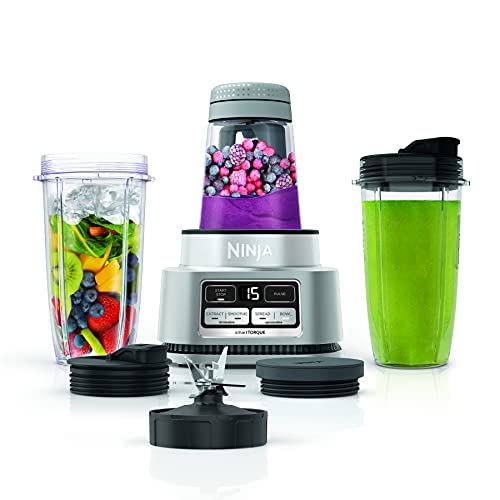
Capacity, cleaning and storage advice for choosing the best blender for one person, from personal cups to small countertop jars.
Living alone changes what you need from a blender. A huge jar that suits a family breakfast can leave your single smoothie sitting below the blades, and it takes up cabinet room you may not have to spare. Finding the best blender for one person means matching capacity, footprint and cleaning effort to one serving at a time, and the product table below lets you compare real options by those everyday needs.
This guide focuses on real homes rather than raw power alone. You will see how size, type, wattage and budget fit a studio kitchen, a shared house or a small apartment, so you can choose a blender that earns its place on your counter every day.
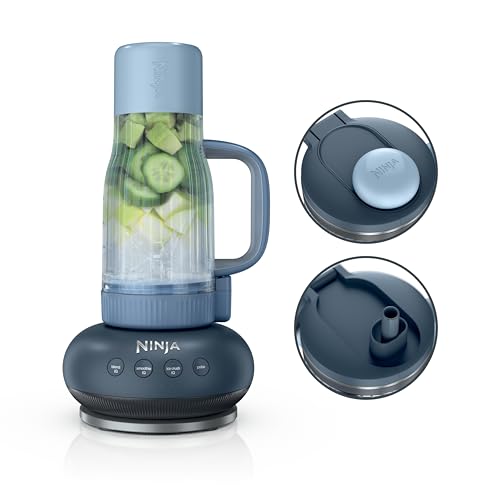
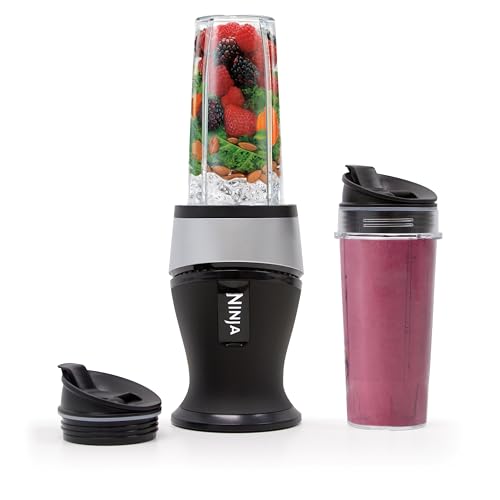
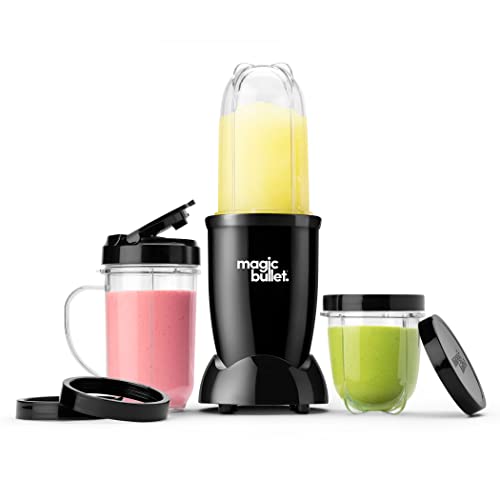
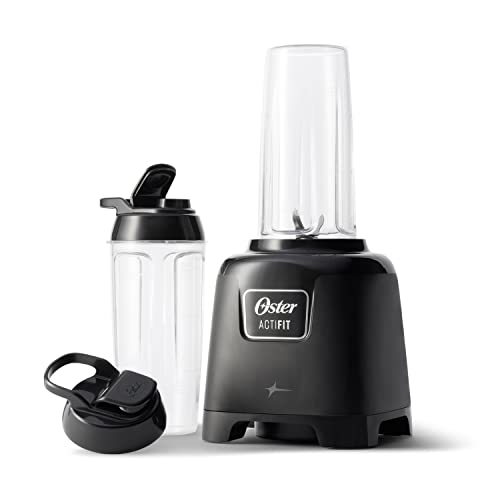


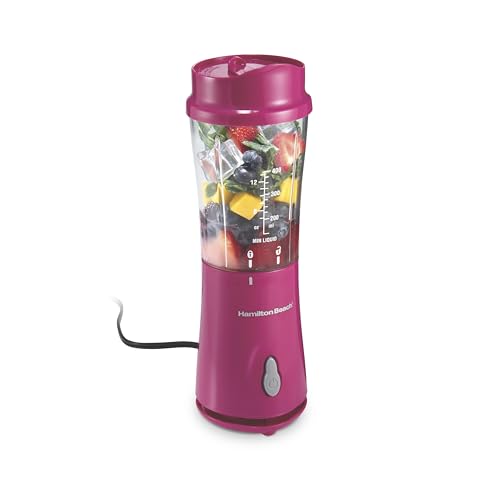
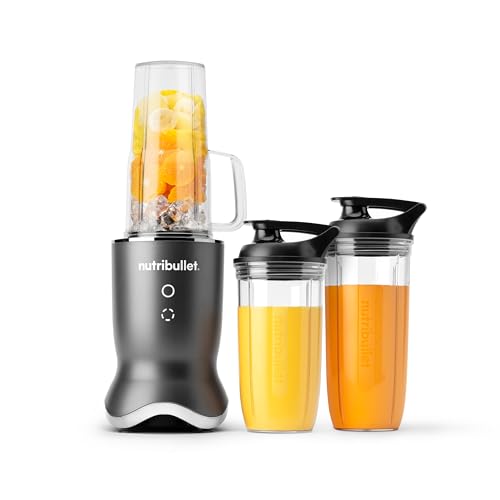
Quick Answer: Three Setups That Fit Single Households
The best blender for one person usually falls into one of three setups. A personal blender with a travel cup suits daily smoothies and shakes. A small countertop model with a jar around 32 to 48 ounces handles soups, sauces and the odd guest serving. A larger jar makes sense only if you batch cook on weekends and freeze portions for the week.
- Personal cup style: smallest footprint, blends one serving, and the cup doubles as your drinking vessel.
- Small countertop style: a modest jar, more control over texture, and enough room for two servings when needed.
- Larger jar style: best for batch cooking, but slower to clean and harder to store in a small kitchen.
Before You Buy: A Quick Checklist for Choosing a Blender for One Person
Work through the points below before you compare prices. A blender that fits your space, your routine and your sink will get used far more often than the most powerful model in the store.
Size: Match It to Your Space
Capacity is the first filter for a single household. Most single servings run about 12 to 20 ounces, so a cup or jar in the 16 to 24 ounce range blends them without leaving liquid stranded below the blades. Jars of 64 or 72 ounces are built for family batches and often struggle with small amounts. If counter and cabinet room are tight, our guide to the best small blender options shows how compact footprints compare across styles.
Which Type Fits Your Routine
Personal blenders blend straight into a travel cup, which suits a fast morning routine and cuts washing up. Countertop models give you a proper jar, variable speeds and better results with hot soup or chunky sauces. High speed and professional style machines cost more and shine with nut butters and tough greens. Quiet, cordless, vacuum and smart models solve narrow problems, so buy those traits only when your routine truly calls for them.
Features Worth It and Ones to Skip
A travel cup that seals well is worth paying for, because it turns one appliance into your breakfast container. A tamper helps thick mixtures move toward the blades without extra liquid. If you prefer glass over plastic, our guide to the best glass blender models explains the weight and care trade offs to expect. Skip a food processor attachment or a heating element unless you already know a weekly recipe that needs it, since unused parts still need storage and cleaning.
Wattage, Power and Energy Use
Wattage alone does not tell you how smooth a drink will turn out, but it sets expectations. Lower power personal models handle soft fruit, protein powder and leafy greens in liquid without trouble. Frozen fruit and ice ask for more strength and a jar shape that pulls food downward. Energy use per serving stays small either way, because a blend cycle lasts a minute or less, so power should guide texture expectations rather than worries about your electricity bill.
Safety Features and Certifications
Look for a lid that locks before the motor starts and a base that stays planted when the jar vibrates. Listings from UL or ETL show the appliance was checked against common electrical safety standards in the United States. A thermal shutoff protects the motor during long cycles with thick mixtures. Keep the cord short and away from a hot stove, and never reach into a plugged in jar to free stuck food.
Counter Space and Dimensions
Measure before you order. Note the height with the jar or cup in place, because many cabinets sit lower than you expect and a tall blender may need to live on the counter instead. Check the depth too, since a deep base can crowd a narrow worktop in a studio kitchen. If the blender must go back into a cupboard after each use, pick a weight you can lift comfortably with one hand.
Realistic Budget Ranges
Simple personal blenders often cost under $50 and cover smoothies and shakes well. Models under $100 usually add a sturdier base, better seals and a small jar alongside the travel cup. Around $100 to $200 buys stronger motors, quieter running and longer warranties. Spending about $200 or more makes sense mainly for daily heavy use, such as thick nut butters, where build quality protects your money over years of service.
Three Blender Types Compared for Single Households
Instead of chasing one winner for everyone, match the type to how you actually eat and drink during a normal week. The three groups below cover nearly every single household routine.
Personal Cup Blenders for Daily Single Servings
This is the natural fit if your blender works once a day on a smoothie, a shake or iced coffee. You blend in the same cup you carry out the door, so there is no jar to wash and no leftover drink going flat in the fridge. If most of your blending follows a workout, our guide to the best blender for protein shakes looks at cup sizes and powder mixing in more detail. The limits are real though, since hot liquids and large batches belong in a jar instead.
Small Countertop Blenders for More Than Drinks
A compact jar model suits you if dinner matters as much as breakfast. It purees a single pot of soup, whips a small batch of sauce and still handles a morning smoothie without wasting ingredients. Pulse control helps with salsa and breadcrumbs, where a personal cup would turn everything to liquid. Storage is the main cost, because the jar, lid and base each need a home, yet the added range often replaces a second appliance in a small kitchen.
Larger Jar Blenders for Weekly Batch Cooking
Choose a larger jar only if your week runs on batch cooking. Blending soup or sauce for four frozen portions at once saves real time, and the wide jar cleans easily after big loads. The trade off shows up on ordinary days, when a single serving may need added liquid just to reach the blades. If you keep wondering whether a different appliance would serve you better, the comparison of blender vs food processor explains where each one earns its counter space.
How to Compare Options Without Guesswork
Start with the serving you make most often and judge every model against that one job. Check capacity, jar or cup shape, speed settings, noise, cleaning steps, safety listings and warranty length in that order. Manufacturer specifications and verified buyer reviews tell you more than headline wattage. For a broader view across all household sizes, see our guide to the best blender styles and how their capacities scale up.
Living With It: What Really Matters in a Blender for One Person
Daily friction decides whether a blender stays in your routine. A cup you can rinse in seconds gets used on busy mornings, while a jar with a fiddly lid slowly migrates to the back of a cupboard. Noise matters more in a studio or a shared house, where an early blend can wake the whole home. Think about where the blender sleeps at night, how the cord reaches your outlet, and whether the parts fit your drying rack. A modest model that fits your space and habits will serve you better than a powerful one that annoys you every time you reach for it.
Common Buying Mistakes to Avoid
- Buying family capacity for single servings: a large jar often blends small amounts poorly, so you add liquid and dilute the flavor you wanted.
- Ignoring cabinet height: a blender that cannot stand under your cabinets ends up stored away, and stored appliances rarely get used.
- Paying for attachments you will not touch: extra bowls and blades still need washing, storage and eventual replacement parts.
- Skipping the replacement cost check: seals, cups and blades wear out, and a cheap model with costly parts can pass a pricier one in total cost.
- Choosing on wattage alone: jar shape and blade design shape texture as much as motor strength, so a strong motor in a wide jar can still leave chunks.
Cost of Ownership and Care
Running costs stay low for one person, since each blend uses little electricity and most servings need no added ingredients beyond your recipe. Budget instead for wear parts. Cup seals flatten over time, blades dull with daily ice, and travel cup lids crack if they are dropped on tile. Wash parts soon after use, before smoothie residue dries in the threads, and run the jar with warm water and a drop of dish soap for a quick clean. For the full routine, our guide on how to clean a blender covers seals, blades and stubborn smells. Store the cup or jar with the lid loose so trapped moisture does not leave a stale odor.
FAQ
How much capacity does a blender for one person actually need?
Most people do well with 16 to 24 ounces of usable capacity. That range covers a generous smoothie plus ice without crowding the blades. If you also blend soup for two, a second small jar around 40 ounces adds range without forcing every serving into an oversized container. Measure your usual mug or travel cup first, since matching the blender cup to the vessel you already drink from removes guesswork.
Is a personal blender strong enough for frozen fruit and ice?
Yes, within limits. Add liquid first, keep frozen pieces small and let the motor work in short bursts so the mixture keeps moving. A cup packed solid with frozen fruit and no liquid will strain any compact motor. If frozen desserts are a daily habit rather than an occasional treat, step up to a countertop model with a jar shape that pulls food down toward the blades.
Is a blender worth buying if you live alone?
It is worth it if it replaces spending you already do. A daily homemade smoothie can cost far less than a cafe drink, and a blender also turns leftover vegetables into soup instead of waste. The value fades if you blend once a month, because even a small appliance needs storage and cleaning. Count your likely blends per week before you spend, and let that honest number set your budget.
How long does a blender for one person usually last?
Longevity depends more on load than on age. A lightly used personal blender can serve for years of soft fruit smoothies, while daily ice crushing shortens blade and seal life. Resting the motor between long cycles and replacing a worn seal early both extend service. When drinks start tasting of burnt dust or the cup leaks despite a new seal, replacement usually beats further repair.
What should I look for first in a blender for one person?
Start with the seal and the lid, not the speed dial. A cup that leaks in your bag or a lid that needs two hands will frustrate you long after the novelty of extra settings fades. Check the empty weight too, because you will lift a full cup at arm length every morning. A comfortable grip and a drinking spout that closes firmly matter more at single serving scale than raw power.
Final Thoughts
Match capacity to one real serving, keep the footprint honest for your kitchen, and let cleaning effort guide your final call. The product table near the top pulls those trade offs together so you can compare models side by side. For most single households, the best blender for one person is simply the one that fits your counter, your cup and your weekday routine.


