
Best Black Range Hoods (2026): Styles, Sizing and Venting
Disclosure: We may earn a commission when you buy through links on this page, at no extra cost to you. As an Amazon Associate I earn from qualifying purchases. Learn more

Size, mounting and venting advice for choosing the best black range hood, plus how black compares with stainless and how to keep it clean.
Your kitchen may look finished on paper, yet steam still fogs the cabinets every time pasta boils and a film of grease settles on nearby doors. A black hood can solve that ventilation gap while giving the room a clear focal point above the cooktop. Choosing the best black range hood for your home depends on your layout, how many people you cook for, and how much upkeep you will accept each week.
This guide walks through size, mounting style, venting, and cost in plain terms, Use the product table below to compare real options for your space, then work through the checklist before you order. If you want the broader picture first, see our guide to the best range hood for general sizing and venting basics.


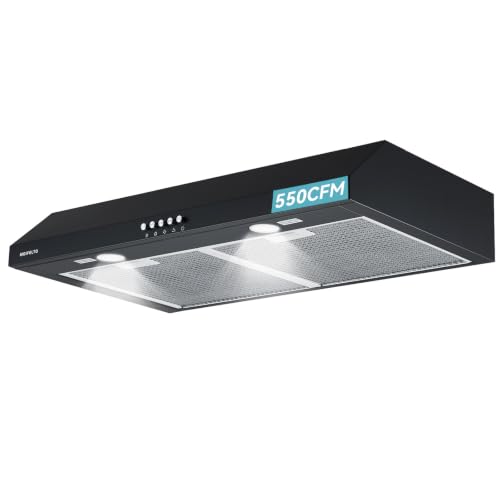

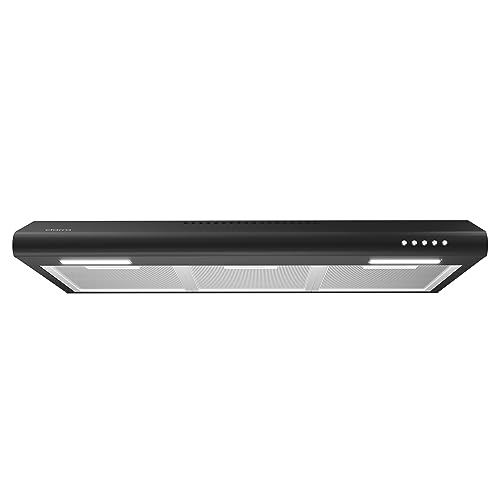


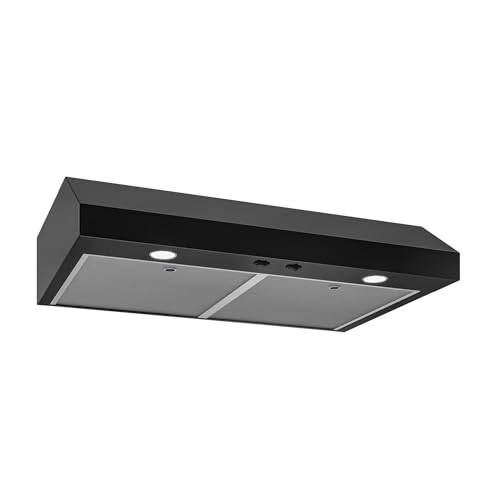

Quick Answer: Three Hood Styles That Suit Most Homes
For most households, the choice comes down to three styles. An under cabinet hood suits compact kitchens and renters who need a simple swap. A wall mount chimney hood suits open layouts where the hood is on display. A built in insert suits custom cabinetry where the black finish shows only as a subtle band.
Before You Buy: A Quick Checklist for Choosing a Range Hood
Size: Match It to Your Space
Start with the width of your cooktop, then choose a hood that is at least as wide. A 30 inch cooktop pairs naturally with a 30 inch hood, while a 36 inch range often benefits from a 36 inch or 42 inch hood that catches steam drifting sideways. Compact apartments may use a 24 inch model, and large ranges may need 48 inches of coverage. Capture area matters as much as width, so a deeper canopy can help when you often cook on the front burners.
Which Type Fits Your Routine
Mounting style shapes both looks and daily use. Families who cook under existing cabinets often start with the best under cabinet range hood options because they use space that is already there. A wall mount chimney style needs open wall above the range and becomes part of the room design. An island hood hangs from the ceiling and needs stronger support and a longer duct path. An insert fits inside a custom surround, which suits a remodel more than a quick replacement.
Features Worth It and Ones to Skip
LED lights are worth paying for because they light the cooktop clearly and use little energy. Baffle filters suit frequent frying because they handle grease well and usually go in the dishwasher. A heat sensor that raises fan speed on its own can help during busy family dinners. A remote sounds appealing, yet most cooks stand right at the range, so it adds cost for little gain. Charcoal filters matter only for ductless setups, where they reduce odors before air returns to the room.
Measurements and Compatibility With Your Setup
Measure from the cooktop surface to the spot where the bottom of the hood will sit, then check the maker guidance for your range type. Gas cooking usually needs more clearance than electric cooking. Confirm the duct size in your home, often 6 inches or 7 inches round, or a rectangular size in older houses. Note cabinet depth, ceiling height, and the location of joists and wiring. A hood that fits the wall but fights the existing duct will cost more to install than expected.
Certifications and Safety Listings
Look for a recognized electrical safety listing such as UL or ETL on the product page and the carton. Ventilation ratings from industry groups can help you compare airflow claims on equal terms. Some hoods also carry energy related certification for efficient lighting or fan performance. These marks do not guarantee strong capture, but they do show the unit met an outside standard. If a listing is missing or unclear, treat that as a reason to choose a different hood.
DIY vs Pro Installation Cost
A like for like swap under a cabinet is the simplest job and some handy owners handle it with a helper. New ductwork, electrical changes, or a chimney that must reach a tall ceiling usually call for a pro. Before you decide, read up on range hood installation cost so labor does not surprise you. Our step overview at how to install a range hood shows where the tricky parts tend to appear.
Realistic Budget Ranges
Under about $100, expect basic under cabinet models with modest airflow and simple controls. Between about $100 and $300, you gain stronger fans, better lighting, and a sturdier black finish. From about $300 to $500, wall mount and insert styles become more common, with quieter operation at lower speeds. Above about $500, you are paying for larger capture areas, stronger construction, and refined details. Set aside part of the budget for duct parts, filters, and possible labor.
Types Compared: Three Styles Worth Your Money
Under Cabinet Black Hoods for Everyday Family Kitchens
This style is the practical default for many homes because it mounts where an older hood or microwave already sat. It keeps the kitchen footprint unchanged and puts controls within easy reach. Airflow tends to be modest, so it suits daily cooking like soups, eggs, and sauteed vegetables more than constant high heat searing. If your household cooks several nights a week in a standard layout, this is often the lowest stress route to a black finish that looks intentional.
Wall Mount Chimney Black Hoods for Open Layouts
A chimney hood makes the black finish a design feature, drawing the eye upward and pairing well with dark cabinets or black appliances. The larger canopy usually captures steam better than a shallow under cabinet unit. It needs wall space, a ceiling height that matches the chimney length, and a clear duct route. Choose this style when the range sits on an outside wall and you want the hood to anchor the room rather than blend into cabinetry above it.
Insert and Island Black Hoods for Custom or Open Plans
An insert hides most of the housing inside a wood or metal surround, leaving a clean black panel and lights visible above the range. An island hood does the opposite, standing fully visible from all sides over a cooking island. Both styles cost more to fit because the surrounding structure or ceiling support becomes part of the project. They suit remodels and open plans where a standard cabinet mounted unit would look out of place or would not cover the cooking area well.
How to Compare Black Range Hoods
A fair comparison rests on installation fit, build quality and finish, control layout, filter type, stated airflow, noise at working speeds, warranty length, and maker documentation. Weigh verified buyer reports alongside published specifications. A hood scores well when its strengths match the home it is meant for, not when it lists the highest airflow number in its class.
Black Compared With Other Range Hood Finishes
Black finishes hide scorch marks and light discoloration near the cooktop better than white finishes do, and they pair naturally with black ranges and cabinet hardware. Against stainless steel, black tends to show fewer smears along flat panels, though dust can stand out under bright light. A matte black surface softens glare from under cabinet lighting, which many cooks find easier on the eyes during evening cooking.
The trade offs are real. Black hoods come in fewer sizes and styles than stainless steel, so your duct or cabinet limits may narrow the field quickly. Matching shades of black across brands is tricky, because one maker may lean warm and another cool. Scratches can reveal lighter metal beneath a coated finish. If exact color matching is your priority, view the finish in person when you can.
Common Buying Mistakes to Avoid
- Buying a hood narrower than the cooktop, so steam from the front burners escapes past the canopy edges.
- Ignoring the venting question until delivery day, then finding the home has no duct where the new hood needs one.
- Chasing the highest airflow number for a small kitchen, which can mean more noise than your family will tolerate.
- Forgetting to budget for filters, duct parts, and labor, so the total cost lands well above the hood price alone.
- Choosing a finish shade from a screen photo only, since black tones shift under warm and cool kitchen lighting.
Cost of Ownership and Care
Running costs stay modest for most homes. Fan motors and LED lights use relatively little power during normal cooking sessions. Your main ongoing costs are replacement charcoal filters for ductless use, usually a few times a year, and the occasional light module or switch repair over the life of the unit. Ducted models avoid the filter replacement cycle, which is one reason the ducted vs ductless range hood decision affects long term cost, not just installation day.
Grease filters need regular washing to keep airflow close to the rating on the box. Metal mesh and baffle filters usually handle warm soapy water or a dishwasher cycle well. Wipe the fan housing area when the filters are out, and check that the damper moves freely so air is not blocked. If you are weighing a ductless model for an apartment, our guide to the best ductless range hood explains the upkeep that style involves.
Your Questions, Answered
How do you clean the outside of a black range hood without streaks?
Wipe the surface with a soft cloth dampened with warm water and a small amount of mild dish soap, then dry it right away with a second clean cloth. Buffing while the finish is still damp is what leaves visible streaks on black panels. Avoid abrasive pads and strong degreasers on the outside, because they can dull the coating. Clean little and often, since fresh splashes lift off far more easily than grease left for weeks.
Can a black range hood work well over an induction cooktop?
Yes, because induction cooking still produces steam, splashes, and lingering food odors that need capture. You may be able to use a lower fan speed than a gas range would demand, since less waste heat rises around the pans. Follow the clearance guidance from both the cooktop maker and the hood maker, because those figures can differ. A wider canopy still helps when you simmer large pots that release steam beyond the element edges.
How long does a black range hood usually last?
Many hoods serve for about 10 to 15 years when the fan runs regularly and the filters stay clean. The finish itself rarely sets the limit, since motors, switches, and light modules wear first. Cooking style matters too, because daily heavy frying coats internal parts faster than light weekly use. When replacement parts become hard to find for an older unit, that is often the practical signal that a new hood makes more sense than another repair.
Is a range hood worth it in a small rental kitchen?
For many renters, yes, because venting reduces the grease film that settles on walls and can affect a deposit at move out time. A ductless under cabinet model is usually the realistic route, since it needs no new hole through the wall. Get written permission from your landlord before swapping any fixed appliance. Keep the original unit stored safely if the lease requires you to restore the kitchen when you leave the property.
Are black range hoods harder to keep looking clean than stainless steel ones?
They show different things rather than simply more dirt. Pale dust and flour stand out on black surfaces, especially under bright task lighting. Stainless steel tends to display fingerprints and water spots more clearly around handles and controls. Most owners find a quick weekly wipe keeps either finish presentable. If your kitchen gets strong direct sunlight, look at the hood at that time of day before judging how visible dust will be in daily life.
Final Thoughts
Start with your layout, venting route, and cooktop width, then let the black finish reward getting those basics right. Under cabinet styles suit most family kitchens, chimney styles reward open walls, and inserts reward a planned remodel. Whichever route you take, the best black range hood is the one sized and vented for your home, so revisit the product table near the top and match each type against your measurements before you buy.


