Best All in One Washing Machine in 2026: Buying Guide for Washer Dryer Combos
Disclosure: We may earn a commission when you buy through links on this page, at no extra cost to you. As an Amazon Associate I earn from qualifying purchases. Learn more

The best all in one washing machine washes and dries in one drum. Compare compact, full size and heat pump combos.
An all in one washing machine washes and dries clothes in a single drum, so you never move a wet load from one appliance to another. That sounds simple, yet models differ a lot in capacity, drying speed, and the space and hookups they need. Choosing the best all in one washing machine comes down to how much laundry you do, whether you have a dryer vent, and how long you can let one full cycle run.
This guide compares the main types by capacity, drying method, ease of use, and price. Use the product table to line up the key specs, then read on for the sizing, venting, and cost details that decide whether a combo unit fits your home.
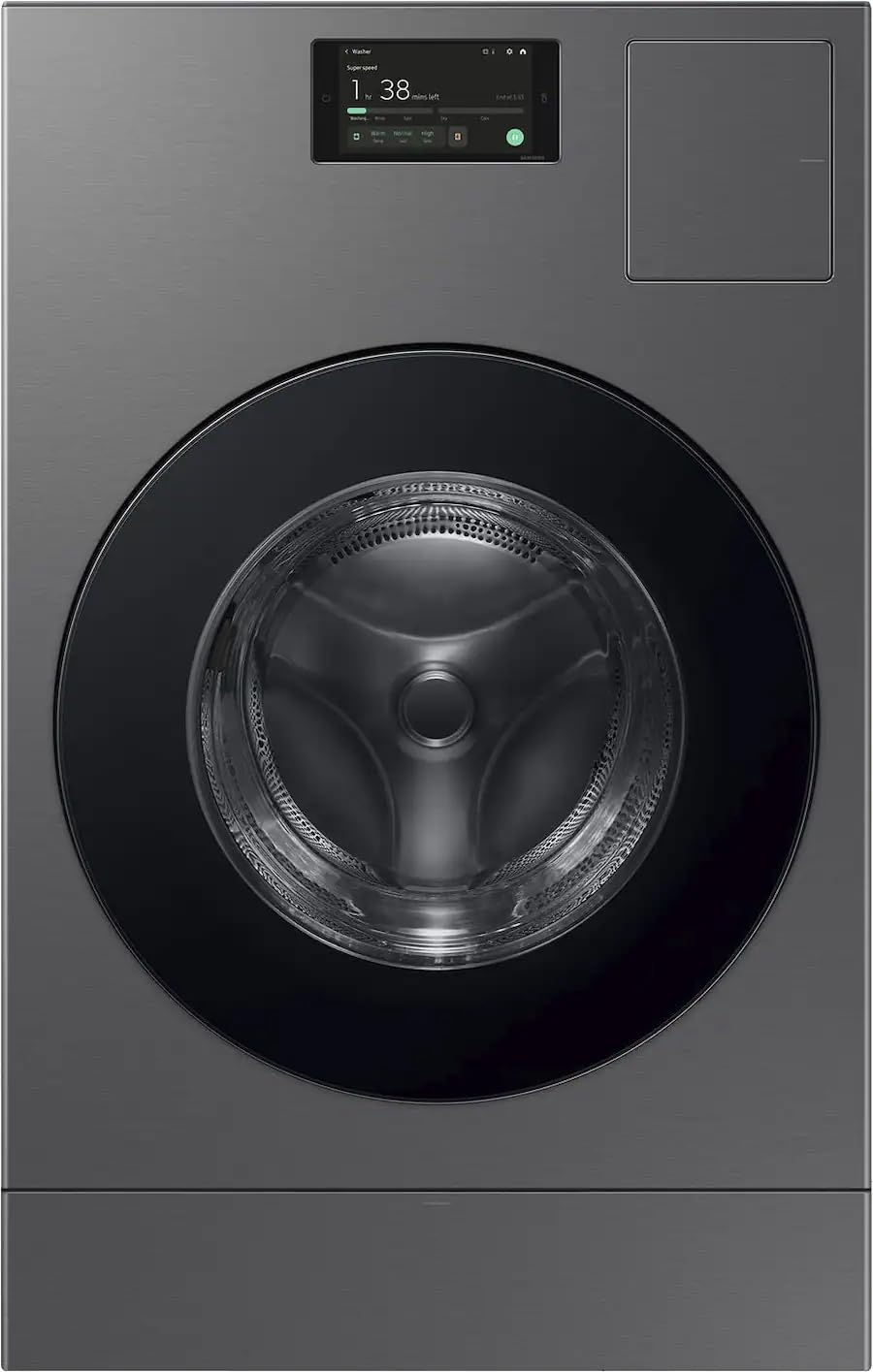


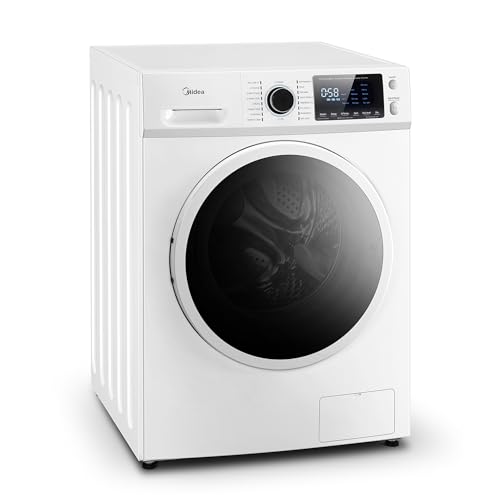
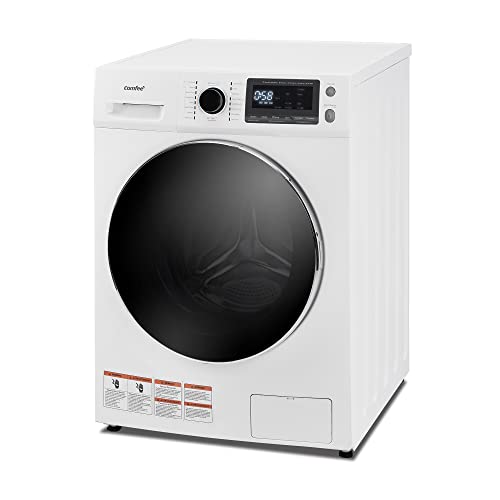

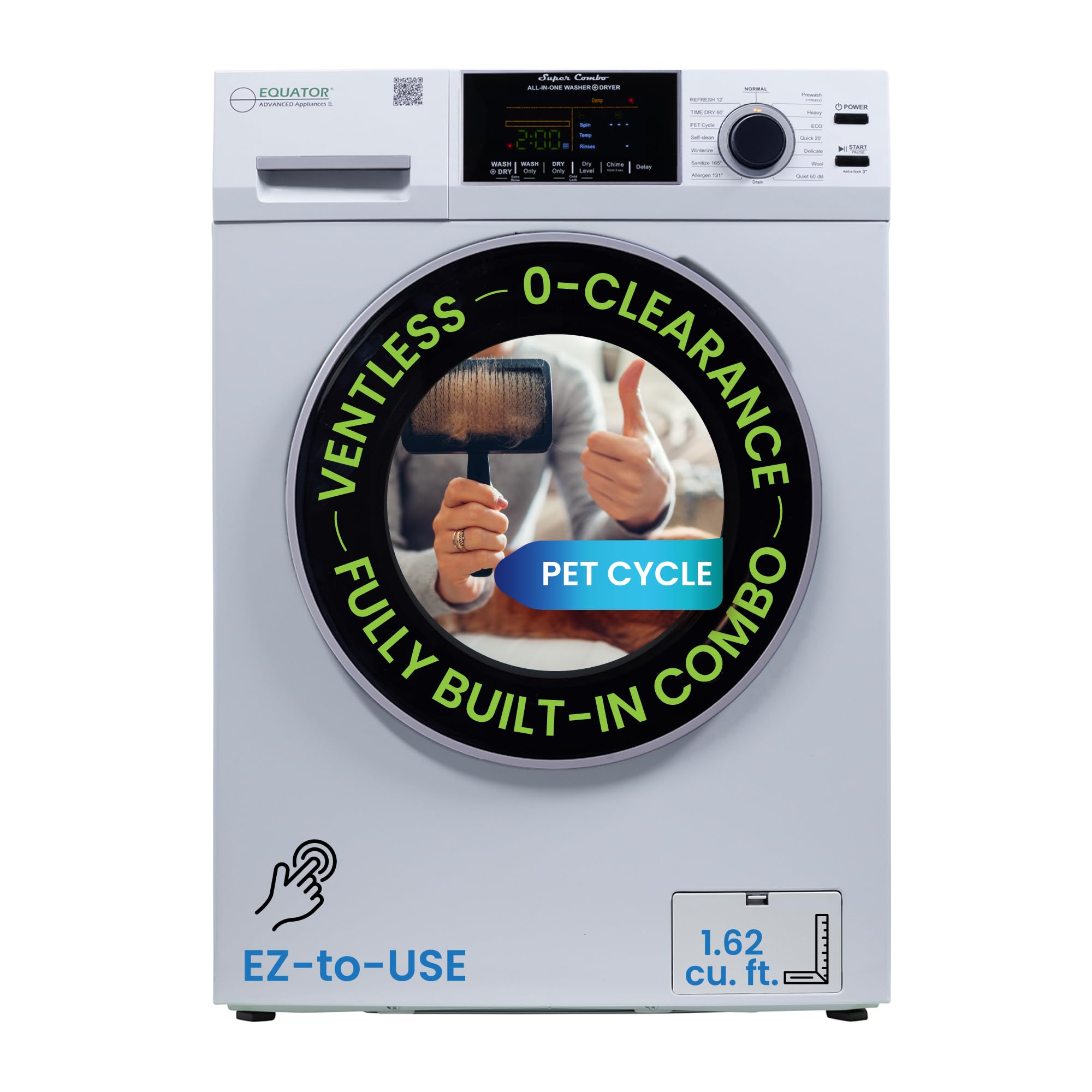

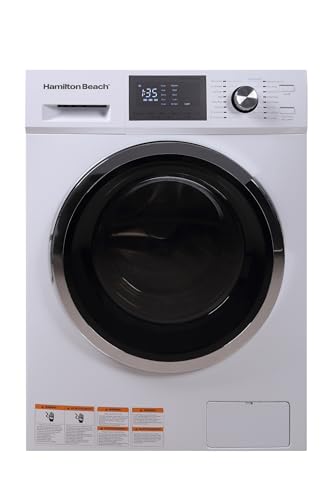
All in One Types at a Glance
It helps to start with the three broad types you will see for sale, because the right type narrows your search far more than any single feature does. Choosing the best all in one washing machine usually means picking one of these formats first.
- Compact ventless models. About 24 inches wide with roughly 2.4 cubic feet of wash capacity. They suit apartments, closets, and RVs, run on a standard outlet, and need no exhaust vent, but they handle small loads only.
- Full size ventless models. About 27 inches wide with around 4.5 to 5 cubic feet of wash capacity. They fit standard laundry spaces and family loads, though drying still takes longer than a separate dryer.
- Large heat pump models. Full size units that dry with a heat pump instead of a resistance heater. They use less energy and are gentler on fabrics, and they usually sit at the top of the price range.
How to Compare All in One Washing Machines
Judge every model on the same short list: wash capacity, drying capacity, total cycle time, drying method, ease of use, cleaning access, noise, safety features, and warranty length. Manufacturer spec sheets and verified buyer feedback are the best sources for these numbers. If you are still deciding whether a combo belongs in your home at all, our overview of the best washing machine options puts this format in context next to conventional washers.
Two numbers matter more than the rest. Drying capacity is almost always smaller than wash capacity, and total cycle time for a full wash and dry load often runs three hours or more. A model that looks generous on the wash side can still disappoint if you expect it to dry that same full load well.
Who Should Buy an All in One Washing Machine?
Apartment and Condo Households Without a Dryer Vent
If your building has no vent run and no gas line, a ventless combo may be the only way to do laundry at home. Most models need only a water supply, a drain, and a standard electrical outlet, so they can sit in a closet, a bathroom corner, or a kitchen alcove. Measure the space and the door swing before you order, and expect smaller loads than a full size separate pair would take.
Small Households That Wash Often
Couples and single person households tend to get the most from this format. Your loads are small enough to dry completely in the same drum, and you can start a load before work or bed and return to clean, dry clothes. Frequent small loads also suit the machine, since overloading is the main cause of damp results and long dry times in combo units.
Owners Adding Laundry to a Tight or Unusual Space
A second laundry point in a guest suite, a basement bath, or an accessory dwelling can be practical with one compact appliance where two would never fit. The same logic applies to RV owners who have water and power hookups but no room for a separate dryer. In both cases the win is location and convenience, not speed, so plan laundry around the longer cycles.
How to Choose the Right Washing Machine
Size and Form Factor
Compact models are about 24 inches wide and fit closets, small laundry rooms, and under counter spots in kitchens. Full size models are about 27 inches wide and match the footprint of a standard front load washer. Capacity follows size: compact drums hold roughly 2.4 cubic feet, while large models reach about 5 cubic feet on the wash side. Pick the largest drum your space and doorways allow, because drying needs extra room for air to move through the load.
Drying Method and Load Type
Most combos dry with condensation, pulling moisture from heated air and sending the water down the drain, which is why no vent is needed. Heat pump models recycle warm air instead and use less energy, at a higher purchase price. If speed matters more than space, compare this format with a separate best washing machine with dryer pairing, where the dryer has its own full size drum and finishes a load much faster.
Features Worth Paying For
Steam can help loosen wrinkles and refresh lightly worn clothes. An auto dispenser that holds detergent for many loads suits a set and forget routine, as long as you clean the dispenser path on schedule. WiFi alerts tell you when a long cycle ends, which matters when a cycle runs for hours. Nearly all combos use an impeller style wash plate rather than a central post, and our agitator vs impeller guide explains how that gentler wash action affects cleaning and fabric wear.
Wattage, Power and Energy Use
Many compact combos run on a standard 120 volt outlet, which is a big reason they work in older apartments. Full size models vary, so confirm the outlet type and circuit the spec sheet calls for before delivery day. Drying is the energy hungry half of the cycle, and heat pump models cut that use the most. An Energy Star certified model with a high efficiency rating will cost less to run over years of daily loads.
Safety Features and Certifications
Look for a child lock on the door and controls, leak detection or an auto shutoff for the water supply, and a listing from UL or ETL, which means the appliance was evaluated by an independent safety organization. A door that stays locked while the drum is hot during drying protects curious kids and pets. Keep the area around the machine clear, and never bypass a door lock, since the dry phase reaches temperatures that can burn skin.
Space and Dimensions
Measure width, depth with the door open, and the full path from the entry door to the install spot, including turns on stairs. Leave a little room behind the unit for hoses and at the sides for vibration. Most combos are front load designs, so you also need clear floor space in front for loading. If you prefer a conventional front load washer on its own, the guide to the best front load washing machine covers that route in detail.
How Much Should You Spend?
Compact models often cost about $900 to $1,300. Full size ventless models usually run about $1,300 to $2,000, and large heat pump models can reach about $2,000 to $2,500 or more. Under about $1,000 you give up capacity and most convenience features. The higher tiers mainly buy a bigger drum, faster and more efficient drying, and longer parts coverage, not better basic washing, so spend first on the size your household needs.
All in One vs Other Washing Machines: Pros and Cons
The core trade is space and convenience against time and drying capacity. One appliance takes half the floor space of a pair, needs no vent, and lets a load finish while you are out or asleep, with no transfer step to forget. A mildewed load left sitting in a washer is nearly impossible, since drying starts on its own.
- Pros: one footprint, no exhaust vent, no moving wet loads between machines, flexible placement near any water supply and drain.
- Cons: total cycles often run three hours or longer, drying capacity is smaller than wash capacity, and you cannot wash a second load while the first one dries.
Households that run several large loads back to back on one day usually do better with a separate pair. Households short on space, a vent, or time to move loads usually find the trade worth it.
FAQ
What is the best all in one washing machine?
The right answer depends on your space and load size rather than on a single model. Compact ventless units serve apartments and RVs, full size units serve families with a standard laundry area, and heat pump units serve buyers who value low energy use. Match the drum size and drying method to your routine first, then compare cycle time, noise ratings, and warranty terms within that type using the product table above.
Are all in one washing machines worth it?
They are worth it when the alternative is a laundromat trip or no dryer at all, and when your loads are small to medium. They are harder to justify if you wash for a large family every day, since one drum doing both jobs becomes a bottleneck. Think in loads per week: the fewer and smaller your loads, the stronger the case for a combo.
How to clean a washing machine?
For a combo unit, wipe the door seal and glass after the last load of the day and leave the door ajar so the drum dries out, since the same drum stays damp from both washing and drying. Empty the drain pump filter on the schedule in your manual, because lint has no vent path out of these machines. Our full walkthrough on how to clean a washing machine covers tub clean cycles and dispenser care step by step.
How long do washing machines last?
Most washers last about 10 to 13 years, and combo units sit in the same range when they are loaded correctly and kept clean. Dry components in a combo work on every load, so consistent filter and seal care matters more than it does for a washer alone. Our guide on how long do washing machines last lists the signs that repair stops making sense and replacement is the smarter spend.
How to level a washing machine?
Place a bubble level on top of the machine, check it front to back and side to side, then turn the adjustable front feet until the bubble sits centered both ways. Tighten the lock nuts against the frame once it is level, and run a spin cycle with a small load to confirm the machine stays put. A level combo vibrates less and drains better, and it is less likely to walk across the floor during the high speed spin.
Final Thoughts
A combo unit will not beat a separate pair on speed, but it puts full laundry service into spaces and buildings where a pair simply cannot go. Start with your measurements and vent situation, choose the largest drum that fits, and weigh heat pump drying if energy cost matters to you. When you are ready to pick the best all in one washing machine for your home, compare the finalists in the product table above against the capacity and cycle time notes in this guide.