
Best Black Gas Cooktops (2026): Sizes, Burners and Buying Tips
Disclosure: We may earn a commission when you buy through links on this page, at no extra cost to you. As an Amazon Associate I earn from qualifying purchases. Learn more

A practical guide to the best black gas cooktop for your kitchen, covering size, burners, fuel type, finish and install costs.
Picture a weeknight dinner with two pans going, a pot of pasta water behind them, and a sauce that needs a gentle simmer while you set the table. A black finish can anchor that busy cooking zone and hide the small splashes that show up fast on lighter surfaces. Finding the best black gas cooktop for your home comes down to your counter space, how many people you cook for, and what you can spend.
This guide walks you through sizes, burner layouts, fuel types, and the features that earn their cost, plus measuring, installation, and care. Use the product table below to compare real options side by side.


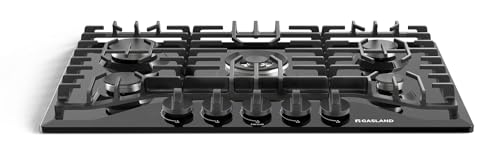
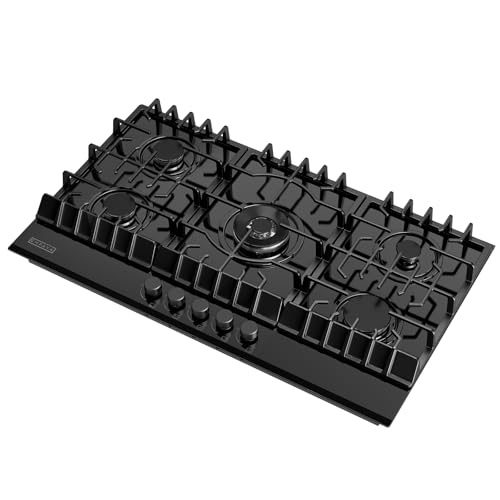
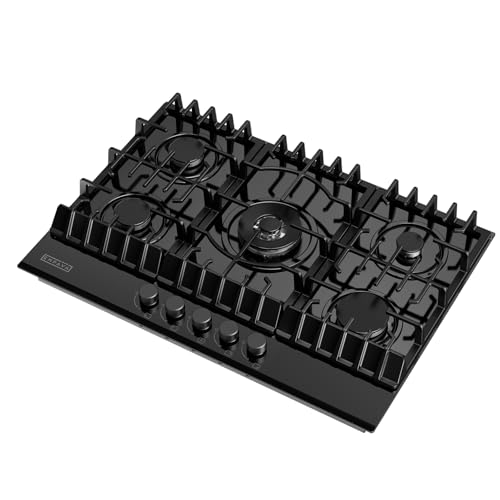
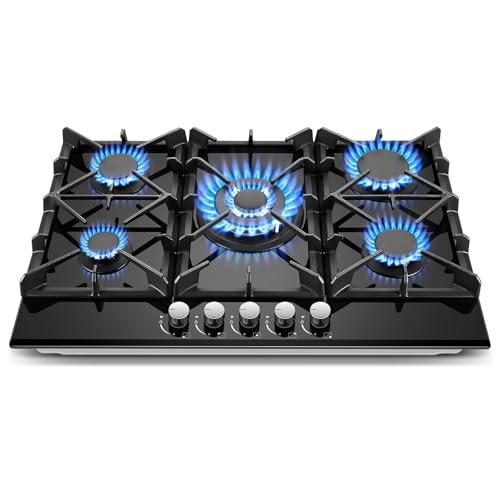

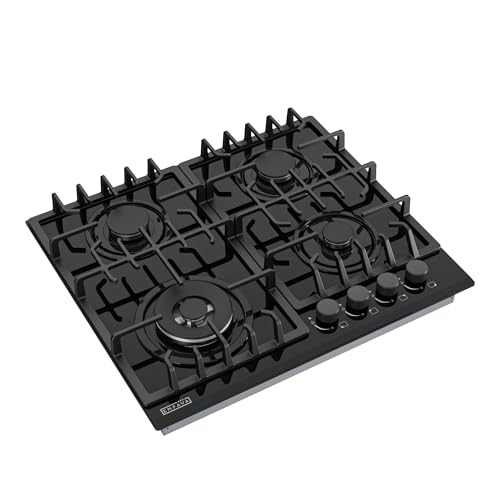
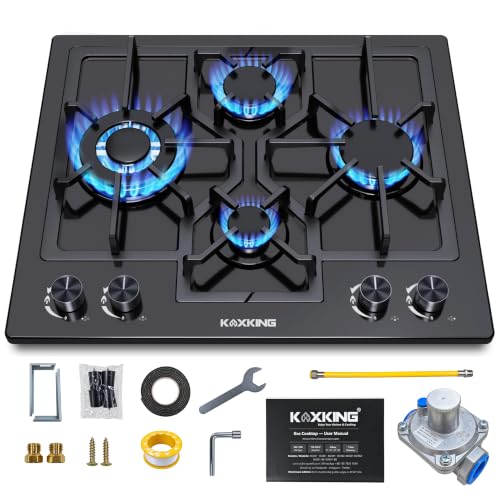
Quick Answer: The Main Types in 30 Seconds
Most households land on one of three layouts. A 30 inch four or five burner model suits a family of three or four and fits most standard cutouts. A compact 24 inch model serves small kitchens and studio apartments. A 36 inch five or six burner model gives keen home cooks room for wide pans and a griddle at the same time. Match the layout to your space first, then compare burners and grates within that size.
Before You Buy: A Quick Checklist for Choosing a Gas Cooktop
Work through the points below in order, because size and fuel decisions narrow everything else. For a broader view first, see our guide to the best gas cooktop.
Size: Match It to Your Space
Cooktops come in 24 inch, 30 inch, 36 inch, and 48 inch widths, with two, four, five, or six burners. A 30 inch model is the most common swap in an existing kitchen, and the best 30 inch gas cooktop options balance burner count with a price most families accept. Bigger households that cook several dishes at once should look at the best 36 inch gas cooktop range instead, since the extra width stops wide pans from crowding each other. Measure your current cutout before falling for any width, because cabinets are costly to change.
Which Type Fits Your Routine
Nearly every black model you will see is a built in unit that drops into the counter and leaves the oven as a separate appliance below or elsewhere. Most run on natural gas from a home line, and many can be converted to propane with a kit, which matters for rural homes on a tank. Sealed burners are the norm at this level and keep spills out of the burner box, making cleanup simpler. If you are torn between a cooktop and a taller rangetop with front controls, read our gas cooktop vs rangetop comparison before you decide.
Features Worth Paying For, and Ones to Skip
Continuous grates are worth the money, since you can slide a heavy pot from a hot burner to a cool one without lifting it. A low simmer burner earns its place if you melt chocolate or hold sauces often, and a flat griddle over two burners helps with pancakes and grilled sandwiches. A wok ring only suits keen stir fry cooks. Downdraft venting pulls less steam than an overhead hood, so skip it if a hood is an option.
Measurements and Compatibility With Your Setup
Measure the cutout width and depth in your counter, not the glossy top surface, because the top overhangs the hole. Check the space below for drawer clearance and confirm the gas line and shut off valve sit where the new unit expects them. Leave the maker stated gaps to walls and cabinets, since gas flames need air and nearby surfaces need protection from heat.
Certifications and Safety Standards
Look for a listing mark from a recognized safety certifier such as UL or CSA on the rating plate, which shows the unit passed gas safety checks for the US market. Electronic ignition with automatic flame sensing is now common on better equipped models and cuts the gas if a flame blows out. Child resistant knob designs and clear off markings help in busy family kitchens. Marks aimed at commercial kitchens do not fit home use, so do not pay extra for them.
DIY vs Pro Installation Cost
Swapping a cooktop into an existing cutout is a short job, yet gas work is regulated in most areas and often needs a licensed installer and a permit. Budget for the visit, a new flexible connector, and leak checks on top of the unit price. Our breakdown of gas cooktop installation cost shows what each part of the job tends to run. Moving a gas line or cutting a new counter opening raises the bill further, so get quotes before you order.
Realistic Budget Ranges
Basic two and four burner models sit under $300 and suit small households and rental upgrades. The busy middle ground runs about $300 to $900, where you get sealed burners, continuous grates, and stronger power burners. Spending about $900 to $2,000 buys wider 36 inch layouts, heavier grates, and finer simmer control. Above that level you pay for pro styling more than raw cooking power. Set your range before shopping, because the black color alone tells you nothing about quality.
Three Cooktop Types Worth Your Money
Instead of chasing a single winner, match one of these three types to your household.
Most Homes: The Standard 30 Inch Five Burner Layout
This is the default choice for a family kitchen, with a power burner for fast boiling, two mid burners for everyday pans, and a small simmer burner at the back. The fifth burner, often in the center, handles oval pots and griddles. In black enamel or black glass, this size hides daily splashes well. Check that the center burner does not steal so much room that four normal pans no longer fit at once.
Smaller Kitchens: The Compact Four Burner Layout
Singles, couples, and small kitchens get better value from a simple four burner model in 24 inch or 30 inch width. You give up the center burner and the widest power output, but you keep sealed burners and simple knob control at a much lower price. Black is a smart color at this tier, since thinner enamel on budget units can chip, and dark finishes make small marks less obvious. Confirm the grates are sturdy cast iron or coated steel rather than thin wire, which can wobble under a full pot.
Frequent Hosts: The 36 Inch Pro Style Layout
Keen cooks who host often benefit from a 36 inch model with five or six burners, heavy continuous grates, and a wide spread of burner output. The extra width lets a stockpot and a wide skillet run side by side without touching, and stronger frames tend to age better under daily use. Plan for a stronger hood above this size, because total burner output and steam volume are higher than a standard model produces.
How to Evaluate a Black Gas Cooktop Before You Buy
Judge any model on five points in this order: fit with your cutout and fuel supply, grate and surface build quality, burner range from simmer to full power, safety listings, and warranty length with local service support. Read the maker data sheet for burner output and cutout sizes rather than trusting store summaries. Buyer reviews help most when you filter for comments about ignition problems and grate stability, since those are the issues owners report most.
Black Compared With Other Gas Cooktop Finishes
Black enamel and black tempered glass are the two surfaces you will meet. Enamel over steel feels forgiving, hides fine scratches, and matches a classic kitchen. Black glass looks sleek and wipes clean fast, but it shows dust, water spots, and fine scratches more clearly, and it can clash with matte cabinets. Stainless steel hides less grease than many buyers expect and shows fingerprints at once, while white units show sauce splashes the moment they land. Black sits in the middle: splashes blend in, yet dried mineral spots from boiled over water stand out, so a quick wipe after cooking keeps it ahead.
Your real choice is upkeep style. If you wipe as you go, glass rewards you with a mirror clean look. If cooking is rushed and cleanup waits until morning, enamel is the calmer pick.
Common Buying Mistakes to Avoid
- Measuring the top surface instead of the counter cutout, which can leave you with a unit that will not drop in.
- Forgetting the gas type, then finding your natural gas kitchen cannot run a propane only model without a conversion kit.
- Paying for six burners in a 30 inch width, which crowds pans so much that you rarely use more than three.
- Ignoring hood strength, so a powerful new cooktop fills the kitchen with steam and cooking smells.
- Choosing black glass for a rental or a house share, where rough use and scouring pads can dull the surface fast.
Cost of Ownership and Care
Gas itself is a modest running cost for most homes, and the bigger ownership costs are parts and cleaning time. Burner caps, igniters, and knobs are the parts most likely to need replacing, and they stay cheap when you buy from a brand with a wide parts network. Keep the burner ports clear, wash grates in warm soapy water, and dry black glass with a soft cloth to stop water marks from setting. Our step by step guide on how to clean a gas cooktop covers burnt on spills without scratching the finish. Never use steel wool on black surfaces, since fine scratches show up as pale lines.
Your Questions, Answered
How can you judge which gas cooktop brands are most reliable?
Reliability shows up in plain signals rather than a single ranking. Look for heavy grates, metal knobs instead of thin plastic, and a warranty that covers parts for more than the minimum period. Brands with local service networks and parts still sold for older models tend to keep a cooktop running longer. Patterns of repeated ignition faults in owner reviews matter more than one angry comment.
How do you clean a black gas cooktop without leaving marks?
Let the grates cool, lift them off, and soak them while you wipe the surface with a damp cloth and a drop of dish soap. Lift off burner caps and clear each port with a soft brush, then dry every part fully before refitting, because trapped water can make ignition click without lighting. On black glass, finish with a dry microfiber cloth in straight strokes. That final dry pass is what stops the pale streaks owners complain about most.
Is a gas cooktop worth it over an electric one?
Gas gives you instant flame changes, which helps when a pan needs to drop from a boil to a simmer in seconds. Electric and induction units are easier to wipe and avoid indoor combustion gases, so ventilation matters more with gas. If you cook with woks or char peppers over open flame, gas earns its place. If your kitchen lacks a vent hood, think hard before switching.
How long does a gas cooktop last?
A home gas cooktop often serves about 15 years, and simple models with few electronics can run longer because there is less to fail. Igniters and burner caps usually wear first and are cheap to swap. Lifespan drops when spills sit in the burner ports or when grates are dropped onto glass surfaces. Keeping the rating plate details and model number in a kitchen drawer makes ordering the right parts later much easier.
Are black gas cooktops worth it compared with stainless steel?
Black models often cost a little less than stainless versions with the same burners, and the finish hides sauce splashes and light grease between cleanings. They are worth it if your kitchen uses dark cabinets or black appliances already, because the cooktop blends in instead of adding another metal tone. The trade off is upkeep on glass versions, which show dust and water spots clearly. Enamel black avoids most of that.
Final Thoughts
Start with your cutout and fuel type, pick the layout that matches how many pans you truly run at once, and then choose between black enamel and black glass based on how you clean. The product table near the top lets you compare those types side by side. Chosen that way, the best black gas cooktop for your home is the one that fits your space, your routine, and your budget without paying for burners you will never light.


