
Best Black and Decker Blender in 2026: Which Style Fits Your Kitchen
Disclosure: We may earn a commission when you buy through links on this page, at no extra cost to you. As an Amazon Associate I earn from qualifying purchases. Learn more

Full size, personal and high capacity blenders compared on jar size, controls and care, so you can pick the best black and decker blender for your home.
Picture a weekday morning in a busy kitchen. One person needs a quick smoothie before work, a child wants a milkshake after school, and soup for dinner needs a smooth base. A single blender often has to cover all of that without taking over the counter. Finding the best black and decker blender for your home comes down to three things, how much space you have, how many people you serve, and how much you want to spend.
This guide walks through the lineup by size, type, and daily routine so you can match a model to your household instead of guessing. Use the product table below to see capacities and key specs side by side, then read on for the details that matter in everyday use.

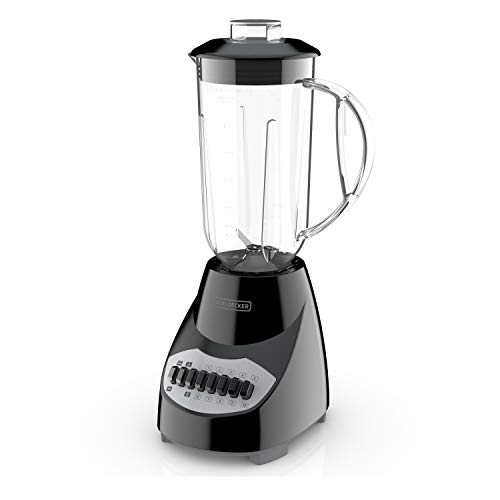

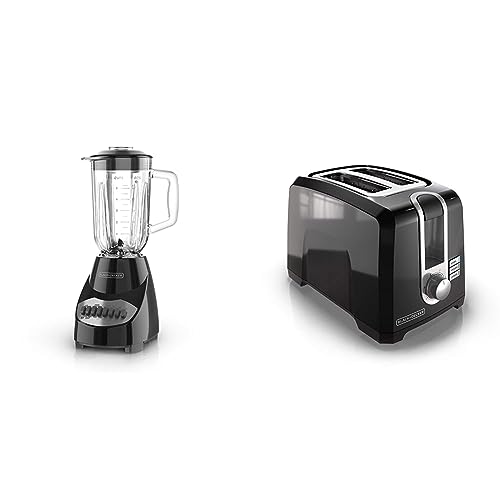


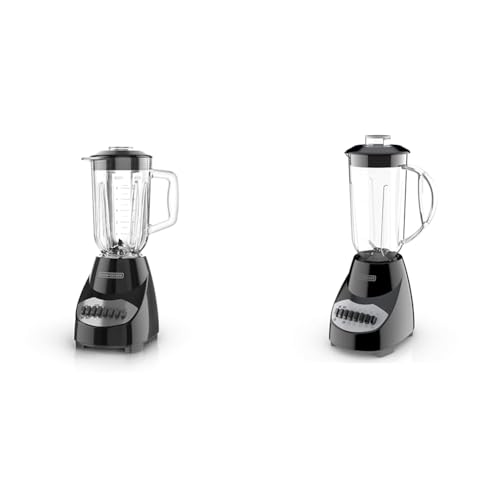
Quick Answer: Three Types That Cover Most Homes
Most buyers fall into one of three groups. A full size countertop model suits families who blend large batches of soup, salsa, or frozen drinks. A compact or personal model suits one or two people who mainly make smoothies and shakes. A larger high capacity model suits frequent hosts who want extra jar room and stronger controls. The sections below explain how to tell which group fits you.
Before You Buy: A Quick Checklist for Choosing a Blender
Start with how you actually live and cook, not with the longest feature list. The points below help you narrow the lineup before you compare prices.
Size: Match It to Your Space
Jar capacity decides how much you can blend in one go. Personal and small models often hold about 20 to 32 ounces and work well for single smoothies. Mid size jars around 48 ounces suit couples and small families. Full size jars of 64 to 72 ounces handle soup for a crowd or several shakes at once. If counter and cabinet room is tight, read our guide to the best small blender for ideas on footprint as well as capacity.
Which Type Fits Your Routine
Countertop models are the most flexible choice for mixed tasks like sauces, batters, and frozen drinks. Personal models blend right in a travel cup, which saves washing up when you only make one drink. If your main goal is a daily shake after a workout, see our guide to the best blender for protein shakes for what matters with powders and ice. More powerful high speed designs give smoother results with fibrous greens, while basic designs keep controls simple and costs lower.
Features Worth It, and Ones to Skip
A glass jar resists stains and odors and feels sturdy, though it is heavier to lift when full. Plastic jars are lighter and less likely to break if dropped. If jar material is your top concern, compare options in our guide to the best glass blender. To go cups and extra lids add real value for busy mornings. A tamper helps with thick mixes. Skip costly extras you will rarely use, such as heating elements or smart programs, unless you already know a recipe that needs them.
Wattage, Power and Energy Use
Higher wattage usually helps a blender work through ice and frozen fruit without stalling, but wattage alone does not promise a smooth result. Blade shape, jar design, and speed settings matter just as much. For soft foods and simple shakes, a modest motor is often enough and uses less power. For thick nut butters or frequent frozen drinks, look for a stronger motor and a pulse setting so you can work in short bursts instead of running the motor hard.
Safety Features and Certifications
Look for a lid that locks or sits firmly, a stable base that grips the counter, and clear markings that warn against filling past the max line. Many home models carry UL or ETL listing, which means the electrical parts met a recognized safety standard. Keep the cord away from hot burners and water, and never reach into the jar while the blades can still move. Unplug the base before you wash parts or clear a jam.
Counter Space and Dimensions
Measure before you buy, not after the box arrives. Check the height with the lid on, since some full size models will not slide under standard upper cabinets. Note the width and depth too, plus room to lift the jar straight up for pouring. If you plan to store the blender in a cabinet, confirm the shelf height and door clearance. A model that fits your space will get used far more than one you have to move every time.
Realistic Budget Ranges
Under $50, expect basic countertop or personal models that handle shakes, soft fruit, and simple sauces. About $50 to $100 usually adds a larger jar and more speed settings. About $100 to $150 can bring better controls and more included cups. Spending over $150 makes sense mainly if you blend often and want extra capacity. Set your range after you decide size and type, so you pay for fit rather than features you will ignore.
Types Compared: Which Style Deserves Your Money
Instead of chasing a single winner, compare the three main styles in the lineup. Each one below suits a different household pattern.
Full Size Countertop Models
A full size countertop model is the safest all round choice for families of three to five. The larger jar lets you make soup, pancake batter, or several smoothies without blending in batches. Multiple speeds and a pulse option give you control over texture, from chunky salsa to smooth puree. The trade off is size, since these models need more counter and storage room. Choose this style if you cook varied meals and want one machine that covers most tasks without swapping attachments.
Compact and Personal Models
Compact and personal models cost less and earn their place in small kitchens, dorm rooms, and single person homes. You blend in a smaller jar or travel cup, drink from the same container, and wash fewer parts. That speed matters on work mornings. The limit is batch size, so making drinks for four people means several rounds. Choose this style if smoothies and shakes are your main use, your budget sits under $50 or near it, and you would rather save space than gain extra programs.
Larger High Capacity Models
Larger high capacity models suit households that blend almost every day and often cook for guests. A bigger jar, stronger motor, and sturdier base handle repeated use with ice and frozen fruit more comfortably. Extra settings can help with thick mixes that smaller models struggle to circulate. You pay more up front and give up more counter room, so the value only shows if you use that capacity often. Choose this style if meal prep, party drinks, and big family batches are a regular part of your week.
Our Selection Process
We compare models by capacity, blending performance for common home tasks, ease of use, cleaning effort, noise, safety features, and warranty terms. We rely on maker specifications and patterns in verified buyer feedback about daily use. A model earns a place in the types above when its size, controls, and price line up with a real household need, not when it simply lists the most settings.
The Black and Decker Blender Lineup Explained
Black and Decker focuses on value priced home blenders rather than on pro level machines, and the lineup reflects that. You will find personal models for single drinks, standard countertop models for family meals, and a few larger designs for bigger batches. When you compare the best black and decker blender options for your home, think of the brand as a practical middle path between the cheapest no name models and premium brands. For a wider view of the market, see our guide to the best blender across brands and price points.
It also helps to know what a blender will not replace. A blender excels at liquids and soft mixes, while chopping firm vegetables or kneading dough belongs to other tools. Our explainer on blender vs food processor shows where each appliance works best, so you do not buy a blender hoping it will handle every prep job in the kitchen.
Common Buying Mistakes to Avoid
- Buying the largest jar for a tiny kitchen, so the blender ends up stored away and rarely used.
- Choosing by wattage alone and ignoring jar shape and blade design, which leads to uneven results and frustration.
- Forgetting replacement costs, such as extra cups, lids, and gaskets, when you compare the first price.
- Paying for many preset programs you will never use, while missing basics like a pulse setting and a jar that pours cleanly.
- Skipping the cabinet height check, so a tall model cannot sit under your upper cabinets as planned.
Cost of Ownership and Care
Ownership costs stay modest if you care for the jar and blades. Electricity use per blend is small, since most jobs take under two minutes. The real costs are replacement lids, gaskets, and travel cups, plus a new jar if the original cracks. Wash parts soon after use so residue does not harden, dry the gasket fully to prevent odors, and store the jar without the lid sealed tight. For step by step washing methods, follow our guide on how to clean a blender. Never run the motor for long stretches without liquid, since that strains the motor and dulls performance over time.
Your Questions, Answered
Which Black and Decker blender should I buy for a family of five?
Choose a full size countertop model with a jar of 64 ounces or more. That capacity lets you make soup or several shakes in one batch instead of blending twice. Look for at least a few speed settings and a pulse option for texture control. Also check that the assembled height fits under your cabinets, since larger family models tend to be the tallest in the lineup.
Is Black and Decker a good blender brand for daily home use?
For everyday home use at a modest price, yes, the brand is a sensible choice. Its models focus on simple controls, common jar sizes, and easy replacement parts rather than on advanced programs. Daily smoothie and sauce makers usually find that enough. If you plan heavy use with hard ingredients several times a day, a stronger premium machine may suit you better, but most households will not need that level of power.
How long does a Black and Decker blender last with regular use?
With regular home use and basic care, many owners get several years from a countertop model. Lifespan depends on how often you crush ice, whether you avoid running the motor dry, and how well the gasket and jar are kept. A burning smell, a leaking base, or blades that no longer spin freely are signs that repair parts or a replacement are due. Checking the gasket for cracks every few months helps prevent leaks.
Can a Black and Decker blender crush ice and frozen fruit well?
Most full size models can crush ice and frozen fruit when you add enough liquid and use short pulse bursts first. Start with liquid in the jar, add softer items next, and put frozen pieces on top so the blades pull them down evenly. Very thick mixes with almost no liquid will strain any value priced motor. Let frozen fruit sit for a few minutes to soften slightly if your drinks come out uneven.
What is the best black and decker blender for a small apartment kitchen?
For a small apartment, a compact or personal model is usually the smartest fit. It stores in a cabinet, blends a single smoothie in its own cup, and leaves your limited counter clear for cooking. Measure your cabinet shelf before ordering, since even compact bases vary in height. If you often cook soup for guests, consider a mid size 48 ounce model instead, as it balances storage room with useful batch capacity.
The Bottom Line
For most families, a full size countertop model offers the best balance of capacity and price. Small households save money and space with a compact personal model, while frequent hosts get more from a larger high capacity style. Check the product table above to compare jar sizes and features, then pick the best black and decker blender type that matches your space, your household size, and your budget.


