
Best Binoculars under $400 for 2026: The Buyer Checklist
Disclosure: We may earn a commission when you buy through links on this page, at no extra cost to you. As an Amazon Associate I earn from qualifying purchases. Learn more

Compare the best binoculars under $400 by magnification, lens size, glass, field of view and build, with a clear checklist for birding, travel and sport.
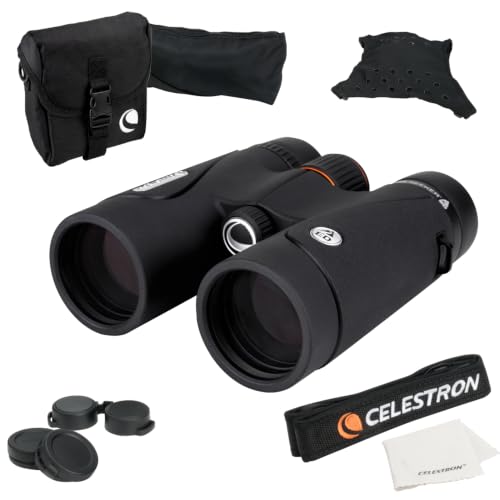
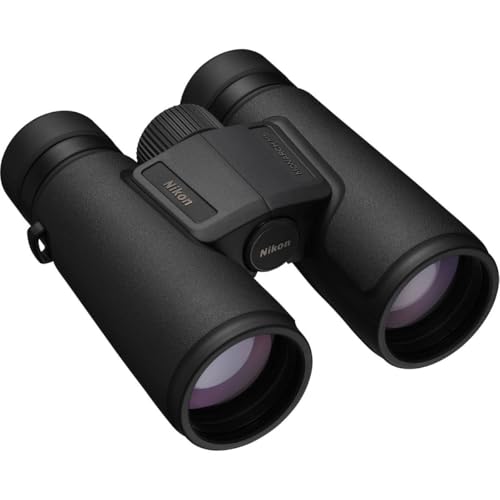
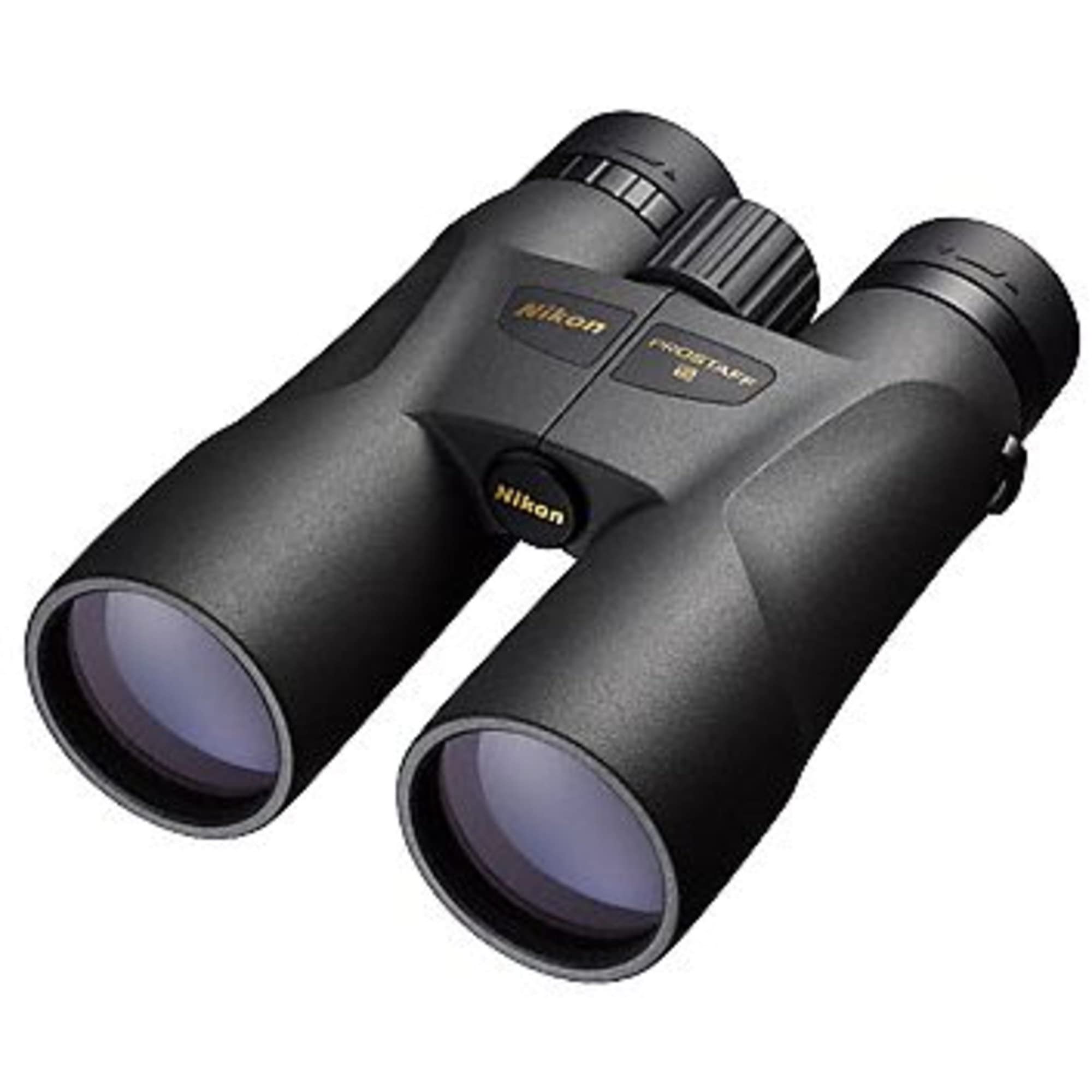
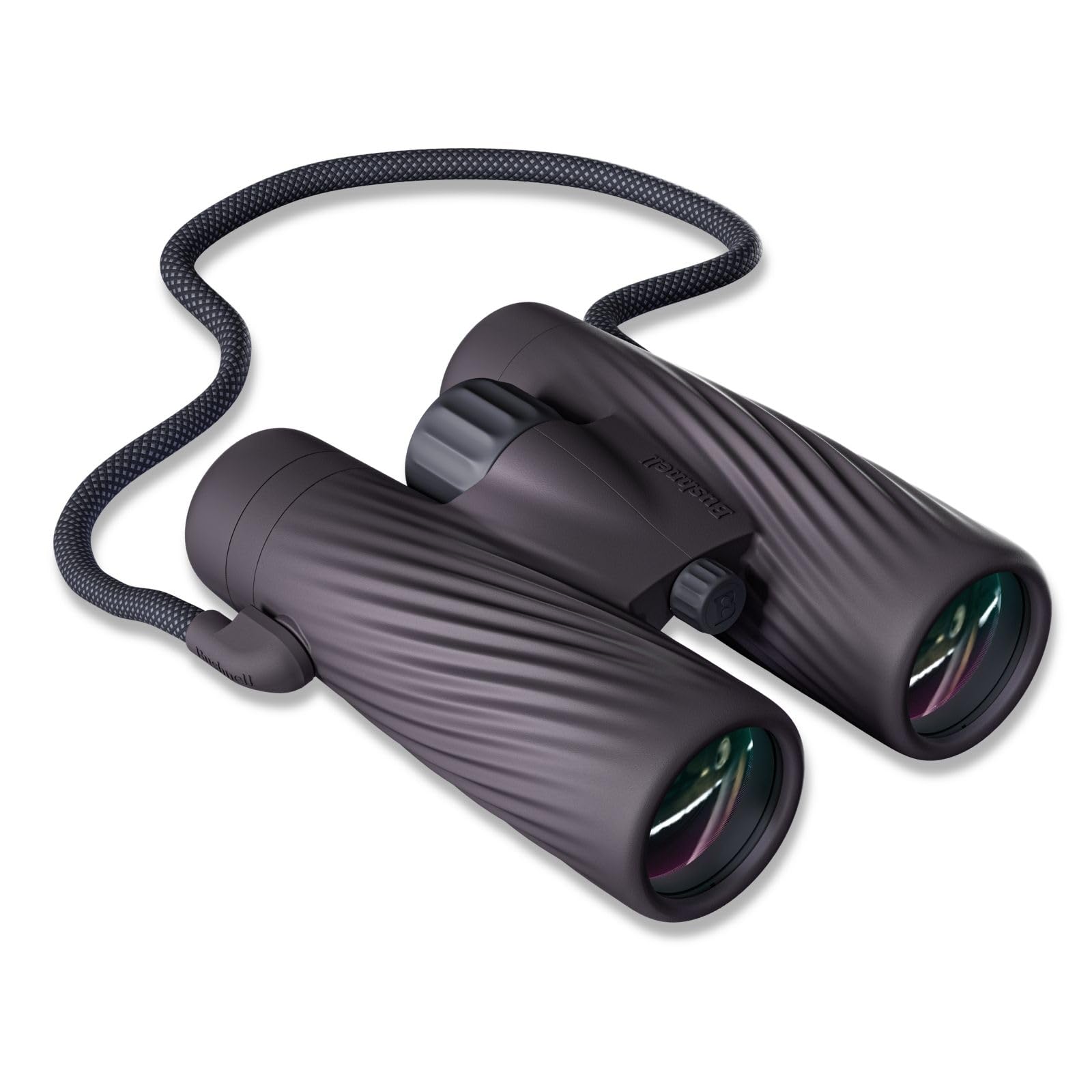
A budget of $400 sits at a useful point in the binocular market. It buys bright glass, weather sealing and a precise focus wheel, but only if you know which specs deserve your money. The best binoculars under $400 are the pair whose magnification, lens size and build match how you watch, and the comparison table below is easier to use once you know what to check.
This guide is a checklist you can apply to any pair in this range. It shows what this budget can buy, which factors change the view most, and which corners makers cut.





Who Should Buy Binoculars Under $400?
Your main activity should drive the choice, because the best configuration for a birder is rarely best for a hunter or a traveler.
Birders and Wildlife Watchers
You follow moving animals, often in shade or at dawn, and often for hours. An 8x42 pair suits you well, because the wider view makes a bird easier to find and follow while the larger exit pupil keeps the image bright in dim woods. Close focus matters too, since warblers and butterflies can appear a few feet away. Prioritize smooth focusing and faithful color.
Hunters Who Scan Open Country
You scan hillsides and field edges in low light and weather, and you need detail at range without a shaky image. A 10x42 pair is the common choice, and a 10x50 pair earns its extra weight when most watching happens at dawn and dusk. Weather sealing and rubber armor matter more than a compact body. For field specific needs, see our guide to the best binoculars for hunting under $400.
Travelers, Sports Fans and Concert Goers
You carry your binoculars all day and use them in short bursts, so size and weight shape your choice more than brightness. A compact 8x25 or 10x25 pair slips into a jacket pocket, while an 8x32 pair gives a brighter view and travels well. Small lenses give up some low light performance, a fair trade in daylight.
Key Features to Compare
Compare pairs in this order, starting with the numbers that define the view. At this price, the best binoculars under $400 should feel strong on the first three factors and competent on the rest.
Magnification, Objective Lens Size and Exit Pupil
The two numbers in 8x42 give the magnification and the diameter of the front lenses in millimeters. Higher magnification makes subjects look closer but narrows the view and magnifies hand shake, so 8x and 10x cover most uses. Divide lens size by magnification to get the exit pupil, the beam of light reaching your eye. An 8x42 gives about 5.3 mm and a 10x42 about 4.2 mm, and the larger figure looks brighter at dusk.
Glass Quality, Lens Coatings and Prism Type
Glass and coatings decide how much gathered light reaches your eyes with contrast and color intact. Look for fully multi coated lenses, which carry coating layers on all glass surfaces, and for extra low dispersion glass if you watch subjects against sky, where color fringing shows first. Roof prism pairs should list phase coating, which keeps contrast high in that design. Porro pairs cost less to make well, though they are bulkier.
Field of View, Eye Relief and Close Focus
Field of view is the width you can see at 1,000 yards, and an 8x42 pair shows about 330 to 390 feet while a 10x42 shows about 300 to 340 feet. A wider field helps you locate and follow a moving subject. Eye relief is the distance your eye can sit from the rear lens while seeing the full picture, and glasses wearers should look for about 15 mm or more. Close focus near 6 to 8 feet lets you study insects and feeder birds.
Focus Wheel, Diopter and Fit for Your Eyes
Most pairs use a center focus wheel that turns for both eyes, plus a diopter dial that corrects the difference between your two eyes. The wheel should move smoothly with one finger and hold its setting. Eye cups that twist up and down set the right eye distance with or without glasses, and the bridge should adjust so the two circles merge into one image. Check that the interpupillary range, about 56 to 74 mm, covers your face.
Build Quality, Weather Sealing and Weight
A good pair at this price feels dense and even, with a hinge that moves firmly and no loose play in the bridge. Waterproof seals and nitrogen filling keep fog from forming when you move between cold air and a warm car, and rubber armor absorbs knocks against rocks and railings. Full size pairs weigh about 22 to 28 ounces, which most adults handle well. A tripod adapter steadies high magnification views.
Binocular Types Compared for This Budget
Match the type to your day, then use the features above to choose within that type.
Full Size Roof Prism Binoculars for All Round Use
Straight barrels make roof prism pairs easy to pack and quick to slip into a harness. An 8x42 or 10x42 roof pair is the default choice for mixed birding, wildlife and travel use. You pay more for good phase coating in this design, and this budget usually covers that cost.
Porro Prism Binoculars for Value and Depth
The offset shape gives Porro pairs a broad, steady stance, and the view often has a pleasing sense of depth. Because the design is cheaper to build well, a Porro pair can match roof prism image quality for less. The cost is bulk in your day pack.
Compact Binoculars for Travel and Events
Compact pairs with lenses of 25 to 32 mm weigh about 10 to 17 ounces, which suits stadiums, theaters and city trips. Small lenses gather less light, so the view dims sooner at dusk. For a smaller budget and casual use, see our guide to the best binoculars under $100, and for home and garden use, see our guide to the best binoculars under $200.
Quick Buyer Checklist Before You Spend $400
Run through these questions before you buy. A no on the first four is a reason to keep looking.
- Does the magnification suit your use, 8x for a wide view or 10x for reach?
- Is the exit pupil at least about 4 mm if you watch near dawn or dusk?
- Do the specs list fully multi coated glass and phase coating on roof models?
- Is the eye relief about 15 mm or more if you wear glasses?
- Can the pair focus as close as your nearest typical subject?
- Is the pair waterproof and fogproof rather than only splash resistant?
- Does the weight feel fine for your longest outing?
For a step above this range, see our guide to the best binoculars under $500.
Common Mistakes to Avoid
- Choosing 12x magnification for handheld use leaves a narrow, shaky view.
- Trusting inflated zoom claims on vague spec sheets leads to dim views.
- Ignoring eye relief while wearing glasses cuts off the edges of your view.
- Skipping the diopter setup leaves one eye out of focus and causes headaches.
- Buying the lightest pair for dusk use gives lenses that go dim too early.
- Judging a pair under store lights hides weak coatings that fail in shade and glare.
How to Make Your Pair of Binoculars Last Longer
Clean the lenses only when they need it, and blow or brush loose grit away before any cloth touches the glass, because grit dragged across a coating can scratch it. Use a clean microfiber cloth with light strokes. Keep lens caps on in brush, and carry the pair in its padded case.
Store the pair dry indoors, away from sun and damp basements. Check strap anchors, hinge and eye cups every few months. If the view shows two offset images after a hard drop, stop using the pair and contact the maker, since the prisms have likely shifted.
Frequently Asked Questions
Can you get good binoculars under $400 for regular outdoor use?
Yes, binoculars under $400 can be good for regular outdoor use, with bright coated glass and reliable weather sealing. This range sits above entry level optics, so gains show in contrast and build rather than raw magnification. Buyers often miss warranty length, and many pairs here carry long coverage that protects years of field use.
What binocular specs matter most for a first time buyer?
The binocular specs that matter most for a first time buyer are the configuration numbers, the field of view and the weight. Start with 8x42 if you have no strong reason to pick otherwise, because it balances brightness, steadiness and size. Hold the pair first, since small hands may prefer an 8x32 grip.
How much should you spend on your first pair of binoculars?
You should spend enough on your first pair of binoculars to get coated glass and a sealed body, which often starts around $150 to $250. Spending the full $400 makes sense when you already watch often and know dim light is your weak point. Past that level, money mostly buys refinement.
Is a smartphone camera enough instead of binoculars for distant subjects?
No, a smartphone camera is not a substitute for binoculars for distant subjects. Digital zoom enlarges a small crop of the image, so fine feather and fur detail breaks down fast. Binoculars show both eyes an optical view with natural depth, without draining your phone battery during a long day out.
What does 8x42 or 10x42 mean on a pair of binoculars?
8x42 on binoculars means the view appears eight times closer and the front lenses measure 42 mm across, while 10x42 gives ten times magnification through the same lens size. The difference is feel, since 10x42 shows more detail on still subjects while 8x42 feels calmer in the hands. Try both on a moving subject before deciding.
The Bottom Line
Let your main use set the configuration, then demand good glass, honest coatings and a sealed body. An 8x42 pair covers most buyers, a 10x42 or 10x50 pair serves open country and dim light, and a compact pair wins when weight matters most.
With those points settled, choosing the best binoculars under $400 becomes a simple match between your habits and a short list of numbers. Use the product table above to confirm the final details, then buy the pair you will carry often.


