
Best Binoculars Under 250 in 2026: Matching the Right Model to Your Routine
Disclosure: We may earn a commission when you buy through links on this page, at no extra cost to you. As an Amazon Associate I earn from qualifying purchases. Learn more

Compare binoculars under $250 by your routine, with clear guidance on magnification, glass, field of view, eye relief, low light use, sealing and care.
No single pair of binoculars suits every outing, and paying more only helps when the extra money buys the view you actually need. The best binoculars under 250 dollars sit in a useful middle ground, where glass quality, sealing and focus control improve a lot over entry models without reaching premium prices. Use the comparison table below to match each configuration to your routine first, then compare the finer details.
A birdwatcher at dawn, a fan in an upper deck and a hiker counting ounces all shop with the same budget but need different binoculars. This guide sorts those needs into clear groups and explains the specs that change what you see.


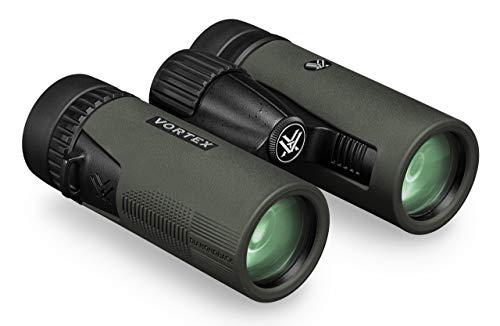


Who Should Buy Which Binoculars?
Start with the outing you repeat most often, because that routine decides your magnification, size and brightness needs.
Birdwatchers and Wildlife Watchers
You watch small, moving subjects in changing light, often at dawn or near dusk. Choose an 8x42 pair for a wide field that helps you find a bird quickly and hold it in view. A close focus near 6 feet also helps with butterflies and nearby shorebirds. Look for bright, natural color, because subtle markings separate similar species.
Sports Fans and Concert Viewers
You follow fast action from a fixed seat, so field of view and quick handling matter more than maximum power. A 10x42 pair brings distant players closer, while an 8x42 pair keeps more of the field in frame and shakes less in your hands. At indoor shows, favor larger objective lenses over pocket models that look dim under stage lighting.
Hikers and Travelers Who Pack Light
You carry your binoculars for hours, so weight and bulk decide whether they come along at all. A mid size 8x32 or 10x32 pair at about 14 to 20 ounces fits a pack side pocket and still gives a satisfying view at overlooks. Choose a sealed body for sudden rain, and a strap that spreads weight across your neck or shoulders.
Key Features to Compare
Compare the factors below in order, so a tempting price cannot hide weak glass, a narrow field or eye relief that is too short for your glasses.
What You Can Realistically Get for Under $250
At about $100 to $250, expect fully multicoated lenses, BaK 4 glass prisms and rubber armor on most serious models. Extra low dispersion glass and phase coatings appear on some pairs here, but not on all, so check each spec instead of assuming. If your budget is tighter, see our guide to the best binoculars under $100 and our guide to the best binoculars under $200 before you settle.
Magnification and Objective Lens Size
The two numbers in a name such as 8x42 describe power and lens size. The first number is magnification, so an 8 power view makes a subject look eight times closer. The second number is the objective lens diameter in millimeters, and larger lenses gather more light. A 10 power view feels closer but narrows the scene and magnifies hand shake, which is why 8 power suits most handheld use.
Glass, Prisms and Coatings for a Clear View
Prism glass and coatings decide how much light reaches your eyes as a clean image. BaK 4 prisms give a rounder, brighter exit image than BK 7 prisms, which can show a slightly squared edge. Coatings cut reflections inside the barrels, and fully multicoated glass passes more light with better contrast. Extra low dispersion glass reduces color fringing on bright edges, such as white birds against dark trees.
Field of View, Eye Relief and Focus Control
Field of view tells you the width you can see at 1,000 yards, and about 315 to 380 feet is typical for an 8x42 pair. A wider field makes subjects easier to track. Eye relief of about 15 to 18 millimeters lets glasses wearers see the full field with eyecups rolled or twisted down. A smooth center focus wheel and a diopter ring on one eyepiece let you match both eyes precisely.
Low Light Performance and Exit Pupil
Exit pupil is the objective size divided by the magnification, so an 8x42 pair gives about 5.3 millimeters. That number estimates the beam of light reaching each eye, and a larger beam looks brighter at dawn and dusk, when your pupils open wider. Twilight viewing also rewards good coatings, because a bright but washed out image still hides detail in shadowed brush.
Weight, Durability and Weather Sealing
A full size 42 millimeter pair usually weighs about 22 to 28 ounces, while mid size 32 millimeter models trim several ounces for travel. Waterproof seals keep out rain and splashes, and nitrogen purged barrels resist internal fog when you step from a warm car into cold morning air. Rubber armor improves grip with gloves and softens small bumps, and tethered lens caps stay with the binoculars.
Choosing Between Roof Prism and Porro Prism Binoculars
Roof prism binoculars use straight barrels, so they pack neatly and feel slim in the hand, but their prisms need quality coatings to match the contrast of simpler designs. Porro prism binoculars use offset barrels and often deliver a strong sense of depth and brightness for the money. The trade off is bulk, since a Porro pair takes more room in a day pack.
Size class matters as much as prism shape. Full size 42 millimeter models suit stationary watching, mid size 32 millimeter models balance travel and brightness, and compact 25 millimeter models fit a jacket pocket for casual use. In practice, the best binoculars under 250 for one all purpose pair tend to be 8x42 roof prism models, because they balance brightness, field of view and pack size for most routines.
Common Mistakes to Avoid When Buying Binoculars
Each error below is easy to make on a spec sheet and hard to forgive in the field.
- Choosing 12 or 15 power binoculars for handheld watching gives you a shaky, narrow view that tires your eyes within minutes.
- Judging brightness by lens size alone while ignoring coatings can leave you with a dimmer view than a smaller, better coated pair.
- Ignoring eye relief when you wear glasses cuts off the outer field, so you see a small circle instead of the full scene.
- Buying compact 25 millimeter binoculars for dawn birding leaves you with an image that fades just when birds are most active.
- Skipping the fit check for your eye spacing can leave you with dark edges or a doubled image that no focus wheel can fix.
Keeping Your Under 250 Binoculars Clean and Dry
Clean lenses only when they need it. Blow or brush loose grit away first, then wipe gently with a clean lens cloth in small circles, because dragging grit across a coating can scratch it. Your shirt is a poor substitute, since fabric holds dust and oils. Keep the caps on whenever the binoculars hang idle around your neck.
Store binoculars in a dry, padded case at room temperature, away from a hot car trunk where heat can age seals and adhesives. Leave a damp pair out to dry with the caps off before you case it. Check the strap, hinge and focus wheel each season, and if internal fog or a loose hinge persists, contact the maker about warranty service instead of opening the barrels yourself.
Frequently Asked Questions
Can You Get Good Binoculars for Under $250?
Yes, binoculars for under $250 are one of the strongest value points in optics. This budget usually buys sealed barrels, quality prism glass and coatings that entry models skip. One check worth adding is the return window, since a short home trial at dawn reveals more about brightness and fit than any spec can.
Is a Smartphone Camera Enough Instead of Binoculars at a Game or on a Trail?
No, a smartphone camera is not a full substitute for binoculars at a game or on a trail. Phone zoom crops a sensor image, while binoculars present a bright view to both eyes with natural depth. A phone still wins for recording and sharing, so many fans use the phone for clips and binoculars for following the play.
How Much Should You Spend on Your First Pair of Binoculars?
Spend about $120 to $250 on your first pair of binoculars if you expect to use them weekly. Below that range, focus wheels and hinges tend to feel loose sooner. If your routine later demands more, see our guide to the best binoculars under $500 to learn what the next step up actually adds before you pay for it.
What Specs Matter Most for Beginner Binocular Buyers With a $250 Budget?
Start with configuration, eye relief and focus feel rather than maximum power. A moderate 8 power view is easier to hold steady while you learn to find subjects quickly. Also check the focus wheel through its full travel, because a wheel that moves in smooth, even steps makes small birds far easier to sharpen without overshooting.
Which Binocular Size Is Better for Low Light Viewing at Dawn and Dusk?
An 8x42 or 10x50 pair is better for low light viewing at dawn and dusk than compact models. To preview brightness in a store, hold the binoculars a short distance from your eyes and look at the bright circles behind the eyepieces, since larger, rounder circles suggest a fuller beam of light. Dim hallway tests still beat bright showroom lighting.
What Does 8x42 or 10x42 Mean on a Pair of Binoculars?
On a pair of binoculars, 8x42 means 8 power magnification with 42 millimeter front lenses, and 10x42 raises the power while keeping the same lens size. When you shop, use the numbers as a quick size and weight signal first, then compare the listed field of view, because two pairs with identical numbers can frame a scene quite differently.
The Bottom Line
Match the configuration to your routine first, then judge glass, field of view and eye relief before you look at price. Use the product table above to confirm size, weight and sealing for the pairs that fit your main outing.
When you compare best binoculars under 250 choices with those points in mind, the right pair is usually the one you will carry often and focus without thinking. Buy for the outing you repeat, and the view will reward you every time.


