
Best Binoculars to See the Moon: Our 2026 Checklist for Clear Views
Disclosure: We may earn a commission when you buy through links on this page, at no extra cost to you. As an Amazon Associate I earn from qualifying purchases. Learn more

Find binoculars for moon viewing by comparing magnification, lens size, exit pupil and stability, plus a quick buyer checklist and care tips.
The moon is bright, close and detailed, yet it still rewards the right optics. Choosing the best binoculars to see the moon means balancing magnification with steadiness, lens size with weight, and sharpness with a view wide enough to find your target fast. Use the comparison table below to check those trade offs side by side.
Start with how you will watch. Most readers want relaxed handheld views of craters and the line between light and shadow. Others want closer views from a tripod. The sections below match each style to the specs that matter.


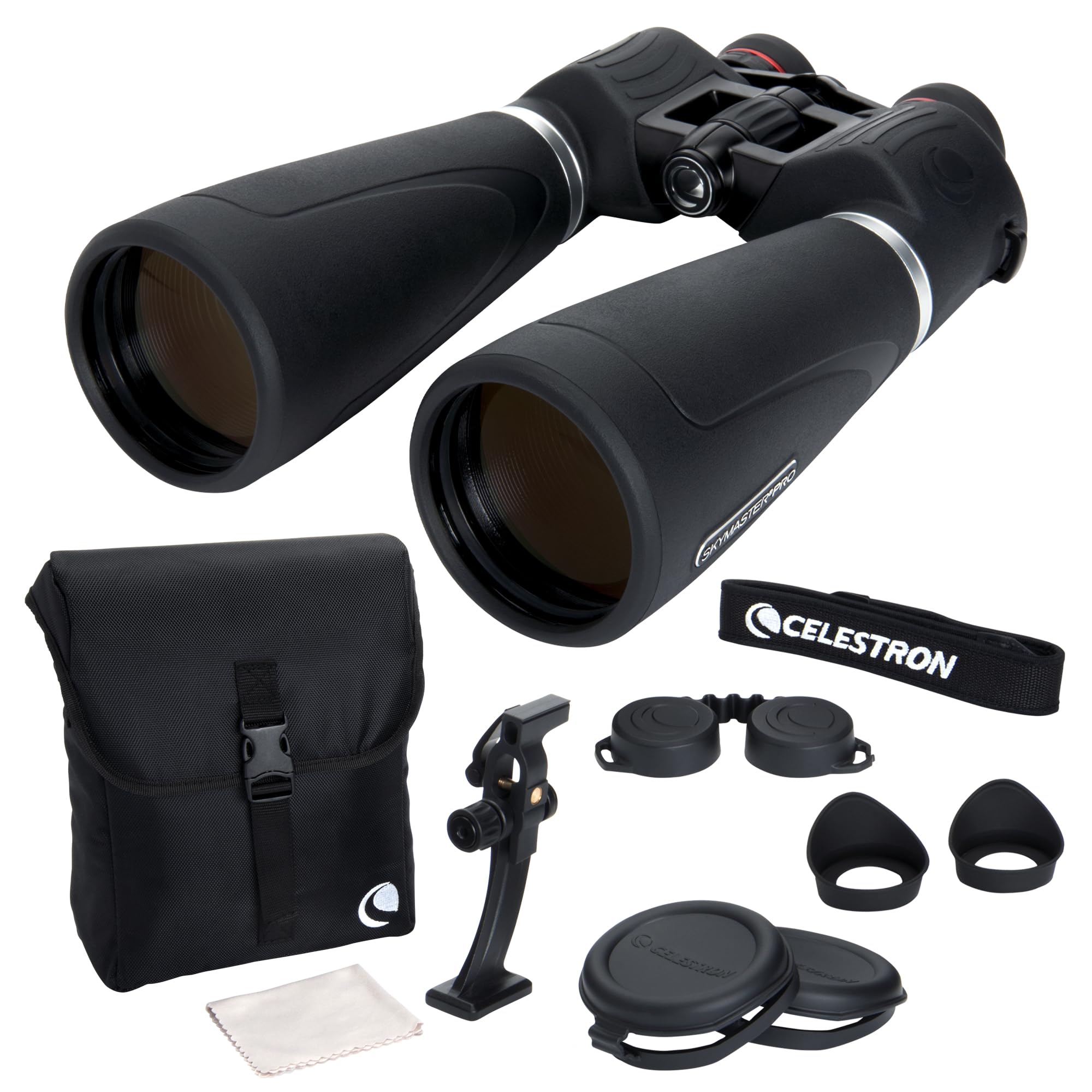


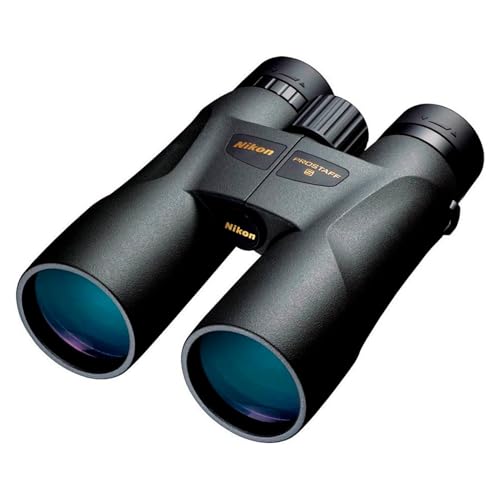


Who Should Buy Which Binoculars for Moon Viewing?
Your viewing spot and patience shape the right choice more than the highest number on the box. Pick the group that sounds most like you.
Casual Backyard Viewers Who Want Easy Handheld Use
You step outside for ten or twenty minutes and want a clear view without setup. Choose a moderate power pair around 7x50 or 10x50 that feels steady in your hands. A wide field helps you find the moon quickly, and light weight matters more than extreme closeness.
Detail Seekers Who Want Crater and Shadow Detail
You return night after night to watch shadows move across craters near the terminator. Choose higher power, often 12x to 15x, and plan on support from a tripod or a steady rest. Larger front lenses help you hold contrast when the surface looks flat at full moon.
Families and First Time Buyers Sharing One Pair Outdoors
You pass one pair between adults and older children, so fit and simple controls matter most. Choose a central focus wheel that turns smoothly, eye cups that adjust with a twist, and enough eye relief for glasses. A tough, weatherproof body handles dew and small bumps better.
Key Features to Compare
Compare these factors in order. A powerful pair with a dim or shaky image will disappoint you faster than a modest pair that stays bright and steady.
Magnification and Hand Shake
Magnification tells you how much closer the moon appears, written as the first number in a size such as 10x50. At 7x to 10x most adults can hold the image steady enough to enjoy craters and dark seas. At 12x and above, small hand movements grow with the image, and fine detail can blur. If you love higher power, budget for a tripod adapter, or consider image stabilization, which calms movement electronically and adds cost and weight.
Objective Lens Size and Exit Pupil
The second number in 10x50 is the objective lens size in millimetres, and larger front lenses gather more light. Divide that size by the magnification and you get the exit pupil, so a 10x50 pair gives a 5 mm exit pupil while a 10x42 pair gives about 4.2 mm. A larger exit pupil keeps the view bright at dusk and feels more forgiving when your eye is not perfectly centred.
Optical Coatings, Prism Glass and Sharpness
Coatings on lens and prism surfaces cut reflections that would otherwise wash out contrast on a bright lunar disk. Look for wording that says fully multi coated optics, since that means coatings cover all air to glass surfaces rather than only some of them. BAK 4 prisms generally give a rounder, brighter exit pupil than BK 7 prisms. Check sharpness away from the centre too, because a soft edge makes the disk look less crisp.
Field of View and Finding the Moon Quickly
Field of view describes how much sky you see at once, often listed in degrees or in feet at 1000 yards. A wider field, around 6 degrees or more at 10x, makes the bright moon easy to locate and easy to recover after you lower the binoculars. A narrow field feels tunnel like and can frustrate new users.
Eye Relief, Focus Wheel and Diopter Adjustment
Eye relief is the distance your eye can sit from the rear lens while still seeing the full field, and glasses wearers usually need about 15 mm or more. The central focus wheel should turn with light, even pressure and no gritty spots. A diopter dial on one eyepiece lets you match the two barrels to your two eyes once, then focus normally. Set that dial in daylight so night setup stays simple.
Weight, Weather Resistance and Tripod Mounting
Full size binoculars for the night sky often weigh about 24 to 40 ounces, and a heavier pair can tire your arms and add shake during long sessions. Weatherproof construction helps when dew forms, and fog resistant filling helps when you carry optics from a warm room into cool air. Check for a threaded socket for a tripod adapter under the front cap, since that feature opens the door to longer, steadier sessions.
Binocular Types for Moon Viewing Compared
Most moon binoculars fall into three practical groups. Lighter 8x42 and 10x42 models suit travel and mixed daytime use, and readers of our guide to the best binoculars for birdwatching will recognise that size. Classic 7x50 and 10x50 models add brightness for night use. Larger 15x70 models show more detail, but they belong on a tripod for most people.
Image stabilized models form a smaller fourth group. Their system steadies the view at 10x to 14x without a tripod, which suits balconies where a mount will not fit. The trade off is higher price and batteries to manage. If you mainly want the best binoculars to see the moon from home, a standard 10x50 pair often gives more value.
Your next target can guide your choice too. Readers who plan to move on to planets often check our guide to the best binoculars to see planets, where steady support matters even more. Readers focused only on lunar sessions may compare our guide to the best binoculars for moon watching. For long distance daytime targets too, see our guide to the best binoculars to see far away.
Quick Buyer Checklist Before You Order Moon Binoculars
Answer each question before you order. A no answer points to a different size or setup, not to a higher price.
- Can you hold your chosen magnification steady for a full minute?
- Is the exit pupil at least about 4 mm, so the view stays bright and easy to centre?
- Does the listing state fully multi coated optics and name the prism glass?
- Is eye relief at least about 15 mm if a regular viewer wears glasses?
- Can the binoculars mount on a tripod, and do you plan to buy an adapter?
- Is the body weatherproof enough for dew, and does the weight suit your spot?
- Does the return window let you test the pair under a real night sky?
Common Mistakes to Avoid When Buying Moon Binoculars
- Choosing the highest magnification you can find makes hand shake hide the detail you paid to see.
- Ignoring exit pupil leaves you with a dim, fussy view that tires your eyes.
- Buying huge front lenses without a tripod plan adds weight that shortens every session.
- Trusting vague zoom claims without stated lens size leads to optics that feel dim and soft.
- Skipping a glasses fit check means glasses wearers lose the outer field and see dark edges.
- Ordering the night before a special moon event leaves no time to learn focus and diopter setup.
Care and Maintenance for Moon Viewing Binoculars
Keep lenses clean without grinding dust into the coating. Use a soft air blower first, then a clean lens cloth with light pressure and small circles from the centre outward. Never use a shirt or a paper towel, since trapped grit can leave fine marks. Put caps back on as soon as you finish, especially where dew settles on cool glass.
Store the pair in a dry, padded bag away from direct sun and car heat. If dew forms, let the binoculars dry fully at room temperature before you close the bag, so moisture does not stay trapped. Check the strap, hinges and focus wheel each season.
Frequently Asked Questions About Moon Viewing Binoculars
What does 10x50 mean for binoculars used to see the moon?
10x50 means the moon looks ten times closer and each front lens measures 50 mm across. That pairing is popular because it balances reach, brightness and handheld comfort. A useful extra check is weight, since two 10x50 models can differ by several ounces. Try holding a similar weight at home for a minute to judge comfort.
How much magnification do binoculars need to see moon craters clearly?
Binoculars need about 10x magnification to show major craters and shadow detail clearly for most viewers. At 7x the disk looks pleasing but smaller, while 15x reveals more texture when the pair stays steady. The phase matters as much as power, since craters near the terminator cast long shadows a few days after new moon.
Do binoculars for moon viewing need a tripod?
No, binoculars for moon viewing do not need a tripod at 7x to 10x for short handheld sessions. A tripod still helps once you pass 12x, watch for more than a few minutes, or share the view with others. A simple monopod or a braced rest against a post can offer a middle step.
How much should a first pair of moon viewing binoculars cost?
A first pair of moon viewing binoculars often costs about $80 to $200 for sound optics and solid build. Spending less can mean dimmer coatings and loose focus wheels, while spending more mainly buys better edge sharpness and stronger weather sealing. Keep part of your budget for a tripod adapter or a padded case if you lack them.
Is a smartphone enough instead of binoculars for moon viewing?
No, a smartphone alone is not enough for satisfying moon viewing, since its small lens and digital zoom soften detail quickly. A phone shines for finding the moon phase and rise time in a sky app. You can later add a phone adapter to your binoculars for simple lunar photos through one eyepiece.
Our Verdict
Match magnification to your steadiness first, then check exit pupil, coatings and eye relief. A balanced 10x50 pair serves most readers well, while tripod ready larger optics suit patient detail seekers. Use the product table above to confirm size, weight and price.
Chosen with those points in mind, the best binoculars to see the moon will show you craters, seas and moving shadows, night after night.


