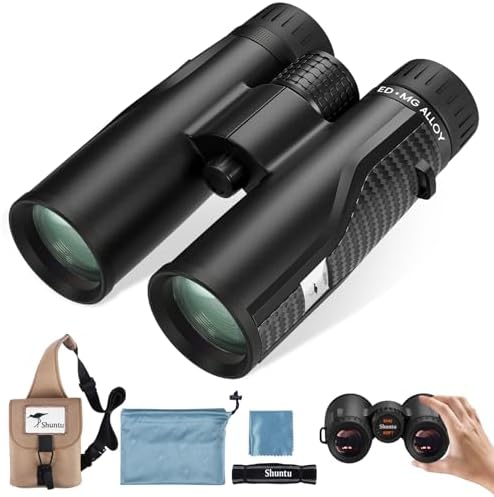
Best Binoculars for Hunting under $400 in 2026: Complete Buying Guide
Disclosure: We may earn a commission when you buy through links on this page, at no extra cost to you. As an Amazon Associate I earn from qualifying purchases. Learn more

Choose the best binoculars for hunting under $400 by magnification, lens size, field of view and sealing, with a checklist for woods, fields and low light.
Most game moves at first light or near dusk, when a dim or blurry view costs you the few seconds you need. The best binoculars for hunting under $400 give you bright glass, steady handling and sealing you can trust in cold or wet weather. This guide shows you how to judge each factor.
Your ground should drive the choice. Thick woods call for a wide view at close range, while open fields reward more reach and a brighter image at distance. The sections below match magnification, lens size, glass and build to the way you hunt.
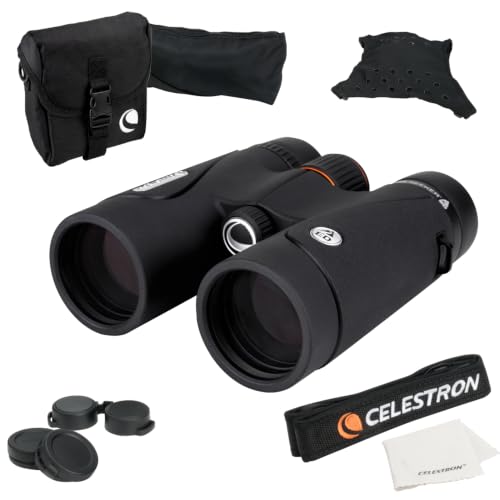


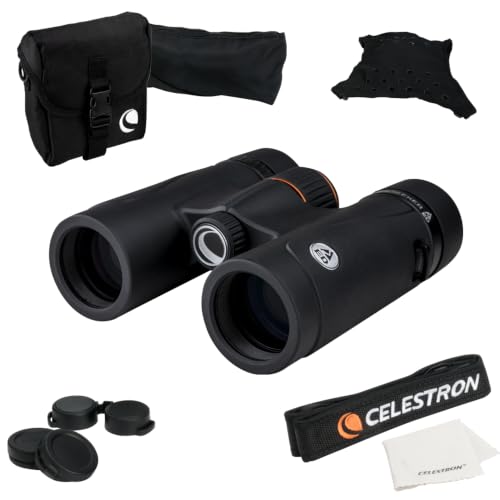


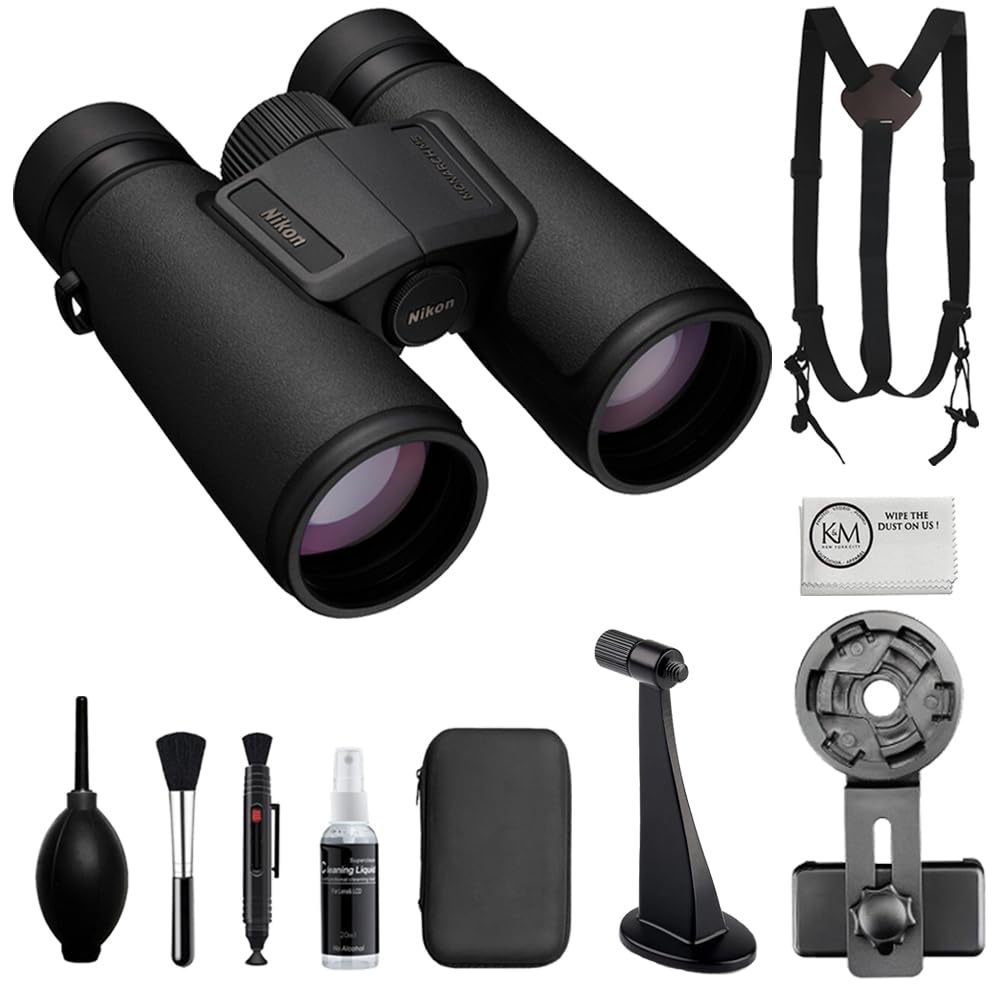

Who Should Buy Hunting Binoculars in This Price Class?
Buyers in this class want serious field glass without premium prices. Your hunting style, your usual range and how far you walk will narrow the field faster than any single spec.
Whitetail Hunters in Woods and Small Fields
You watch edges, trails and feed areas at about 40 to 200 yards, often in shade. An 8x42 model suits you best, because the wider view helps you find an ear flick or antler tip among branches. Modest weight matters less than a bright image and a focus wheel you can turn slowly with gloves on.
Western Hunters Who Glass Open Country
You scan basins and hillsides for long periods and judge animals well beyond 400 yards. A 10x42 model gives you the extra reach to sort size and shape before you plan a move. You will feel more hand movement at 10x, so brace your elbows on your knees or a pack. Bright glass matters most in shadow early and late.
Hunters Who Walk Far and Pack Light
You climb, still hunt or move between stands all day, and every ounce competes with water and layers. A compact 8x32 or 10x32 model cuts weight and bulk in your pack or chest harness, but it gives up some brightness at dusk. If hunting is only part of your use, see our guide to the best binoculars under $400 for general use models at the same ceiling.
Key Features to Compare
Compare these factors in order, because the best binoculars for hunting under $400 balance all of them rather than winning on one number.
Magnification and Steadiness in the Field
Magnification tells you how much closer an animal appears. An 8x view is easier to hold steady, shows more of the scene and stays bright in low light, which suits woods and moving game. A 10x view adds detail for judging antlers at distance, but it narrows the view and magnifies every tremor in your hands. A 12x model is hard to hold still without support and often looks dim at dusk in this class.
Objective Lens Size and Brightness at Dawn and Dusk
The second number in 8x42 is the objective lens size in millimeters, and larger front lenses gather more light. Divide lens size by magnification to get the exit pupil, so an 8x42 gives you about 5.3 mm and a 10x42 gives you about 4.2 mm. A larger exit pupil looks brighter as light fades, because your own pupil opens in dim conditions. A 50 mm lens gathers still more light, but it adds weight many walk in hunters dislike.
Field of View for Finding and Following Game
Field of view is the width you can see at 1,000 yards, stated in feet. A typical 8x42 shows about 330 to 390 feet, while a typical 10x42 shows about 300 to 350 feet. That extra width helps you pick up movement at the edge of a clearing and keep a walking animal in view. A narrow view makes that search longer.
Glass, Prisms and Lens Coatings
Clear glass is where this price class earns its keep. Look for extra low dispersion glass, often marked ED, which reduces color fringing around antlers against a bright sky. Phase coated roof prisms sharpen contrast, and fully multi coated lenses pass more light through each glass surface instead of losing it to reflections. Two 10x42 models can look very different at dusk for this reason.
Weather Sealing, Armor and Focus Controls
Hunting glass must survive dew, drizzle and cold mornings without fogging inside. Choose a body sealed against water and filled with nitrogen or argon, with rubber armor that guards against knocks and gives your gloves grip. The center focus wheel should turn smoothly without stiff spots, and the diopter ring should hold its setting. Twist up eye cups with firm stops help you keep the right eye position, with or without glasses.
Types of Hunting Binoculars and What $400 Buys
At around $400 you can expect ED glass on many models, solid sealing and coatings once limited to costlier glass. If your ceiling is lower, see our guide to the best hunting binoculars under $300 for the tradeoffs there. If you can stretch, see our guide to the best hunting binoculars under $500 and our guide to the best hunting binoculars under $1000 to judge what extra money adds.
Full Size Roof Prism Binoculars for Most Hunters
Roof prism models have straight barrels, so they pack neatly in a chest harness and slide into a pack without catching. Most 8x42 and 10x42 hunting models use this design, and at this price they offer the best mix of sealing, glass quality and handling. They cost more to make well than porro models, which is why coatings and prism treatment matter so much when you compare them.
Porro Prism Binoculars for Value and Depth
Porro prism models have offset barrels and a wider stance, which gives the view a strong sense of depth. They can deliver bright, clear glass for less money, because the design is simpler to build. The trade is bulk, since the wider body fits fewer harnesses and catches more brush. Sealing quality varies more in this design, so check the water protection rating with care before you choose one.
Compact Binoculars for Long Walks
Compact models use 25 mm to 32 mm front lenses and often weigh about 10 to 20 ounces, against about 22 to 28 ounces for a full size 42 mm model. They suit turkey hunting, scouting and midday still hunting. Their smaller exit pupil looks dimmer at dawn and dusk, and their smaller focus wheels can feel fussy with gloves.
Common Mistakes to Avoid
These errors waste money or cost you animals in the field.
- Choosing 12x or higher power for freehand use leaves you with a shaky view that hides detail.
- Judging brightness by lens size alone ignores coatings, so a dim 10x50 can lose to a bright 10x42.
- Buying a narrow field of view for woods hunting makes you search for game that moved a few steps.
- Ignoring eye relief when you wear glasses leaves you with a small, dark circle instead of the full view.
- Skipping a chest harness leaves the binoculars swinging and staying in the truck when you need them.
- Checking only at midday in a bright store hides weak low light glass that will fail at first light.
Setup and Care Tips for Hunting Binoculars
Set the fit before your first hunt. Fold the barrels until you see one clean circle with no dark edges, then set the diopter by focusing the left eye with the center wheel, covering the right lens, and adjusting the right eye with the diopter ring alone.
Clean lenses with air first, then a clean lens cloth in small circles, because grit dragged across coated glass can scratch it. Keep lens covers on in brush, and store the binoculars dry in a padded case away from heat in a vehicle. Check the strap, hinges and eye cups before each season, and have a professional service a body with internal fog.
Frequently Asked Questions
Can you get good binoculars for hunting under $400?
Yes, you can get good hunting binoculars at this price, with bright coated glass and reliable sealing for most seasons. Spend on glass and sealing first and accept a plainer case or strap. Also check warranty terms, because coverage varies a lot in this class.
What features matter most in binoculars for hunting?
Brightness, sealing and a view you can hold steady matter most for hunting. Beyond the body factors above, notice how the binoculars feel at dawn, because a slick focus wheel can slow you down with gloves. A quiet, matte finish also helps, since a glossy body can flash in sun and catch an animal eye.
Are 10x42 binoculars better than 8x42 binoculars for hunting deer?
Neither size is better for every deer hunter, and your cover decides the answer. Choose 10x42 if you judge deer across fields, where extra detail helps you count points before a deer feeds out of view. Choose 8x42 if most sightings fall inside 150 yards, where a wider and steadier view finds deer faster among trees.
How much should a new hunter spend on a first pair of hunting binoculars?
A new hunter should spend enough to get sealed, fully multi coated glass, which often means about $200 to $400. Spending less can work for casual sits, but dim glass tends to push new hunters to upgrade within a season or two. Set part of the budget aside for a chest harness, because a good harness keeps the binoculars on your body all day.
What does 8x42 or 10x42 mean on hunting binoculars?
The first number is magnification and the second is the front lens size in millimeters, so 10x42 makes an animal look ten times closer through 42 mm lenses. Use the numbers to picture distance, because a deer at 200 yards looks as if it stood about 25 yards away through an 8x model. That math helps you judge whether a far animal is worth a closer look on foot.
Wrapping Up
Start with your ground and your light. Woods hunters should favor an 8x42 with a wide view, open country hunters should favor a 10x42 with the best glass they can afford, and walk in hunters should weigh a compact pair against its dimmer dusk view.
When you compare best binoculars for hunting under $400 with those points in mind, the right pair is usually clear. Use the product table above to confirm size, weight and price, and choose the pair you will carry on every hunt.