Best Binoculars under 150 of 2026: Complete Buying Guide
Disclosure: We may earn a commission when you buy through links on this page, at no extra cost to you. As an Amazon Associate I earn from qualifying purchases. Learn more

A clear guide to best binoculars under 150, covering exit pupil, glass coatings, focus wheel feel, types, care and the budget bands worth your money.
A budget of 150 dollars buys a genuinely useful pair of binoculars, but only if the money lands on glass and mechanics instead of decoration. Shoppers comparing best binoculars under 150 usually want one pair that can handle birding at the park, a seat high in a stadium, and travel. This guide explains which numbers govern value at this price and which corners makers cut.
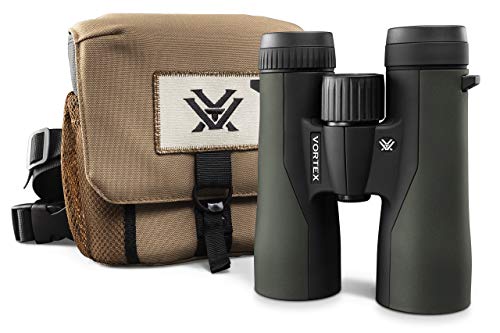
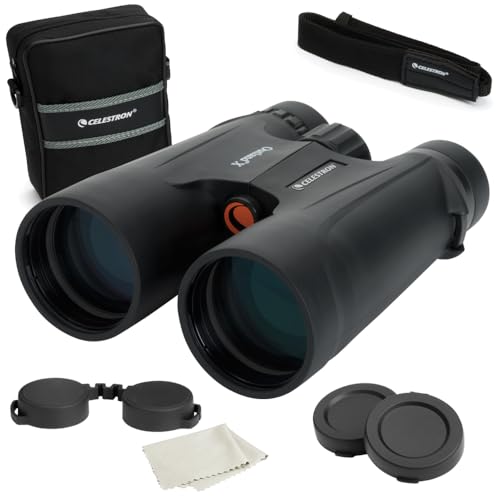
The comparison table below gathers the current field, so you can match each class against the checks that follow. Read the buying guide first, then use the table to confirm exit pupil, coatings, and sealing before you order.




What This Budget Buys You
Prices in this class cluster into three bands, and each band trades a different corner. Knowing which band fits your outings matters more than any single spec, because the jump between bands buys coatings and sealing rather than raw power.
A similar budget means very different things in other aisles of the store. Guides to best watches under 150 cover a wrist worn timepiece class, judged on movement and strap rather than on glass. Guides to best monitors under 150 cover a desk display class, judged on panel and ports, and that class says nothing about binocular optics.
Entry Band: Simple Glass for Casual Outings
Pairs around $60 to $100 keep costs down with partly coated lenses, simpler prism glass, and housings that shrug off a light drizzle but not a soaking. The view is fine in bright daylight at a ball game or a beach, and the light weight suits kids and occasional users. Readers trimming the budget further can compare best binoculars under $100, where the same checks apply with thinner coatings and plainer mechanics.
Middle Band: Where Most Buyers Should Land
Pairs around $100 to $130 usually step up to fully multi coated lenses, better prism glass, and a smoother center focus wheel. Colors look cleaner, the image holds contrast when you look toward the light, and the housing feels tighter in the hand. This is the band where birders and hunters on a budget get the most honest return.
Top Band: Near the Ceiling of This Budget
Pairs around $130 to $150 add phase coated prisms, nitrogen purging against internal fog, and metal focus wheels with a firmer feel. The gains are real but smaller, mostly brighter edges and better sealing for wet climates. Shoppers who can stretch past this ceiling can compare best binoculars under $200, and readers planning a much larger step can compare best binoculars under $500, where ED glass becomes common.
How to Choose: The Specs That Matter
Sorting the field of best binoculars under 150 comes down to five checks, and the order matters. Start with the beam of light the pair hands to your eye, then judge the glass, then the wheel your fingers will use every day.
Exit Pupil Governs Value at This Price
Exit pupil is the width of the light beam that reaches your eye, found by dividing the objective size by the magnification. An 8x42 pair gives an exit pupil of about 5.3 mm, while a 10x42 pair gives about 4.2 mm, and that gap decides how bright the view feels at dawn and dusk. Exit pupil governs value in this class because makers hold magnification steady and save money on glass instead, so the beam width is the honest brightness figure.
Glass Quality Is a Coating Story
At this price, glass quality is read through its coatings. Coated means some surfaces carry an anti reflective layer, fully coated means all of them do, and fully multi coated means every surface carries several layers. Each step keeps more light moving forward instead of bouncing around as glare, so a fully multi coated pair looks brighter than its numbers suggest. Prism glass matters too: BaK 4 passes a rounder, cleaner beam than the cheaper BK 7.
The Focus Wheel Decides Daily Feel
The center focus wheel is the part you touch most, so its travel and smoothness shape how the pair feels in use. A good wheel moves from close focus to distance in about one full turn, with even resistance and no rough spots. Check the diopter ring on the right barrel too, since it balances the pair to your two eyes and should stay put once set.
Magnification and Objective Size
The first number is magnification and the second is the objective lens width in millimeters, so 8x42 magnifies eight times through 42 mm front lenses. Higher power shows more detail but narrows the field of view and magnifies hand shake, which is why 8x suits scanning woods and 10x suits open water and fields. A wider field, printed in feet at 1,000 yards, helps you find and follow moving subjects.
Size, Weight, and Ergonomics
Full size pairs at this price usually weigh about 20 to 28 ounces, light enough for an hour around the neck but noticeable on a long hike. Rubber armor adds grip with gloves and guards against knocks on a trail gate or a boat rail. The barrels should feel balanced in the hand rather than front heavy.
Eye Relief and Weather Sealing
Eye relief is the distance your eye can sit behind the eyepiece and still see the whole field, and glasses wearers should look for about 15 mm or more. Waterproof pairs are sealed with rings and purged with nitrogen, while water resistant pairs only shed splashes, so read the wording closely. Fogproofing matters on cold mornings when you step from a warm car into damp air.
Types of Binoculars
The product table above groups the three common shapes side by side, and each shape suits a different kind of outing.
Porro Prism Binoculars
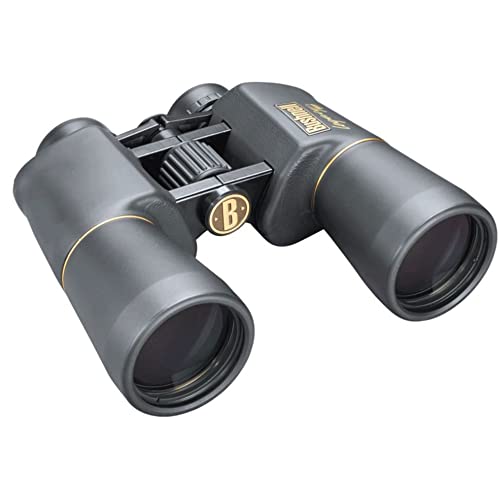
Porro prism pairs have the wide, offset barrels of the classic binocular shape, and the spaced objectives give a strong sense of depth. They often deliver a bright view for the money because the design is cheaper to build well. The cost is bulk: they take more room in a bag and their shape can feel clumsy with small hands.
Compact Binoculars
Compact pairs shrink the objectives to about 25 mm, folding small enough for a coat pocket or a glove box. An 8x25 pair gives an exit pupil of about 3.1 mm, so the view dims quickly at dusk compared with a full size pair. In bright daylight at concerts, races, and city travel, that trade is easy to accept.
Full Size Binoculars
Full size pairs use objectives of about 42 mm in a straight roof prism body, and they are the default shape for birding and hunting. The bigger lenses gather the light that keeps dawn and dusk views usable, and the straight body slides in and out of a harness quickly. They weigh more than compacts but less than the big 50 mm glass meant for tripods.
Care and Maintenance Tips
- Blow loose grit off the lenses first, then wipe with a clean microfiber cloth, since rubbing dry dust across a coating can scratch it.
- Store the pair in a dry, padded case with the lens caps on, away from radiators and sunny windowsills.
- Use the neck strap or a chest harness on every outing, because most binocular damage comes from drops, not wear.
- Keep a small silica gel packet in the case if you live in a humid climate, and let a rain soaked pair air dry before casing it.
- Never open the housing or wipe inside surfaces; if fog appears inside, the seals need a service visit rather than home repair.
Binoculars: Your Questions Answered
Can you get a good pair of binoculars under $150?
Yes, a good pair is realistic under $150, especially in the middle band where fully multi coated glass is common. The honest limits are edge sharpness, performance in deep dusk, and build refinement rather than basic clarity. One point buyers overlook is sample variation, so order from a seller with an easy return window and check the focus wheel and both barrels the day the pair arrives.
How much should a first pair of binoculars cost?
Most first pairs land around $80 to $130, which covers coated or fully multi coated glass and a housing that survives normal use. Spending less often means dimmer glass that frustrates a new birder, while spending more mainly buys refinement. Keep a little of the budget aside for a padded chest harness, since a comfortable carry makes you bring the pair along more often.
What does 8x42 or 10x42 mean on a pair of binoculars?
The first number is magnification and the second is the objective lens width in millimeters, so a 10x42 makes subjects look ten times closer through 42 mm front lenses. The same scheme applies to compacts, where an 8x25 pairs eight power with small 25 mm lenses. A printed third figure sometimes appears in listings as the field of view in degrees, and multiplying degrees by about 52 converts it to feet at 1,000 yards for easy comparison.
Which binoculars are better for low light, 8x42 or 10x42?
An 8x42 is usually better for low light because its wider exit pupil, about 5.3 mm against about 4.2 mm, feeds more light to your eye. Coatings matter at dusk too, since a fully multi coated 10x42 can look closer to a plainly coated 8x42 than the numbers suggest. Age plays a part as well: pupils open less widely as we get older, so a mature birder gains less from a very wide beam than a young one does.
Is a smartphone camera enough instead of binoculars?
No, a smartphone camera is not enough for sustained watching, because its zoom is mostly a digital crop that softens detail quickly. Binoculars give both eyes a direct optical view with real depth, which makes following a moving bird or a distant boat far easier. A phone also drains its battery and heats up during long sessions at a game or a shoreline. Keep the phone for photos after you find the subject through the glass.
Wrapping Up
The checks that matter most are exit pupil, coatings, and the feel of the focus wheel, in that order. Choose the band that matches your light and your weather, pick the shape that fits your carry habits, and the best binoculars under 150 for your outings will be easy to spot. Compare your shortlist against the product table above before you order.