
Best Binoculars for Viewing for 2026: Match the Pair to Your Routine
Disclosure: We may earn a commission when you buy through links on this page, at no extra cost to you. As an Amazon Associate I earn from qualifying purchases. Learn more

Find binoculars for viewing that fit your routine, with clear guidance on magnification, lens size, field of view, eye relief, weight and weather sealing.
There is no single pair that suits every kind of viewing. A pair that feels perfect for scanning a lake shore can feel bulky on a city walk and too narrow for a ball game. The best binoculars for viewing are the ones matched to the distance you cover, the light you view in and the time you spend holding them, and the comparison table below lets you check that match at a glance.
Start with your most common outing rather than your most ambitious one. Note how far away your subjects usually are and how long you hold the binoculars up at one time. Those answers will point you to the right power, size and weight below.
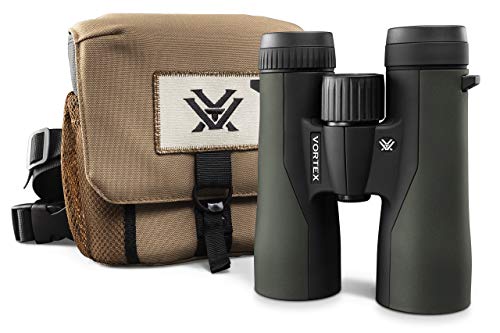


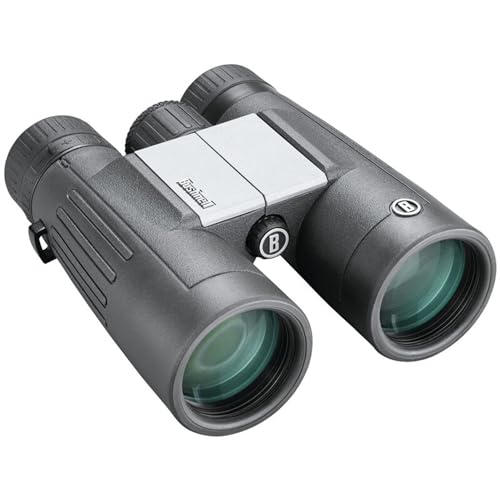


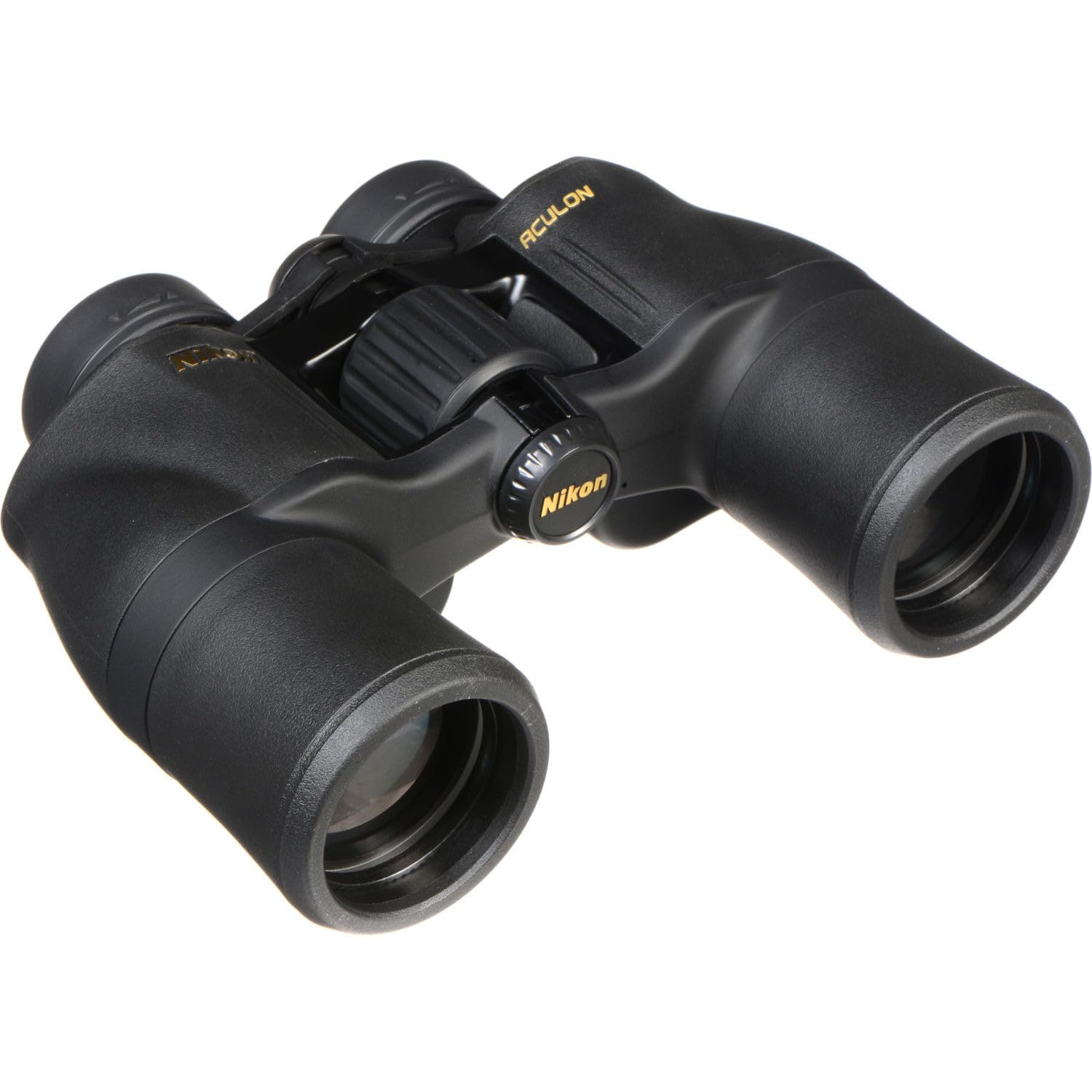
Who Should Buy Which Binoculars?
Your routine decides which trade offs matter. Stronger power, a larger lens and a wider view each add something, and each also adds weight, cost or shake you will feel in regular use.
Nature Watchers Who View Wildlife and Open Landscapes
You sit or stand in one place and scan slowly, often at dawn or near dusk when animals are active. Choose 8x42 or 10x42 binoculars with a wide field of view so you can find a moving bird or deer without hunting for it. A close focus of about 6 to 8 feet helps when a bird lands nearby, and weather sealing matters because dew and drizzle are part of the routine.
Travelers and Sightseers Who Carry Binoculars All Day
You view landmarks, harbor scenes and street detail between long stretches of walking, so weight shapes your day more than raw power does. A compact or mid size pair at 8x25 or 8x32 stays steady and fits in a jacket pocket or a small day bag. If your trips center on the city, see our guide to the best binoculars for city viewing for choices shaped by buildings and shorter distances.
Sports and Stage Viewers Who Follow Fast Action
You track movement across a field, a track or a stage, and you need to find the action again quickly after looking away. Choose 8x power over 10x power, because the wider field keeps more of the play in view and hides small hand movements. A smooth center focus wheel matters too, since you refocus often as play moves toward you and away.
Key Features to Compare
Compare these factors in order, because the first two set the character of the pair and the rest refine comfort and clarity. That balance is what separates the best binoculars for viewing from a pair bought on power alone.
Magnification and How Steady the View Feels
Magnification tells you how much closer a subject appears, so 8x makes a distant sign look eight times closer. Higher power also magnifies every tremor in your hands, narrows the field of view and often dims the image in a pair of the same lens size. Most general viewers do best with 8x for handheld use, while 10x suits viewers who watch distant subjects from a supported position. Power above 10x usually calls for a tripod and is a poor default for everyday viewing.
Objective Lens Size, Brightness and Exit Pupil
The second number in 8x42 is the objective lens diameter in millimeters, and a larger lens gathers more light for a brighter view at dawn, at dusk and under trees. Divide that number by the magnification to get the exit pupil, so an 8x42 pair gives about 5.25 mm. A larger exit pupil feels brighter and is easier to line up with your eyes, but larger front lenses need a larger and heavier body.
Field of View and Close Focus for Finding Subjects
Field of view is the width of the scene you can see at a set distance, often listed in feet at 1,000 yards. A wider field makes it far easier to locate a subject and follow it as it moves, which is why it matters more than extra power for most viewing. Close focus is the shortest distance at which the pair still focuses sharply. A rating near 6 feet opens up garden birds and insects, while a longer rating limits you to distant scenes only.
Eye Relief, Eyecups and Fit for Glasses
Eye relief is the distance your eyes can sit from the eyepieces while you still see the whole field, and glasses wearers usually need about 15 to 19 mm to keep the full view. Twist up eyecups let you set that distance in steps and return to it each time. Also check the hinge range for interpupillary distance, because the two barrels must line up with your eyes to form one round image, and a poor match shows dark edges.
Glass, Lens Coatings and Weather Sealing
Clear glass and good coatings shape contrast and color more than headline power does. Fully multi coated optics reduce glare and keep detail in sun and shade, and roof prism pairs benefit from phase coated prisms for sharper edges. Weatherproof pairs are sealed with O rings and filled with nitrogen to resist internal fog when you move between cool air and warmth. Rubber armor adds grip and some protection from bumps in a bag.
How to Match Size and Power to Your Viewing Distance
Full size binoculars, usually 42 mm or 50 mm lenses, give the brightest view for long sessions in one place. They suit porches, blinds, boats and shore viewing, where you carry them a short way and then settle in. For wide water and distant shoreline detail, see our guide to the best binoculars for ocean viewing.
Mid size pairs around 32 mm and compact pairs around 25 mm trade some brightness for a much easier carry, a trade worth making when the pair must come with you all day. On sand and in salt air, protection from spray matters as much as size, so see our guide to the best binoculars for beach viewing before you choose a travel pair.
Common Mistakes to Avoid When Buying Binoculars
Most regrets come from buying for a single headline number instead of for the routine the pair must serve.
- Choosing the highest magnification on offer makes the view shake and narrows the scene so subjects are hard to find.
- Ignoring eye relief leaves glasses wearers seeing only the center of the field through a dark ring.
- Buying a full size pair for travel leaves it at home because it is too heavy to carry all day.
- Skipping weather sealing lets moisture fog the inside of the lenses on a cool morning outdoors.
- Judging clarity only in bright store light hides weak coatings that wash out detail in shade and glare.
Setup and Care Tips
Set a new pair up once and it will feel right every time you lift it. Open the hinge until the two views merge into one circle, set the eyecups for your eyes or your glasses, then cover the right lens, focus on a distant object with the center wheel, and adjust the diopter ring for the right eye. Note that setting so you can restore it later.
Clean lenses only with a soft lens cloth or a blower, never with a shirt, because grit in fabric can scratch the coatings. Keep the caps on between uses and store the pair in a dry padded bag away from heat. If it gets wet, let it dry at room temperature with the caps off first.
Binoculars: Your Questions Answered
What features matter most in binoculars for general viewing?
A comfortable match to your main distance matters most in binoculars for general viewing. Start with 8x power, a wide field of view and a weight you can hold for several minutes without tiring. One useful test is to time how long you can hold a borrowed pair steady, because a pair that feels fine for ten seconds can feel very different after a full minute.
What does 8x42 or 10x42 mean on binoculars?
On binoculars, 8x42 means the view appears eight times closer through lenses that are 42 mm wide at the front. The 10x42 version brings subjects closer, but it shows a narrower slice of the scene and a dimmer image in low light. If you view from a boat or a moving vehicle, 8x42 is usually safer, because outside motion adds to your own hand movement.
How much should I spend on a first pair of binoculars?
Plan on about $80 to $150 for a first pair of binoculars that you will keep for years. Pairs under about $50 often cut corners on coatings and focus smoothness, which shows up as dim edges and a wheel that sticks. Spending about $150 to $300 mainly buys clearer glass and better sealing. Set a little aside for a good strap and case as well.
Is a smartphone enough instead of binoculars for viewing distant subjects?
No, a smartphone is not enough instead of binoculars for viewing distant subjects in detail. Phone zoom is mostly digital cropping, so a bird or a sign quickly turns soft and blocky on screen. Binoculars use real optical magnification for both eyes, which gives depth and a clearer view. A phone still wins for sharing a quick photo, so many viewers carry both.
What binocular specs matter most for beginners choosing a first pair?
Forgiving specs matter most for beginners choosing a first pair of binoculars. A moderate 8x power, a lens of 32 mm to 42 mm and a weight under about 25 ounces keep early outings comfortable. One point new buyers miss is the hinge range, because a pair shared with a child or a smaller adult must adjust narrow enough to give that viewer one clean image.
Our Verdict
Choose by routine first and by numbers second. Decide where and how far you will view most often, pick 8x or 10x power and a lens size that fits that light, then confirm eye relief, field of view and weight in your hands. Use the product table above to compare those points before you order.
When you shop for best binoculars for viewing with that order in mind, the right pair is usually the one you forget you are holding. It finds the subject quickly, stays comfortable, and comes along on the next outing without a second thought.


