
Best Binoculars for Ocean Viewing for 2026: What Your Money Really Gets You
Disclosure: We may earn a commission when you buy through links on this page, at no extra cost to you. As an Amazon Associate I earn from qualifying purchases. Learn more

Compare binoculars for ocean viewing by price, magnification, lens size, field of view, and waterproofing so you can choose well for shore and boat use.
Ocean binocular prices stretch from under $50 to well over $500, and the gap is not always obvious from the box. Glass quality, sealing, and field of view change a lot between tiers, while a bigger magnification number may add little. Choosing the best binoculars for ocean viewing starts with how you will watch, from solid ground or from a moving deck, and the comparison table below sums up the main options.
This guide sorts spending into clear tiers and shows which upgrades earn their cost at dawn, at noon glare, and at dusk.
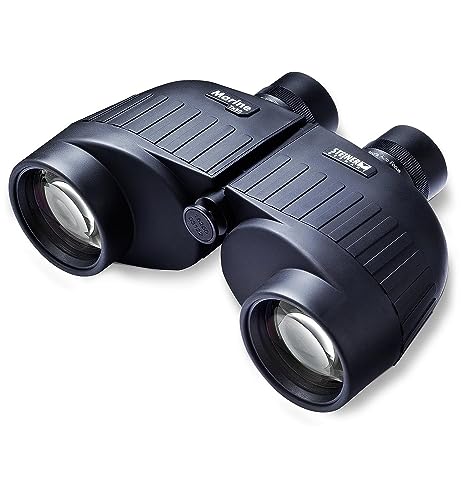

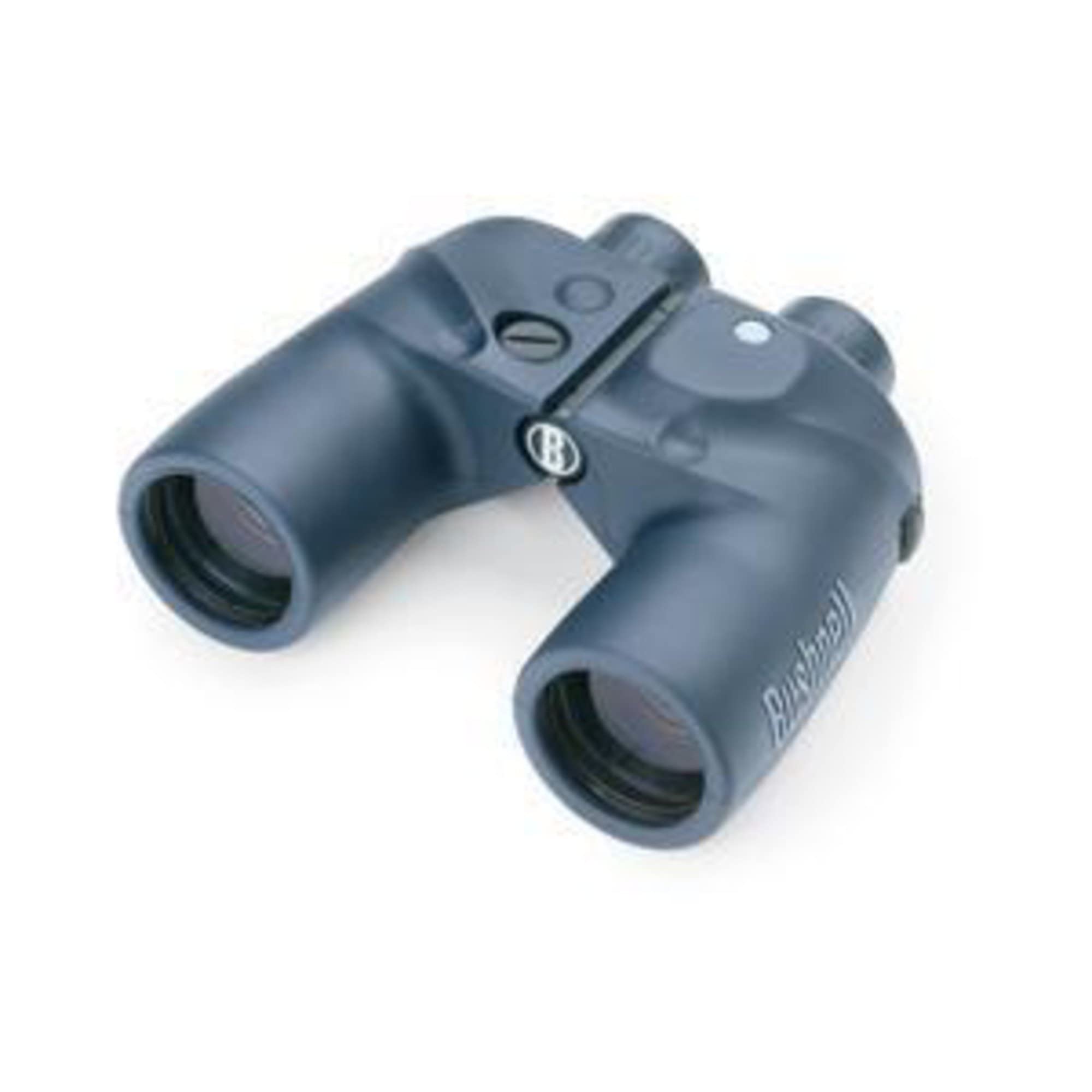
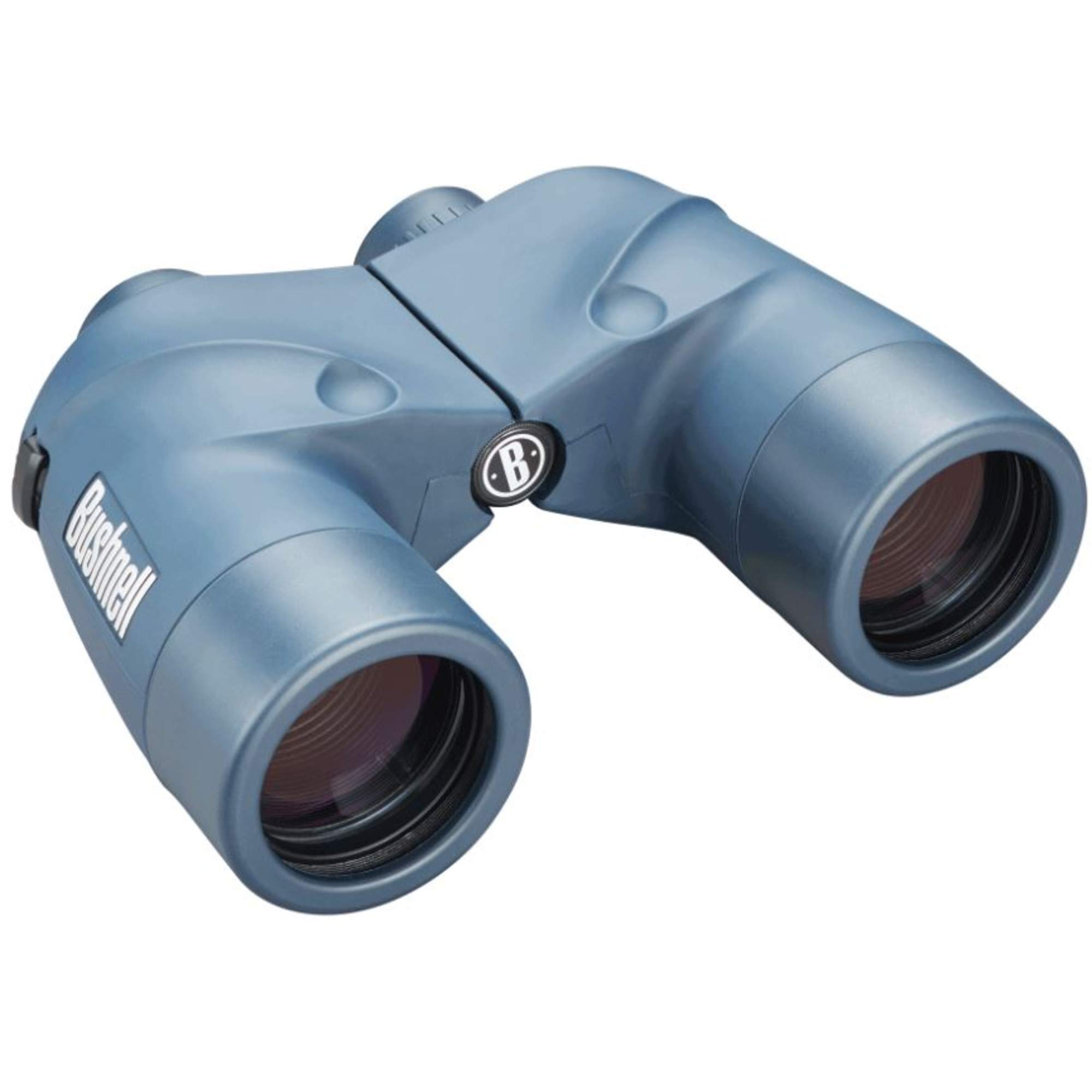


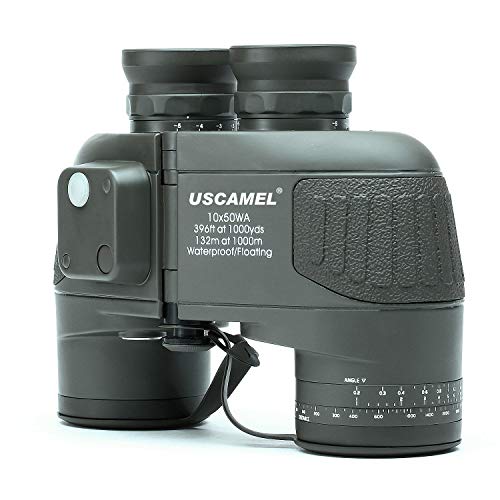

Who Should Buy Binoculars for Ocean Viewing
Distance, motion, and light change with your spot, and each group below needs a different balance of power, brightness, and weight.
Shore Watchers at Piers, Balconies, and Cliffs
You stand on steady ground, so you can handle more magnification and weight than someone on a boat. An 8x42 or 10x42 pair suits most shore watching, bringing distant ships and harbor activity close through a long session. A wide field of view helps you find a moving subject and follow it without losing it at the edge.
Boat, Ferry, and Sailing Passengers
Motion is your main limit. Every sway of the deck is magnified along with the view, so a 7x50 or 8x42 pair feels steadier than a stronger model that shakes too much to read a buoy number. Sealed, fogproof construction matters most for you, because spray and moves between a warm cabin and cool air are normal.
Whale Watchers and Coastal Wildlife Fans
You scan wide water for a brief fin or spout, often in soft early or late light. Bright glass, a wide field of view, and smooth focus matter more than extreme power, because the animal appears without warning and moves on quickly. See our guide to the best binoculars for viewing wildlife for more coastal ideas.
Key Features to Compare
Six factors decide most of what you will see, so work through them in this order.
Magnification and Steadiness on Moving Water
Magnification is the first number in a name like 8x42, and it tells you how much closer a subject appears. For ocean use, 7x or 8x is the practical choice on boats, because lower power shakes less and keeps a wider scene in view. A 10x pair helps from shore for detail on a distant ship, but the image moves more in wind, and 12x often disappoints on water.
Objective Lens Size, Exit Pupil, and Low Light
The second number, such as 42 or 50, is the front lens diameter in millimeters, and bigger front lenses gather more light. Divide it by the magnification to get the exit pupil, so an 8x42 gives about 5.25 mm and a 7x50 gives about 7 mm. A larger exit pupil keeps the image brighter at dawn and dusk. The trade off is bulk, because 50 mm models are heavier to hold.
Field of View for Scanning the Horizon
Field of view describes how wide a scene you see at a set distance, often listed in feet at 1,000 yards or in degrees. A wider view makes scanning easier, because you can sweep the horizon, catch movement at the edge, and move smoothly onto the subject. Narrow views make it hard to relocate a dolphin that surfaced once and vanished, so treat width as a core feature, especially at 10x.
Waterproofing, Fogproofing, and Salt Air Protection
True ocean binoculars should be sealed against water and filled with dry nitrogen so the inside does not fog when temperatures change. Look for clear waterproof and fogproof wording rather than a vague weather resistance claim, which may only mean light rain protection. Rubber armor gives grip with wet hands. That is why the best binoculars for ocean viewing are built for spray first, not treated as fair weather optics.
Lens Coatings, Prism Glass, and Glare Control
Bright water throws strong glare back at your eyes, and coatings keep that glare from washing out contrast and color. Fully multicoated lenses pass more light and show cleaner detail on white sails, gray hulls, and dark rocks. Better prism glass and phase coatings in roof prism models sharpen edges further, most visibly at midday, where cheap glass turns hazy.
Eye Relief, Weight, and Comfort for Long Sessions
Eye relief is the distance your eye can sit from the eyepiece and still see the full view, and about 15 mm or more helps if you wear glasses. Adjustable eyecups let you set that distance quickly when you share the pair. Weight matters over an hour of scanning, so consider a padded strap or chest harness for heavier 50 mm models, which can tire your neck.
What Each Price Tier Gets You for Shore and Sea Viewing
Price tiers here map fairly well to glass, sealing, and build quality.
Budget Tier: Simple Glass for Casual Shore Use
At around $40 to $100, expect basic coatings, narrower fields of view, and housings that may resist light rain without being fully sealed. These pairs suit occasional pier visits and vacation balconies, as long as you accept dimmer dawn views, softer edges, and a possibly stiff focus wheel. See our guide to the best binoculars for beach viewing.
Midrange Tier: Brighter Optics and True Sealing for Regular Trips
At about $100 to $300, you typically gain fully multicoated glass, real waterproof and fogproof sealing, wider fields of view, and smoother focus. The image stays bright in changing light, the housing handles spray without worry, and eye relief improves for glasses wearers. If you watch most months of the year, this tier usually gives the strongest value for money.
Premium Tier: Wider Views, Sharper Edges, and Steadier Images
Above about $300, spending buys refinement rather than a new category of feature. Expect higher grade glass that controls color fringing, very wide and flat fields, tough housings, and in some models built in image stabilization that calms shake on a boat. These gains matter if you watch often, while casual viewers may fairly stop lower.
Long term costs stay modest. A padded strap or hard case may cost around $20 to $50, and a longer warranty has value, because a failed sealed housing is rarely a home repair.
Common Mistakes to Avoid
- Choosing 12x or higher magnification for boat use, so deck motion turns the view into constant shake.
- Buying a compact 25 mm pair as your only ocean binocular, so the small exit pupil leaves dawn and dusk views too dim.
- Trusting a vague weather resistant claim instead of full waterproof sealing, so spray or a brief dunk ends the life of the binoculars.
- Ignoring field of view when comparing models, so you struggle to follow whales and moving boats.
- Skipping the glasses test and buying short eye relief, so you see only the center of the image with glasses on.
- Leaving binoculars loose in a beach bag without caps or a case, so sand and salt scratch the lenses.
Care and Maintenance for Binoculars Used Near Salt Water
Salt is the main enemy of ocean optics. After a day near spray, wipe the housing with a soft cloth slightly damp with fresh water, then dry it fully before storing. This removes salt crystals that can work into seals and the focus wheel over time.
For the lenses, blow loose sand and salt away first, because wiping grit across glass is how fine scratches happen. Then use a clean lens cloth with a small amount of lens fluid if needed. Never use paper towels or a shirt corner, since both can carry grit.
Store the pair dry with the caps on, away from direct sun and damp boat lockers, with a silica gel packet in the case. Check strap connectors every few trips, and for broader options, see our guide to the best binoculars for viewing or our guide to the best binoculars distance viewing.
Frequently Asked Questions
What features matter most in binoculars for ocean viewing from shore?
For shore use, magnification of 8x or 10x, a wide field of view, and good coatings matter most. Steady ground lets you use 10x productively, and a tripod mount, found on many full size models, helps during long sessions at a harbor lookout. Shore watchers can also accept a heavier pair, so a brighter 10x50 suits a lookout reached by car.
Which magnification is better for ocean viewing in low light?
A 7x50 pair is better for ocean viewing in low light than a stronger, smaller model. Its exit pupil of about 7 mm delivers the brightest image your eye can use at dusk, and lower power stays steadier as contrast drops. An 8x42 is the next best compromise, while very high power models look dimmer through a smaller exit pupil.
How much should I spend on a first pair of binoculars for ocean viewing?
Spending about $100 to $200 is a sound start for a first pair of binoculars for ocean viewing. That range usually buys sealed construction and coatings that survive real coastal use, while cheaper pairs often fall short within a season or two. For a once a year vacation habit, a pair under $100 can still be enjoyable.
Can a smartphone replace binoculars for ocean viewing?
No, a smartphone cannot replace binoculars for ocean viewing in any practical sense. Phone zoom is mostly digital cropping, so a distant ship or whale turns into a soft, pixel filled image, and holding a phone steady on a moving boat is harder than holding binoculars. A phone is fine for a close scene, not for watching at distance.
What binocular specs matter most for beginners watching the ocean?
For beginners watching the ocean, the specs that matter most are an 8x42 configuration, a field of view on the wider side, and confirmed waterproof construction. That combination is forgiving to aim, bright enough for most hours, and light enough to hold while you learn. Check minimum focus distance only for nearby tide pool watching, because most ocean subjects sit far beyond it.
Final Thoughts
Start with where you will stand, because shore and boat use point to different magnification and weight, then weigh brightness and sealing ahead of power. Chosen that way, the best binoculars for ocean viewing will serve you for years, so compare your shortlist against the product table above before you order.


