Best Binoculars for Beach Viewing in 2026: Matching the Right Model to Your Routine
Disclosure: We may earn a commission when you buy through links on this page, at no extra cost to you. As an Amazon Associate I earn from qualifying purchases. Learn more

Pick the best binoculars for beach viewing by routine, with guidance on magnification, glare, waterproofing, sunglasses eye relief, size and price.
There is no single pair that suits every beach day. A parent tracking swimmers near shore, a bird watcher scanning at dawn, and a walker covering miles of boardwalk all need different things. The best binoculars for beach viewing are the ones matched to your routine, and this guide helps you compare options by use first and specs second.
Beach conditions shape every choice that follows. Glare off water, wind that shakes your hands, salt spray, blowing sand, and sunglasses you rarely take off all change which pair feels right. Start with how you watch.



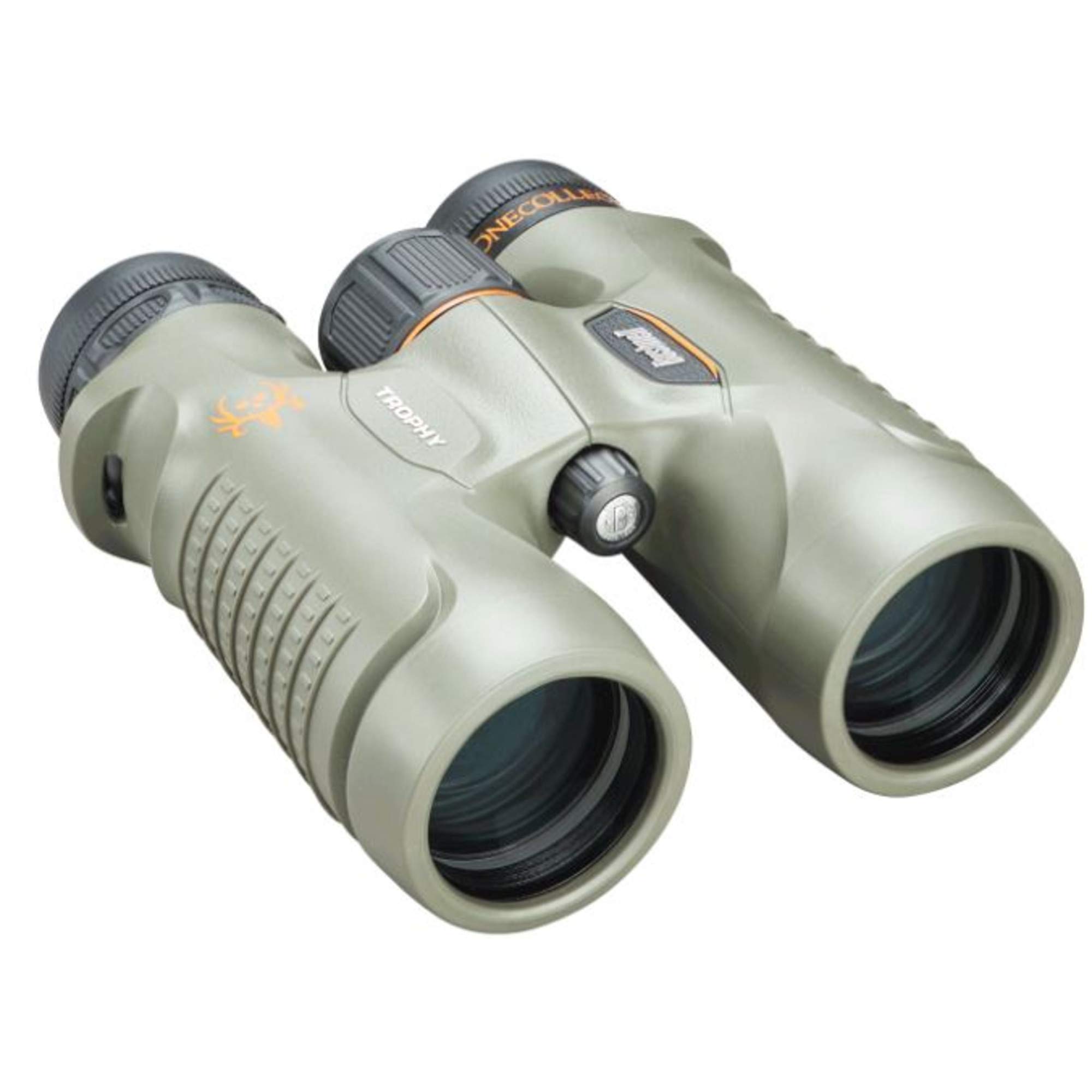


Who Should Buy Which Binoculars for Beach Viewing?
Begin with the watching you do most often. Your distance from the water and how long you carry the pair will point to the right balance of power, size, and sealing.
Families Watching Swimmers and Boats Near Shore
Your subjects move fast and stay fairly close, so a forgiving view matters more than maximum reach. Choose 8x power with a wide field, which makes it easier to find a swimmer again after you look away. A rubber armored body handles drops and wet hands. A bright neck strap helps too, because a dropped pair in sand is easier to spot.
Bird and Dolphin Watchers Along the Shore
You scan the waterline and the sky, often in the softer light of early morning. Choose 10x power if you watch from a pier where you can brace your elbows, and favor a 42 mm front lens for a brighter view at dawn. Smooth center focus lets you follow a bird in flight. For more on optics tuned to animals, see our guide to the best binoculars for viewing wildlife.
Walkers and Travelers Covering a Long Shoreline
You carry your pair for hours, so every ounce counts and a compact shape earns its place in a small bag. A pair around 10 to 14 ounces with 32 mm front lenses suits long walks and travel days. Accept a slightly dimmer view at dusk in exchange for a neck that never aches. A snug case also keeps sand out while the pair rides in a tote.
Key Features to Compare
Compare the factors below in order, and a low price will not hide a pair that fogs or tires your eyes. For a broader overview, see our guide to the best binoculars for viewing in other settings.
Magnification and Lens Size for Beach Scanning
The first number in a label such as 8x42 is magnification, and the second is the width of the front lenses in millimeters. Higher power makes distant ships look closer, but it also magnifies hand shake, which beach wind makes worse. Most beach users do best at 8x, while steady viewers on a pier can enjoy 10x. A 42 mm lens gathers more light than a 32 mm lens, yet it adds size and weight.
Wide Field of View for Scanning Open Water
Field of view describes how much of the scene you see at once, usually stated as a width at 1,000 yards. A wide view helps you sweep a shoreline, find a surfacing dolphin, and keep a moving boat in frame. Narrow views feel tunnel like and make you work harder to locate your subject. If you watch anything that moves, favor the wider figure, because finding the subject quickly matters more than a small gain in reach.
Sealed Body for Salt Spray and Humidity
Look for a body described as waterproof and sealed against internal fogging, often with dry gas filling that keeps moist air out of the barrels. Salt spray and humid sea air can cloud unsealed optics from the inside, and that damage cannot be wiped away. Sealing also slows the fine grit that beach air carries into moving parts. A sealed pair starts with a real advantage here.
Lens Coatings for Bright Glare
Sunlight bouncing off water and wet sand is the harshest light most binoculars ever face. Coatings on the glass cut reflections inside the barrels, which keeps contrast strong when you look toward the light. Fully coated or multicoated glass on all surfaces gives the clearest result, while a single coated surface leaves more glare and washed out color. If you watch at midday, treat good coatings as a core feature.
Eye Relief When You Wear Sunglasses
Eye relief is the distance your eye can sit behind the eyecup while still seeing the whole view. Sunglasses push your eyes farther back, so you need longer relief, around 15 mm or more, to avoid dark edges cropping the scene. Eyecups that twist up and down let you set that distance for bare eyes or shades in seconds. Test this before you buy if you can.
Size, Weight, and Grip for a Full Beach Day
A full size pair near 24 ounces gives a steady hold and a bright view, but it can feel heavy around your neck by afternoon. Compact pairs near 10 to 14 ounces travel better, though their smaller lenses dim sooner at dusk. Textured rubber armor improves grip when your hands carry sunscreen or salt water. Choose the heaviest pair you will still carry gladly.
A Simple Routine for Matching Binoculars to Your Beach Day
Think about where you stand. From dry sand or a blanket, distances to swimmers and near boats are short, and a wide, moderate power view wins. From a pier or a high dune, your subjects sit farther away and extra reach starts to pay. Readers who split time between the bay and open coast can also see our guide to the best beach binoculars.
Scan in a pattern instead of chasing every movement. Sweep slowly from one landmark to the next, pause at each stop, and let your eyes catch motion at the edges of the view. Rest your elbows on your knees or a rail when you can, since a braced hold steadies the image more than any spec figure. Lower the pair between scans to rest your arms.
Distance over water fools most people. A buoy that looks close may sit several hundred yards out, and heat shimmer above warm sand can soften detail at midday. If you mostly watch ships on the horizon, see our guide to the best binoculars for ocean viewing. For typical beach subjects, the best binoculars for beach viewing win on clarity and steadiness rather than raw power.
Common Mistakes to Avoid
- Choosing 12x or higher power for handheld beach use leaves you with a shaky image that wind makes worse.
- Buying an unsealed pair for the shore invites internal fogging that no cloth can fix.
- Ignoring eye relief while you wear sunglasses crops the view with dark edges all day.
- Picking a compact 25 mm pair for dawn watching gives a dim image when light is low.
- Leaving a pair loose in a beach bag lets sand grind across the lenses with every step.
Care and Maintenance After Salt, Sand, and Sun
Blow loose sand off the lenses first, or brush it away with a soft lens brush, because wiping grit across glass can scratch the coatings. Use a clean lens cloth for smears, never your shirt, which often holds the very sand you are trying to remove. If salt spray has dried on the body, wipe it with a cloth dampened in fresh water, then dry the pair.
Store the binoculars in a dry, padded bag away from direct sun, and leave the bag open for a few hours after a humid outing so trapped moisture can escape. Check the strap and its lugs before each trip, because a worn lug drops a pair onto hard ground. Keep the lens caps on when the pair is not at your eyes.
FAQs
What features matter most in binoculars for beach viewing?
Sealing against water and fog, glare control, and a steady handheld view matter most at the beach. One point buyers often miss is the focus wheel itself. A large wheel with a grippy surface turns easily with wet fingers or sunscreen on your hands, and it stays precise when you track a moving subject. A small, stiff wheel slows you down when a dolphin surfaces for only seconds.
What does 8x42 or 10x42 mean on beach binoculars?
The label pairs magnification with front lens width, so 10x42 makes subjects look ten times closer through 42 mm lenses. A useful extra check is exit pupil, which you get by dividing the lens width by the power. An 8x42 pair gives about 5.3 mm, while a 10x42 pair gives about 4.2 mm. The larger figure usually feels brighter during long sessions.
Is a smartphone enough instead of binoculars for beach viewing?
No, a smartphone is not enough for relaxed beach viewing beyond short distances. Phone zoom beyond its optical range crops the image and loses detail, and a bright screen is hard to read in full sun. Holding a phone up also drains its battery and risks a drop into sand. Binoculars give both eyes a steady, shaded view.
How much should I spend on a first pair of beach binoculars?
Plan on about $50 to $100 for a sound first pair with basic sealing and coated glass. The best binoculars for beach trips in this range favor 8x42 or 8x32 sizes, which forgive new hands and cover most subjects. Stepping up to about $100 to $250 usually buys better coatings and smoother focus rather than more power.
Which beach binoculars work better at dawn and dusk?
Beach binoculars with 42 mm front lenses work better at dawn and dusk than compacts with 25 mm lenses. If you can, test a pair in a dim store corner before buying, since your own eyes judge low light comfort quickly. A pair that still shows shadow detail there will serve you well at first and last light.
Wrapping Up
Match the pair to your routine first. Families need a wide and forgiving view, dawn watchers need light gathering size, and walkers need low weight. Then confirm sealing, glare control, and eye relief, and use the product table above to compare pairs that fit.
Chosen that way, the best binoculars for beach viewing become a tool you reach for on every trip. Pick the pair you will carry all day, and the shoreline will give you more to see.