
Best Binoculars for Theater: A Buying Guide for 2026
Disclosure: We may earn a commission when you buy through links on this page, at no extra cost to you. As an Amazon Associate I earn from qualifying purchases. Learn more

Compare opera glasses and compact binoculars for theater by power, field of view, size and price, with plain guidance on seats, lighting and care.
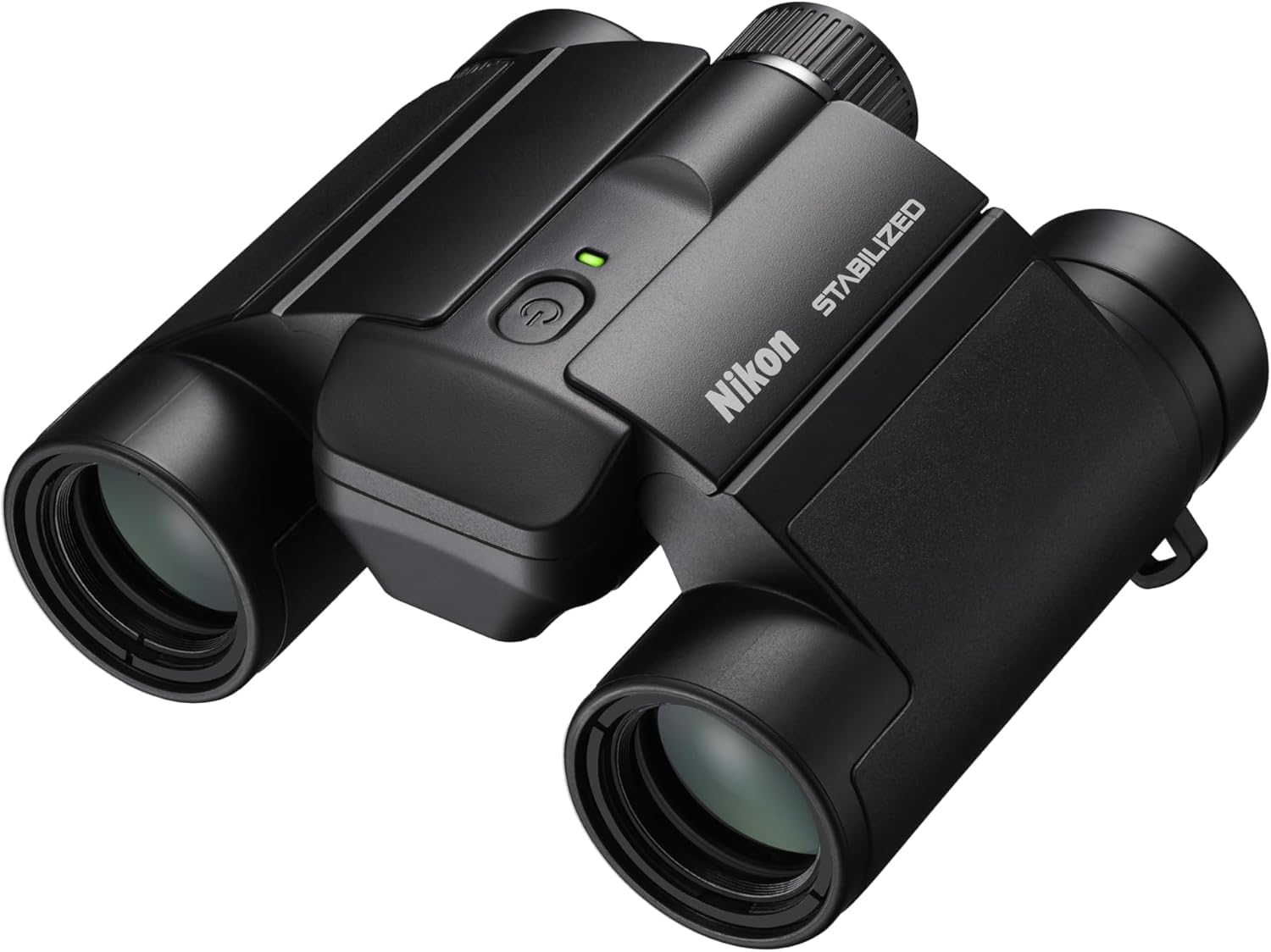
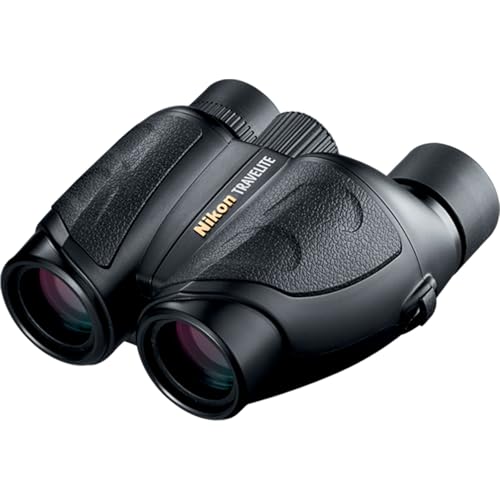
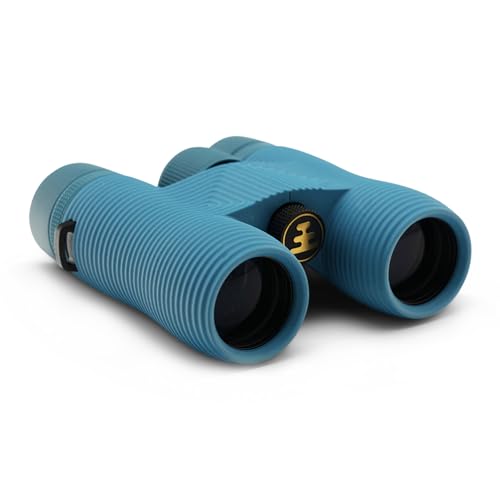
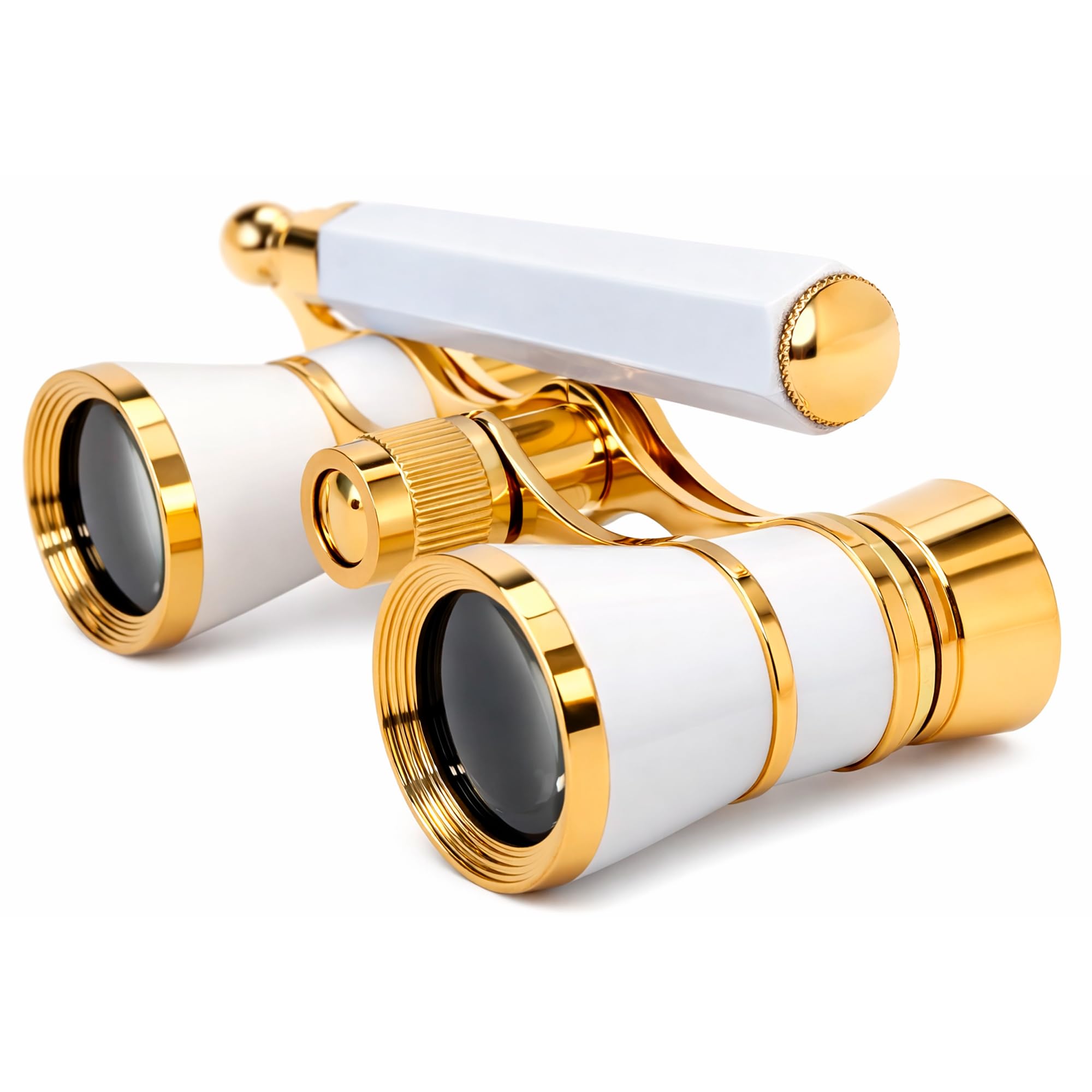
A good seat makes a show, but the fine detail lives on the stage: a raised eyebrow, a hand trembling on a letter, the stitching on a costume. A small pair of theater binoculars closes that distance without adding bulk to your evening. The best binoculars for theater are built for short ranges and house lighting, not for mountains or open water. This guide explains the powers, fields of view and sizes that matter in a playhouse, and the comparison table below lines up the main classes side by side.
You will not need extreme magnification or heavy glass. You will need a wide view, smooth focus and a body that sits quietly in a small bag. The sections below cover opera glasses, compacts and mid size pairs, price bands, and the small habits that keep a pair clear for years of performances.




How to Choose Theater Binoculars: A Buying Guide
Every choice in this section serves one goal: matching the best binoculars for theater to the seat you actually sit in. Power, field and size pull against each other, so read the factors in order.
Start With Opera Glasses and Low Power
An opera glass is a low power instrument, usually about 3 to 5 times magnification, and that modesty is the point. A stage is a close and lit place, and from most seats the action sits about 30 to 100 feet away, close enough that facial detail matters more than reach.
Low power keeps the image bright and steady, since every small shake of your hands is magnified along with the view. A pair at 3x or 4x also holds the whole scene comfortably, so a singer crossing the stage stays inside the frame. From a grand balcony, a compact at 6x or 8x adds reach while keeping the same easy handling.
Field of View Keeps the Whole Stage in Frame
Field of view states how much of the stage you see at once, and a wide field governs whether you watch the whole stage or chase pieces of it. A rating around 350 feet at 1,000 yards or more keeps a full chorus line inside the frame without constant panning. That width matters most in dance and musical numbers, where the story moves sideways as much as it moves toward you.
Narrow fields feel impressive in a shop, but in a dark seat they make you hunt for the soloist. When two pairs tie on power, choose the one with the wider field every time.
A Size That Suits a Purse and an Aisle
Theater seating leaves little room for gear, so a compact class governs how the pair rides in a purse and behaves in a narrow aisle. Most theater pairs weigh about 6 to 10 ounces and fold or slim down enough to share a small bag with a program. A short wrist strap beats a long neck strap in tight rows, because the pair stays in your lap instead of swinging toward your neighbor.
Check the folded size before you buy, and picture the seat you sit in most often. The pair you carry without thinking is the pair you will actually use.
Glass, Coatings and House Lighting
Stage lighting is bright at the center and dim at the edges, so coatings and pupil size shape what you see. An exit pupil is the objective size divided by the power, and a 3x25 opera glass gives about 8 millimetres, a generous circle that stays bright as the house lights fall. Coated lenses cut the glare that washes out pale costumes under spotlights.
Fully coated or multi coated glass costs more, and the difference shows most in dark scenes. For matinees in bright halls, simple coated glass is honestly enough.
Focus Style: Wheel, Dial or Fixed
Opera glasses often focus with a small dial between the barrels, while compacts use a center wheel you turn with one finger. The wheel suits viewers who refocus often as scenes change depth. The dial suits viewers who set the focus once and leave it.
Some slim glasses use fixed focus, which keeps the middle distance sharp with no adjustment at all. Fixed focus feels easy until you sit very close or very far from the stage. If you share the pair with a companion, pick a wheel or dial, because two viewers rarely share the same eyes.
Price Bands for Theater Glasses
Simple opera glasses run about $20 to $50, well made compacts run about $50 to $120, and premium glass with better coatings runs about $120 to $250. Within each band, coatings and build quality explain most of the spread.
Ratings help less here than specs: judge each pair by field of view, brightness in a dim hall and how it fits your seat and bag.
Types of Theater Binoculars
Classic Opera Glasses
The classic opera glass is a slim Galilean design at about 3x, often with a small handle. It gives a bright, wide and gentle view that flatters faces and costumes at close range. It cannot reach a distant balcony view, and its field narrows at the edges. Choose this class for orchestra and mezzanine seats in small and mid size houses, where charm and lightness matter more than power.
Compact Roof Prism Binoculars
A compact roof prism pair at 6x or 8x folds into a rectangle that rides flat in a bag. It reaches farther than an opera glass and focuses closer, which helps in large halls.
For theater alone, the 8x25 version is the usual sweet spot.
Mid Size Pairs for Large Halls
Mid size pairs at 8x32 or 8x42 serve the biggest houses, where the stage can sit 150 feet or more from the back rows. The larger objectives gather more light, so dim scenes hold their contrast. The cost is weight and bulk that feel out of place in a small playhouse. Choose this class only if your seats sit far back in a large hall, or if the same pair already serves you outdoors.
Common Mistakes to Avoid
- Buying 10x or 12x power for theater use, which narrows the field and magnifies every shake of your hands.
- Judging a pair only by its popularity, which says nothing about field of view or low light brightness.
- Forgetting your seat distance, since orchestra rows need far less power than a high balcony.
- Skipping the strap, so a pair slides off a lap and drops into a dark aisle.
- Storing glasses loose in a bag, where keys and coins scratch the lens coatings.
Tips for Years of Clear Performances
- Clean lenses with a soft lens cloth in small circles, never with a sleeve or a tissue, which can drag grit across the coating.
- Put the lens caps back on during intermission, so a spilled drink or a dusty seat cannot reach the glass.
- Store the pair in its padded case in a drawer, away from radiators and steamy bathrooms.
- Keep the strap around your wrist while you applaud, because most drops happen in the dark between scenes.
Binoculars: Your Questions Answered
What magnification suits theater seats best?
Seats in the front half of a house suit 3x to 5x, while back rows and high balconies suit 6x to 8x. A simple way to judge is to count your distance in rows: under about twenty rows from the stage, low power keeps faces bright and the frame wide. Past that, step up one power level rather than two.
Can I use theater binoculars at a concert or ballet?
Yes, theater binoculars work well at ballets and at seated concerts in halls of a similar size. Ballet rewards the same wide field, since dancers cross the whole stage. Arena concerts are a different case, because the stage may sit several times farther away and an 8x compact serves better there. Some venues also limit bag size, so a slim pair that fits a small purse passes security checks with less fuss than a mid size pair.
Do theater binoculars work over eyeglasses?
Most compact pairs work over eyeglasses when you fold or twist the eye cups down. That position puts your eyes at the right distance from the lenses, so you keep the full field instead of a narrow tunnel view. Opera glasses with fixed eye cups can feel tight over frames, so glasses wearers often prefer compacts. A diopter ring on one barrel also helps when your two eyes differ, because it lets the pair match your prescription balance without your glasses in the way.
What does 8x21 mean on a compact binocular?
The first number is the power, so the view appears eight times closer, and the second number is the objective lens width in millimetres. An 8x21 pair has an exit pupil of about 2.6 millimetres, which is small, so the image dims faster than an 8x25 in a dark hall. That trade buys a truly tiny body that fits a clutch bag. For evening shows, the slightly larger 8x25 is the safer pick, while 8x21 suits bright matinees.
How should I store theater binoculars between shows?
Store theater binoculars in their case in a cool, dry drawer, with a small silica gel packet if your home runs humid. Heat warps focus grease over time, so a car glove box is a poor home for any pair. If the glasses get damp at a rainy venue, leave the case open overnight so the moisture escapes before it can fog the inner lenses. A pair stored this way stays clear for many seasons of shows.
Wrapping Up
Start with low power, demand a wide field, and keep the body small enough to carry without a thought. Those three checks cover nearly every seat in nearly every house. Scan the product table above once more with your own row in mind, and you will land on the best binoculars for theater nights on your calendar.


