
Best Binoculars for Vision Impaired in 2026: Everything to Know Before Your First Purchase
Disclosure: We may earn a commission when you buy through links on this page, at no extra cost to you. As an Amazon Associate I earn from qualifying purchases. Learn more

Shopping for the best binoculars for vision impaired for the first time? Learn the terms, compare options, and avoid rookie mistakes with this easy guide.
Buying binoculars for the first time can feel confusing when box print looks small and every model lists new numbers. The best binoculars for vision impaired readers are the ones that match your eyes, your glasses, and your hands, not the ones with the longest list of claims. Use the comparison table below to compare the fit points in this guide.
This guide starts with plain language basics, then moves to the settings that change clarity most for low vision. You will learn how to focus each eye on its own and how to judge brightness and width of view.


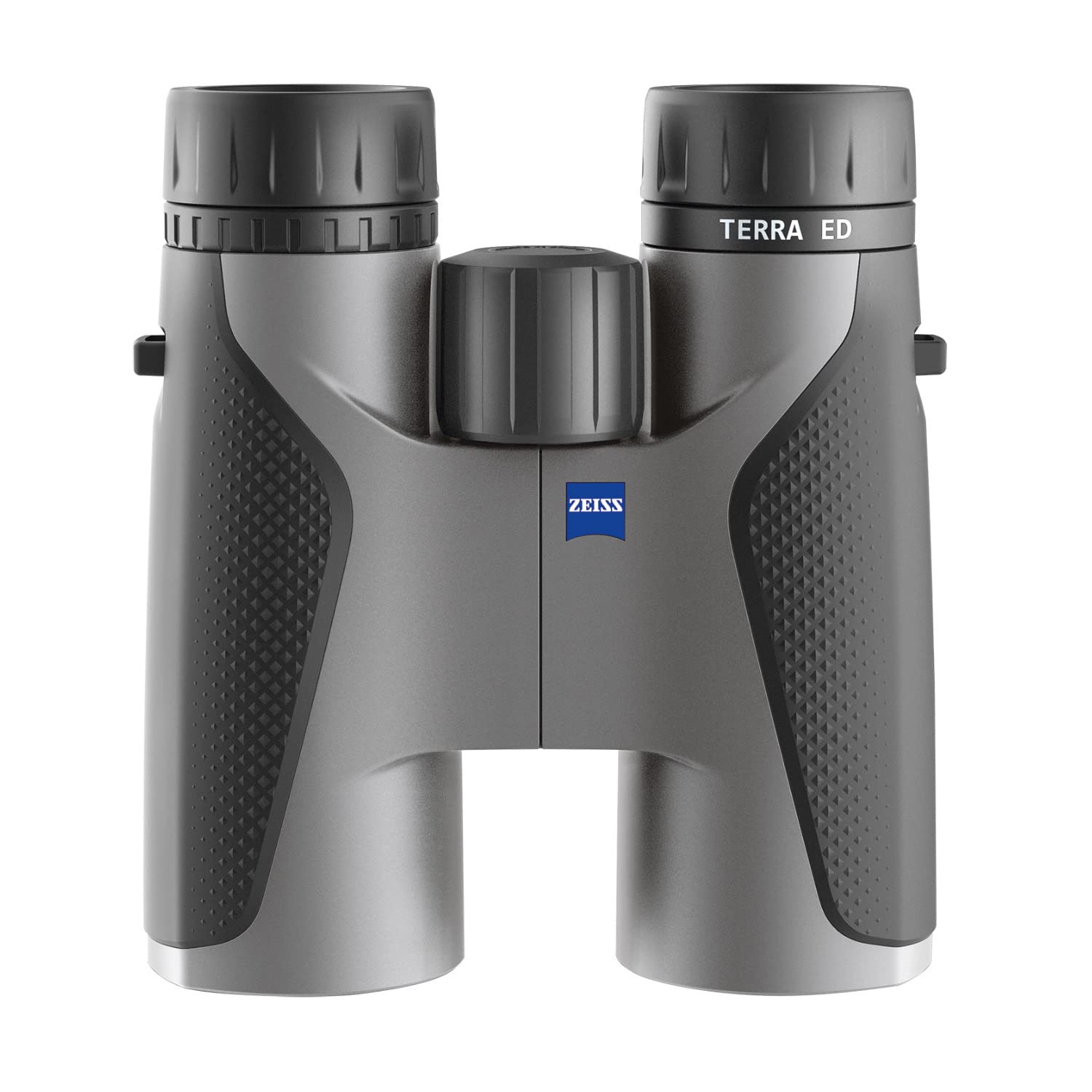
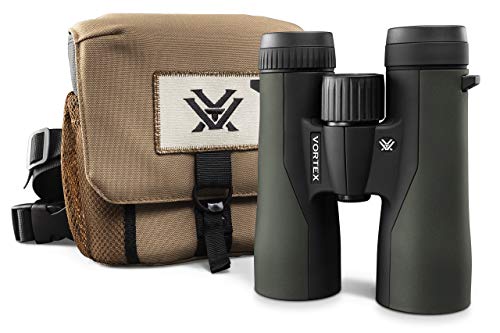
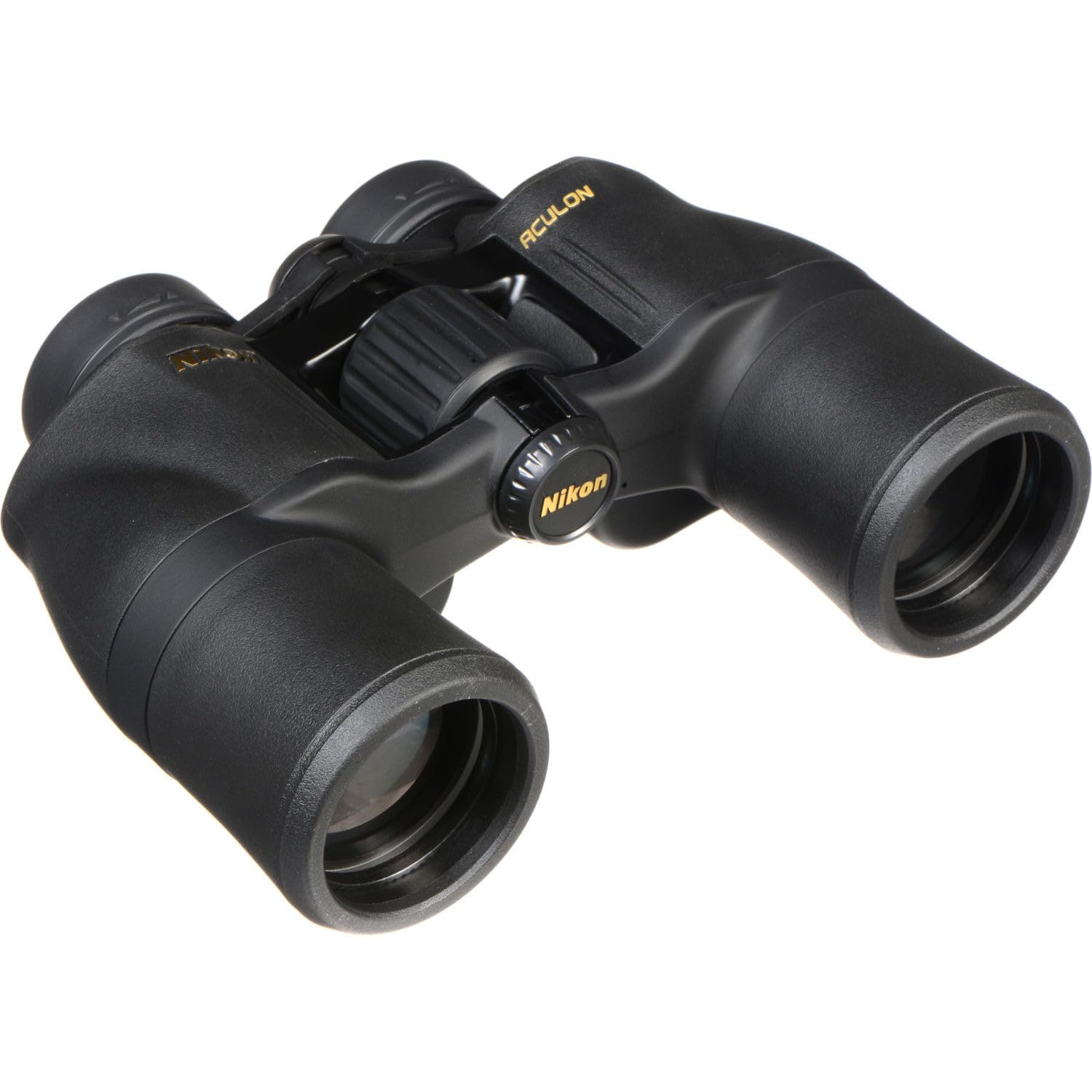

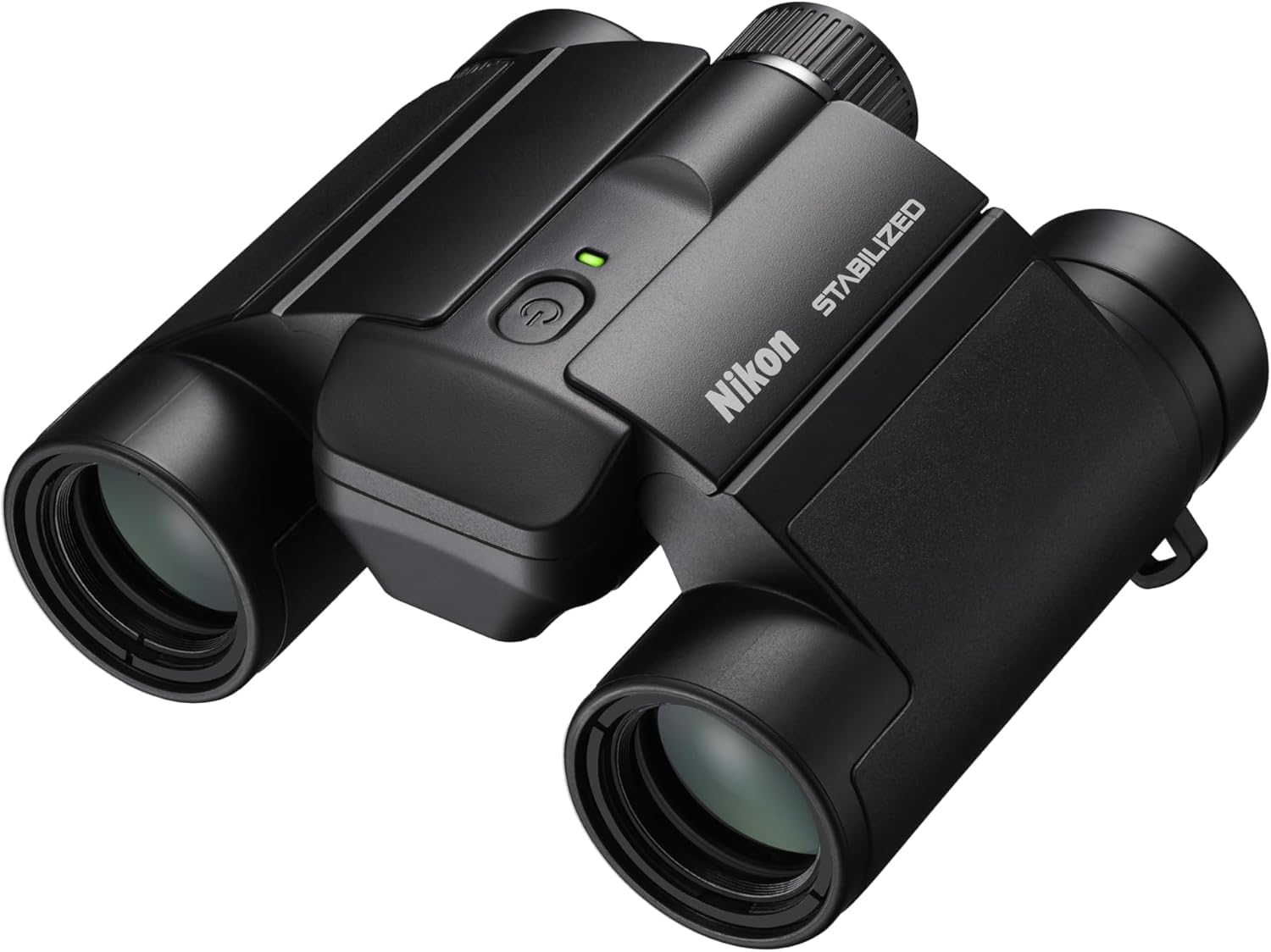
Binoculars 101: The Basics
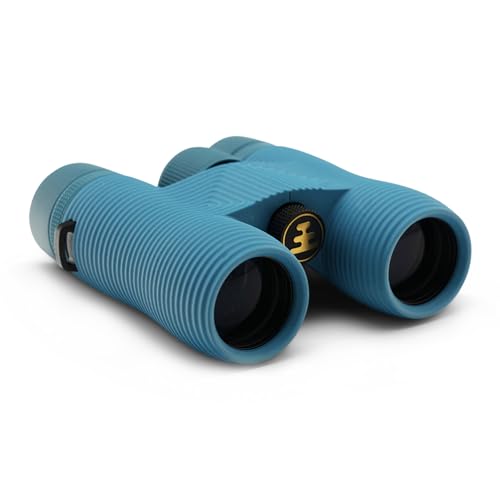
A pair of binoculars is two small telescopes joined by a hinge, one for each eye. Light enters through the large front lenses, passes through prisms that flip the image upright, and reaches your eyes through the rear lenses. The hinge lets you fold the barrels until the two round views merge into one circle. A single round circle means the spacing fits your eyes.
Who Should Buy Binoculars for Vision Impaired Users?
Your daily viewing task should decide the model, because low vision is not one single need. Binoculars help you use the vision you have, but they do not treat an eye condition. Sudden vision loss, new flashes of light, eye pain, or a fast change in sight needs a doctor promptly. Talk with your clinician or a low vision specialist about your personal needs.
Glasses Wearers Who View All Day Outdoors
You need room between the rear lens and your eye so your glasses sit in their normal place. Choose long eye relief and eyecups that fold or twist down flat, then test the full view with your glasses on. A clean round edge all around means the spacing works. Thick frames may need extra relief, so allow margin when you compare models.
Bird and Nature Watchers With Low Vision
You scan trees and feeders to find movement first, then focus for detail. A wide field helps you locate a bird before it moves, and close focus lets you watch feeder birds nearby. Moderate magnification keeps the image steadier in your hands during a long scan.
Sports and Travel Viewers Who Need a Steady View
You follow fast action from a seat or a platform. A lighter model with moderate power is easier to hold up through a full game or tour stop. Bright glass helps in shaded stands. Choose a case you can open with one hand.
Specs That Matter Most for Low Vision Users
Five points decide most of the fit, and you can check each one from the listed specs. The best binoculars for vision impaired users balance clarity for each eye, room for glasses, brightness, width of view, and controls you can turn by feel.
Diopter Adjustment for Each Eye
Most eyes differ from each other, so the center wheel alone cannot make both sides sharp at once. The diopter ring, usually on the right barrel, adds separate correction for one eye after the center wheel sets the other eye. Look for a ring with firm clicks or marks you can feel, and a range wide enough for the gap between your eyes. Once set, note the mark so you can restore it later.
Eye Relief and Eyecups for Glasses
Eye relief is the distance from the rear lens where the full view stays visible, given in millimeters. Glasses hold your eyes farther back, so wearers often need about 15 to 20 mm of relief to see the whole circle without dark edges. Eyecups set that distance, with twist up and fold down styles for use with or without glasses. Try both positions and keep the one that holds the full circle steady.
Magnification, Objective Lens and Exit Pupil
Magnification tells you how much closer a scene looks, while the second number in 8x42 gives the front lens width in millimeters. Divide the second number by the first to get the exit pupil, about 5 mm for 8x42 and about 4 mm for 10x42, and a larger pupil often looks brighter at dusk. Higher power also magnifies hand shake, so many readers do better with 8x than 10x, and image stabilization can help shaky hands. If your main goal is viewing after dark rather than at dusk, see our guide to the best rated night vision binoculars for that separate job.
Field of View, Close Focus and Focus Wheel
Field of view is the width of the scene you see at a set distance, and a wider field helps you find and follow a subject with less sweeping. Close focus is the nearest distance that stays sharp, often about 6 to 10 feet on full size models, which matters in gardens and museums. The center focus wheel should be wide, textured, and smooth, so you can turn it with cold or stiff fingers. Coatings on the glass can also lift contrast, which helps when light is flat.
Size, Weight, Grip and Weather Sealing
Full size binoculars often weigh about 20 to 28 ounces, while compacts weigh about 10 to 14 ounces and give up some brightness and control size. Weight sits in your hands and on your neck, so a padded wide strap and rubber grip matter during a long outing. Weatherproof sealing and fog resistant filling protect the view in light rain and in shifts from cool air into warmth. Choose the heaviest model only when its brightness earns the extra load.
Setting Up Your Pair Step by Step at Home
Start indoors at a table, where you can sit and take your time. Read the printed guide slowly, and keep the strap on. If print feels hard to read, ask a friend to read the setup steps aloud or use a handheld magnifier.
First, put on the strap, fold the barrels until the two views merge into one round circle, and set the eyecups for your glasses. Next, close the right eye and turn the center wheel until the left view of a distant sign looks sharp. Then close the left eye, leave the center wheel still, and turn only the diopter ring until the right view looks sharp too. Open both eyes and check the sign again for a clear merged view.
Rookie Mistakes to Avoid
New buyers often choose by one number and learn the cost outdoors.
- Buying the highest magnification for a closer look magnifies hand shake until fine detail blurs.
- Leaving the eyecups raised while wearing glasses cuts the outer edges of the view from sight.
- Skipping the diopter setting leaves one eye soft even when the other eye looks sharp.
- Choosing a heavy model for long walks leaves the binoculars at home on the days you want them.
- Wiping the lenses with a shirt drags grit across the glass and leaves fine scratches.
Care and Maintenance for Your Binoculars
Clean the lenses only when dust or marks block the view, because each cleaning is a chance to scratch the glass. Blow loose dust away first, then wipe gently with a clean lens cloth in small circles from the center outward. Keep the caps on in a bag, so keys and zips cannot reach the glass.
Store the binoculars dry in their case, away from heat and damp air that can cloud the inside of the lenses. Check the strap and its lugs before each trip, and replace a worn strap early. If the view stays cloudy after gentle cleaning, ask a repair shop to inspect the seals.
FAQs
What features matter most in binoculars for vision impaired users?
The features that matter most are diopter range, eye relief for glasses, and a bright exit pupil. Beyond the listed specs, look for control marks you can feel by touch, such as raised lines on the diopter ring, so you can reset your settings without reading small print. That touch check is hard to judge online, so favor sellers with a clear return path.
What does 8x42 or 10x42 mean on binoculars for vision impaired shoppers?
The first number is magnification and the second is front lens width in millimeters, so 8x42 magnifies eight times with a 42 mm lens. In a store, you can find these numbers printed near the focus wheel. Compare the pair as a set, because the same magnification with a smaller lens gives a dimmer view.
Which binoculars are better for low light viewing with low vision?
Binoculars with a larger exit pupil, such as 8x42, are usually better for low light viewing with low vision. Give your eyes a few minutes to adjust when you step into shade or dusk, and stand where a brim or a tree blocks glare from a bright sky. That habit can reveal detail that a quick glance misses.
Can a smartphone replace binoculars for vision impaired viewers?
A smartphone cannot fully replace binoculars for vision impaired viewers, because phone zoom crops the image and loses detail as you enlarge it. A phone screen also washes out in sun, and holding a phone at arm length shakes more than holding binoculars to your eyes. A phone still helps for a quick photo you can enlarge later at home.
How much should first time buyers spend on binoculars for vision impaired use?
Most first time buyers can start at about $50 to $150 for sound glass with these fit points. Models at about $150 to $300 often add brighter coatings, wider diopter range, and stronger sealing. If night viewing matters most, see our guide to the best budget night vision binoculars before you raise your daylight budget.
Wrapping Up
Start with fit for your eyes and glasses, then judge brightness and width of view, then check weight in your hands. Those three checks will rule out most poor matches before price enters the choice. Use the product table above to compare the models that pass all three checks.
When the best binoculars for vision impaired fit points line up, viewing feels calm instead of strained. Take your time with the first setup, keep the strap on, and enjoy the view you came for.


