Best Binoculars for City Viewing in 2026: Types Compared and How to Choose
Disclosure: We may earn a commission when you buy through links on this page, at no extra cost to you. As an Amazon Associate I earn from qualifying purchases. Learn more

Compare types to choose the best binoculars for city viewing by magnification, lens size, field of view and carry size, for balconies and parks.
City viewing asks a lot from a small optic. You might scan a skyline at noon, read a distant sign, watch birds in a park, then follow a game as light fades. The best binoculars for city viewing balance clear detail, a wide view and a size you will carry, and the sections below help you weigh those tradeoffs.
Start with where you view most often. A balcony, a rooftop, a park bench and a daily walk each favor a different size and magnification. The sections below match those habits to types and key features.



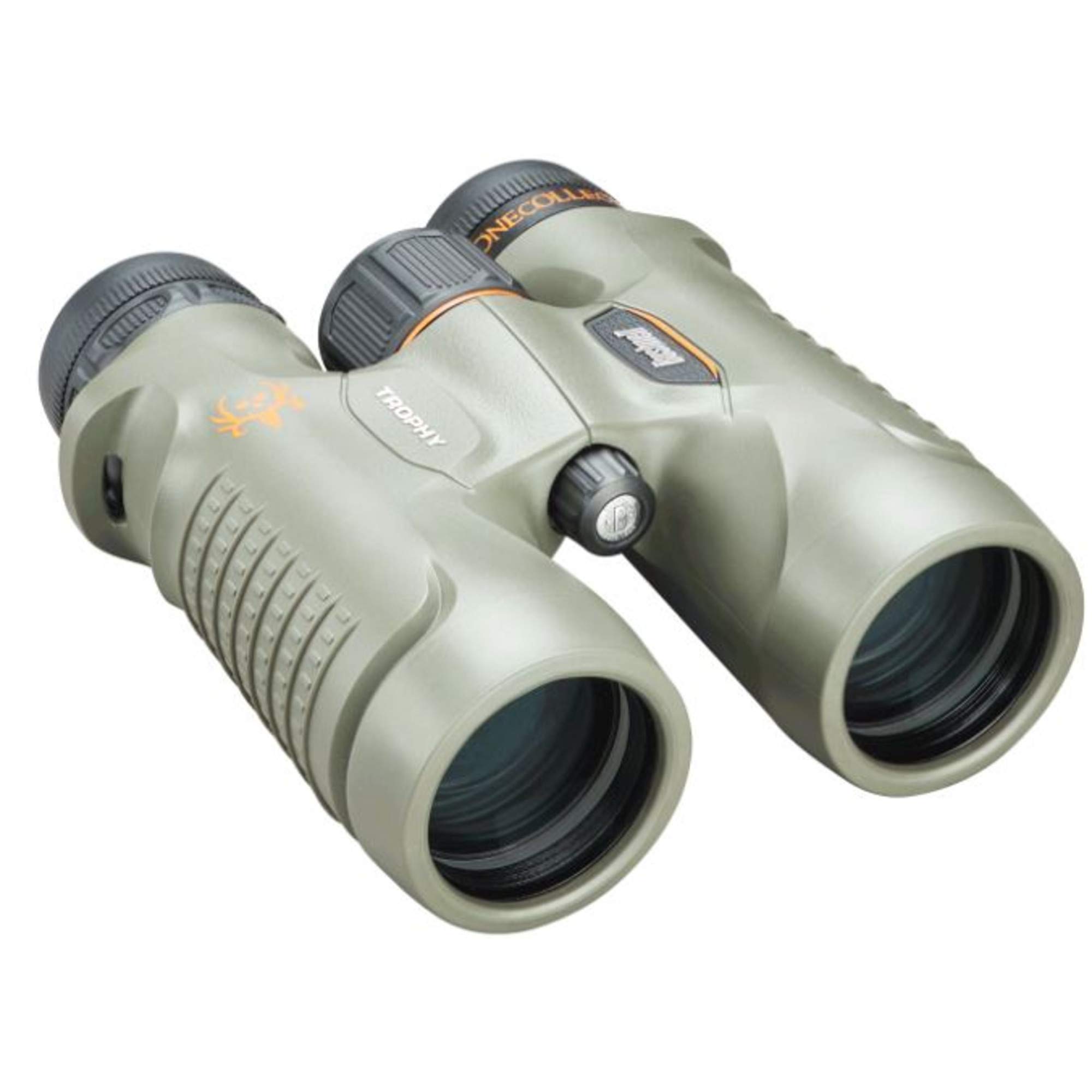


Who Should Buy Binoculars for City Viewing?
Your usual viewpoint should drive the choice more than maximum power. Pick the group closest to your routine.
Balcony and Rooftop Viewers
You view from one steady spot, often across several blocks toward landmarks or bridges. Weight matters less because you carry the pair only a short distance, so a larger lens that stays bright at dusk suits you well. Most balcony viewing stays comfortable handheld at moderate power.
Walkers and Travelers Who View on Foot
You spot towers, murals, signs and wildlife while moving through streets and parks, so the pair must ride in a jacket pocket or a small day bag. Compact size and light weight matter more than the last bit of dusk brightness, and quick focus helps when subjects vanish behind traffic.
City Park and Event Viewers
You split time between nearby birds, players on a field and a distant stage, so you need both a wide view and useful close focus. A mid size pair fits this mix best, giving steady detail without full size bulk. If you also watch games across a bay, see our guide to the best binoculars for ocean viewing.
Types of Binoculars for City Viewing Compared
When you shop for the best binoculars for city viewing, start with size class, because size class sets brightness, weight and price more than any single spec.
Compact Binoculars for Daily Carry
Compact pairs usually pair 8x or 10x magnification with lenses of about 25 mm. They slip into a coat pocket, weigh very little and cost about $40 to $120 in most cases. The tradeoff is a narrower view and a dimmer image once daylight drops, so they suit bright daytime walks best.
Mid Size Binoculars for Balconies and Parks
Mid size pairs usually offer 8x magnification with lenses of about 32 mm, a balance that keeps the body easy to hold while gathering more light than a compact. Prices often run about $100 to $250. The view feels wider and steadier, and the size still fits a small bag. For many viewers, this class is the middle ground for day and evening use.
Full Size Binoculars for Long Sessions at Dusk
Full size pairs usually combine 8x or 10x magnification with lenses of about 42 mm. They give the brightest view at dusk and the most comfortable view during long sessions, but they weigh more and cost about $150 to $400. Choose this class for a fixed balcony spot where carry distance is short and low light detail matters most.
Key Features to Compare
Compare these five factors in order. Together they explain how a pair will feel on a bright street, on a windy rooftop and at dusk.
Magnification and Steadiness in Binoculars for City Viewing
Magnification tells you how much closer a subject appears, with 8x making a landmark eight times closer and 10x making it ten times closer. Higher power also magnifies hand shake and narrows the view. On windy rooftops and during long walks, 8x usually stays steadier and feels calmer. Choose 10x only when your typical distance is long and you can brace your elbows on a rail.
Objective Lens Size and Brightness at Dusk
The objective lens is the front lens, and its size in millimeters is the second number in a spec like 8x42. A larger front lens gathers more light, which helps at dusk and in shade between tall buildings. Brightness also depends on the exit pupil, found by dividing lens size by magnification, so 8x42 gives about 5.25 mm. Pick a larger lens if evening viewing is common, and a smaller one if pocket carry matters more.
Field of View for Scanning Streets and Skylines
Field of view is the width you can see at once, often listed as feet at 1,000 yards. A wider view makes it easier to find a sign, follow a bird across a park or scan a skyline without constant panning. Compact and high power models tend to show less width, while many 8x models show more. Favor width over extra power for moving subjects, because a subject outside the view cannot be studied at all.
Close Focus and the Focus Wheel on Binoculars
Close focus is the nearest distance at which the image stays sharp, and city viewers use it for nearby birds, building detail, plaques and insects in a park. Look for a close focus of about 6 to 8 feet or less if near subjects matter. The center focus wheel should turn smoothly with one finger and hold its setting. The diopter ring on one eyepiece lets you match the pair to a difference between your eyes.
Eye Relief, Weather Sealing and Lens Coatings
Eye relief is the distance your eye can sit from the eyepiece while still seeing the full view, and glasses wearers usually need about 15 mm or more with the eyecups turned down. Sealed, fogproof bodies resist city rain and sudden shifts when you step outside. Coatings on the glass cut glare from glass towers and wet pavement, which keeps contrast stronger on bright days. For broader daytime outings, see our guide to the best binoculars for viewing.
How to Check a Pair of Binoculars for City Viewing Before You Commit
Use a short, repeatable check rather than a quick glance. Look at a distant sign and confirm you can read it from the center of the view, then move the sign toward the edge and note how much sharpness drops. Check a bright window for glare and color fringing.
Next, focus on a near plaque, then swing back to a far tower and note how smoothly the wheel gets you there. Hold the pair for a full minute and notice shake in the wind. For open ground viewing, see our guide to the best binoculars distance viewing. Park bird watchers may also value our guide to the best binoculars for viewing wildlife.
Common Mistakes to Avoid
- Choosing 10x or higher power for every city use makes the view shake and narrows what you can follow.
- Buying the smallest compact for dusk viewing leaves the image dim when light falls between buildings.
- Ignoring field of view makes finding signs, birds and stage action slow and frustrating.
- Skipping the glasses fit check leaves glasses wearers seeing a cropped circle instead of the full view.
- Judging only by a bright store view misses glare, edge blur and focus problems that show up outdoors.
How to Make Your Binoculars for City Viewing Last Longer
Clean the lenses only with a soft lens cloth or a blower, never with a shirt, because grit caught in fabric can scratch the coatings. Keep the lens caps on while you walk, and carry the pair in a dry, padded bag. Let a damp pair dry open at room temperature before you store it.
Store the binoculars in a cool, dry place away from direct sun and car heat, which can age seals over time. Check the strap, hinges and eyecups for looseness, and keep the focus wheel free of dust. Handled this way, a sound pair should serve for many seasons.
Binoculars for City Viewing: Your Questions Answered
What does 8x42 or 10x42 mean on binoculars for city viewing?
The first number is magnification and the second is the front lens size in millimeters, so 8x42 magnifies eight times with 42 mm lenses. The point many buyers miss is balance: both sizes share a lens, but the 10x version spreads that light over more power, so its exit pupil is smaller. For mixed city distances, that is why 8x42 often feels brighter.
What close focus distance do binoculars for city viewing need?
Most city viewers do well with a close focus of about 6 to 8 feet. That range covers a bird on a near rail, a detail on a statue base or a flower bed without forcing you to step back. If you mostly watch distant skylines, close focus matters less, but a short minimum still adds flexibility. Check the spec before you buy, because it varies widely by class.
Can binoculars for city viewing work well at dusk?
Yes, binoculars for city viewing can work well at dusk if the lens size and magnification give an exit pupil of about 4 mm or more. City light helps too, since lit windows and signs add contrast that open country lacks. For regular evening games or sunset sessions, lean toward 8x42 rather than a compact. A steady hold matters as much as brightness.
Is a smartphone enough instead of binoculars for city viewing?
A smartphone is not enough for sustained city viewing, because phone zoom is mostly a crop that loses detail as you enlarge it. Binoculars gather light with real optics for both eyes, so the view stays steadier and easier to watch for minutes. A phone still wins for sharing a quick photo. For a distant landmark or stage, a dedicated pair is better.
How much should a first pair of binoculars for city viewing cost?
A sensible first pair of binoculars for city viewing usually costs about $80 to $200. Below that range, dim glass and loose focus wheels are common, while this range buys clearer coatings and better sealing. Spending more mainly refines edge sharpness and dusk brightness. Buy for your main viewpoint first, then upgrade only if a clear limit bothers you.
The Bottom Line
Match the size class to your viewpoint, favor 8x for steadiness and width, and choose the largest lens you will carry without complaint. Use the product table above to compare magnification, lens size and price before you decide.
Chosen that way, the best binoculars for city viewing become a daily companion for skylines, parks and evening events.