
Best Binoculars for Surveillance 2026: Budget, Midrange and Premium Bands
Disclosure: We may earn a commission when you buy through links on this page, at no extra cost to you. As an Amazon Associate I earn from qualifying purchases. Learn more

The best binoculars for surveillance by budget band, with lawful use, distance, low light glass, build quality and support explained.
Prices for observation glass run from pocket money to serious money, and the gap is not obvious from the listings. This guide sorts the best binoculars for surveillance into budget, midrange, and premium bands, so you can see what each step up actually buys. Start with the product table, then read the bands with your own watching distance and light in mind.
The bands below assume lawful watching of your own property, a worksite, a marina, or similar ground where you have a right to be and a reason to look.


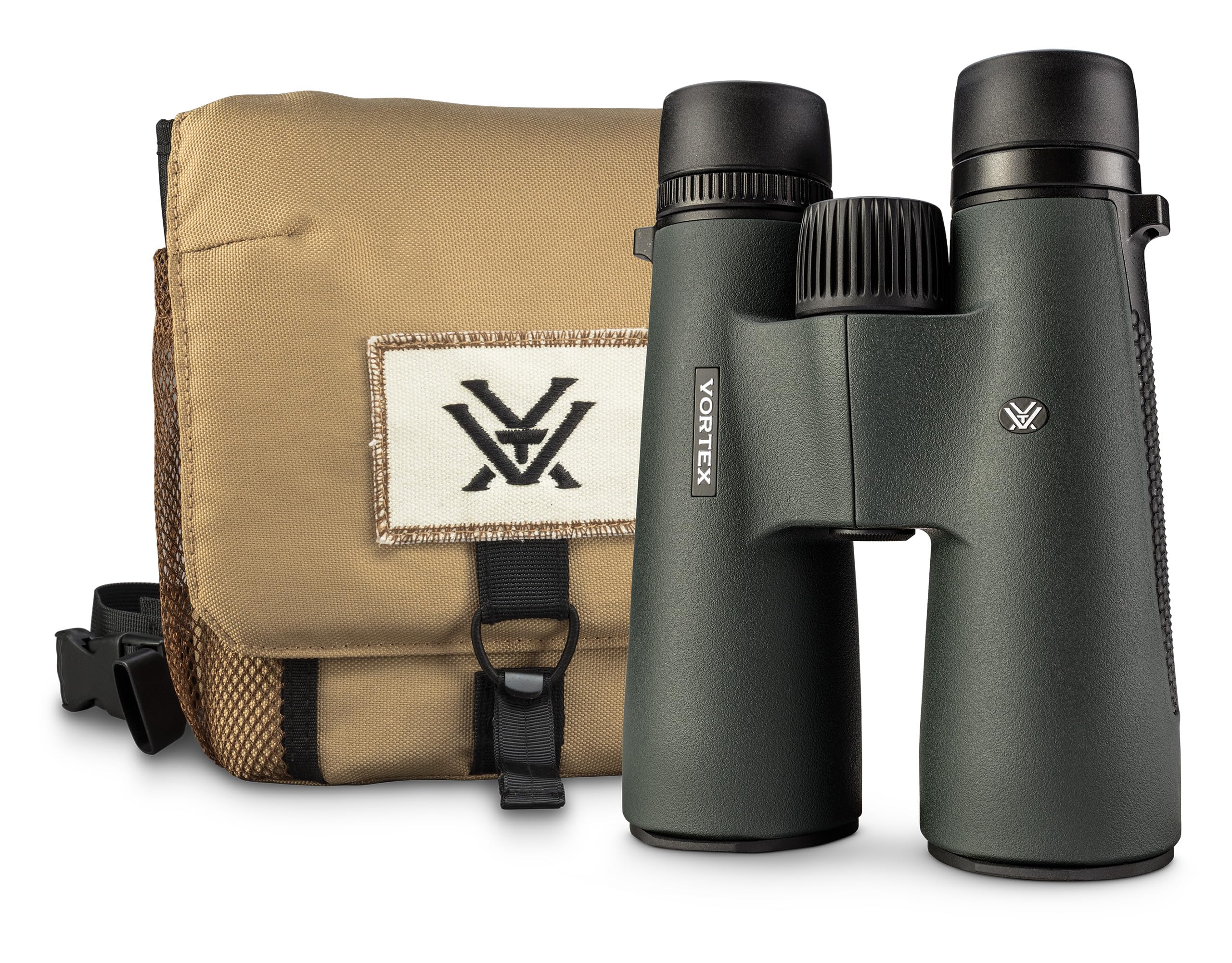


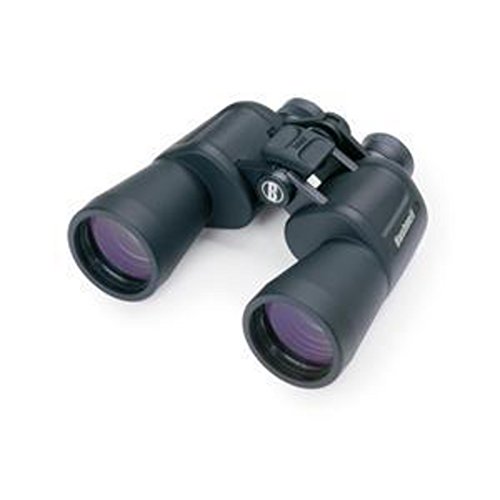
What Your Money Gets You at Each Price Band
Budget Band: Watching on a Short Leash
Budget pairs run about $30 to $80 and cover short range watching in good light, such as a yard, a parking area, or a dock close to the house. The view is serviceable at midday, but coatings are basic and the image dulls fast as light drops. Build is lighter, focus wheels feel rougher, and warranties are short. For occasional checks across short ground, this band does the job without pretending to do more.
Midrange Band: The Working Middle
Midrange pairs run about $80 to $250 and are where most property watching should land. Coated glass in 8x42 or 10x42 form gives a brighter view at dawn and dusk, sealed bodies handle weather, and the focus wheel turns smoothly enough for long sessions. This band also brings steadier eye relief and cases worth using. Buyers who watch the same ground often, in mixed light, get the clearest value here.
Premium Band: Glass for Distance and Dim Light
Premium pairs run about $250 to $600 and buy better glass, wider fields, and stronger low light views across long ground. Coatings pass more light, edges stay sharper, and the bodies tolerate years of daily handling. Stabilized options also appear at this level for watching from vehicles or boats. The step up is real but narrow, and it pays mainly when distance is long or the watching happens near dark.
Features Worth Paying For (and Ones to Skip)
Lawful Use Comes First
Surveillance means watching others, and that is bounded by law and consent, not by what the glass can do. Rules on privacy, recording, and watching neighboring property vary by place, so check the local rules before any regular watching routine. This guide covers buying factors only, such as glass, build, and price, and it offers no method for watching any person. If a planned use feels hard to justify openly, that is the signal to stop and rethink it.
Observing Is Not Recording
A binocular observes and records nothing, and that single fact should shape the purchase. There is no file, no playback, and no evidence trail, only what the watcher sees in the moment. Readers who need a record should note that best home surveillance cameras belong to a different product class entirely, built to store footage while no one watches. Buy glass for live watching, and buy a camera system when a stored record is the point.
Distance and Light Decide the Glass
The distance to the watched ground and the light at that hour decide the specs more than any feature list. Longer ground calls for 10x power, while wide areas watched up close are easier at 8x with a broader field. Low light watching needs larger front lenses, since a 42 mm lens gathers far more light than a 25 mm one. Match the power and lens to the farthest, dimmest watch you actually make.
Watchers who also follow wildlife on the same ground will find that advice written for best binoculars birding transfers well, since field width and light gathering drive both uses. The legal frame differs, though, because wildlife watching rarely raises the consent questions covered above.
Build, Sealing, and Session Comfort
Watching sessions can run long, so weight, grip, and eye comfort are working specs, not luxuries. Sealed and fog resistant bodies matter for glass kept in a truck cab or a damp outbuilding. Rubber armor protects the tubes when the pair is set down on hard surfaces between looks. When listings boast about best rated binoculars, read that label as a popularity signal only and judge the sealing, weight, and warranty lines yourself before trusting any score.
Warranty and Customer Support
Support terms separate the bands as clearly as glass does. Budget pairs often carry a short warranty and slow parts service, while midrange and premium pairs more often include longer coverage and repair options. A dropped pair that can be repaired beats a cheap pair that must be replaced. Check what the warranty covers for alignment faults, since a knocked tube that shows a double image is the most common failure in this class.
Long Term Costs to Factor In
The purchase price is not the whole cost of owning watching glass. A padded case and a harness strap are early extras, and a tripod adapter helps for fixed watching posts where the pair sits mounted for long stretches. Lens cleaning supplies are cheap but recurring, and a lost cap or strap usually must be bought as a separate part.
Premium pairs hold alignment longer, which can make the higher band the cheaper one over many years of use. None of these costs is large alone, yet together they belong in the budget from the start. Scores attached to best rated binoculars for hunting say nothing about these ownership costs, so treat such rankings as a starting list and price the extras yourself.
Binoculars for Surveillance: Your Questions Answered
What features matter most in binoculars for surveillance?
Low light brightness and the right power for your distance matter most, followed by a sealed body for outdoor keeping. A point worth adding is focus speed, since a wheel that turns in small, smooth steps lets you settle on a subject without overshooting. Eye relief also matters for watchers who wear glasses during long sessions. Skip decorative extras and spend on glass and build instead.
How much should I spend on binoculars for lawful property watching?
Most owners of property watching glass land well in the midrange band, about $80 to $250. That level buys coated 42 mm glass, weather sealing, and a warranty worth having, which covers the large majority of yards, sites, and docks. Budget pairs suit rare, short, daylight checks only. Premium money makes sense when the ground is long or the watching is done near dark on most days.
How long does a pair of surveillance binoculars last?
A sealed midrange or premium pair can serve for many years of regular watching, often a decade or more with basic care. The usual end is not worn glass but lost alignment after a hard drop, or seals drying out after long storage in heat. Keeping the pair cased and out of hot vehicles stretches its life. Budget pairs tend to be replaced sooner, mostly over build faults.
How do I maintain binoculars used for regular watching?
Blow dust off the lenses before wiping, then clean with a cloth made for optics so coatings are not scratched. Store the pair in its case in a dry place, since damp storage invites internal fog and mold on the glass. Check the strap and hinge screws each season, because a loose center hinge slowly shifts the view. Never open the body to clean inside, as that breaks the seal.
Are binoculars or cameras better for watching a property?
Binoculars are better for live watching in the moment, and cameras are better for a stored record when nobody is present. Glass gives detail and judgment in real time, while a camera system covers hours you cannot watch yourself. Many owners use both, glass for checks and cameras for coverage. Birders face a similar split, and guides to best binoculars for birdwatching make the same point in reverse, since a live view is the whole purpose there.
Choosing the Best Binoculars for Surveillance
Keep the use lawful, match the power and lens size to your distance and light, and let the band follow from that. Most buyers should start in the midrange, then compare the picks in the table for glass, sealing, and support. Chosen that way, the best binoculars for surveillance are simply the pair whose view stays clear at your farthest corner, in your dimmest hour, without costing more than the watching is worth.


