
Best Binoculars Birding: How to Choose Yours for 2026
Disclosure: We may earn a commission when you buy through links on this page, at no extra cost to you. As an Amazon Associate I earn from qualifying purchases. Learn more

Match the best binoculars birding pair to your habitat, with field of view, close focus, brightness, and weight explained simply.
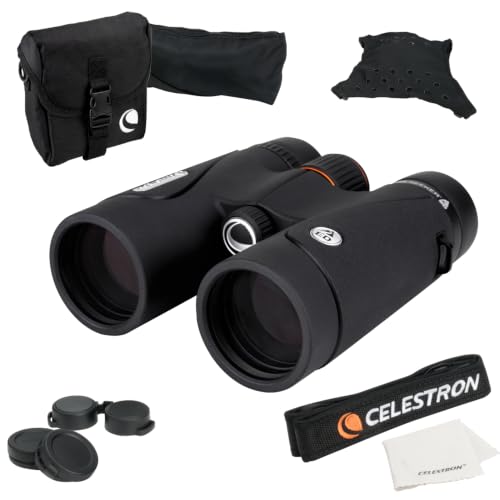
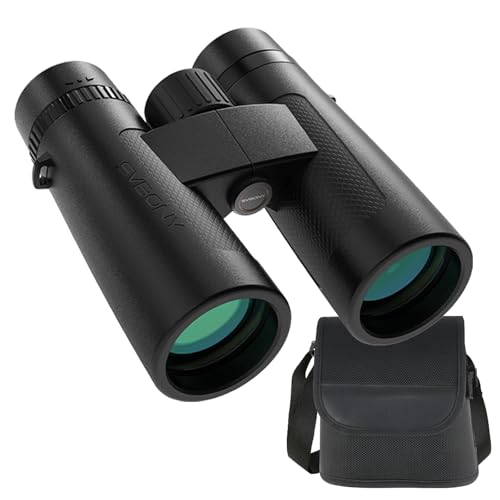
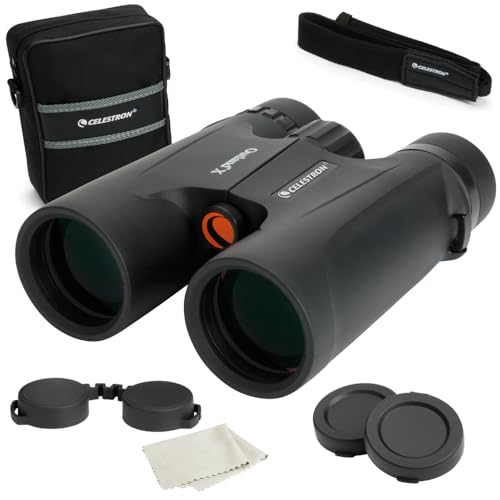
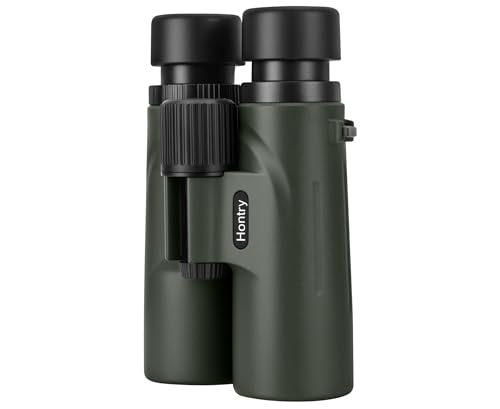
Binocular listings lead with magnification, but birders rarely miss a bird because the power was too low. They miss it because the view was too narrow to find the bird, too dim in morning shade, or too shaky to read the field marks once found. The best binoculars birding setups are the ones matched to where you actually watch, so this guide starts with four common birding situations and then explains the specifications that serve each one. The product table shows how the main options divide by size and price.
Read the situation that sounds like your weekends first, note the two or three specifications it points to, and use the product table whenever you need to check a specific pair against them. That order keeps you from paying for power you cannot hold steady or brightness you will never use.



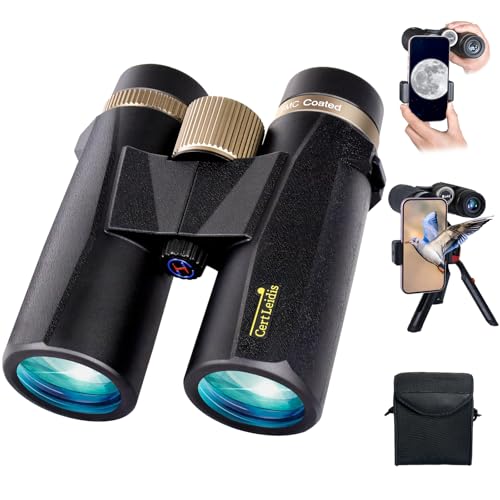
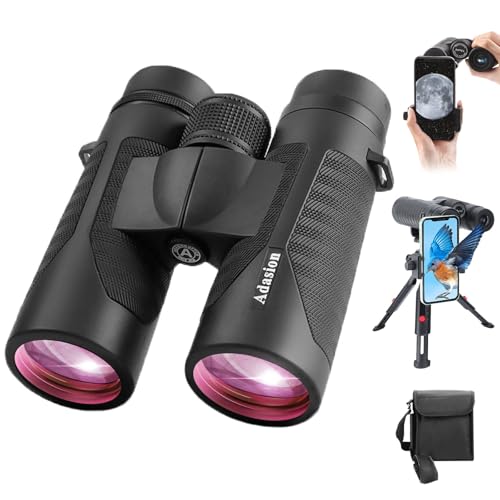

Start With Where You Watch Birds
Habitat decides what a binocular has to do. A feeder ten feet from a window, a warbler moving through dark branches, and a shorebird a quarter mile across a marsh ask for different trade offs between power, field width, brightness, and weight.
Backyard and Feeder Watching
Feeder birds are close, quick, and usually seen in decent light, so the winning traits here are a wide field of view and a short close focus distance. A wide field lets you land on a bird that hops between perches without hunting around, and close focus of about 6 to 8 feet means a bird on a near feeder stays sharp instead of blurring. Modest magnification around 7x or 8x is plenty at these distances and keeps the image calm. This is also the one situation where a smaller, lighter pair genuinely loses nothing, because the viewing sessions are short and the distances are forgiving.
Forest Trails and Warblers
Woodland birding is the hardest test a binocular faces. Light under a canopy is weak, birds move fast between branches, and many views last two seconds at twenty feet. Width of field matters most again, because you find the bird with your eyes and then need the binocular to cover a generous patch of leaves around that spot.
Bright glass matters nearly as much, since dawn chorus happens in near darkness. Close focus is not a luxury here either: warblers often work the near side of a bush. Forest birders should treat weight as a real factor too, because a heavy pair gets left in the car on exactly the humid mornings when the woods are full of birds.
Shorelines, Lakes, and Raptors
Open country flips the priorities. Distances stretch, birds sit still for longer, and a little extra magnification starts to earn its keep, which is why 10x is popular among shore and raptor watchers. The costs are real, though: a 10x image shakes more in your hands, the field of view narrows so finding a moving bird takes longer, and the picture darkens compared with an 8x of the same lens size.
Wind on an exposed shore makes the shake worse. Many open country birders solve this by leaning on a car door, a fence post, or a monopod, and by accepting that a spotting scope, not a stronger binocular, is the honest answer for birds several hundred yards away.
Travel Birding and Long Walks
When the binocular rides in a carry on bag or hangs on your neck for six hours, weight and size decide whether it comes along at all. Mid size pairs with 32 mm front lenses give up some dawn brightness in exchange for a noticeably lighter carry, and for daytime travel birding that trade is usually right. Our roundup of the best lightweight binoculars for birding goes deeper on weight classes if carry comfort is your top concern. A compact pair with 25 mm lenses packs smallest of all, but its dimmer, narrower view makes it a backup for trips where birding is a side activity rather than the purpose.
How to Choose Birding Binoculars
Five specifications do almost all of the work in a birding binocular. The rest of the listing, the coating names, the armor descriptions, the accessory bundles, is secondary. Learn these five and you can read any product page with confidence.
Magnification and Objective Lens Size
The two numbers in a name like 8x42 describe power and the diameter of the front lenses in millimeters. Higher power shows more detail at distance but narrows the view, amplifies hand shake, and spreads the same light thinner, so the image looks dimmer. For most birders the best 8x42 binoculars for birding hit the balance point: enough reach for most habitats, a forgiving field, and steady brightness into dusk. A 10x42 suits the open country watcher from the section above, while a 10x50 restores some of the brightness the extra power costs, at the price of real extra weight around your neck.
Field of View and Close Focus
Field of view is listed in feet at 1000 yards or in degrees, and wider is better for finding and following birds, full stop. A field around 380 to 430 feet at 1000 yards feels generous; below about 330 feet, tracking a flying or flitting bird becomes work. This number trades directly against magnification, which is the hidden reason 8x often outperforms 10x in the woods.
Close focus, the nearest distance that stays sharp, should be about 8 feet or less for insect and warbler watching at close range. Listings bury both numbers, so look them up before you compare prices.
Brightness and Lens Coating Claims
Brightness in a binocular comes from lens size, glass quality, and how much light the coatings let through instead of reflecting away. Bigger front lenses gather more light, which is why a 42 mm pair stays useful at dawn while a 25 mm compact gives up early. Coating language, though, is maker description with no shared measurement behind it: terms like fully coated and multi coated follow industry habits, but no independent standard verifies how much light a given pair actually transmits.
Judge brightness by the exit pupil instead, which is the lens size divided by the power. A figure around 5 mm or more, as on an 8x42, feeds your eye well in low light; an exit pupil under 3 mm on a 10x25 compact does not.
Weather Sealing and Build
Birding happens in drizzle, dew, and cold mornings, so waterproof sealing and internal fog proofing are worth real money. Fog proof pairs are filled with dry nitrogen or a similar gas so the inside of the lenses does not mist when you step from a warm car into cold air, and that protection cannot be added later. Rubber armor earns its place too, absorbing the knocks a binocular takes against car doors and fence posts season after season. Cheaper pairs that skip sealing often die from internal fungus or haze after a few damp years, which is a false economy for anyone who birds weekly.
Fit: Eye Relief, Focus Wheel, and Diopter
A binocular you cannot focus quickly is a binocular that shows you empty branches. The focus wheel should turn smoothly with one finger, and the travel from close focus to distance should take roughly one to one and a half turns, fast enough to follow a moving bird. Eyeglass wearers need eye relief of about 15 mm or more, or the edges of the view get cut off; twist up eye cups make this easy to set.
The diopter adjustment on one eyepiece balances the pair to your two eyes, so set it once, carefully, before judging sharpness. Newer birders often find our guide to the best birding binoculars for beginners helpful on these setup basics.
What Birding Binoculars Cost
Price among the best binoculars birding fans recommend maps to glass quality and build more honestly than it maps to magnification, which costs little to add. The bands below use different breakpoints than a general binocular guide because birding puts unusual weight on coatings and focus mechanics.
Under About $120: The Feeder Window Band
Under about $120 you get a serviceable pair for feeders, casual walks, and a first season of learning. Expect visible softness at the edges of the view, focus wheels that feel slightly gritty, and coatings that lose the dawn and dusk hours. For a household deciding whether birding will stick, or for a spare pair that lives by the kitchen window, this band is a rational buy rather than a mistake.
About $120 to $350: The Trail Season Band
This is where birding binoculars become genuinely good. Glass sharpens nearly to the edge, waterproof and fog proof construction becomes standard, and focus wheels gain the smooth, precise feel that fast woodland birding demands. Shoppers working to a firm ceiling should see our picks among the best budget binoculars for birding for where the floor of this band sits. Most birders who buy carefully here keep the same pair for a decade, because the remaining gains above this band are refinements rather than transformations.
Above About $350: The Decade Pair Band
Above about $350, and on up past $1,000 at the very top, you pay for the last increments: wider and flatter fields, brightness that holds a few minutes longer at dusk, lighter magnesium bodies, and focus mechanics with zero play. These gains are real but incremental, and they reward experienced birders who already know their habitat and their habits. Nobody should start here. A season with a mid priced pair teaches you whether you value width, brightness, or low weight most, and that knowledge is what makes a premium purchase a good one.
Three Sizes, Three Jobs
Size classes in binoculars follow the front lens diameter, and each class suits a different style of birding day.
Compact Binoculars
Compacts pair small 20 to 28 mm lenses with low weight, and they slip into a jacket pocket. Their dim, narrow view limits them at dawn and in deep woods, but as a travel backup or a glove box pair they are far better than the phone camera most people would otherwise use. Our guide to the best small binoculars for birding covers which compacts stay sharp enough for real identification work.
Mid Size Binoculars
Mid size pairs around 8x32 balance carry weight against brightness better than any other class for daytime birding on foot. They give up the first and last minutes of the day compared with a full size pair, and in exchange they hang comfortably for hours. For travel birders and long trail days, this is often the smartest class on the shelf.
Full Size Binoculars
Full size pairs with 42 mm lenses are the default recommendation for a reason: they are the brightest handheld class, they steady well because their weight damps hand shake, and every maker competes hardest here. The cost is a heavier carry and a bigger case. If you bird mostly from paths, blinds, and shorelines rather than all day hikes, that cost is worth paying every time.
Common Mistakes to Avoid
- Buying power first: choosing 12x or higher for your only pair guarantees a shaky, narrow, dim view for the close birds you see most often.
- Ignoring field of view: two pairs with the same magnification can differ by a hundred feet of view width, and the narrower one loses moving birds.
- Skipping the eyeglass check: short eye relief cuts the view into a tunnel for glasses wearers, and no optical quality makes up for it.
- Trusting coating slogans: coating terms are maker language without a shared measurement, so compare exit pupil and lens size instead.
- Pointing binoculars at the sun: never look at or near the sun through any binocular, and follow the manufacturer's instructions for safe use.
Frequently Asked Questions
What does 8x42 mean on a pair of binoculars?
The first number is magnification, so an 8x42 makes a bird appear eight times closer, and the second number is the front lens diameter in millimeters. Together they also set the exit pupil, 42 divided by 8 giving just over 5 mm, which predicts low light performance better than either number alone. A 10x42 squeezes more reach from the same glass but drops the exit pupil to just over 4 mm, which is the quiet cost behind the stronger zoom.
Are 10x binoculars better than 8x for bird watching?
Not usually, because the extra reach arrives with a narrower field, more visible hand shake, and a dimmer image at dawn and dusk. Most birders identify more birds with 8x simply because they find and follow the bird faster. The exception is open water and shoreline watching, where distances are long, birds sit still, and you can brace your elbows. Even there, many experienced watchers carry 8x and add a spotting scope for the longest looks.
Which binoculars are better for low light birding at dawn?
A full size 8x42 is the practical answer, because its exit pupil of about 5 mm matches what your eye can use in dim conditions. Larger 50 mm lenses gather more light still but add weight that most birders tire of carrying before the light improves. Avoid compacts for dawn chorus work entirely: an exit pupil under 3 mm starves the image exactly when warblers are most active. Whatever you buy, coatings quality in the mid price band matters more at dawn than any headline specification does.
How much should a beginner spend on a first pair of birding binoculars?
About $120 to $350 buys the pair a beginner will not outgrow in the first year. Below that band, edge softness and fragile focus mechanisms teach bad habits and frustrate close looks at similar species. Above it, the gains are refinements a new birder cannot yet judge. One practical tip: spend a little of the budget on a comfortable harness strap as well, because a pair carried on every walk beats a better pair left at home twice a month.
Can one pair of binoculars cover both forest and shoreline birding?
Yes, an 8x42 is the honest compromise for mixed habitats, giving up a little reach on the shore in exchange for width and steadiness in the woods. Birders who split time evenly sometimes choose a 10x42 instead and accept slower work among the trees. What does not work is chasing both extremes in one purchase with very high power compacts, which end up too dim for the forest and too shaky for the shore. Pick the habitat you visit most and let it break the tie.
Final Thoughts
Match the binocular to the habitat first, then let field of view, brightness, and focus feel settle the choice inside your price band. Magnification is the least important of the four, however loudly the listings advertise it. Check the shortlist in the product table against the situation you bird in most, and remember that the pair you carry on every outing will always outperform the finer pair hanging at home. For most readers, the best binoculars birding choice is a waterproof 8x42 from the middle price band, bought once and used for years.


