
Best Big TVs for Gaming: Buying Guide for 2026
Disclosure: We may earn a commission when you buy through links on this page, at no extra cost to you. As an Amazon Associate I earn from qualifying purchases. Learn more

Use this buying guide to choose the best big tvs for gaming by size, panel, refresh rate, HDR and ports, with a clear checklist for your room and console.
A big screen can make games feel more immersive, but size alone does not make a TV good for gaming. Slow response, limited ports, or a panel that looks washed out in your room can spoil the upgrade. This guide helps you choose best big tvs for gaming by matching screen size, panel type, and gaming features to your console, your seating distance, and your budget.
You will learn which specs actually change how a game feels, which ones matter less at large sizes, and how to avoid paying for extras you will never use. Start with the comparison table below, then use the sections that follow to confirm the fit for your room.

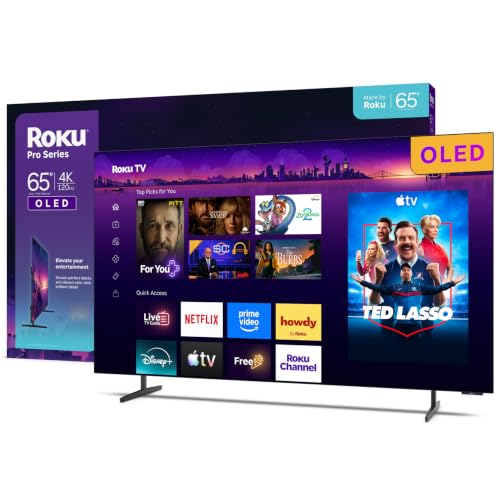
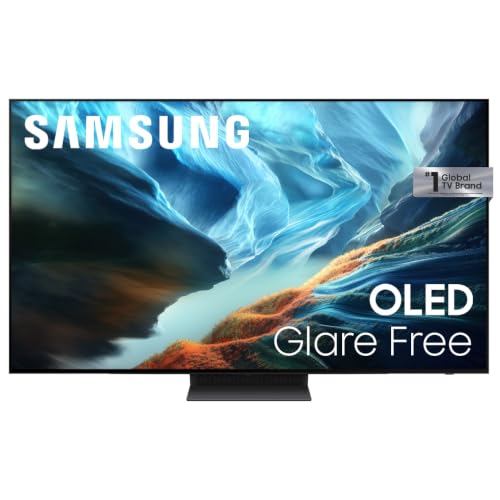
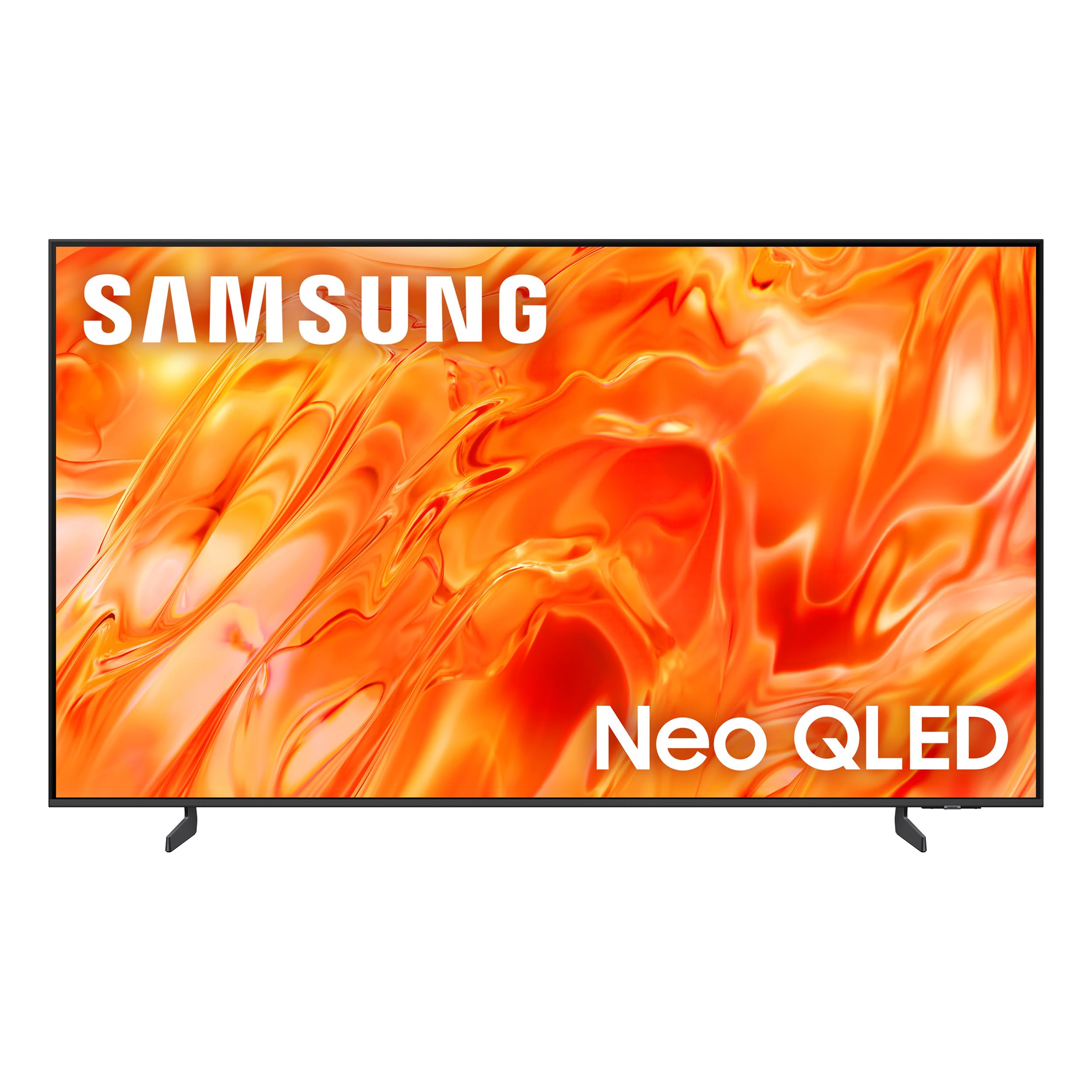
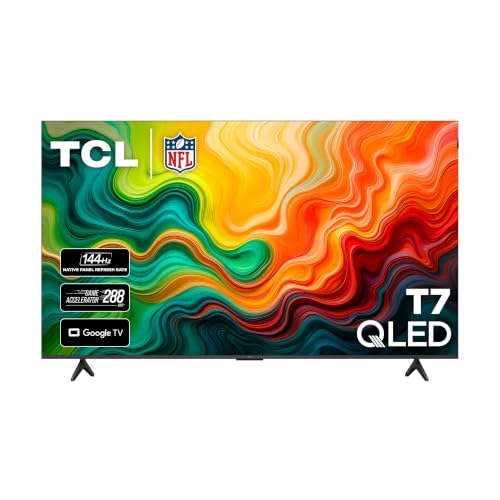


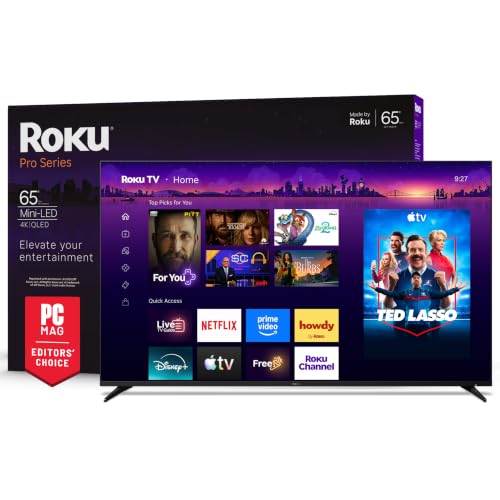

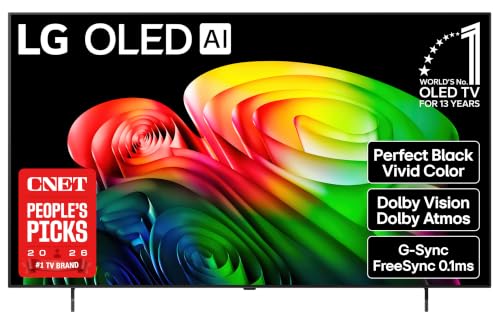
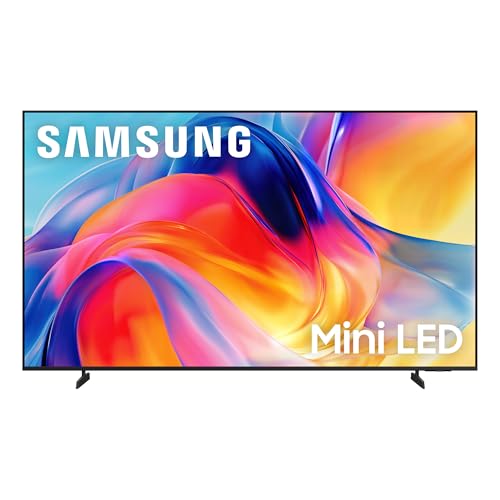
How to Judge the Best Big TVs for Gaming by Tier
Instead of chasing a single winner, think in tiers. Each tier describes what you generally get for the money, so you can set a realistic budget before you compare individual models in the product table above.
Entry Tier for Casual Play
Entry tier big TVs usually give you a 4K panel, basic HDR support, and at least one port that handles 4K at 60Hz. That is enough for casual console play, sports games, and story driven titles where reaction speed matters less. Expect simpler smart menus, modest brightness, and speakers that sound thin at high volume. If you mostly play a few hours a week and sit at a moderate distance, this tier keeps costs down while still feeling like a clear step up from a smaller or older set.
Mid Tier for Regular Console Gaming
Mid tier models add the features serious console players notice most. Look for native 120Hz panels, variable refresh rate support, auto low latency mode, and at least two full bandwidth HDMI 2.1 ports. Brightness is higher, local dimming is better, and blacks look deeper during night scenes. This is the sweet spot for most buyers because it covers current consoles fully without the price jump of flagship panels. Plan on adding a soundbar later if dialogue clarity matters to you.
Premium Tier for Dark Rooms and Fast Play
Premium tier TVs focus on contrast and motion clarity. OLED and advanced Mini LED panels deliver near perfect blacks, wide viewing angles, and very fast pixel response. You also get stronger HDR tone mapping, more HDMI 2.1 ports, and better build quality. The trade off is price and, for OLED, the need for basic care to reduce burn in risk. Choose this tier if you play competitive titles often, watch a lot of movies in a dark room, or plan to keep the TV for many years.
How to Choose the Best Big TVs for Your Room
This is the core decision section. Work through each factor in order, because size and seating distance affect which resolution and panel you need, and ports affect whether your console can use the panel at all.
Features That Matter for Gaming
Gaming places demands that movies do not. You need low input lag so button presses register quickly, ideally under 10 milliseconds in game mode. You need variable refresh rate so the TV matches the console output and reduces screen tearing. You also need enough HDMI 2.1 ports for your consoles and a soundbar. Write down how many devices you will connect before you shop, because port count is one of the most common regrets after purchase.
Size and Placement
Measure your wall width, your stand depth, and the path the TV will take through doors and hallways. A 75 inch or 85 inch set is wide and awkward to move even though it is thin. Check the stand footprint as well as the screen diagonal, since wide feet may not fit a narrow console table. If you plan to wall mount, confirm the VESA pattern and use a mount rated well above the TV weight. Keep the original box if you can, because it makes future moves much safer.
Panel Technology
OLED gives the best contrast and fastest response, with each pixel making its own light. It suits dark rooms but costs more and needs varied content to limit burn in risk. VA panels offer strong contrast at lower cost but narrower viewing angles. IPS panels keep color accurate from the side, which helps wide seating, but blacks look more gray in the dark. Mini LED improves VA and IPS brightness and dimming control, making it a strong all around choice for bright living rooms.
Resolution and Screen Size
At big sizes, 4K is the practical standard. From a typical couch distance of about 8 to 10 feet, a 65 inch to 85 inch 4K screen looks sharp without visible pixels. Sitting closer makes a larger screen feel more cinematic but can also reveal flaws in lower quality streams. Use this simple check: if you can see individual pixels in normal content, you are either too close or the screen is too large for that resolution. For most living rooms, 65 inches and 75 inches balance immersion, price, and ease of placement.
HDR and Brightness
HDR quality depends on brightness and dimming control, not just a logo on the box. Look for support for HDR10 and, if you use compatible services, Dolby Vision. A brighter panel, often around 800 to 1500 nits at the higher tiers, keeps highlights vivid in bright rooms and makes HDR games look more dramatic. In a dark room, contrast matters more than peak brightness. Also check how the TV handles game mode HDR, since some sets dim noticeably when game mode is on.
Refresh Rate and Response Time
Refresh rate tells you how often the panel updates. A native 120Hz panel can display the 120 frames per second output that current consoles offer in supported games, giving smoother motion and lower lag. Ignore inflated motion numbers in marketing and look for the native rate. Response time affects blur behind fast moving objects. OLED responds almost instantly, while good LED panels are still fast enough for most players. If you play shooters or racing games often, prioritize native 120Hz and variable refresh rate over extra smart features.
Smart Platform and Sound
Google TV, Roku, and webOS all run the major streaming apps, so choose based on menu speed and the remote you prefer. Check that the platform supports the apps you already pay for and that game settings are easy to reach. Built in speakers on thin big TVs rarely sound full, especially for dialogue. Budget for a soundbar with an HDMI eARC connection if you want clear voices and stronger bass without running extra cables across the room.
Types of Big TVs
OLED Displays
OLED displays deliver perfect blacks, instant response, and excellent color at wide angles. They are ideal for movie lovers and gamers who play in controlled light. The limits are higher prices, lower full screen brightness than top LED models, and the need to vary content to reduce static image risk over years of use.
Large Screen Options
Large screen LED options in 75 inch, 85 inch, and larger sizes focus on value per inch. They suit bright family rooms, sports viewing, and shared gaming where many people watch from different seats. Picture quality varies widely in this group, so local dimming quality and viewing angle matter more than size alone when you compare them.
PC Gaming and Shared Display Use
Some buyers use a big TV as a shared display for work presentations, split screen sports, or PC gaming from a couch. For PC use, confirm the TV accepts a clean 4K signal at 120Hz without cropping text, and check that it has a low lag PC mode. A dedicated monitor still suits desk work better, so see our guide to the best gaming monitors if you play mostly at a desk.
Care and Maintenance Tips
- Calibrate picture settings by turning off vivid mode and using movie or game presets as a starting point, then adjust brightness for your room light.
- Use pixel refresh on OLED models when the TV prompts you, and avoid leaving a paused static image on screen for hours.
- Clean screens with a dry microfiber cloth only. Do not spray liquid directly on the panel and do not press hard on the surface.
- Use quality HDMI 2.1 cables rated for 4K at 120Hz, and keep them as short as your setup allows to reduce signal dropouts.
- Leave space behind the TV for airflow, and keep vents free of dust so the panel and power supply run cooler.
- Update firmware when a stable update is available, since updates often improve game mode and app performance.
Placement also affects long term value. If you are comparing general purpose sets as well as gaming models, our guide to the best big tvs covers everyday viewing priorities, while our guide to the best big screen tvs focuses on very large rooms. For a broader look at standout sets across eras, see our guide to the best tvs of all time. If price is your main limit, our guide to the best affordable tvs for gaming shows where lower cost models make sensible trade offs.
Frequently Asked Questions
What features matter most in big tvs for gaming?
Low input lag, native 120Hz support, variable refresh rate, and full bandwidth HDMI 2.1 ports matter most. Together they give smooth motion, quick response, and full use of current consoles. After those, consider brightness for your room and panel contrast. A practical tip is to try game mode with the type of game you play most, because sports titles and shooters reveal lag and blur in different ways.
Does refresh rate matter for non gamers?
Yes, but less dramatically. A native 120Hz panel makes sports and fast action scenes look smoother and can improve motion clarity even at lower frame rates. For news, dramas, and casual streaming, a good 60Hz panel still looks fine. Spend extra on refresh rate only if you watch a lot of sports or plan to game later, rather than paying for it as a general picture upgrade.
What size should I get for my room or desk?
Choose size from seating distance first. For most couches about 7 to 10 feet from the screen, 65 inches to 75 inches feels immersive without overwhelming the room. Closer seating favors 55 inches to 65 inches. A big TV is rarely ideal on a desk because you sit too close to take in the whole image. Measure the stand and doorway path as carefully as the wall itself.
How long do big gaming TVs last?
Most modern LED and OLED TVs last about 7 to 10 years with normal home use. Lifespan depends on brightness settings, heat, and how often static images stay on screen. Running the panel at maximum brightness all day shortens its life. Using sensible brightness, good airflow, and automatic pixel care features helps the picture stay even and bright for longer.
IPS vs OLED: which is better for gaming?
OLED is better for contrast, response time, and dark room gaming. IPS is better if you need wide seating angles on a budget and play mostly in a bright room. Neither is best for everyone. If friends regularly watch from side seats, angle performance may matter as much as perfect blacks, so weigh seating layout alongside the games you play most.
Is 4K worth it on a big TV?
Yes, 4K is worth it at 65 inches and above for typical living room distances. Games, streams, and discs in 4K look noticeably sharper than 1080p on a large screen, and current consoles are built around 4K output. The benefit shrinks if you sit very far away or watch mostly low quality broadcasts, but for gaming the combination of size and 4K detail is the main reason to upgrade.
The Bottom Line
Start with seating distance to set size, confirm native 120Hz and enough HDMI 2.1 ports for your consoles, then pick the panel that fits your room light. Those three checks will narrow the field faster than any single spec. Compare your shortlist in the product table above, and choose the best big tvs for gaming option that fits your room, your devices, and the way you actually play.


