
Best Big TVs in 2026: Buying Guide
Disclosure: We may earn a commission when you buy through links on this page, at no extra cost to you. As an Amazon Associate I earn from qualifying purchases. Learn more
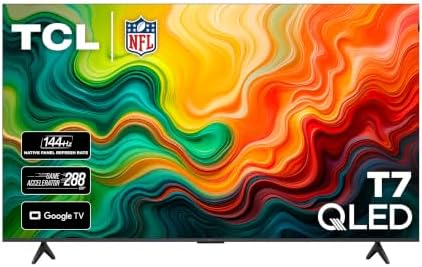
A clear buying guide to big TVs, covering screen size, viewing distance, panel types, brightness and sound so you can choose with confidence.
A big television can transform movie nights, but the biggest screen is not always the best fit for your room. The right best big tvs balance screen size, viewing distance, and picture quality for the way you actually watch. The comparison table below gives a quick overview, and this guide explains size, panel types, and sound in plain terms.
Many buyers focus only on diagonal inches and forget brightness, reflections, and seating distance. A screen that looks stunning in a bright shop can feel overwhelming in a small living room. This guide helps you measure first, then choose the panel and features that suit your space.


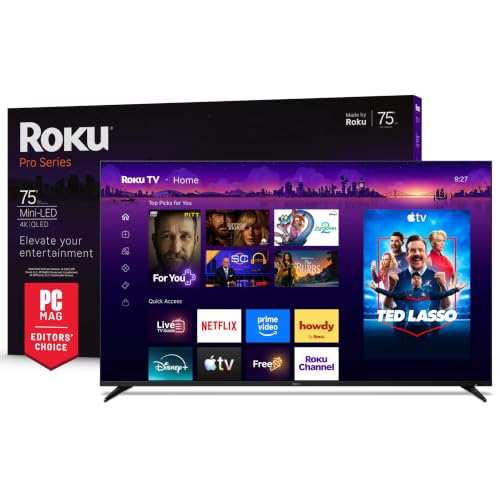
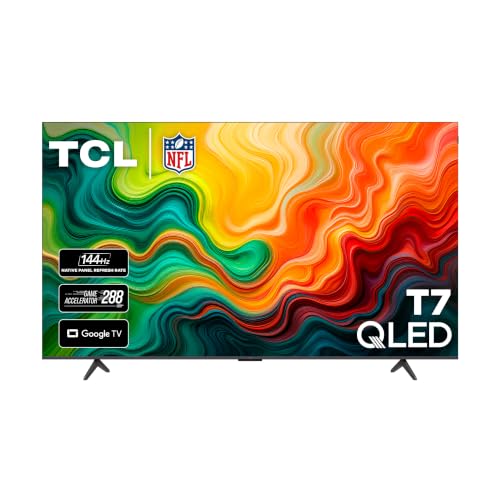
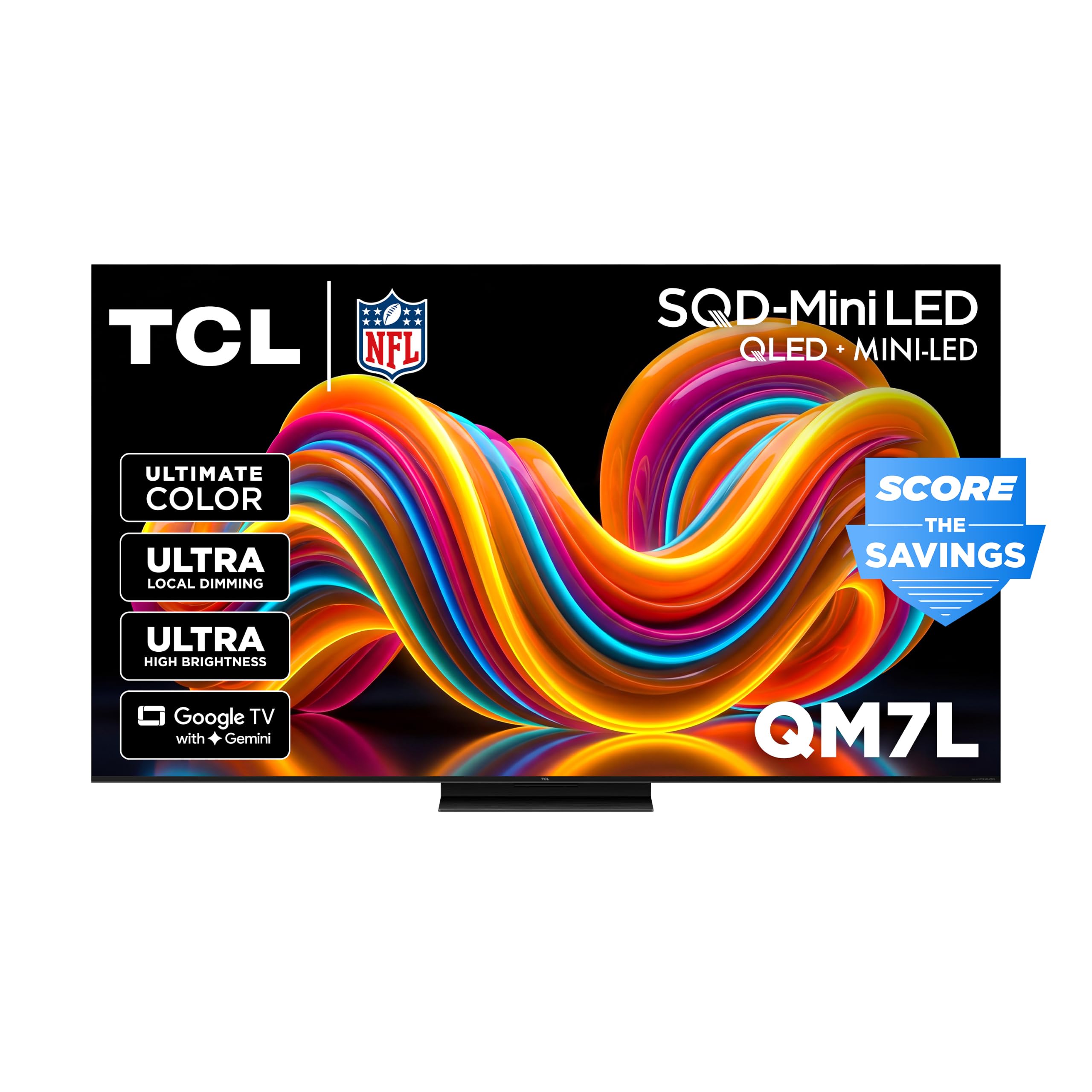
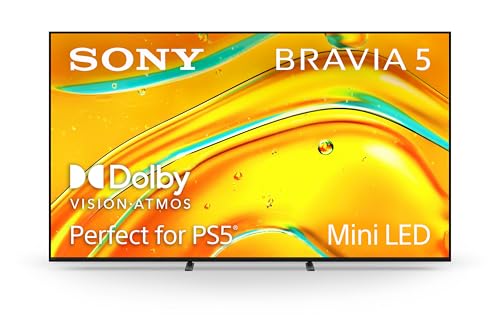
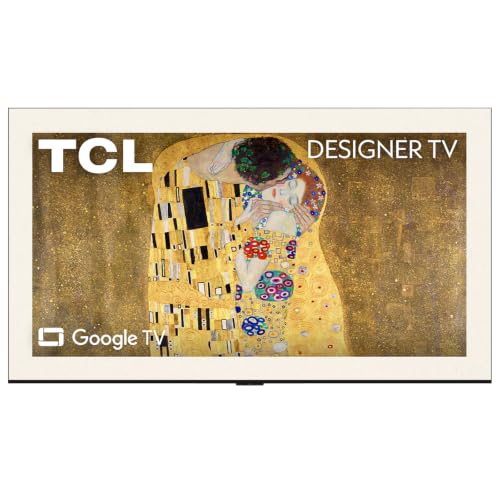
Who Should Buy a Big TV
These TVs suit living rooms, family rooms, and dedicated viewing spaces where several people watch together. They also suit sports fans and film lovers who want an immersive picture. If your seating sits very close to the screen, a more modest size often gives a sharper, more comfortable picture than the largest option.
Types Compared
Big TVs divide mainly by panel technology and intended use.
LED and QLED TVs
LED and QLED TVs offer bright pictures, good value, and strong performance in bright rooms. They suit living rooms with windows and daytime viewing. QLED models add richer color, while standard LED models keep costs lower for large sizes.
OLED TVs
OLED TVs produce deep blacks and excellent contrast because each pixel lights itself. They suit dark rooms and film lovers who value picture depth. They cost more at large sizes and need care with static images, though modern models manage that risk well.
Mini LED TVs
Mini LED TVs use many small backlight zones for better contrast than standard LED models. They suit buyers who want OLED like contrast with higher brightness for bright rooms. They sit between LED and OLED on price at large sizes.
Key Features of the Best Big TVs
Screen Size and Viewing Distance
Viewing distance guides size choice more than room size alone. As a rough guide, sit about 1.5 to 2.5 times the screen height away for comfortable viewing. Measure your seating distance before shopping, and use tape on the wall to visualize the screen size in your room.
Panel Technology in Plain English
Panel type affects contrast, color, and viewing angles, so choose based on your room light. OLED excels in dark rooms, QLED and Mini LED handle bright rooms better, and standard LED offers value. Check viewing angles too, since side seats suffer more on some panel types.
Brightness and Reflections
Brightness matters if your room has large windows or bright lamps. Higher brightness keeps pictures vivid in daylight, while anti reflection coatings reduce glare. Try the TV in conditions like your home if possible, since shop lighting differs greatly.
Smart Platform and Sound
Smart platforms differ in apps, menus, and voice control, so check that your favorite streaming apps are available. Built in sound on large TVs often sounds thin, so budget for a soundbar if dialogue clarity matters. Check HDMI ports too, especially for gaming consoles and sound systems.
Gaming and Motion Features
Gamers should check refresh rate, input lag, and HDMI 2.1 support for newer consoles. Sports fans benefit from smooth motion handling that reduces blur on fast action. These features matter less for casual news and drama viewing, so do not pay extra for gaming specs you will not use.
Common Mistakes to Avoid
Avoid these big TV mistakes and your living room will thank you.
- Buying the largest screen without measuring viewing distance first.
- Ignoring room brightness and reflections that wash out the picture.
- Forgetting sound, then finding dialogue hard to hear on a big screen.
- Paying for gaming features when you never connect a console.
Everyday Use and Care
Mount or stand the TV securely, keep vents clear, and clean the screen with a soft microfiber cloth. Avoid pressing the panel and keep liquids away from the screen. Update software regularly, since updates improve apps and picture processing over time.
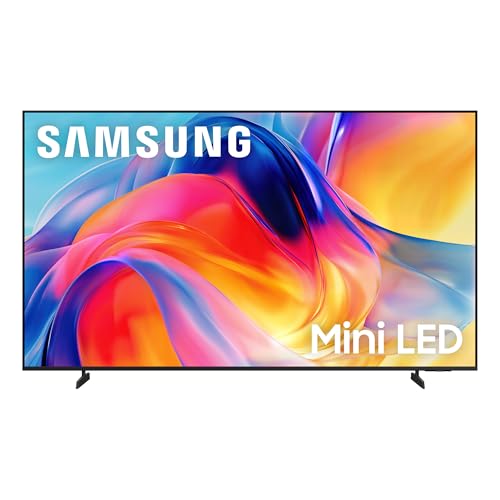
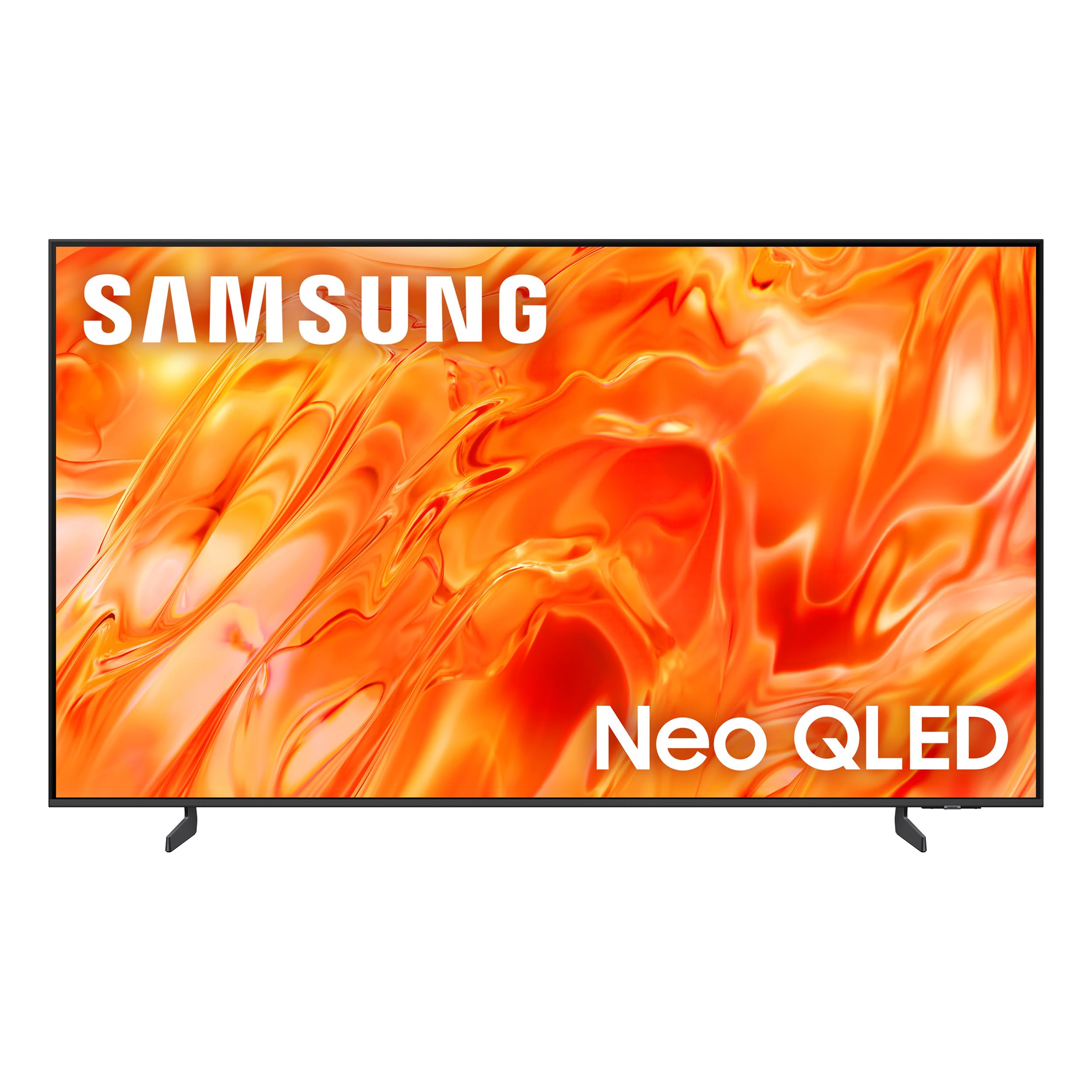
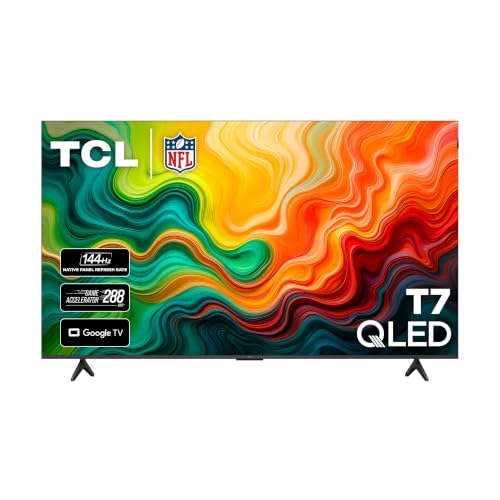
The product table above gives a quick side by side view, so use it to shortlist two or three options before you read the details again.
A Final Check Before You Buy
Before you buy, measure seating distance, wall space, and stand width, and note your room brightness. Compare panels with familiar content at a realistic distance, and check app availability and HDMI ports. Keep the box until you have tried the TV at home, since home lighting changes the picture greatly.
Getting the Most From Your Choice
Room layout decisions around a big TV affect enjoyment as much as the panel itself. Seating arrangement matters, since side seats see color and contrast shifts on some panels, so arrange the main seats as centrally as possible and check viewing angles from every regular seat. Lighting control helps too, since even a bright TV struggles against direct sun on the screen, so curtains, blinds, or a slight angle change can transform daytime viewing. Sound placement deserves the same attention, since a soundbar under the TV and centered on the seating area gives far clearer dialogue than TV speakers firing backward or downward. If you wall mount, check stud positions and cable routing before buying a mount, since large TVs need secure fixings and tidy cable paths.
Content sources also change what a big TV reveals, since low resolution streams look softer on a large screen than on a smaller one. Check that your streaming subscriptions offer high definition or 4K for the shows you watch most, and that your internet speed supports those streams without buffering. Gaming consoles, Blu ray players, and streaming boxes each need HDMI ports, so count your devices before choosing a TV with too few inputs. Finally, consider energy use, since large bright screens draw more power, and eco modes or scheduled switch off can reduce running costs without harming everyday viewing quality.
Related Buying Guides
For a broader look at highly rated TVs, read our guide to best tvs of all time.
For big screen TVs, see our guide to best big screen tvs.
For big TVs made for gaming, read our guide to best big tvs for gaming.
For affordable big screen TVs, see our guide to best affordable big screen tvs.
For soundbars to pair with your TV, read our guide to best soundbars tv.
If Your First Choice Does Not Work
If a new big TV feels overwhelming or washed out at home, check seating distance, room light, and picture settings before exchanging it. Moving seating back even a short distance can make a large screen feel comfortable, while curtains or a slight angle change can fix glare that shop lighting hid. Picture modes matter greatly, since vivid shop modes look harsh at home, so try cinema or filmmaker modes for films and a calibrated standard mode for daily viewing. If dialogue still sounds thin, a soundbar solves the problem more cheaply than a different TV. Only exchange for a different size or panel type when seating, light, and settings cannot fix the issue.
Frequently Asked Questions
What size big TV should I buy?
Size depends on viewing distance, not just wall space. Measure from your seat to the screen, then use the rough guide of 1.5 to 2.5 times screen height for comfortable viewing. Tape the outline on the wall to judge the size in your room before you order.
Is OLED worth it for a big TV?
OLED suits dark rooms and film lovers who value deep blacks and contrast. Bright rooms favor QLED or Mini LED models, which handle daylight better. At large sizes OLED costs more, so weigh picture priorities against budget and room light.
Do I need a soundbar with a big TV?
Most big TVs sound thinner than their pictures look, especially for dialogue. A soundbar improves clarity greatly and suits living rooms well. If you watch mostly news at low volume, built in sound may suffice, but film and sports benefit clearly from better audio.
What refresh rate do I need?
A 60 Hz panel suits most viewing, while 120 Hz helps sports and gaming with smoother motion. Gamers with newer consoles benefit most from 120 Hz and HDMI 2.1. Casual viewers rarely notice the difference, so do not pay a large premium for refresh rate alone.
How do I reduce glare on a big TV?
Place the TV away from direct window light, use curtains or blinds for bright times, and choose a model with an anti reflection coating. Tilting wall mounts can also angle the screen away from windows. Test the position at different times of day before fixing a mount permanently.
Final Thoughts
Measure your room, match panel type to your lighting, and budget for sound if dialogue matters to you. A well chosen big screen should feel immersive without overwhelming the room or washing out in daylight. Chosen with care, best big tvs can make every movie night and match day far more enjoyable.


