
Best Big Screen TVs for Every Need: How to Pick the Right One 2026
Disclosure: We may earn a commission when you buy through links on this page, at no extra cost to you. As an Amazon Associate I earn from qualifying purchases. Learn more

Best big screen tvs for living rooms: match size to seating distance and compare LED, Mini LED and OLED panels.
A big screen TV turns a living room into a home theater, but only when its size matches your seating distance and room light. The best big screen tvs start at 65 inches and go past 85, and the right one balances picture quality, brightness, smart features and price for the room where it will live.
Use the product table to compare current models, then read on to match size, panel type and sound to your room and viewing habits.


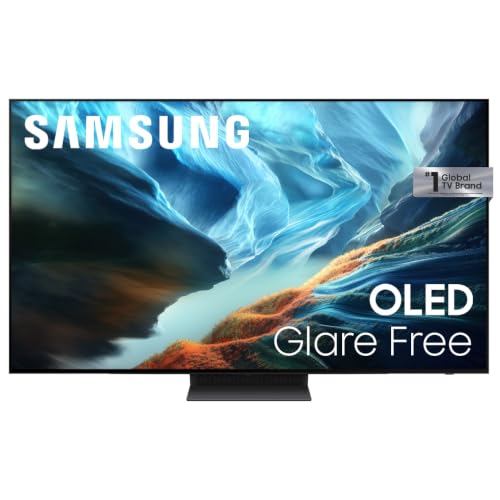

How Big Should a Big Screen TV Be?
Measure the distance from your seat to the screen. As a rough guide, a 4K TV works well when you sit about 1.2 to 1.6 times the screen diagonal away, so a 65 inch TV suits a seat around 6.5 to 8.5 feet away, and an 85 inch TV suits 8.5 to 11 feet. Sitting closer can reveal pixels on lower-quality panels, while sitting much farther away wastes the size.
Also measure the wall, the stand or the mount space, and every doorway the box must pass through. Large cartons are far wider than the screen itself.
Panel Types and Picture Quality
LED and QLED
These are the most common big screen TVs. They use a backlight behind an LCD panel, with quantum dots on QLED models for stronger color and brightness. They suit bright rooms and offer the best value per inch.
Mini LED
Mini LED backlights use thousands of tiny zones, giving higher brightness and better contrast than standard LED. They work well in bright living rooms and for HDR movies, and they cost more than basic LED sets.
OLED
OLED panels light each pixel on its own, so blacks are truly black and contrast is superb. They look best in dim rooms and are less bright than Mini LED, with a small burn-in risk if static images stay on screen for many hours.
Key Features to Compare
- Resolution: 4K is standard at these sizes, and 8K adds cost with little visible gain at normal distances.
- Brightness and HDR: Higher peak brightness helps in bright rooms and makes HDR highlights stand out.
- Refresh rate: 120 Hz panels with HDMI 2.1 are better for sports and console gaming.
- Viewing angle: Wide rooms favor panels that keep color from the side.
- Sound: Thin TVs have small speakers, so many owners add a soundbar.
- Smart platform and ports: Check app support, number of HDMI inputs and eARC for your sound system.
Budget Tiers
Entry level big screen TVs run roughly $400 to $900 and give a large 4K picture with basic brightness. Midrange sets at about $900 to $2,000 add better contrast, brightness and gaming features. Premium Mini LED and OLED sets cost more, with the biggest sizes reaching several thousand dollars. Spend more when you watch in a bright room or care about movie contrast; otherwise a solid midrange set covers most households.
Mounting and Setup
Use a mount rated above the TV weight, fix it into studs or a solid wall, and check the tilt range for your seating height. If you place the TV on a stand, make sure the stand is wide and strong enough for the feet. Keep vents clear and follow the manufacturer's instructions for setup and cleaning. For related size guides, see our guides to the best big TVs and the best large screen TVs.
Common Mistakes to Avoid
- Choosing size without measuring seating distance and wall space.
- Ignoring room light, then fighting glare from windows.
- Skipping a soundbar budget and being disappointed by thin built-in speakers.
- Paying for 8K when a good 4K panel looks better on most content.
Frequently Asked Questions
How big should my TV be?
Measure your seating distance first, then choose a size that fills your view without forcing you to move your head. Most living rooms suit 65 to 75 inches.
Does resolution matter on a big screen?
Yes. 4K keeps the picture sharp on large panels, especially from closer seats.
Are big screens bad in bright rooms?
Not when brightness is high and reflections are managed with placement and curtains. Mini LED and bright QLED sets handle daytime viewing best.
Do I need a soundbar with a big TV?
Many people add one, since thin screens leave little room for strong built-in speakers.
Is OLED or QLED better for a big TV?
OLED is best for dim rooms and movies. QLED and Mini LED are brighter and better for sunny rooms. Choose by your room.
Final Thoughts
Match size to seating distance, choose a panel for your room light, and set aside budget for sound. Do that, and the best big screen tvs will make movies, sports and games feel bigger. If price matters most, see our guide to the best affordable big screen TVs.


