Best Affordable Big Screen TVs: What Actually Matters Before You Buy for 2026
Disclosure: We may earn a commission when you buy through links on this page, at no extra cost to you. As an Amazon Associate I earn from qualifying purchases. Learn more

Before you buy the best affordable big screen tvs, use this checklist on panel type, size, brightness, mounting, and value to choose with confidence.
A big screen makes movies, sports, and games feel immersive, but a low price on a huge panel can hide dim brightness, poor viewing angles, or a stand that does not fit your furniture. This guide gives you the checklist we use to judge the best affordable big screen tvs, so you can score any model against the same standards before you spend.
Each criterion below includes a practical threshold: what good looks like, what should make you pause, and why it matters in a real living room. Run your shortlist through it, then compare the survivors in the comparison table below.

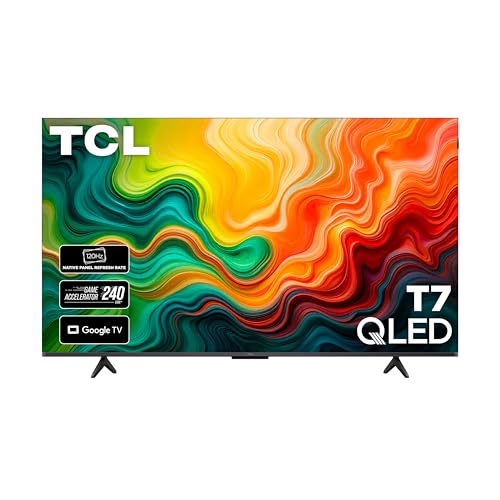
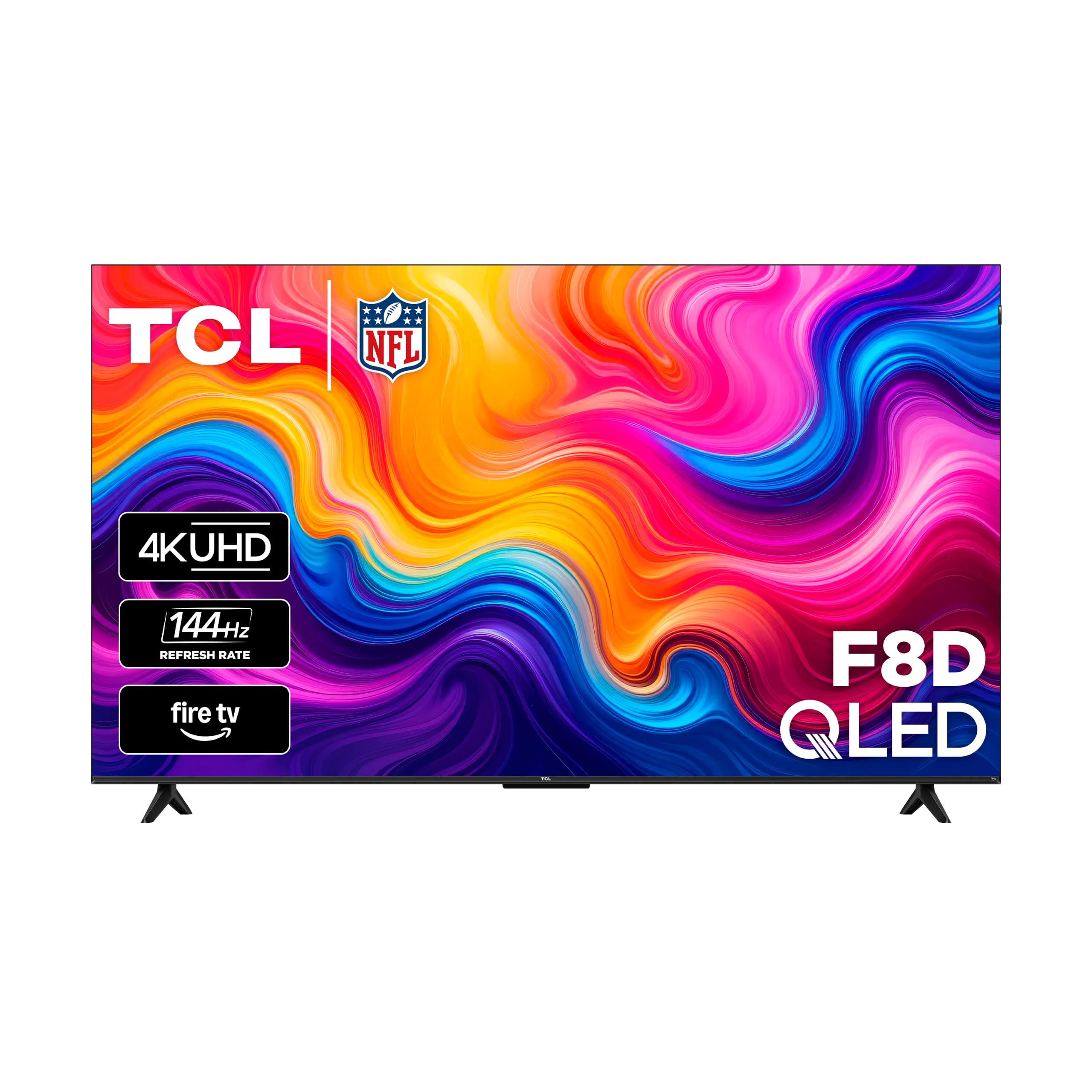

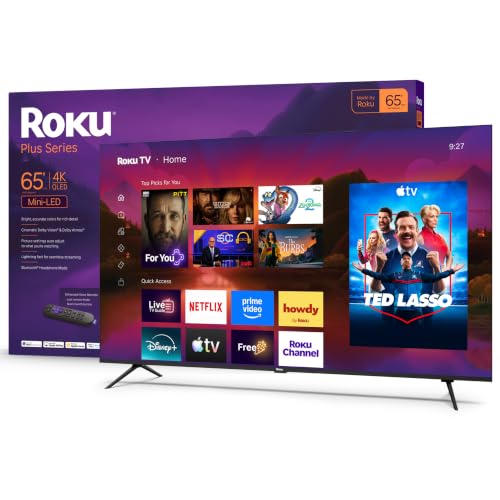
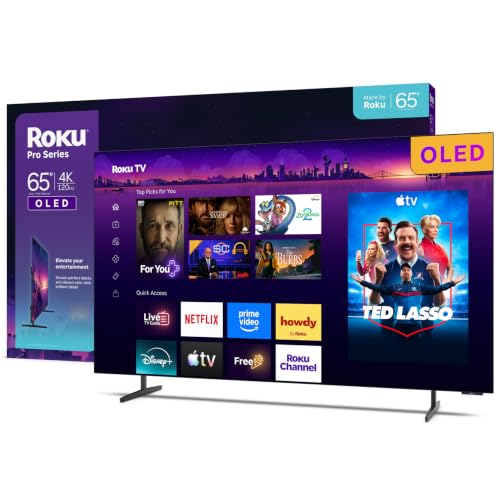
How We Evaluate Big Screen TVs
What You Can Realistically Get on a Budget
For around $400 to around $900 at common big sizes you can realistically get a sharp 4K panel, decent HDR support, a capable smart platform, and enough brightness for a typical living room. What often gets cut is premium local dimming, the widest viewing angles, and top tier gaming features. Do not save money by accepting a panel that looks washed out from your side seats, because everyone will notice on every movie night. Save instead on fancy remotes and extra smart features you can add later with a streaming stick.
Measuring for Size and Portability
Measure before you fall for a size. Note your stand width or wall space, the viewing distance from sofa to screen, and the doorway and stair turns the box must pass through. Big TVs are light for their size but awkward, so plan for two people to lift and mount one safely. A screen that overwhelms a small room forces you to sit too close, where picture flaws show. If you are comparing the wider large screen market, our guide to the best big screen tvs covers sizes beyond the budget range.
Panel Technology (IPS, VA, OLED, Mini LED)
Panel type shapes contrast and viewing angles more than any other spec. VA panels, common at this price, give deep blacks for dark room movies but narrow viewing angles. IPS panels keep color accurate from side seats but show weaker contrast. Mini LED backlights improve brightness and contrast control on better budget models. OLED gives the best contrast and response time but usually costs more, with a small long term burn in risk from static images. Match the panel to your seating first.
HDR and Brightness
HDR only impresses when the panel gets bright enough and controls its backlight well. Look for support for common formats such as HDR10, and treat Dolby Vision as a welcome bonus at this price. Brightness claims without local dimming can mislead, because a bright but uncontrolled backlight washes out dark scenes. In a bright room with windows, peak brightness and anti glare handling matter more. In a dark media room, contrast and black levels matter more than raw brightness.
Resolution and Screen Size
At big screen sizes, 4K resolution is the sensible standard and is widely available on budget models. From a typical sofa distance, 4K keeps text, sports graphics, and game detail clean on screens of 65 inches and up. A 1080p panel at these sizes can look soft unless you sit far away. Screen size and resolution work together: the bigger the screen and the closer you sit, the more 4K earns its place. For general value context across sizes, see our guide to the best affordable tvs.
Stand, Mounting, and Ergonomics
Check the stand footprint before anything else, because wide feet on many big models will not fit a narrow media unit. If you plan to wall mount, confirm the VESA pattern matches your bracket and that the bracket is rated for the weight. Leave room behind the TV for cables and ventilation. Soundbars need clearance below the screen, so measure that gap too. A center stand is more forgiving on small furniture, while wide feet feel steadier on a long unit.
3 Picks That Pass Our Checklist
Rather than naming specific models, this section describes the three profiles that most often pass our checklist at a fair price. Match each profile to listings in the product table above and verify the panel, brightness, and stand details on the listing.
Best Overall
The best overall profile is a 65 inch class 4K model with a VA or Mini LED panel, solid local dimming, and wide enough color for convincing HDR. It suits family rooms where movies, sports, and streaming all share one screen. Strengths are balanced picture quality and a smart platform that feels responsive. The usual limit is viewing angle, so wide seating should check IPS alternatives. Expect prices around $600 to around $900 depending on size and season.
Best Value
The best value profile gives up a little brightness and backlight control to hit around $400 to around $600 at popular sizes, while keeping a true 4K panel and a usable smart system. It suits bedrooms, first apartments, and anyone upgrading from a much smaller older TV. The picture step up is dramatic even without premium features. The limit is HDR impact, which looks modest in bright rooms. For value shoppers, this profile is where most happy buyers land.
Best Premium Pick
The best premium profile within an affordable guide is a larger Mini LED or entry OLED model with strong brightness, excellent contrast, and gaming features such as HDMI 2.1 and adaptive sync support. It suits dedicated media rooms and gamers who want fast response and smooth motion. Prices often run around $900 to around $1,500, so it is premium relative to this guide, not to the whole market. Readers curious about landmark models across eras can browse our guide to the best tvs of all time for perspective.
Quick Buyer Checklist
- Does the screen size fit your viewing distance without filling your whole field of view uncomfortably?
- Does the stand fit your furniture, or does the VESA pattern match a bracket you can install safely?
- Is the panel type right for your seating, with viewing angles wide enough for your side chairs?
- Is brightness high enough for your room lighting, with local dimming if you watch dark movies?
- Are there enough HDMI ports for your console, soundbar, and streaming devices, including eARC for audio?
- Does the smart platform carry every app you use weekly, and does the remote feel simple?
- Is the warranty at least a standard length, with a return window long enough to test the TV at home?
Red Flags to Watch For
- Vague panel and brightness claims. Listings that hide panel type or quote dynamic contrast numbers without real brightness figures deserve suspicion.
- Missing certifications and formats. No clear HDR format support or no eARC on a modern big TV limits future use with soundbars and consoles.
- Unusual review patterns. A flood of short, similar, glowing reviews for an unknown brand is a warning sign, especially with no independent coverage.
- Very short warranty or unclear seller. Big TVs are costly to ship back, so weak warranty terms and mystery sellers raise your real risk.
- Stand and size details buried. If the footprint and weight are hard to find, assume they may not suit your room until you verify them.
If several of these flags appear together, walk away even at a tempting price. Shoppers who want still larger options can compare our guide to the best large screen tvs, and our guide to the best big tvs covers similar ground from another angle.
Care and Maintenance Tips
A few habits keep a big screen looking its best. Calibrate your picture settings once at home: turn off the vivid mode stores use, since it oversaturates color and can look harsh, and choose a movie or filmmaker style preset as your starting point. On OLED models, use the built in pixel refresh feature as the maker directs, and vary your content to limit static logos. Clean the screen only with a dry or barely damp microfiber cloth, never with household glass sprays, which can damage coatings.
Frequently Asked Questions
Is 4K worth it?
Yes, 4K is worth it at big screen sizes for most buyers. On a 65 inch or larger screen at normal sofa distances, 4K keeps fine detail, text, and sports graphics visibly sharper than 1080p. It also matches the native format of most current streaming and gaming content. The exception is a smaller screen viewed from far away, where the difference shrinks. At budget prices, 4K usually costs little extra, which settles the question.
How long do they last?
A modern big screen TV should last many years of daily use, with the backlight gradually dimming over time rather than failing suddenly. Panel care matters: avoid leaving static images on OLED screens for long stretches, keep vents clear, and use a surge protector. The smart platform may feel dated before the panel wears out, and a low cost streaming stick fixes that problem easily without replacing the TV.
What size should I get for my room or desk?
Choose size from your viewing distance first. As a practical guide, a 55 to 65 inch screen suits many living rooms where the sofa sits about 6 to 9 feet away, while larger rooms handle 75 inches comfortably. For a desk, even a 43 inch TV can feel huge at arm length and may strain your neck. Measure your space, tape the screen size on the wall, and live with that shape for a day before ordering.
Does refresh rate matter for non gamers?
Refresh rate matters less for non gamers, but it is not irrelevant. A true 120 Hz panel gives smoother motion for sports and fast action scenes, while many budget models use motion processing to imitate that smoothness with mixed results. For news, drama, and casual streaming, a good 60 Hz panel looks perfectly fine. Spend on brightness and contrast before paying extra for refresh rate if gaming is not part of your life.
IPS vs OLED: which is better?
IPS and OLED solve different problems. IPS keeps colors consistent from wide seating angles and costs far less at big sizes, but its blacks look gray in dark rooms. OLED gives perfect blacks, instant response, and superb contrast, at higher cost and with care needed around static images. Choose IPS for a bright, wide family room on a budget, and OLED for a darker media room where picture quality leads.
Our Verdict
Score every candidate on panel fit for your seating, brightness for your room, and size and mounting that truly work in your space. Those three checks matter more than any single headline spec. Applied calmly, they point you to the best affordable big screen tvs for your home without overspending. Compare your finalists in the product table above, confirm the stand footprint and warranty, and then order with confidence.